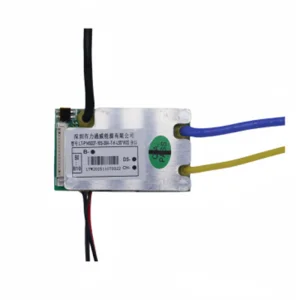
In the rapidly transforming urban landscape, electric bicycles (e-bikes) have emerged as the cornerstone of clean micro-mobility. At the heart of every high-performance e-bike lies its lithium-ion battery pack, whose performance, safety, and longevity are strictly governed by the Battery Management System (BMS). As a leading high-tech manufacturer specializing in lithium-ion safety control systems, Litongwei Electronic Technology is at the forefront of providing industrial-grade, customized BMS solutions. This paper explores the macro-industry shifts, technical architectures, compliance landscapes, and manufacturing methodologies defining today’s B2B e-bike supply chain.
The global e-bike market is projected to reach unprecedented heights by 2030, driven by European Green Deal incentives, North American city infrastructure upgrades, and Asian urban density demands. However, this growth faces regulatory scrutiny. Recent battery fire incidents have prompted global governments to establish stringent fire-safety standards, making the BMS the single most critical component in product safety certification.
Litongwei responds to these demands with macro-level solutions that secure whole-pack certifications (such as UL 2849 and EN 15194). By integrating precision analog front-ends (AFEs), secondary overvoltage protection, and adaptive cell balancing, our intelligent BMS architectures turn simple battery packs into enterprise-grade power assets suitable for high-frequency shared mobility and premium consumer applications alike.
Established in 2005, Litongwei is a national high-tech enterprise specializing in the R&D and manufacturing of lithium-ion safety control systems. Our products are widely used in 3C digital devices, electric scooters, bicycles, motorcycles, tricycles, golf carts, AGGs (AGVs), drones, and power tools.
We provide comprehensive intellectual property protection (patent collaboration to prevent infringement), industry-standard shared boards (cost reduction and efficiency improvement), full-process traceability (MES system quality control), and remote maintenance (cloud platform support) to help B2B customers address technical, cost, and operational challenges. By choosing Litongwei, you receive top-tier products and services aimed at building a sustainable, green energy future.
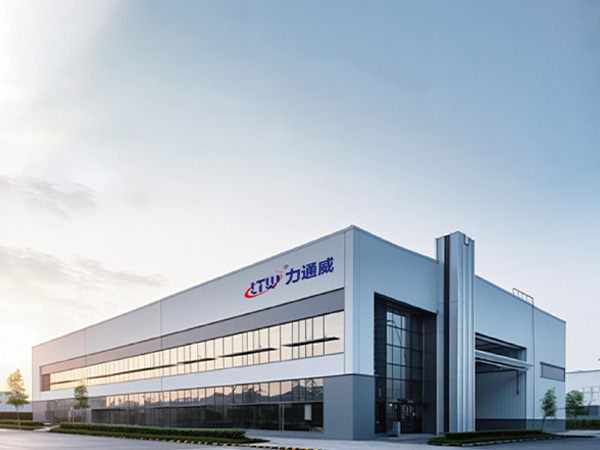

LITONGWEI has always adhered to the philosophy of "Technology as King, Efficient Service" in all aspects of production and operations. Our vision is to become a provider of intelligent green energy management solutions, embracing environmental sustainability. Start with LITONGWEI!
Technology-driven growth. In 2005, the company commenced R&D and manufacturing of digital Battery Management Systems (BMS). By 2006, it expanded into power battery management system development. ISO9001 certification was obtained in 2007, followed by ISO14001 certification in 2009.
Technological advancement. The company secured 8 utility model and design patents in 2011, while expanding its mobile power bank manufacturing operations. The Litongwei Technology Research Institute was established in 2012. It received the Del New Energy Quality Excellence Award in 2014 and earned the Gold Partner title from Gaogong Lithium Battery in 2015.
Digital transformation. The company upgraded its ISO 9001 and ISO14001 certifications in 2016, achieved IATF16949 certification in 2018, and implemented an MES system for warehouse automation. It was awarded the Guangdong Battery Industry Association Innovation Award in 2019 and recognized as a leading brand in lithium battery protection board technology for two-wheeled vehicles in 2020.
Smart Manufacturing+. Litongwei Electronics continues to innovate, deepening its technological expertise while embracing IoT and Industry 4.0. Through its Smart Manufacturing+ strategy, the company drives industrial transformation and upgrading.
Litongwei's partners include Huawei, Lenovo, Desay, Guoguang, Sunwoda, Eve Energy, Guoxuan High-tech, and other industry brand clients who have collaborated for many years.











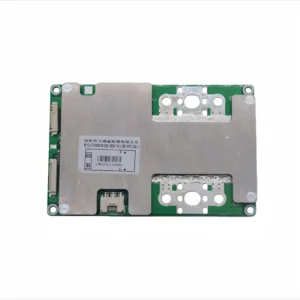
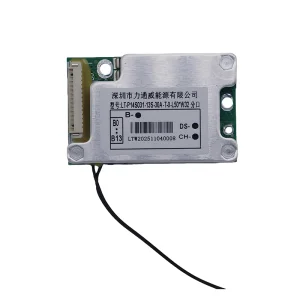
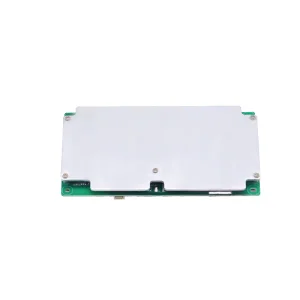
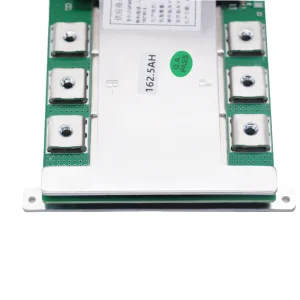
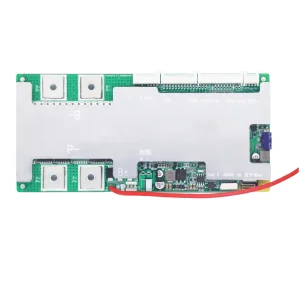
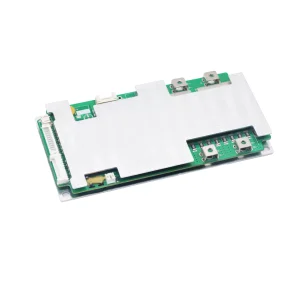
Modern electric two-wheelers demand customized battery topologies. A commuter e-bike might operate on a 13S (48V) battery pack, while utility cargo bikes and e-motorcycles require robust 20S (72V) to 23S (84V) configurations. Litongwei's technical roadmap outlines our developments across these key electrical configurations:
Designed primarily for city-commuter and lightweight cargo e-bikes. Features include:
Tailored for high-performance e-bikes, delivery fleets, and off-road micro-mobility. Specs include:
Designed for heavy-duty electric cargo tricycles, AGVs, and advanced light electric vehicles (LEVs):
Standard analog protection boards only cut off power in the event of an overvoltage or overcurrent anomaly. By contrast, a **Smart BMS** communicates dynamically with both the motor controller and the battery charger. Over CAN-Bus or RS485, the BMS sends precise limits for charging and discharging based on temperature, voltage spreads, and internal resistance. For example, if the cells approach 45°C during rapid charging, the BMS instructs the charger to decrease current, preventing thermal runaway before it starts.
Entering international markets requires strict compliance with local safety standards. Litongwei's BMS manufacturing practices are structured around world-class standards, providing foreign OEMs with clear paths to market validation:
The United States and Canada increasingly mandate UL 2849 certification for entire e-bike electrical systems. The BMS acts as the primary safety barrier. Litongwei designs safety systems with secondary overvoltage protection (dual-IC redundancy) and physical fuse elements that meet the demanding functional safety evaluation criteria of Underwriters Laboratories.
For European markets, EN 15194 specifies safety levels for EPACs (Electrically Power Assisted Cycles). Our battery protection boards are engineered to pass electromagnetic compatibility (EMC) testing and offer functional safety performance levels (PLr) required to prevent dangerous failures under mechanical shock or water ingress conditions.
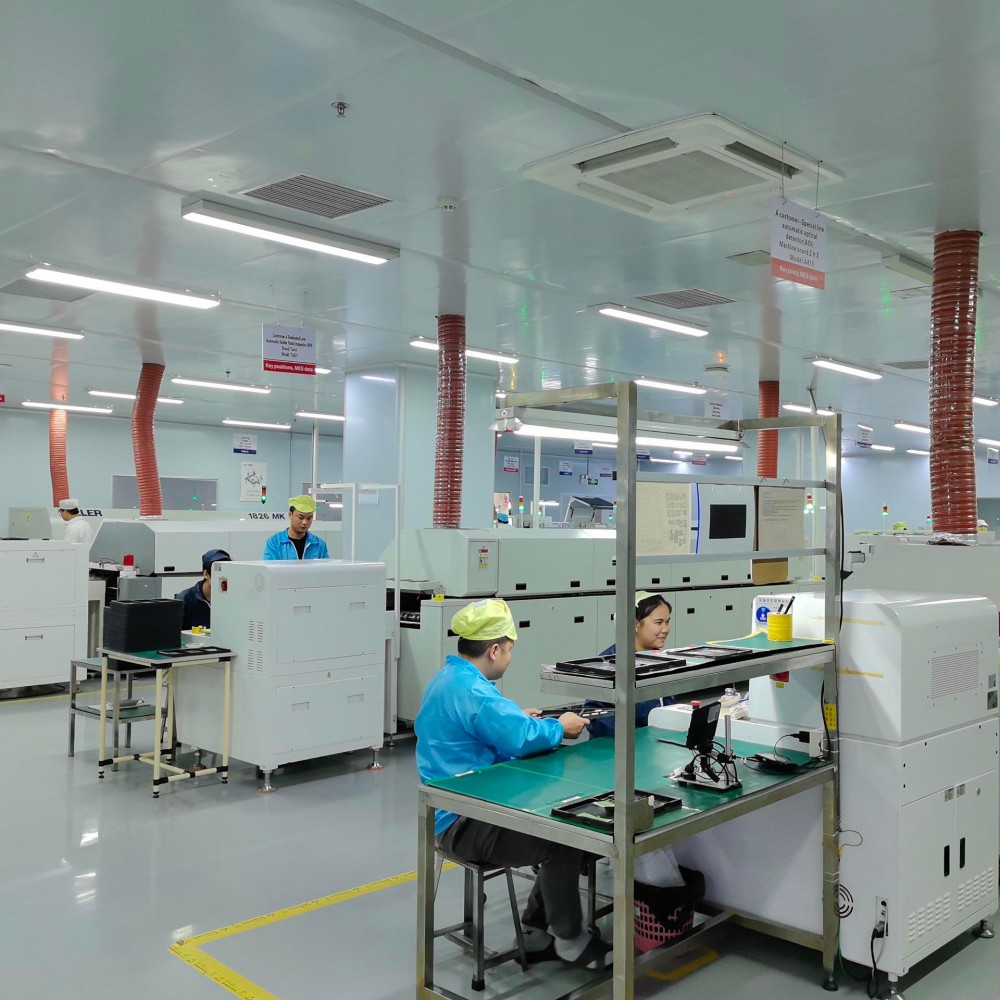
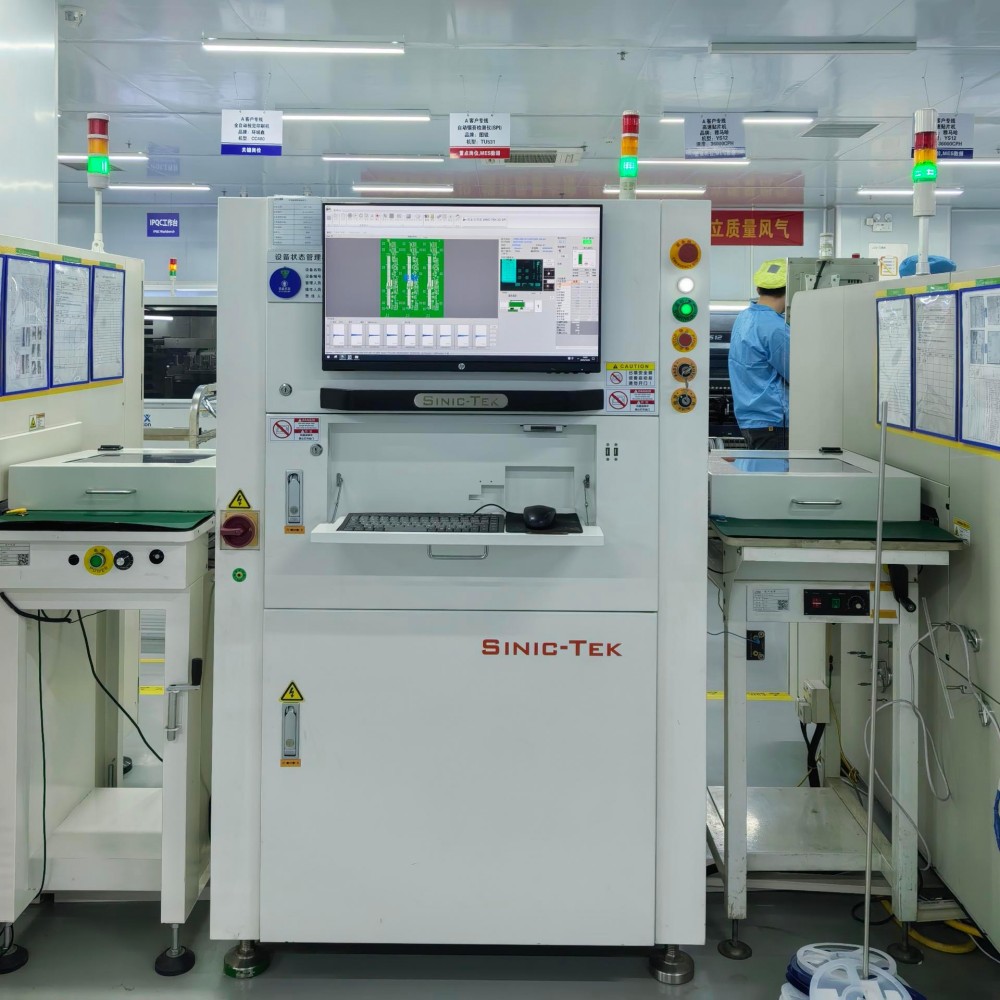
Quality reliability is verified through automated assembly and full process traceability. Across our Shenzhen (13,000 m²) and Dongguan (27,000 m²) production facilities, we run advanced Manufacturing Execution Systems (MES). Every single protection board is marked with a unique laser-etched matrix code. This enables complete tracing of components, from the specific wafer batch of the AFE integrated circuit to the SMT machine reflow profile. In the event of a field issue, we can isolate the batch instantly, limiting B2B liability and exposure.
Selecting a BMS partner requires assessing technical competence, manufacturing capacity, and supply chain security. Litongwei delivers on all three fronts:
Our combined factory floor space spans 40,000 square meters (Shenzhen: 13,000 m², Dongguan Huangjiang: 27,000 m²). We operate 24 high-speed pick-and-place machines and 12 PCBA production lines, outputting up to 15 million protection units per month to meet high-volume global demands.
Over the last five consecutive years, Litongwei has reinvested more than 10% of total annual sales revenue directly back into our R&D departments. This continuous funding fuels the development of intelligent BMS algorithms, active temperature-balancing circuitry, and high-current protection platforms.
With over 100 patents in circuit design, automation programming, and test systems, we offer robust IP cooperation. We work alongside our B2B customers to secure patent freedom-to-operate (FTO) in import markets, eliminating patent infringement risks.
B2B Sourcing, Technical Customization, and Regulatory Compliance Inquiries
 Litongwei Electronic