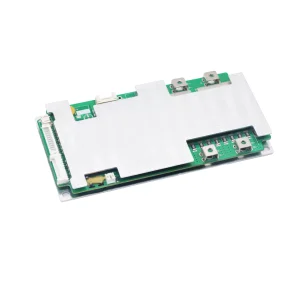
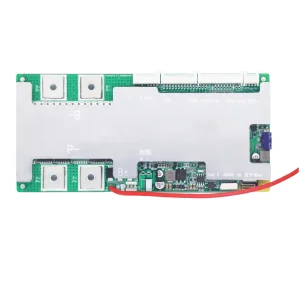
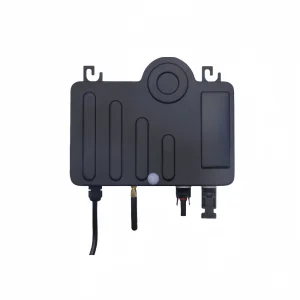
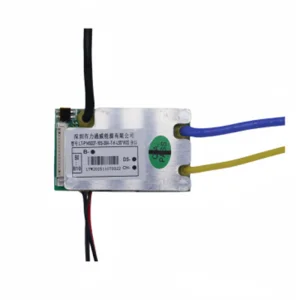
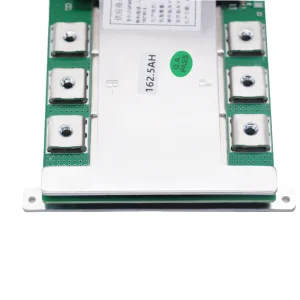
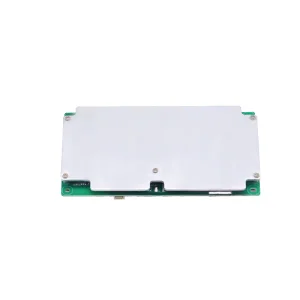
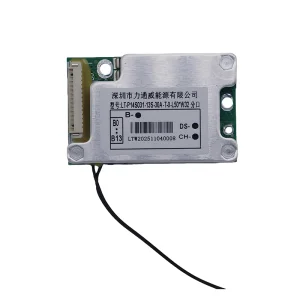
Explore our industrial-grade Battery Management Systems (BMS), high-efficiency micro-inverters, and smart control components designed to optimize cell lifecycle and protection.
In the global transition to decarbonized energy infrastructures, Lithium Iron Phosphate (LiFePO4 or LFP) battery technology has emerged as the premier chemistry for grid-scale energy storage, industrial traction, telecommunication backup power, and light electric transportation. The inherent thermal stability, extensive cycle life (often exceeding 4000 to 6000 cycles at 80% DOD), and eco-friendly raw material profile make it highly desirable. However, LFP cells exhibit a uniquely flat voltage discharge curve between 3.0V and 3.3V. This characteristic renders traditional voltage-based state-of-charge (SOC) calculation models obsolete, demanding highly precise, intelligent Battery Management Systems (BMS).
The global demand for high-capacity LFP packs is experiencing exponential growth, driven by key industrial sectors:
Shenzhen Litongwei Electronic Technology Co., Ltd. has developed specialized technology to resolve complex field problems associated with lithium batteries:
Our BMS boards utilize micro-controlled balancing architectures. By executing algorithms that measure internal resistance and voltage variance down to ±1mV, they distribute passive shunt currents or active cell equalization to prevent premature cell degradation.
Under freezing temperatures, lithium batteries cannot safely accept charge without suffering from lithium plating. Our 20S 120A and 200A models offer integrated intelligent heating configurations. When charging current is detected in sub-zero environments, the BMS diverts energy to heating pads first, raising the core battery pack temperature to safe levels before initiating the charge cycle.
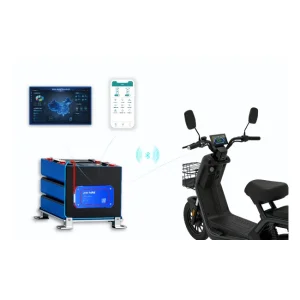
To enable real-time tracking, our designs incorporate Bluetooth BLE modules, external wired LCD/HMI displays, and industrial CAN 2.0B / RS485 systems. This allows configuration settings, alarm limits, and battery cycles to be monitored directly via proprietary mobile applications or unified central SCADA industrial control consoles.
A trusted global manufacturing partner of high-precision lithium safety systems and power components.
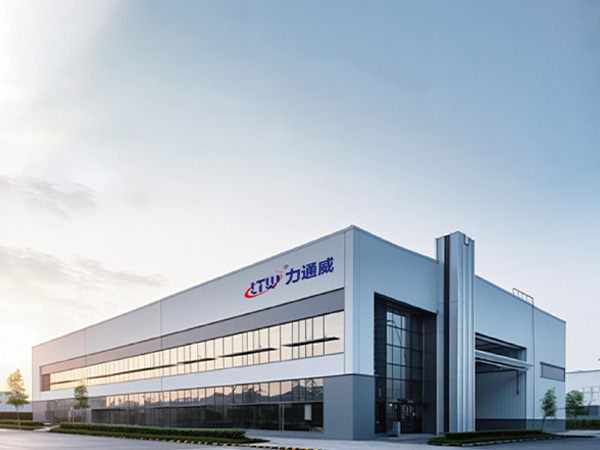
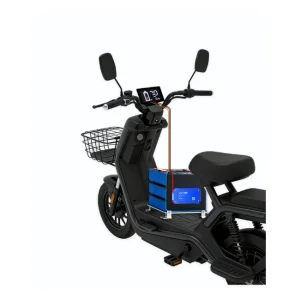
Established in 2005, Shenzhen Litongwei Electronic Technology Co., Ltd. is a national high-tech enterprise specializing in the R&D and manufacturing of lithium-ion safety control systems. Our products are widely used in 3C digital devices, electric scooters, bicycles, motorcycles, tricycles, golf carts, AGVs, drones, and power tools.
By choosing Litongwei, partners access our four core service pillars:

Technology-Driven Growth: In 2005, the company commenced R&D and manufacturing of digital Battery Management Systems (BMS). By 2006, it expanded into power battery management system development. ISO9001 certification was obtained in 2007, followed by ISO14001 certification in 2009.
Technological Advancement: The company secured 8 utility model and design patents in 2011, while expanding its mobile power bank manufacturing operations. The Litongwei Technology Research Institute was established in 2012. It received the Del New Energy Quality Excellence Award in 2014 and earned the Gold Partner title from Gaogong Lithium Battery in 2015.
Digital Transformation: The company upgraded its ISO 9001 and ISO14001 certifications in 2016, achieved IATF16949 certification in 2018, and implemented an MES system for warehouse automation. It was awarded the Guangdong Battery Industry Association Innovation Award in 2019 and recognized as a leading brand in lithium battery protection board technology for two-wheeled vehicles in 2020.
Smart Manufacturing+: Litongwei Electronics continues to innovate, deepening its technological expertise while embracing IoT and Industry 4.0. Through its Smart Manufacturing+ strategy, the company drives industrial transformation and upgrading.
Our operational capabilities match our theoretical expertise, ensuring high volume capability, technological edge, and reliable logistics.
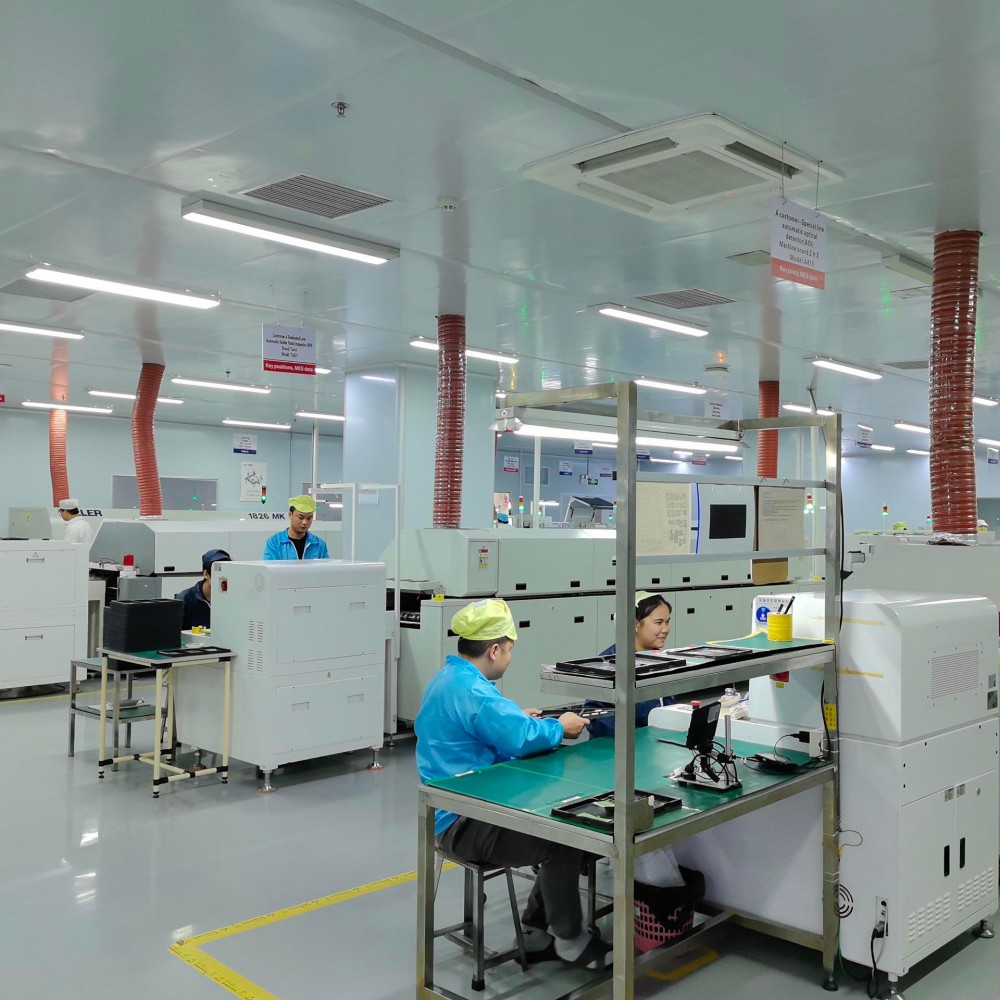
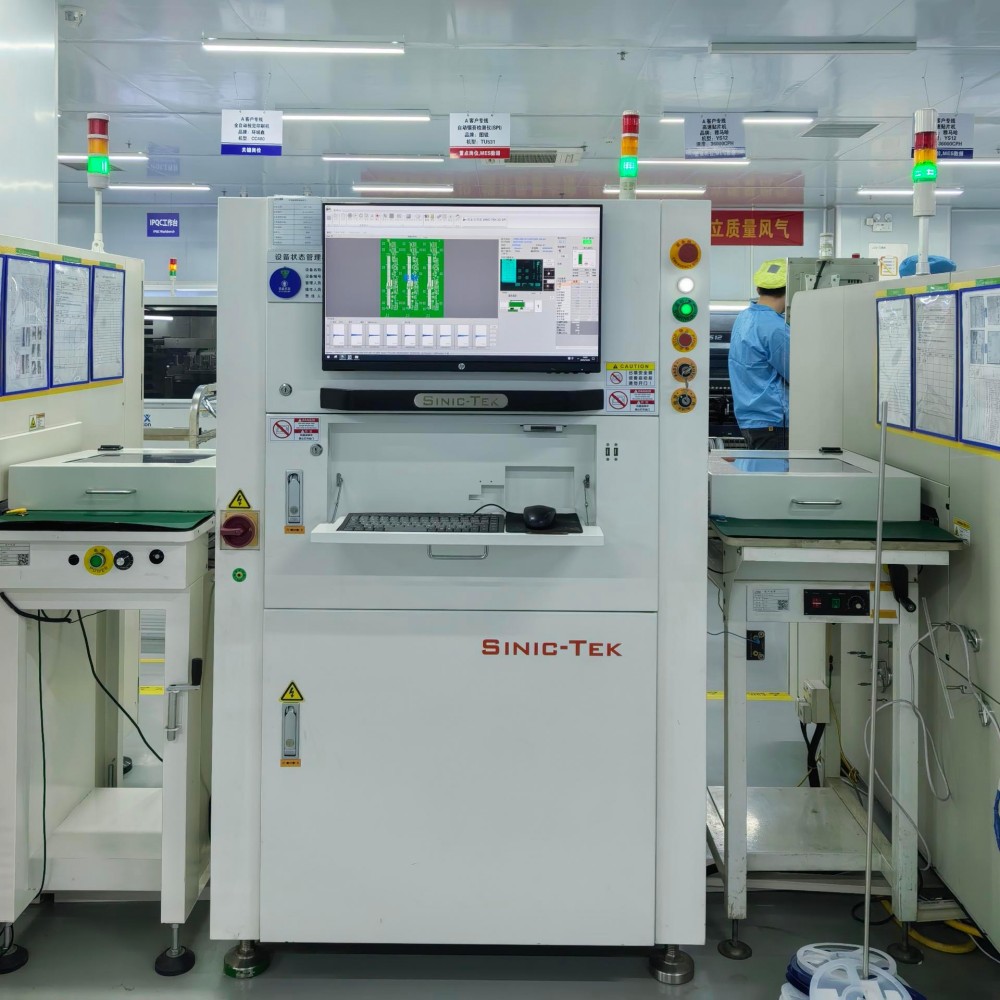
We operate 13,000 square meters of independent manufacturing space in Shenzhen, and 27,000 square meters in Dongguan Huangjiang. Equipped with 24 high-speed pick-and-place SMT machines and 12 fully automated PCBA lines, our monthly capacity exceeds 15 million control units.
We allocate over 10% of our annual gross sales revenue directly into our research and development programs year-on-year. This fuels the innovation cycle, allowing us to pioneer state-of-the-art battery protection technology.
We hold over 100 patents in the lithium-ion battery protection board industry, encompassing automated test systems, safety logic circuits, and dynamic balance configurations, ensuring our clients operate with a strong intellectual property moat.
Litongwei's partners include Huawei, Lenovo, Desay, Guoguang, Sunwoda, Eve Energy, Guoxuan High-tech, and other industry brand clients who have collaborated for many years.














As battery systems evolve from micro-scale cells to multi-megawatt containerized storage facilities, the demands on Battery Management Systems are escalating. Litongwei's forward-looking technology roadmap focuses on three main developments:
By shifting computational load from basic physical microcontrollers to localized edge computers and cloud systems, our next-generation systems analyze historical performance telemetry. Machine learning models analyze voltage recovery rates and cell heat outputs to predict micro-short circuits or cell failures before they occur, reducing risks for high-density applications.
Charging LiFePO4 batteries below 0°C (32°F) can cause permanent lithium plating, reducing cell safety and lifespan. Litongwei's intelligent heating boards automatically detect sub-zero temperatures and direct the incoming charging current to run thermal heating elements. Once the temperature reaches a safe threshold, the BMS enables charging. This enables operations in arctic climates, high-latitude telecom towers, and outdoor winter applications.
Connecting telemetry outputs directly to cloud platforms enables remote fleet diagnostics. Fleet managers, utility providers, and backup power operators can monitor voltage, charge levels, and safety indicators in real-time. Firmware updates and system parameters can be adjusted via OTA commands, eliminating the need for on-site diagnostic visits.
Answers to common technical, design, and regulatory compliance questions for engineers and purchasing managers.
Explore our wide-range product catalog, including high-amperage protection systems, communication display terminals, and outdoor power management modules.
 Litongwei Electronic