A deep dive into electrochemical balancing methodologies, thermodynamic efficiency, and microgrid integrations designed by industry-leading energy engineers.
In modern lithium-ion and lithium iron phosphate (LiFePO4) cell chemistry topologies, cell mismatch remains a fundamental thermodynamic challenge. Discrepancies in manufacturing tolerances, ambient thermal gradients, and differential aging lead to capacity variations across serial connections. Left unmanaged, these disparities precipitate localized over-voltage or under-voltage occurrences, diminishing overall pack capacity and accelerating thermal runaway risks. Battery Management System (BMS) Balancers mitigate these issues by redistributing charges across cells to ensure uniform potential profiles.
As premier BMS Balancer manufacturers, Litongwei Electronics employs rigorous active and passive cell-balancing methodologies. We integrate high-speed processing architectures with solid-state switches to shift balancing currents dynamically based on State-of-Charge (SOC) curves. By resolving cell impedance inequalities in real-time, our protection boards extend battery lifetime cycles by 25% to 40% and secure operating efficiency across extensive battery energy storage systems (BESS).
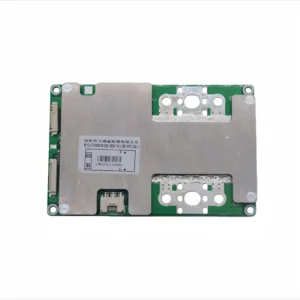
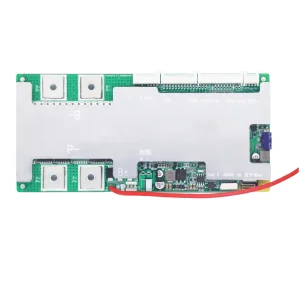
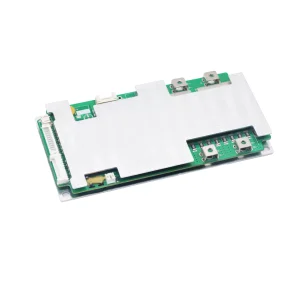
Cell balancing is categorized into passive and active balancing mechanisms. Passive balancing operates on a resistive dissipation method, discharging excess charge from higher-voltage cells through dynamic power resistors. This approach is highly reliable and cost-effective, ideal for small-to-medium-scale electric vehicle (LEV) battery protection and digital consumer devices. Passive layouts are integrated into configurations like our LTW 20S 100A Lithium Battery Protection Board with NTC.
Active balancing utilizes inductive, capacitive, or bidirectional flyback converter topologies to transfer energy from high-energy cells to lower-energy cells with minimal heat dissipation. This process achieves efficiencies exceeding 92%, making it ideal for high-capacity applications like commercial transport, industrial automated guided vehicles (AGVs), and grid-scale ESS where thermal generation must be kept to a minimum.
Engineered scales and quality control metrics serving leading electronics OEMs globally.
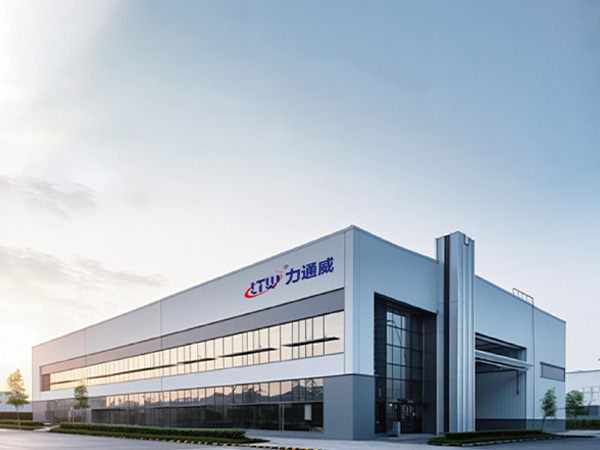
Established in 2005, Shenzhen Litongwei Electronic Technology Co., Ltd. is a national high-tech enterprise specializing in the R&D and manufacturing of lithium-ion safety control systems. Over two decades of industry operation, we have developed advanced technologies utilized in 3C digital devices, electric scooters, e-bicycles, electric motorcycles, utility golf carts, AGVs, unmanned aerial vehicles (drones), and heavy-duty power tools.
Our industrial value proposition is built upon four foundational pillars: intellectual property protection (collaborative patent frameworks to prevent market infringement), industry-standard shared boards (maximizing cost reduction and manufacturing efficiency), full-process traceability (comprehensive quality control records via MES systems), and remote maintenance (IoT cloud diagnostics platform support).
We have always adhered to the core philosophy of "Technology as King, Efficient Service" in all aspects of production and operations. Our vision is to become a leading global provider of intelligent green energy management solutions, driving environmental sustainability across diverse industries.

Tailored battery management solutions engineered for specific local market parameters and operating conditions.
Designed for two-wheelers, three-wheelers, and recreational golf carts. Our smart BMS protects batteries in extreme urban environments, providing real-time Bluetooth diagnostics and intelligent thermal management (heating features) during low-temperature charging cycles.
Automated Guided Vehicles operating continuously in logistics hubs require swift charging and deep discharge cycles. Our active balancers manage intense charging current fluxes, preventing premature cell capacity degradation and reducing maintenance downtime.
High-voltage battery arrays require multi-tier BMS architectures. We integrate CAN/RS485 and Bluetooth protocols to bridge cluster balances with central SCADA platforms, providing remote telemetry and preventative cell shutdown options.
How we are shaping the future of smart energy management and next-generation battery architectures.
Integrating high-efficiency ARM Cortex-M processors directly onto the BMS board to perform real-time Extended Kalman Filtering (EKF) for State of Charge (SOC) computation, achieving an error limit below 1%.
Developing transformer-based multi-winding active balancing networks capable of delivering up to 5A balancing currents, cutting energy loss by 80% compared to resistive passive layouts.
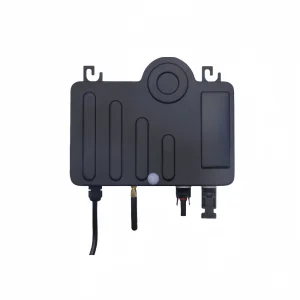
Implementing cellular/NB-IoT modules that stream cell telemetry to predictive maintenance clouds. Machine learning algorithms analyze historical drift curves to forecast cell failure weeks in advance.
Adapting our BMS topologies to handle solid-state battery charge curves, featuring ultra-precise voltage detection networks designed to regulate rapid micro-second charging bursts.
Decades of technical innovation and scale milestones in smart power management systems.
Commenced development and manufacture of digital Battery Management Systems (BMS) in 2005. Expanded into power battery management system developments by 2006. Secured ISO9001 certification in 2007 and ISO14001 certification in 2009.
Secured 8 utility model and design patents in 2011 while expanding mobile power bank manufacturing operations. Established the Litongwei Technology Research Institute in 2012. Honored with the Del New Energy Quality Excellence Award in 2014 and named Gold Partner by Gaogong Lithium Battery in 2015.
Upgraded ISO9001 and ISO14001 structures in 2016. Attained IATF16949 automotive certification in 2018 and integrated full-process MES systems for warehouse and assembly line automation. Awarded the Guangdong Battery Industry Association Innovation Award in 2019.
Deepening technology integration with cloud platforms and IoT structures. Transitioning lines to fully automated smart production setups, sustaining high product consistency and delivery performance for global clients.
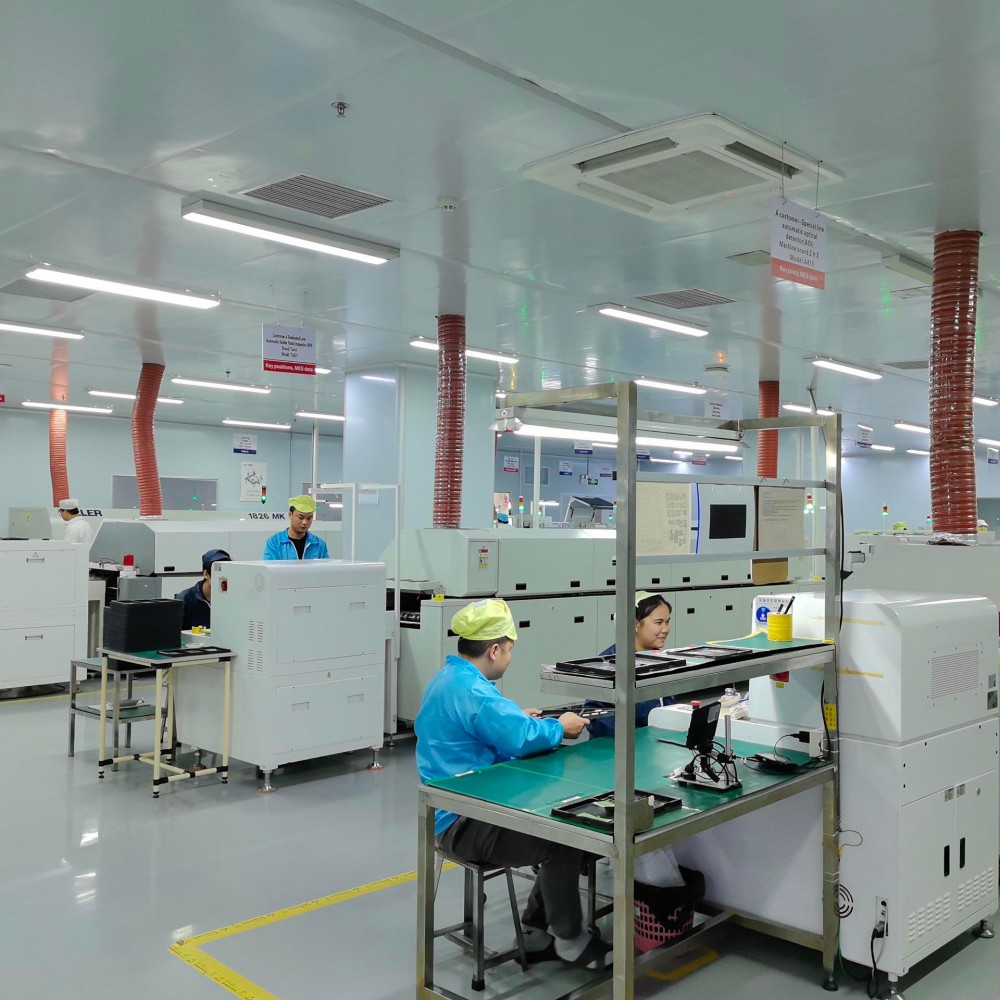
Our manufacturing infrastructure is split between two primary industrial centers in South China: our 13,000 square meter facility in Shenzhen and our 27,000 square meter manufacturing base in Dongguan. This geographical footprint places us at the center of the global electronics component supply chain, ensuring rapid access to semiconductors, passives, and raw materials.
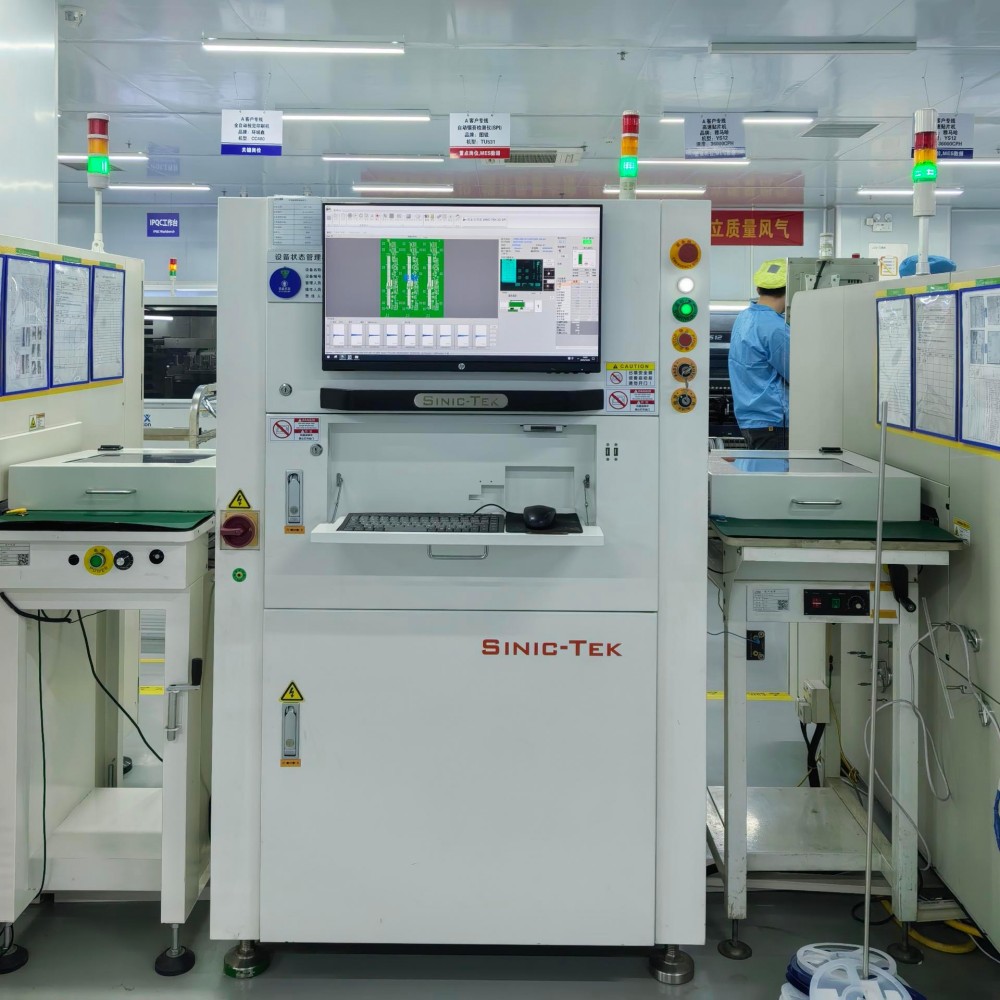
Operating 24 advanced, high-speed SMT assembly lines and 12 dedicated PCBA production lines, we mitigate manufacturing bottlenecks. Our production processes are managed under strict automotive quality standards. Key inspection procedures include:
We build long-term relationships with leading electronics and green energy enterprises globally.








Technical details and support inquiries regarding our BMS systems.
Passive balancing dissipates excess energy from high-voltage cells as heat through a power resistor. Active balancing transfers charge from higher-energy cells to lower-energy cells using inductive or capacitive energy storage circuits, improving system efficiency and reducing heat.
Our BMS boards feature Negative Temperature Coefficient (NTC) thermistors located near critical cell clusters and switching transistors. If temperatures exceed predefined parameters, the BMS adjusts charge currents or shuts down balancing circuits to prevent thermal runaway.
Yes. Many of our models (e.g., LTW 23S 60A and LTW 20S 200A systems) include native CAN and RS485 communication protocols for integration with electric drivetrains or solar inverters, alongside Bluetooth modules for real-time mobile app telemetry.
Our production processes are certified to IATF16949, ISO9001, and ISO14001 standards. Our product families comply with CE, RoHS, and REACH guidelines, with custom variants engineered to meet UL1973 and UL9540A requirements.
For cold-weather markets, our custom boards route charging current to heat pads when internal temperatures drop below 0°C. Once the battery pack warms to safe operating thresholds, the BMS enables charging cycles, preventing damage from low-temperature lithium plating.
We offer custom patent collaboration frameworks and exclusive manufacturing agreements, guaranteeing that custom firmware configurations and physical designs remain protected under intellectual property agreements.

 Litongwei Electronic