Explore our premium range of lithium battery protection boards, smart micro-inverters, and power safety components designed for global industries.
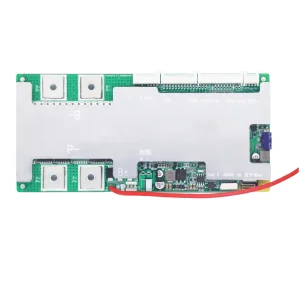
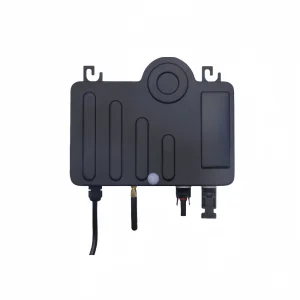
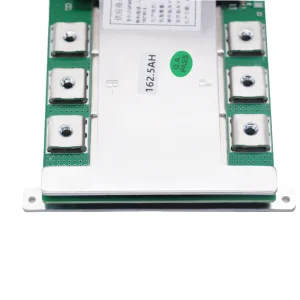
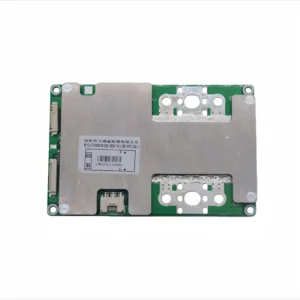
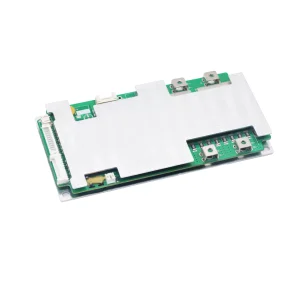
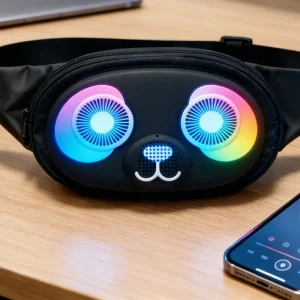
Shenzhen Litongwei Electronic Technology Co., Ltd. (established in 2005) is a globally recognized national high-tech enterprise dedicated to the research, development, and advanced manufacturing of lithium-ion safety control systems. Over nearly two decades, we have engineered custom BMS technologies that form the vital brain of power and energy systems globally.
Our comprehensive solutions cater to diverse sectors, including 3C digital electronics, light electric vehicles (electric scooters, bicycles, motorcycles, tricycles), heavy-duty commercial equipment (golf carts, AGVs), industrial drones, and portable power tools. By focusing on intellectual property protection, cost-efficient shared board platforms, comprehensive quality traceability, and remote cloud platform diagnostics, we resolve the multi-layered technical and operational bottlenecks faced by global OEMs and system integrators.
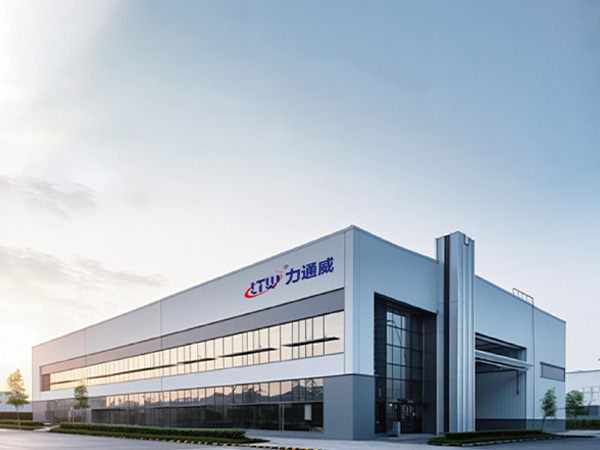
A continuous journey of technological upgrades, scale expansions, and quality management standardizations.
Commenced R&D of digital BMS in 2005. Initiated power battery system architectures in 2006. Secured ISO9001 quality system certification in 2007, followed by ISO14001 environmental standard in 2009.
Obtained 8 utility and design patents in 2011. Formally established the Litongwei Technology Research Institute in 2012. Honored with Gaogong Lithium Battery Gold Partner status in 2015.
Upgraded to key quality management structures. Achieved IATF16949 automotive standard in 2018. Integrated automated MES manufacturing systems. Recognized as a market-leading BMS brand in 2020.
Embraced Industry 4.0 smart plant infrastructure, cloud-connected IoT monitoring systems, active cell balancing innovations, and large-scale global green energy solutions.
How Litongwei is driving the next generation of battery management system engineering for high-safety and long-lifecycle applications.
Traditional algorithms rely on basic voltage lookups and coulomb counting. Our next-generation R&D features localized neural networks running on edge microcontrollers. This allows precise State of Charge (SOC), State of Health (SOH), and State of Power (SOP) estimations, limiting drift errors to less than 1.5% under extreme hot and cold conditions.
While passive balancing dissipates excess energy as waste heat, our active balancing roadmap shifts current dynamically from higher-charged cells to lower-charged cells. Operating up to 5A balancing currents, this technology recovers up to 12% in runtime for aging battery packs, reducing thermal signatures significantly.
By connecting Bluetooth, CAN, RS485, and 4G/5G modules directly to cloud telemetry, our BMS architectures record real-time temperature profiles, discharge curves, and charge histories. System integrators can remotely isolate malfunctioning cells and upgrade firmware via over-the-air (OTA) portals, reducing field maintenance costs by 65%.
Tailor-made BMS platforms matching the exact electrical and regulatory demands of modern industries.
| Application Sector | Technical Challenge Solved | BMS Engineering Blueprint | System Integration Protocols |
|---|---|---|---|
| 3C Consumer Products | Extreme space restrictions & micro-current standby performance. | Ultra-thin PCB layouts, high-precision NTC thermistors, sub-μA sleep current draw. | I2C, SMBus interfaces. |
| Light Electric Vehicles (LEV) | Dynamic regenerative braking currents, vibrations, and high peak loads. | Anti-vibration MOS brackets, transient current absorption, IP67 ruggedized housing. | CAN, Bluetooth, RS485. |
| Industrial AGVs & Robotics | Continuous operation cycles, heavy rapid-charging, and automated control. | High-current configurations (up to 300A sustained), active balancing, SOC display outputs. | Modbus, CANopen, Custom RS485. |
| Residential Energy Storage | High voltage stack safety, solar micro-inverter coupling, and long shelf life. | Multi-cell monitoring up to 24S (and cascading master-slave systems), grid-tie communication. | CAN, Ethernet, Wi-Fi. |
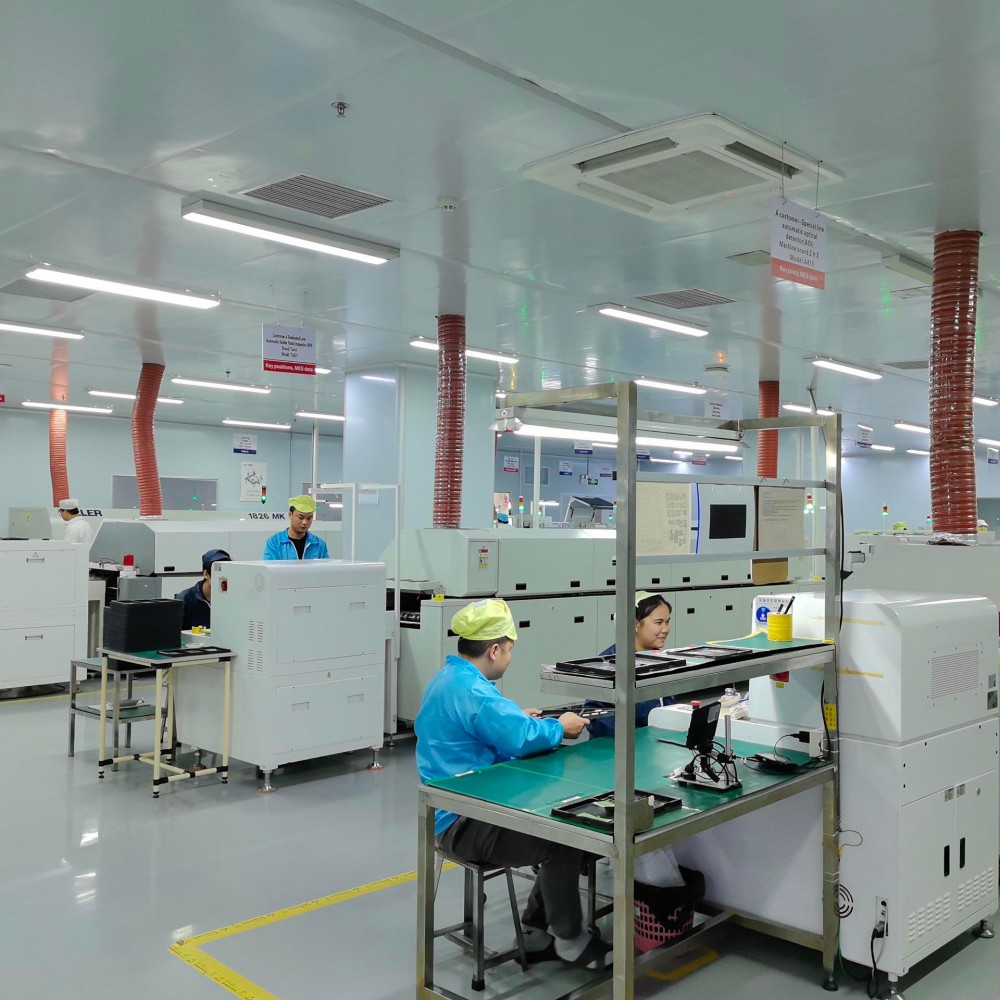
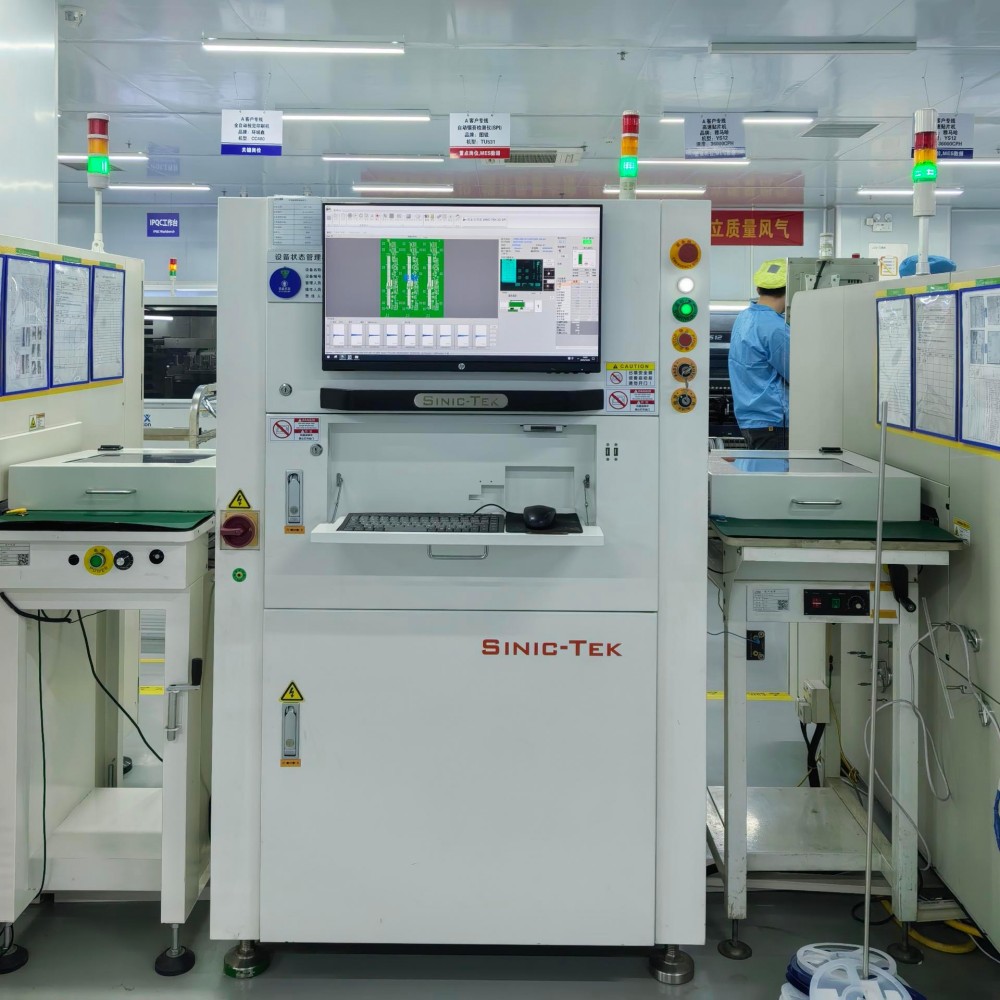

Litongwei operates two key manufacturing complexes: our Shenzhen headquarters spans 13,000 square meters of high-density production and design space, while our Dongguan Huangjiang campus provides another 27,000 square meters of heavy-duty fabrication area.
Equipped with 24 advanced high-speed automated placement machines (SMT lines) and 12 modular PCBA processing systems, we maintain a production throughput exceeding 15 million units per month. Our MES (Manufacturing Execution System) provides granular component-level tracking from raw silicon down to final shipment modules. This robust ecosystem ensures consistent product quality, stable raw materials procurement, and reliable delivery, even during global component crunches.
By optimizing board architectures, we offer standardized board configurations that lower design hurdles and bill-of-materials (BOM) costs by up to 25%, while retaining flexibility for custom modifications.
Addressing the stringent engineering, legal, and commercial needs of international volume buyers.
Entering international markets demands clean compliance documentation. We collaborate with clients to prevent patent infringements, secure custom IP filings, and provide indemnity documentation, ensuring your products can clear global import regulations smoothly.
Through barcode identification systems mapped to our MES, every resistor, diode, and microcontroller on your BMS is traceable to its original manufacturer batch. This ensures rapid root-cause isolation in the rare event of site anomalies.
Industrial battery systems require support periods of 5 to 10 years. We establish long-term sourcing arrangements with key IC manufacturers (such as TI, NXP, and STMicroelectronics) to guarantee component supply and avoid unplanned board redesigns.
Our global engineering group supports localized integration across Europe, North America, and Southeast Asia. We supply comprehensive localized API documentation, system integration tools, and multilingual SDKs for custom software development.
Litongwei BMS products are engineered in compliance with key international standards: IATF 16949 for automotive systems, ISO 9001 for quality assurance, and ISO 14001 for environmental management. Additionally, our boards conform to CE, FCC, RoHS, and REACH requirements, providing global OEMs with a fast track to market certification.
Over 10% of our annual revenue is reinvested back into research and development. Holding over 100 patents in battery management algorithms, circuit automation, and safety testing programs, we provide the technical foundation to protect your brand reputation and ensure long-term system safety.
We work closely with global industry leaders to supply reliable BMS technology and scale energy infrastructure.













Collaborating brands include Huawei, Lenovo, Desay, Guoguang, Sunwoda, Eve Energy, Guoxuan High-tech, and other leading global power management corporations.
Direct technical answers from our engineering group to help you evaluate quality and performance benchmarks.
Passive balancing bleeds off excess charge from high-voltage cells as heat via shunt resistors. It is cost-effective but wastes energy. Active balancing uses charge shuttles (capacitive or inductive) to transfer charge dynamically to weaker cells. This improves cell consistency, runs cooler, and maximizes battery pack capacity and service life.
Our BMS employs high-precision analog front-ends (AFEs) that monitor cell voltage and temperature. Multiple NTC thermistor inputs verify cell and board conditions. If any cell exceeds over-voltage, under-voltage, or thermal limits, the hardware shuts down the high-power MOSFETs within microseconds to isolate the pack.
Our smart BMS models support CAN bus, RS485, Modbus, I2C, and UART interfaces. Bluetooth 5.0 allows monitoring via iOS and Android apps, while our cellular modules support cloud-connected diagnostics.
Yes. We specialize in custom BMS layouts for Lithium Iron Phosphate (LiFePO4), Lithium Cobalt Oxide (LiCoO2), Lithium Manganese Oxide (LiMn2O4), and ternary Lithium (NMC) configurations, ranging from 3S up to 24S and beyond.
Our facilities are certified to the IATF 16949 automotive standard, ISO 9001 (Quality Management), and ISO 14001 (Environmental Management) standards. Every production run undergoes automated optical inspection (AOI) and comprehensive functional testing.
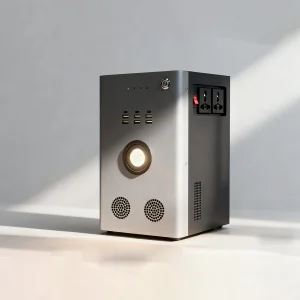
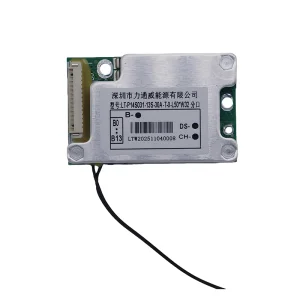
Explore our secondary lineup of micro-inverters, portable power storage control units, and customized protection modules.
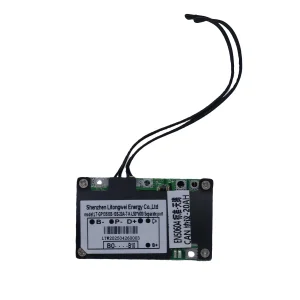
 Litongwei Electronic