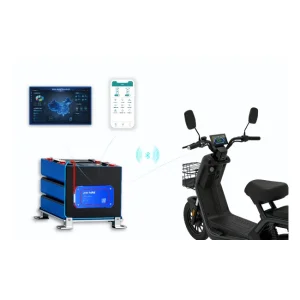
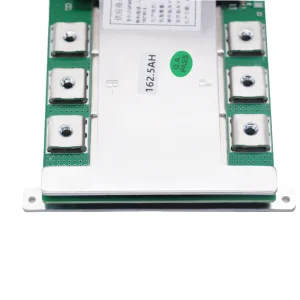
Direct from our specialized PCBA production lines, featuring low-power design, robust communication options, and state-of-the-art protections.
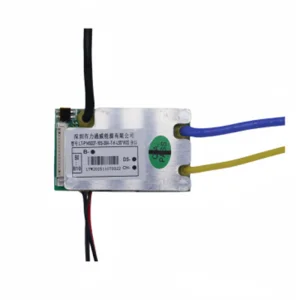
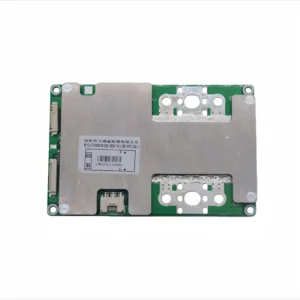
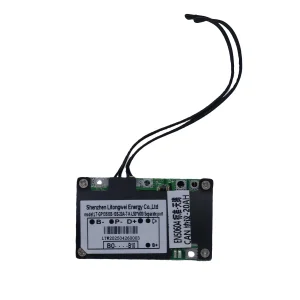
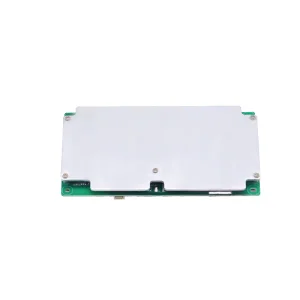
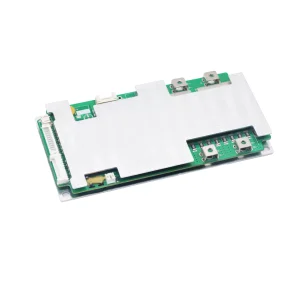
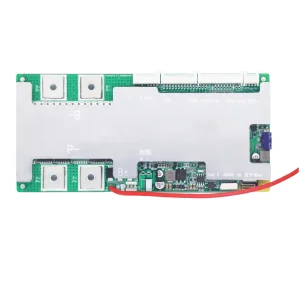
The global energy landscape is undergoing a monumental transition toward electrification, placing high-performance **Battery Management Systems (BMS)** at the epicenter of technological progress. As critical nodes in lithium-ion and lithium iron phosphate (LiFePO4) battery packs, BMS circuit boards ensure electrical safety, maximize life expectancy, and manage energy efficiency across micro-mobility, light electric vehicles (LEVs), portable energy storage, and industrial equipment markets.
Internationally, the demand for **wholesale BMS circuit boards** has grown exponentially. Companies are no longer looking for basic analog cut-off switches. Instead, modern buyers require smart, communication-capable boards featuring integrated protocols (CAN, Bluetooth, RS485) and cloud-connected diagnostics to comply with rigorous regional standards such as Europe’s Battery Passport and UL safety guidelines in North America.
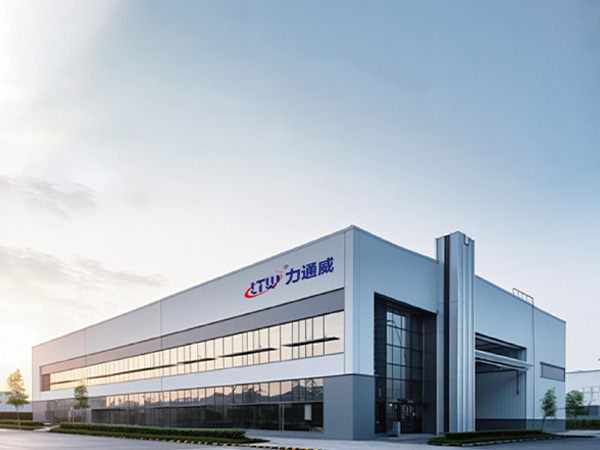
Established in 2005, Litongwei has evolved into a premier national high-tech enterprise specializing in the research, development, and manufacturing of state-of-the-art lithium-ion safety control systems.
With nearly two decades of dedicated R&D, our products have become structural backbones in 3C digital devices, electric scooters, e-bikes, motorcycles, tricycles, golf carts, automated guided vehicles (AGVs), drones, and professional power tools.
We solve the ultimate industry pain points through key solutions:
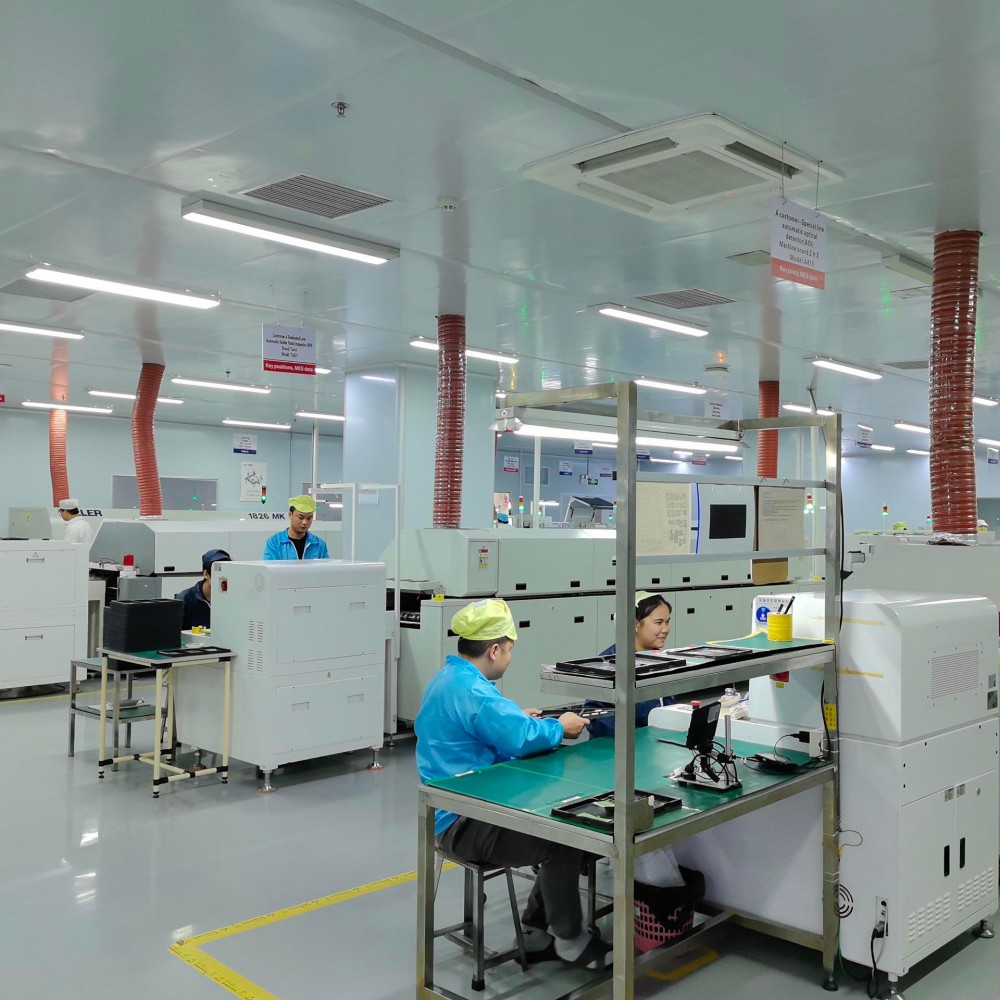
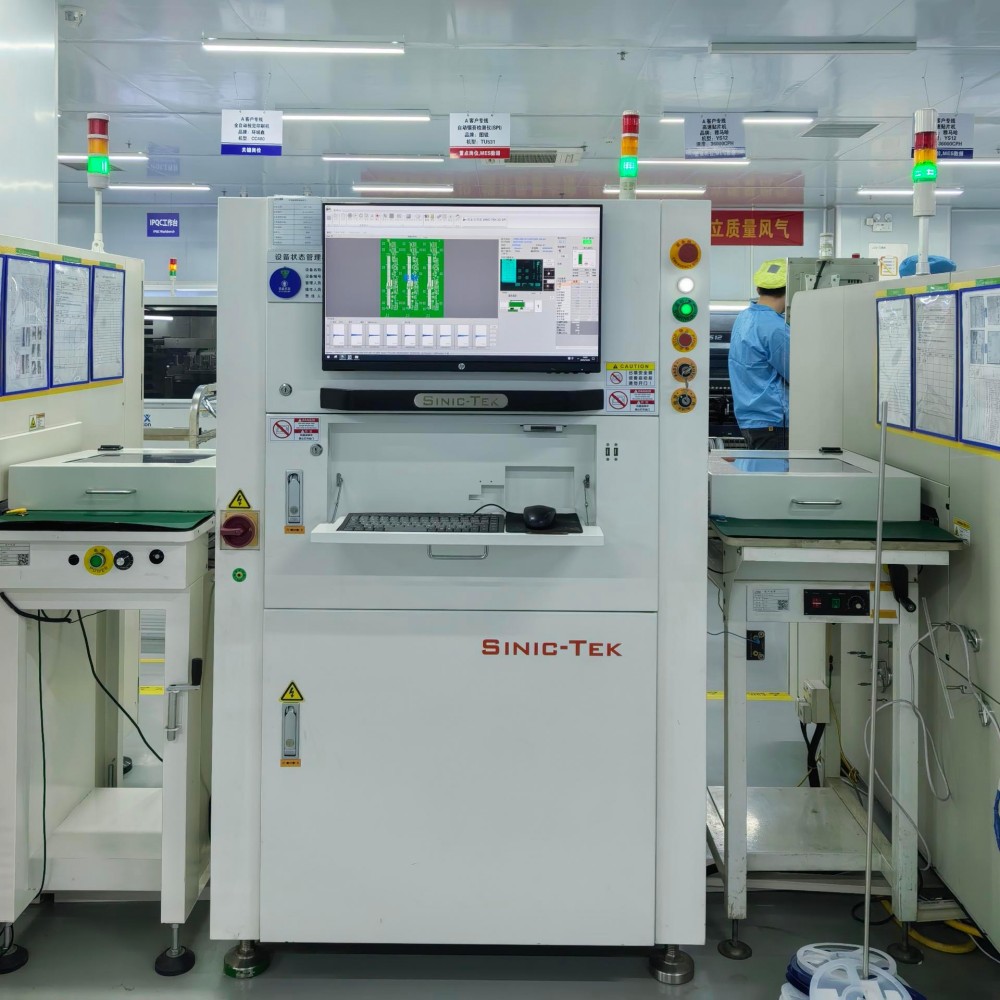

From a specialized R&D team to a smart manufacturing giant, discover how we became a benchmark for high-quality wholesale BMS circuit board manufacturing.
In 2005, Litongwei commenced dedicated R&D and production of digital Battery Management Systems. We expanded into high-power pack management systems by 2006, acquiring ISO9001 certification in 2007 and ISO14001 environmental compliance in 2009.
We secured 8 utility model and design patents in 2011, establishing the Litongwei Technology Research Institute in 2012 to explore high-current smart balancing boards. Received the Del New Energy Quality Excellence Award in 2014 and earned the coveted Gold Partner status from Gaogong Lithium Battery in 2015.
We upgraded our ISO standards in 2016, achieved IATF16949 automotive certification in 2018, and deployed our proprietary MES system for total warehouse automation. Awarded the Guangdong Battery Industry Association Innovation Award in 2019, followed by industry leadership recognition in light electric vehicle protection boards in 2020.
Litongwei Electronics continues to pioneer Industry 4.0 paradigms. We have integrated Bluetooth, GPS, and CAN communications into our intelligent BMS configurations, driving regional and global industrial transformations via intelligent web-connected energy storage diagnostics.
Litongwei's industrial footprint combines localized manufacturing efficiency with automotive-grade quality standards, ensuring highly competitive lead times and costs.
We operate over 13,000 square meters of independent manufacturing space in Shenzhen, augmented by an additional 27,000 square meters in Huangjiang, Dongguan. This dual-facility layout maximizes operational redundancy and production agility.
Equipped with 24 high-speed pick-and-place component mounters and 12 complete PCBA production lines, our monthly throughput surpasses 15 million units. This high-density automation minimizes placement errors and optimizes unit economics.
Litongwei consistently reinvests over 10% of annual revenue directly into internal R&D programs. This allows us to continuously optimize active/passive balancing algorithms, low-power sleep states, and thermal management architectures.
From light traction transport in urban hubs to intelligent residential energy grids, Litongwei BMS systems are engineered for diverse operating environments.
E-scooters, electric delivery bicycles, and delivery tricycles demand rugged boards that resist mechanical vibration, road shock, and direct moisture ingress. Our 10S to 20S configurations feature robust conformal coatings and NTC sensors to monitor cell heat during fast discharge cycles.
Autonomous Guided Vehicles require continuous cycle times, predictive health monitoring, and fast-charging compliance. Litongwei's smart BMS systems feature CAN bus and RS485 communication protocols, sending real-time state of charge (SOC) data directly to the central fleet management hub.
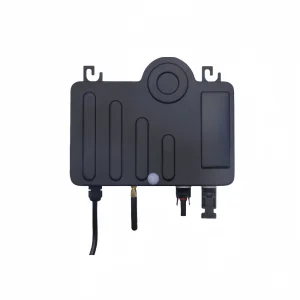
Paired with solar micro-inverters, home energy storage requires precise voltage balancing across multiple battery banks. Our high-voltage BMS systems are designed for high stability, protecting cells against long-term thermal runaway and enabling seamless interaction with hybrid solar inverters.
The global BMS industry is moving away from basic, passive circuit protection boards. The future is defined by software integration, active safety protocols, and IoT connectivity:
Litongwei maintains long-term engineering and supply partnerships with global technology leaders and domestic cell manufacturing heavyweights:





Professional purchasing departments prioritize design safety, component traceability, and supply chain security over low prices alone.
Every battery pack geometry and thermal environment is unique. A reliable manufacturer must offer highly customizable PCB sizes, adjustable overcurrent limits, and modular software features that can be programmed after physical production.
Counterfeit ICs and low-grade MOSFETs lead to thermal failure in the field. B2B buyers must demand full material declarations, automotive-grade analog front-ends (AFE), and component-level traceability through MES scan systems.
BMS boards must undergo rigorous validation, including high-temperature aging tests, thermal shock testing, vibration testing, and electromagnetic compatibility (EMC) evaluations, ensuring swift regional certifications like CE, FCC, and UL.
Practical insights from our engineering department to help you make informed decisions when purchasing wholesale BMS circuit boards.
Passive balancing dissipates excess energy from high-voltage cells as heat through bleeding resistors, which is cost-effective but generates thermal load. Active balancing transfers charge from higher-voltage cells to lower-voltage cells dynamically, reducing heat generation and preserving battery life.
IATF 16949 is a rigorous automotive quality management standard. It demands zero-defect targets, strict process control, continuous optimization, and absolute traceability of components, ensuring high reliability under extreme vehicle operating conditions.
We cooperate with global patent networks and conduct thorough design searches before production. We license clean-room components and collaborate on design-around options to ensure that all exported hardware is legally compliant worldwide.
We support CAN communication for automotive and industrial machinery integration, Bluetooth for mobile app monitoring and display screens, RS485 for stationary battery banks, and UART/SMBus for custom consumer electronics configurations.
Yes. In our smart BMS range (equipped with Bluetooth, UART, or CAN interfaces), parameters such as overvoltage limits, overcurrent thresholds, and thermal shutdown points can be reprogrammed via software without redesigning the PCB.
Discover high-capacity Bluetooth-enabled modules, smart display panels, and high-efficiency micro-inverters for complete system integration.

 Litongwei Electronic