Explore our premium selection of micro-inverters, intelligent protection boards, and custom power bank products engineered for optimal safety.
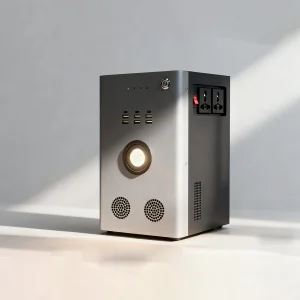
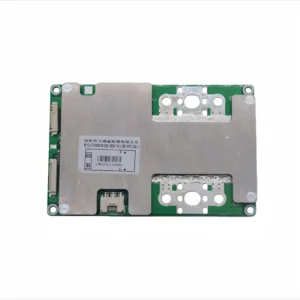
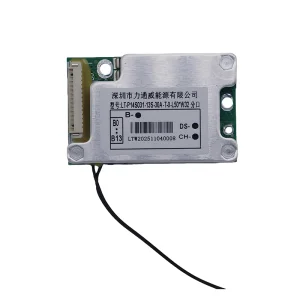
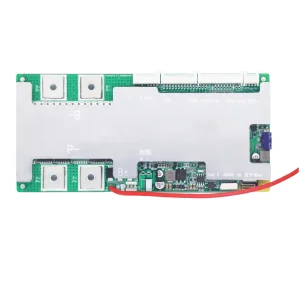
Lithium Iron Phosphate (LiFePO4) has emerged as the premier chemistry for safe, high-cycle battery applications. The 4S configuration (four series cells) operates at a nominal voltage of 12.8V, establishing a seamless functional parity with traditional lead-acid systems. However, to transition safely, an advanced battery management system is critical.
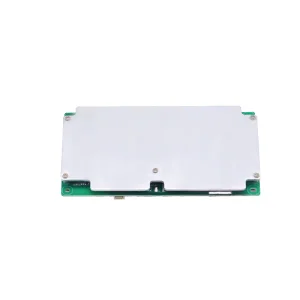
At Shenzhen Litongwei Electronic Technology Co., Ltd., our 4S 30A 12V BMS acts as the intelligent CPU of your battery pack. Balancing and monitoring cells in real-time, the system protects against the operational limitations of chemistry, preventing overcharge, over-discharge, high currents, and thermal spikes. By deploying high-accuracy ICs and custom power-path topologies, we deliver an industrial-grade solution designed for continuous 30A current handling, with peaking capacity optimized for high-startup motor loads.
Whether sourcing standard shared boards to compress time-to-market or commissioning custom layouts to mitigate mechanical constraints, our R&D team leverages 18+ years of structural experience to protect your systems.
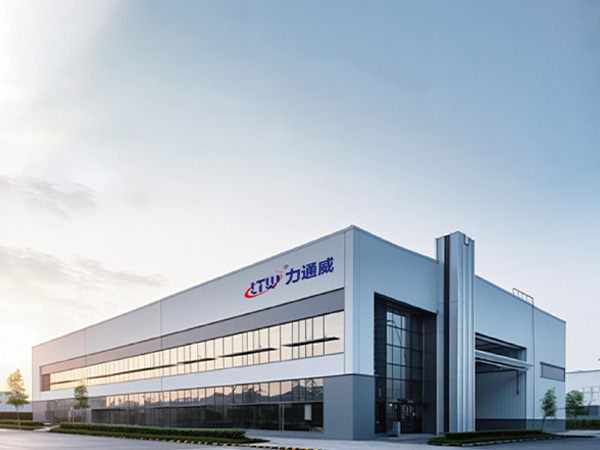
Our 4S 30A 12V battery protection boards are constructed using automotive-grade components designed to perform under demanding conditions.
Integrated passive cell balancing ensures all four cells reach charge equilibrium. By shunting current away from fully charged cells, the system maximizes usable capacity and increases pack lifespan by up to 35%.
Equipped with highly accurate NTC thermistors, the BMS monitors cell temperature and power board heat, initiating automated shutdowns before critical thermal thresholds are reached.
Optimized power consumption paths reduce self-discharge rates to the micro-ampere level, preventing battery depletion and damage during long-term storage.
| Functional Parameter | Standard Rating (4S 12V 30A) | Industrial Modification Margins |
|---|---|---|
| Continuous Discharge Current | 30 Amperes | Scalable up to 50A with supplementary heatsinks |
| Over-Charge Protection Voltage | 3.65V ± 0.025V (per cell) | Configurable from 3.60V to 3.75V |
| Over-Discharge Protection Voltage | 2.50V ± 0.05V (per cell) | Adjustable down to 2.00V based on cell model |
| Over-Current Detection Threshold | 90A ± 10A for ≤ 10ms | Customizable to support high capacitive loads |
| Short Circuit Protection Delay | 250 μs to 500 μs | Automatic release or charger reconnection recovery |
| Balance Current & Start Voltage | 35mA to 50mA @ 3.45V | Support for higher current external balancing boards |
Understanding how the 4S 30A BMS is driving industrial modernization, localized compliance, and global electrification projects.
Worldwide solar infrastructure relies on 12V LiFePO4 batteries for remote systems, solar street lighting, and environmental sensors. The 30A BMS manages variable charging cycles from solar charge controllers while protecting the storage pack.
Global cellular networks and data nodes require reliable backups. Operating at 12V, 4S LiFePO4 packs replaced unstable lead-acid configurations. Our BMS keeps cell health visible to automated network monitors.
RVs, yachts, and electric motors operate on a 12V DC standard. The 4S 30A BMS provides reliable charge distribution, short-circuit protection, and salt-fog resistant conformal coatings for marine environments.
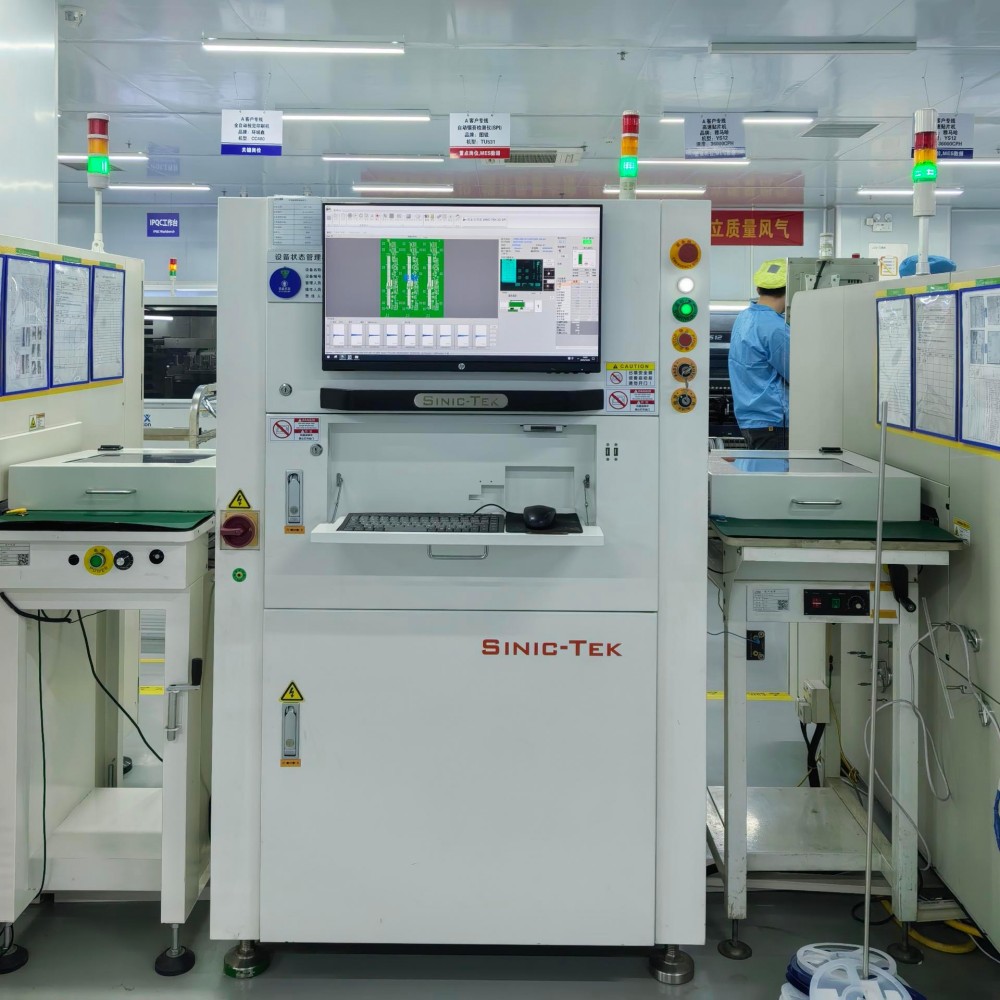
Established in 2005, Shenzhen Litongwei Electronic Technology Co., Ltd. is a national high-tech enterprise specializing in the R&D and manufacturing of lithium-ion safety control systems. Over nearly two decades, our products have been widely integrated into 3C digital devices, electric scooters, bicycles, motorcycles, tricycles, golf carts, AGVs, drones, and power tools.
We deliver intellectual property protection (patent collaboration to prevent infringement), industry-standard shared boards (cost reduction and efficiency improvement), full-process traceability (quality control), and remote maintenance (cloud platform support) to help you address technical, cost, and operational challenges. By choosing us, you'll receive top-tier products and services. Litongwei is committed to collaborating with you to build a brighter future together.
Corporate Vision: LITONGWEI has always adhered to the philosophy of "Technology as King, Efficient Service" in all aspects of production and operations. Our vision is to become a provider of intelligent green energy management solutions, embracing environmental sustainability. Start with LITONGWEI!
Our manufacturing footprint and engineering investments support high-volume global distribution and custom OEM orders.
A timeline of innovation, growth, and certified performance in battery protection technology.
In 2005, the company commenced R&D and manufacturing of digital Battery Management Systems (BMS). By 2006, it expanded into power battery management system development. ISO9001 certification was obtained in 2007, followed by ISO14001 certification in 2009.
The company secured 8 utility model and design patents in 2011, while expanding its mobile power bank manufacturing operations. The Litongwei Technology Research Institute was established in 2012. It received the Del New Energy Quality Excellence Award in 2014 and earned the Gold Partner title from Gaogong Lithium Battery in 2015.
The company upgraded its ISO 9001 and ISO14001 certifications in 2016, achieved IATF16949 certification in 2018, and implemented an MES system for warehouse automation. It was awarded the Guangdong Battery Industry Association Innovation Award in 2019 and recognized as a leading brand in lithium battery protection board technology for two-wheeled vehicles in 2020.
Litongwei Electronics continues to innovate, deepening its technological expertise while embracing IoT and Industry 4.0. Through its Smart Manufacturing+ strategy, the company drives industrial transformation and upgrading.
Our client portfolio includes industry-leading brands that trust Litongwei for reliability and safe battery control systems.
Litongwei's partners include Huawei, Lenovo, Desay, Guoguang, Sunwoda, Eve Energy, Guoxuan High-tech, and other industry brand clients who have collaborated for many years.







Our R&D is focused on next-generation energy management interfaces and cloud integration.
Future energy networks require connected components. We are integrating Bluetooth, CANbus, RS485, and Narrowband IoT (NB-IoT) modems directly onto our BMS protection boards. This enables fleet operators to monitor cell status, cycle counts, and historical temperatures remotely through our proprietary cloud platform.
By running predictive analytics on cell performance parameters, our next-generation firmware can anticipate cell failures up to 50 hours before they manifest physically. This diagnostic capability reduces field maintenance costs for commercial AGV and energy storage fleets.
As the industry moves toward solid-state and silicon-anode chemistries, Litongwei's core research labs are developing charging algorithms that manage different charging speeds and pressure profiles, ensuring our partners stay ahead of battery technology curves.

Expert technical answers regarding the integration, customization, and wholesale purchasing of 4S 30A 12V LiFePO4 BMS.
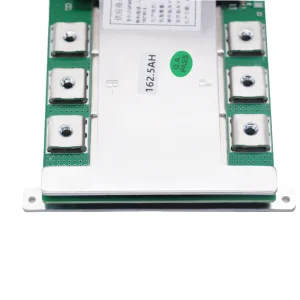
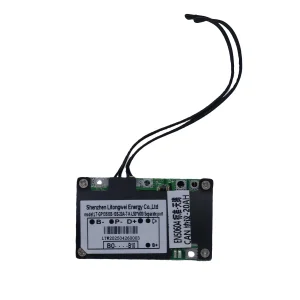
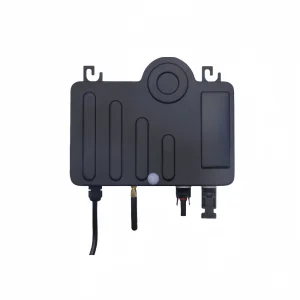
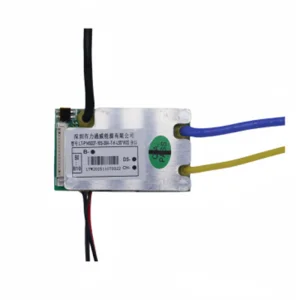
Select from our wider portfolio of high-current, multi-series protection boards, and smart micro-inverter products.
 Litongwei Electronic