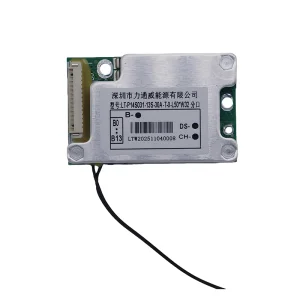
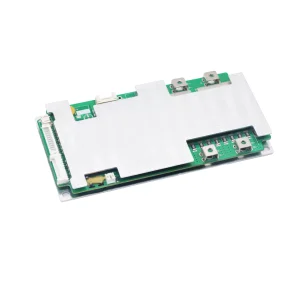
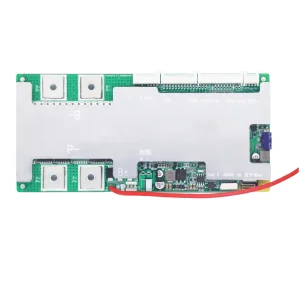
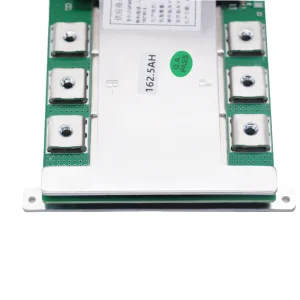
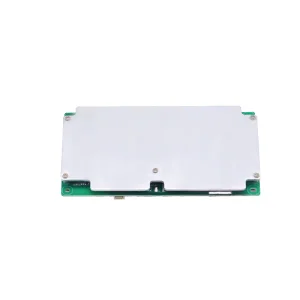
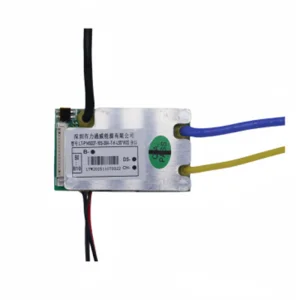
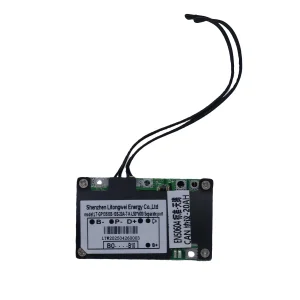
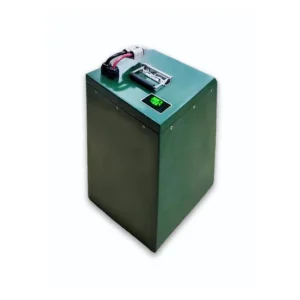
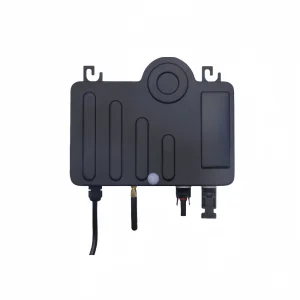
Explore our engineering-grade BMS boards, bidirectional inverters, and custom safety control units.
A Technical Whitepaper on Safety Architectures, Market Trends, and Supply Chain Integration
In the modern era of industrial decarbonization and consumer mobility electrification, the battery pack has transitioned from a simple chemical store to a complex, highly regulated thermodynamic system. At the core of this transition lies the Battery Management System (BMS) Module. As global demand for high-density lithium chemistries—such as Lithium Iron Phosphate (LiFePO4) and Nickel Manganese Cobalt (NMC)—continues to soar, the BMS acts as the vital gateway safeguarding electrochemical units from thermal runaway, rapid cellular degradation, and systemic imbalance.
BMS architectures are no longer isolated voltage-monitoring boards. Instead, they represent sophisticated, communication-dense embedded platforms featuring microcontrollers (MCUs), analog front-ends (AFEs), digital signal processing algorithms, and IoT telemetry interfaces. From light electric vehicles (LEVs) to multi-megawatt utility grid storage schemes, a premium wholesale BMS module provides the structural layer ensuring longevity, efficiency, and regulatory compliance.
Analyses of the energy storage supply chain demonstrate a distinct correlation between BMS stability and total cost of ownership (TCO) in industrial deployments. For wholesale suppliers, the industrial imperative is focused heavily on functional safety, accuracy of State-of-Charge (SoC) algorithms, and real-time degradation diagnostics (State-of-Health - SoH). Manufacturers are pushing towards active cell balancing instead of traditional passive thermal dissipation methods, mitigating electrical mismatching across parallelized strings. Global shipping standards such as UN38.3 and stationary storage certifications like UL1973 put stringent pressures on BMS factories to construct systems that survive severe electrical faults, high moisture environments, and mechanical stress.
A trusted National High-Tech Enterprise delivering industrial safety control boards since 2005.
Established in 2005, Shenzhen Litongwei Electronic Technology Co., Ltd. is a premier national high-tech enterprise dedicated to the R&D, manufacturing, and distribution of advanced lithium-ion safety control systems and BMS boards. With a strong engineering focus, our solutions cater to a vast range of applications including 3C digital products, electric scooters, electric bikes, electric motorcycles, tricycles, AGVs, golf carts, aerial vehicles (drones), and heavy-duty power tools.
By prioritizing patent collaboration to shield clients from infringement risk, implementing industry-standard shared boards for cost reduction, and offering cloud-driven remote diagnostics, Litongwei has set a high benchmark for operational excellence in the battery space.

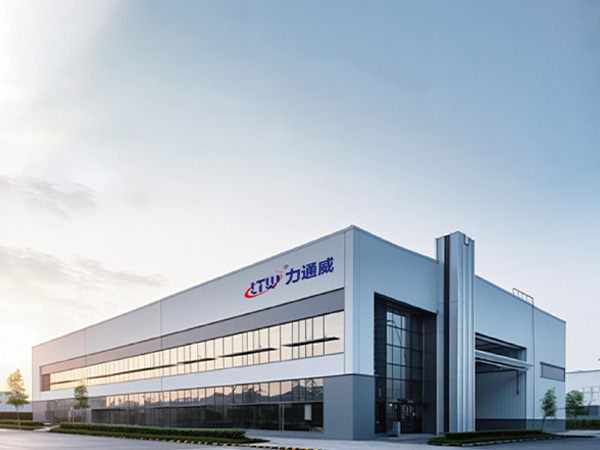
LITONGWEI has always adhered to the philosophy of "Technology as King, Efficient Service" in all aspects of production and operations. Our vision is to become a provider of intelligent green energy management solutions, embracing environmental sustainability.
Technology-Driven Growth. In 2005, the company commenced R&D and manufacturing of digital Battery Management Systems (BMS). By 2006, it expanded into power battery management system development. ISO9001 certification was obtained in 2007, followed by ISO14001 certification in 2009.
Technological Advancement. The company secured 8 utility model and design patents in 2011, while expanding its mobile power bank manufacturing operations. The Litongwei Technology Research Institute was established in 2012. It received the Del New Energy Quality Excellence Award in 2014 and earned the Gold Partner title from Gaogong Lithium Battery in 2015.
Digital Transformation. The company upgraded its ISO 9001 and ISO14001 certifications in 2016, achieved IATF16949 certification in 2018, and implemented an MES system for warehouse automation. It was awarded the Guangdong Battery Industry Association Innovation Award in 2019 and recognized as a leading brand in lithium battery protection board technology for two-wheeled vehicles in 2020.
Smart Manufacturing+. Litongwei Electronics continues to innovate, deepening its technological expertise while embracing IoT and Industry 4.0. Through its Smart Manufacturing+ strategy, the company drives industrial transformation and upgrading.
Analyzing balancing algorithms, communications interface designs, and hardware topology
Cell manufacturing tolerances create micro-variations in internal resistance and capacity. Left uncorrected, the weakest cell dictates the pack's overall capacity limits. Our industrial protection boards leverage precise passive dissipation balancing (using robust bypass resistors controlled by high-efficiency MOSFETs) to discharge overcharged cells during the CV (constant voltage) stage. For high-capacity multi-cell arrays, customized configurations implement active balancing topologies, transferring charge dynamically from high-potential cells to low-potential cells, maximizing energy utilization efficiency and thermal balance.
Modern integration requires real-time data streaming to localized controllers and remote cloud servers. Litongwei's intelligent modules, such as our LTW 20S 120A and 200A variants, incorporate multiple serial communication options: CAN bus (Controller Area Network) for automotive noise immunity, RS485 for industrial grid-level battery enclosures, and low-energy Bluetooth (BLE) modules with customized mobile applications. These interfaces deliver continuous data fields containing cell voltage vectors, localized temperatures (NTC readouts), charge/discharge cycle logs, and real-time diagnostic alerts.
Safety is our ultimate priority. Our hardware architectures are engineered with multi-point NTC thermistors situated across localized hot spots. In cold-weather settings (e.g., North American or European winters), our BMS heating controller activates integrated thermal heating films to safely warm up LiFePO4 cells to acceptable charging windows. Anti-reverse connection, dual-stage short circuit hardware cut-offs, and over-current protection thresholds are designed with redundant analog and digital loops to guarantee safety in case primary firmware hangs.
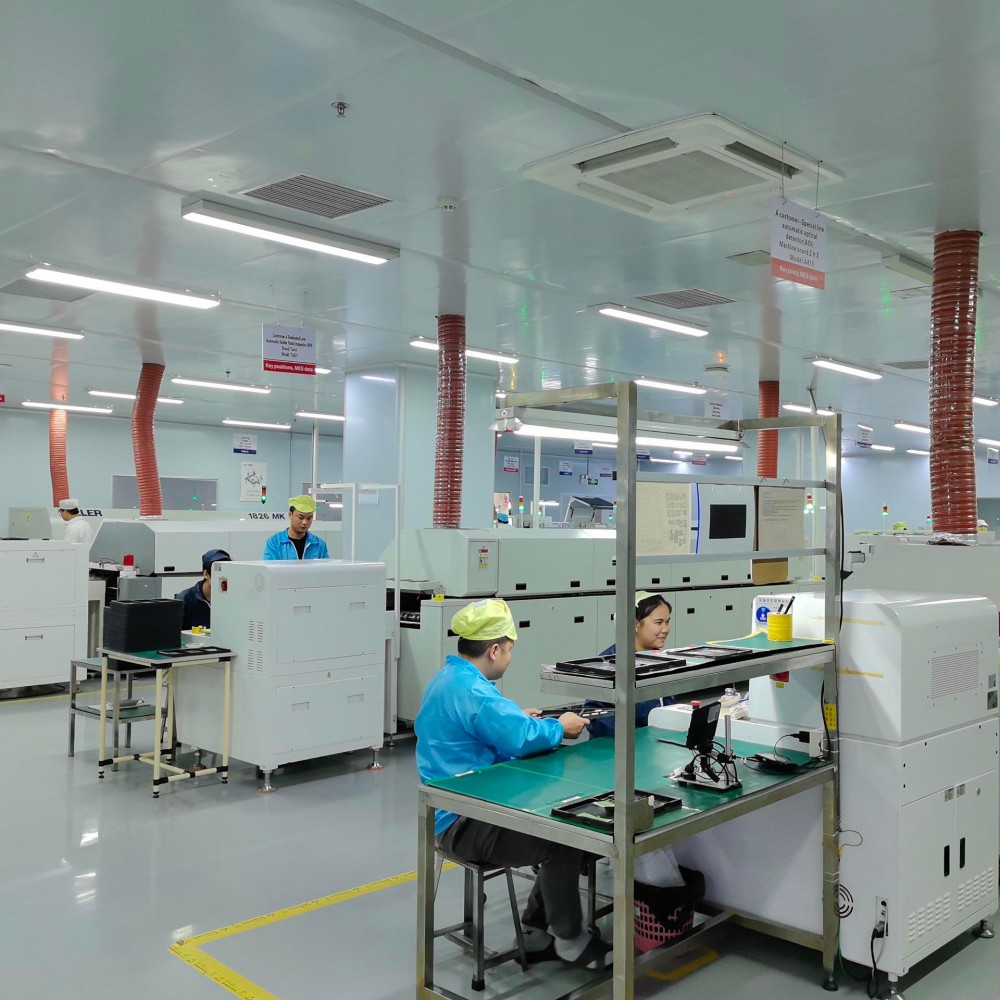
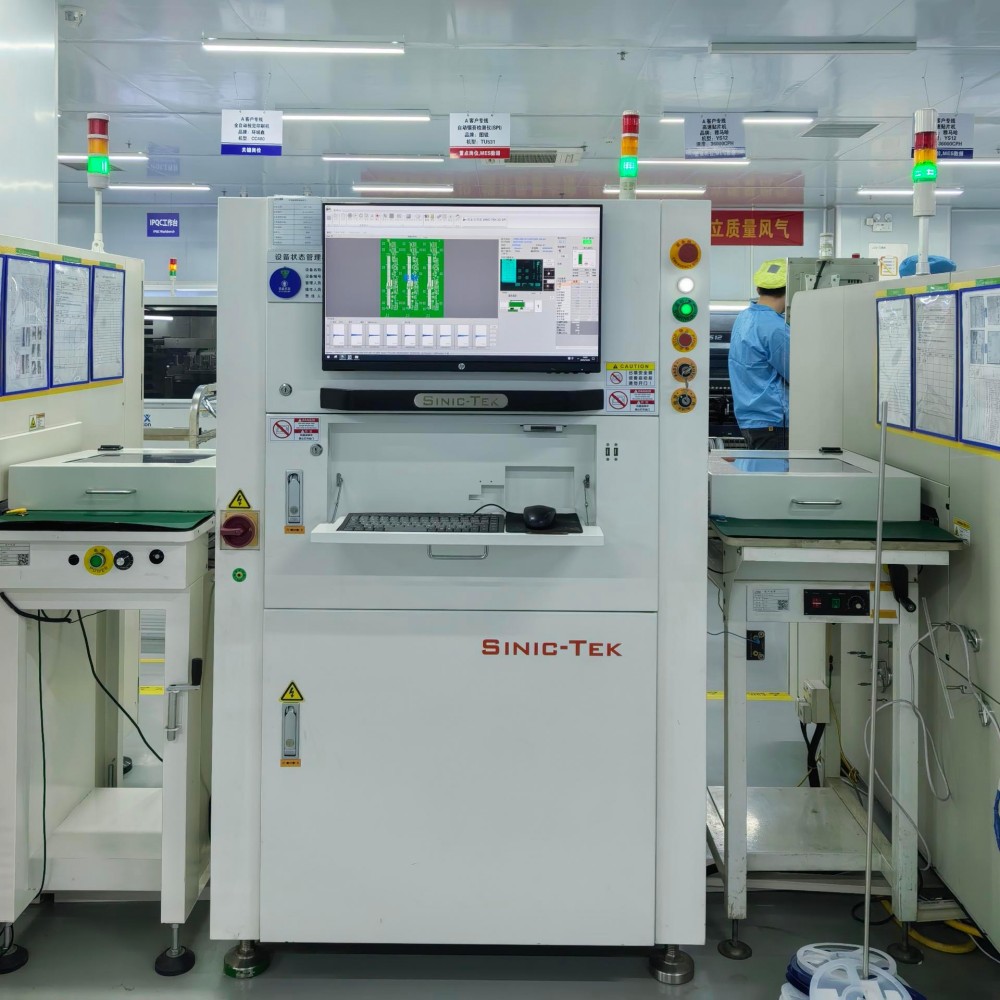
In manufacturing, reliability is verified through physical infrastructure and process optimization. Our production footprint comprises over 13,000 square meters of independent manufacturing space in Shenzhen, alongside 27,000 square meters in Huangjiang, Dongguan. Armed with 24 high-speed pick-and-place SMT assembly machines, and 12 dedicated PCBA production lines, our aggregate output exceeds 15 million protective boards monthly.
Furthermore, we reinvest over 10% of our annual sales directly into R&D, securing over 100 patents in circuit topology, testing automation, and algorithm optimization. Our factories utilize advanced Manufacturing Execution Systems (MES) to guarantee component-level traceability from receipt of silicon to final board testing, ensuring consistency and preventing fields failures.
Adapting battery management to specialized operational scenarios and future technical roadmaps
Energy systems must adapt to regional variations, grid stability issues, and climate extremes. The applications of our wholesale BMS modules fall into three critical areas:
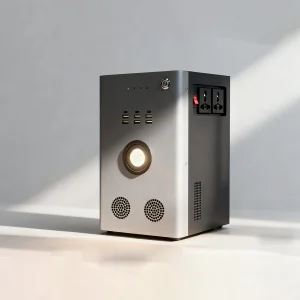
As energy systems become more decentralized, the boundary between consumer storage and macro-grids continues to blur. Our product portfolio addresses this macro-shift. For example, our 500W Portable Power Bank Bidirectional Inverters combine energy storage with PV integration, delivering off-grid emergency power and load-shifting capability. Similarly, our custom micro-inverter solutions, featuring 96.5% efficiency and IP67 weather-proofing, allow residential balcony solar setups to feed clean energy directly into households safely and reliably.
Looking forward, the BMS field is heading toward software-defined intelligence and wire-free communication:
Answering critical inquiries regarding BMS specifications, safety certifications, and design considerations.
CAN (Controller Area Network) bus features superior noise immunity, multi-master capabilities, and real-time error correction, making it ideal for automotive, AGV, and heavy machine operations. RS485 is a master-slave configuration, which is simpler and cost-effective for static energy storage installations (ESS) where distance is long but real-time response requirements are less demanding.
LiFePO4 chemistry suffers from lithium metal plating when charged below 0°C (32°F), causing irreversible damage and internal short circuits. Our heating-enabled BMS monitors temperatures via dedicated NTC thermistors. When charger power is applied, the BMS routes current directly to integrated heating pads instead of the cells. Once cell temperatures exceed safe levels (typically 5-10°C), the BMS switches current back to charging the pack.
Inaccurate SoC estimation leads to conservative battery capacity estimates or sudden power cut-offs. Our algorithms combine Coulomb counting with voltage translation, utilizing real-time correction based on temperature variables. This enables accuracy within ±1% limits, allowing fleet operators to maximize operational range and minimize overall maintenance intervals.
Our manufacturing processes conform to IATF 16949 automotive standards, alongside ISO 9001 and ISO 14001 certifications. Our designs comply with CE, FCC, RoHS, and UN38.3 regulatory framework parameters to ensure safe transport.
Explore our integrated protection devices, embedded screens, and high-efficiency micro-inverters.
Litongwei's partners include industry-leading brands who have collaborated with us for many years.













Collaborating globally with leaders such as Huawei, Lenovo, Desay, Guoguang, Sunwoda, Eve Energy, Guoxuan High-tech, and other major industry brand clients for many years.
 Litongwei Electronic