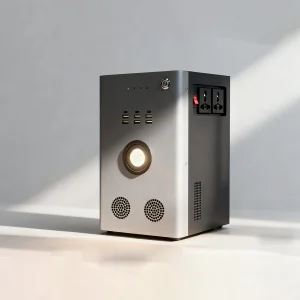
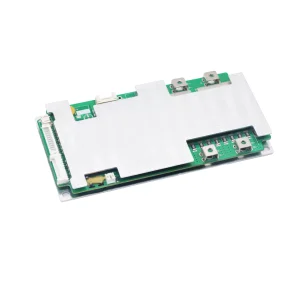
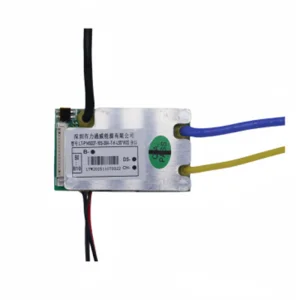
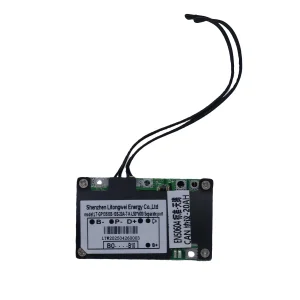
Explore our high-performance industrial controllers, intelligent BMS modules, and bidirectional power banks engineered to international safety standards.
Established in 2005, Shenzhen Litongwei Electronic Technology Co., Ltd. is a recognized national high-tech enterprise specializing in the research, development, and advanced manufacturing of lithium-ion safety control systems and smart battery management platforms.
Our core mission revolves around providing robust, high-reliability control technologies designed to protect battery cells and improve energy conversion systems. Our safety controllers and protection circuits are widely adopted in 3C digital devices, electric scooters, e-bicycles, electric motorcycles, utility tricycles, golf carts, automated guided vehicles (AGVs), drones, and industrial power tools.
By working with Litongwei, enterprises gain more than high-quality hardware. We deliver comprehensive value:
"Technology as King, Efficient Service" forms the foundation of all aspects of production and operations at LITONGWEI. Our vision is to become a provider of intelligent green energy management solutions, embracing environmental sustainability globally.
How our dual-facility manufacturing footprint and continuous R&D investment drive structural cost advantages for global buyers.
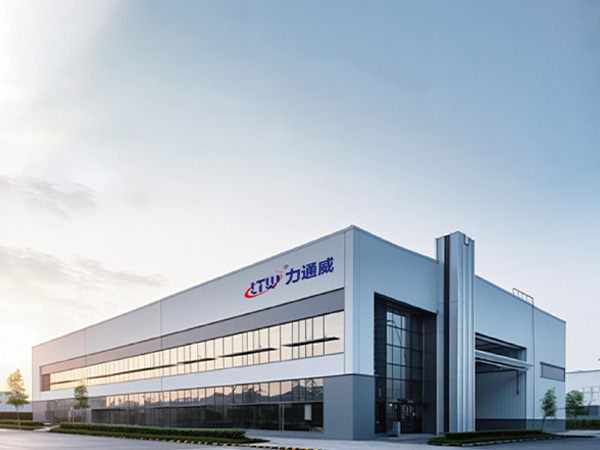
Our infrastructure is strategically split into two high-capacity campuses: over 13,000 square meters of independent factory space in Shenzhen, alongside a massive 27,000 square meters production complex in Dongguan Huangjiang.
Equipped with 24 high-speed pick-and-place SMT machines and 12 dedicated PCBA production lines, our operations achieve a monthly output exceeding 15 million control units, keeping lead times minimal.
LITONGWEI invests more than 10% of annual sales revenue back into R&D. This continuous commitment supports over 100 patents in circuit topologies, testing routines, and smart firmware.
Supporting complex global supply chains with strict adherence to regional safety standards and intellectual property protection.
Exporting control systems to North America, Europe, and Asia-Pacific requires stringent adherence to safety and chemical regulations. Our systems are manufactured to align with CE, FCC, RoHS, REACH, and UN38.3 transport safety guidelines. For specialized applications, our protection boards comply with the functional safety frameworks of IEC 62619 (for industrial storage batteries) and the manufacturing process metrics of the automotive-grade IATF 16949 system.
Implemented in 2018, our Manufacturing Execution System (MES) ensures every control board is traceable throughout its lifecycle. From incoming component validation to automated optical inspection (AOI) data and final performance testing logs, all process parameters are tied to a unique barcode on the board. This minimizes diagnostic time and isolates issues in the field.
IP infringement is a persistent risk in custom hardware manufacturing. LITONGWEI engages in collaborative patent structures and NDA-backed development. By maintaining over 100 industry patents, we offer robust architectural shielding. We build custom firmwares, unique pin configurations, and proprietary form factors to protect our clients' engineering designs.
From early digital battery management to Industry 4.0 smart manufacturing, our operational growth mirrors the advancement of green power.
Commenced R&D on digital BMS in 2005. Expanded into power battery management system development in 2006. Secured ISO9001 in 2007 and ISO14001 certification in 2009.
Secured 8 utility patents in 2011. Founded the Litongwei Technology Research Institute in 2012. Earned Del New Energy Quality Excellence Award (2014) and Gaogong Gold Partner status (2015).
Upgraded ISO systems in 2016. Achieved automotive-grade IATF16949 certification in 2018. Recognized as a top technology brand for two-wheeled vehicle protection boards in 2020.
Embracing Industry 4.0 frameworks, smart cloud monitoring, and IoT communication protocols (Bluetooth, CAN, RS485). Accelerating digital transformations across micro-grids.
Where our control systems and battery management units operate daily around the globe.
From urban food delivery e-bikes in Europe to cargo-carrying utility tricycles in Asia, our BMS boards ensure balanced cells, overheat protection, and accurate SOC metrics under harsh urban operating schedules.
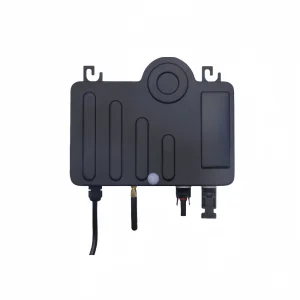
Powering smart apartment balconies in Germany and Southern Europe. Our high-efficiency microinverters, sporting an IP67 rating, convert solar energy directly into household AC grids with up to 96.5% peak efficiency.
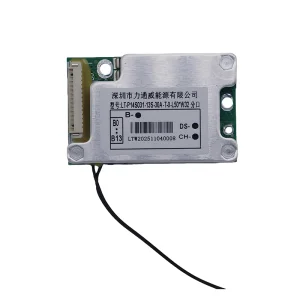
Autonomous factory vehicles run on continuous cycles. Our high-current BMS modules support CANbus and Modbus communication protocols, giving central PLC platforms real-time access to battery status metrics.
We maintain long-term product collaborations with tier-1 global brands and technology leaders.






Answers to common technical, production, and integration questions raised by system engineers.
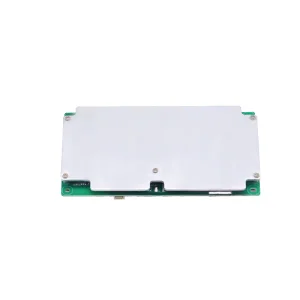
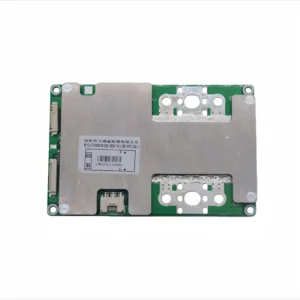
A further look at our intelligent lithium management hardware and solar balcony grid equipment, designed for commercial integration.
 Litongwei Electronic