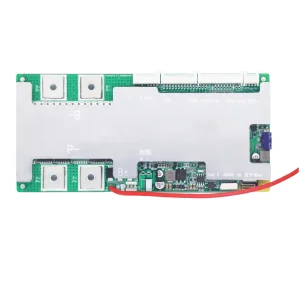
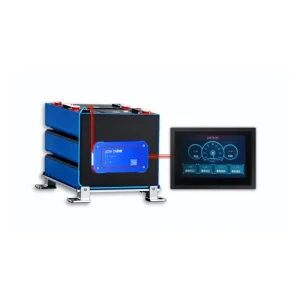
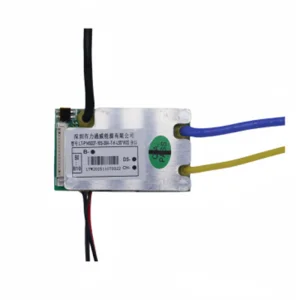
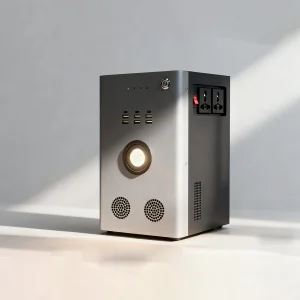
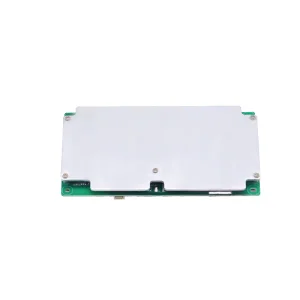
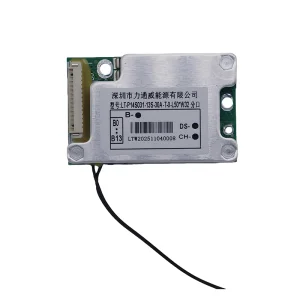
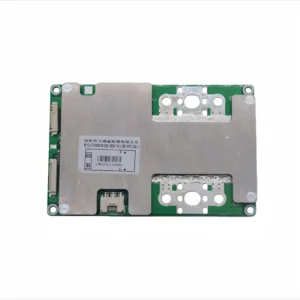
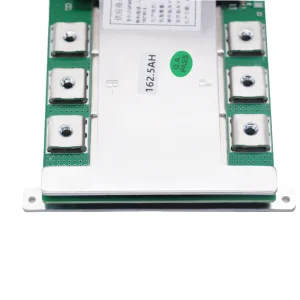
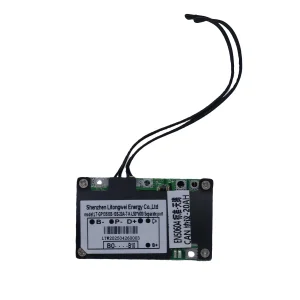
Explore our premium selection of advanced industrial Battery Management Systems (BMS), customized storage display modules, and emergency power management technologies directly from our certified smart manufacturing facility.
The electrification of global urban transport has positioned the light electric vehicle (LEV) sector—especially electric bicycles, cargo bikes, and tricycles—as a primary force in sustainable micromobility. Behind every high-efficiency electric two-wheeler lies a sophisticated Battery Management System (BMS). It acts as the central electronic brain, regulating cell performance, supervising safety envelopes, protecting against thermal runaway, and guaranteeing optimal power transfer. As safety regulations tighten across key markets in North America and Western Europe, selecting an industrial-grade, certified BMS manufacturing partner has become a critical operational priority for global E-bike brands.
From basic overvoltage cutoffs to advanced cloud-integrated, high-speed telemetry Smart BMS configurations, our systems provide localized safety measures tailored to complex grid architectures and urban operational demands. This comprehensive whitepaper provides in-depth technical breakdowns of modern E-bike battery safety, the efficiency and scale of Chinese manufacturing facilities, and how professional engineering mitigates technical and commercial risks.
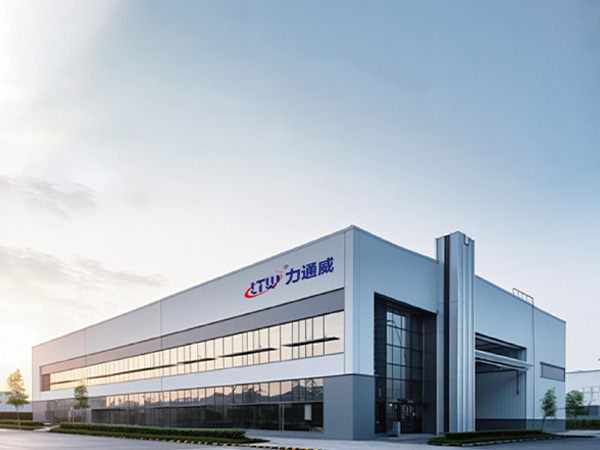
Established in 2005, Shenzhen Litongwei Electronic Technology Co., Ltd. is a recognized national high-tech enterprise specializing in the independent research, development, and high-volume manufacturing of intelligent lithium-ion safety control systems. Over the last two decades, our engineering teams have developed specialized protection technologies for 3C digital applications, electric scooters, e-bikes, light electric motorcycles, tricycles, golf carts, automated guided vehicles (AGVs), drones, and high-performance power tools.
Our strategic business model is built around four fundamental pillars: Robust Intellectual Property Protection (active patent collaboration to mitigate infringement risks in international markets), Industry-Standard Shared Boards (optimizing manufacturing costs through component standardization), Full-Process Manufacturing Traceability via customized MES platforms, and Remote Cloud Diagnostics. Partnering with Litongwei means selecting a reliable technical foundation designed to optimize product lifetimes and operational margins.

LITONGWEI operates under the core principles of "Technology as King, Efficient Service." We apply these values across every stage of our design engineering, supply chain management, and automated PCBA production lines. Our long-term mission is to develop intelligent, scalable green energy management systems that support carbon neutrality goals and optimize battery lifespans worldwide. Partner with Litongwei to build a cleaner, more reliable future.
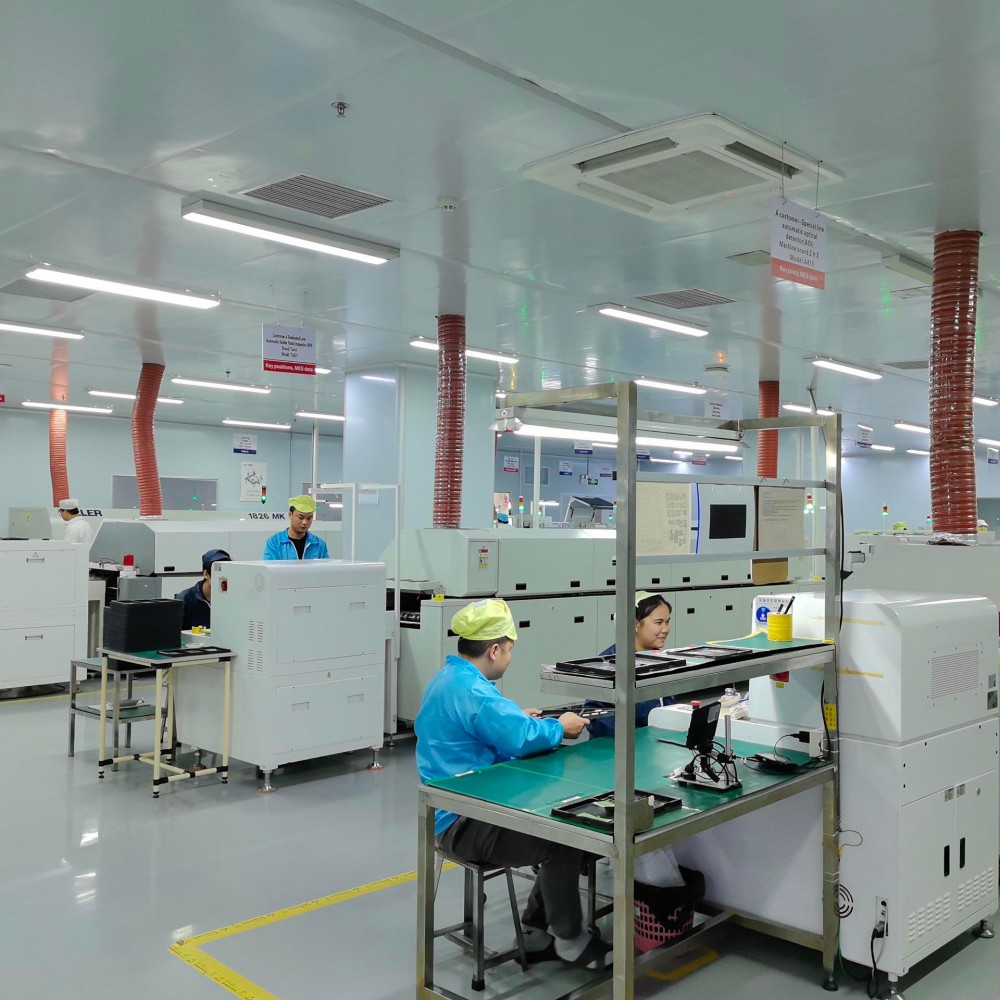
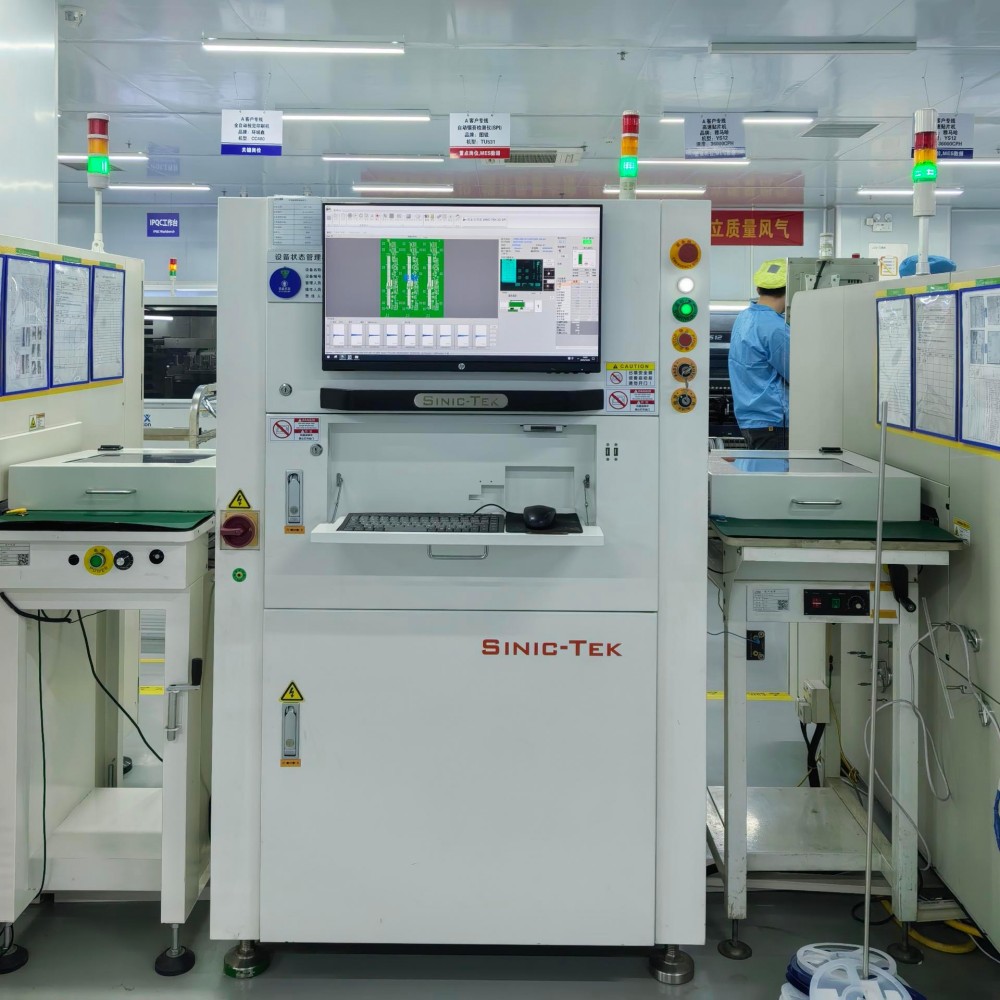
Our automated production facilities in Shenzhen and Dongguan are designed to handle complex, high-mix, high-volume production schedules with precision and repeatability.
To ensure stable global distribution and high quality, our facility features 13,000 square meters of independent manufacturing space in Shenzhen, alongside a larger 27,000 square meter factory in Dongguan Huangjiang. By combining advanced automated optical inspection (AOI), automated functional testing (FCT), and robust component sourcing channels, we help our partners minimize assembly defects, improve yields, and avoid supply line bottlenecks.
Contemporary E-bike systems rely on complex multi-cell lithium battery packs, typically using 10S (36V), 13S (48V), 14S (52V), or 20S (72V) configurations. Managing these packs requires a deep understanding of cell electrochemistry and modern circuit design. Below is an overview of the key technologies integrated into our systems:
Individual cell degradation and variations in internal resistance can lead to capacity imbalances across series-connected cell strings. Litongwei's proprietary passive balancing algorithms distribute current through precision-matched shunt resistors, aligning voltage profiles and extending pack life by up to 25%.
Using dual-channel NTC thermistors, our BMS monitors temperatures in real time at both the cell core and near the high-power MOSFET switches. This provides critical over-temperature protection during high-draw climbs and cold-weather charging.
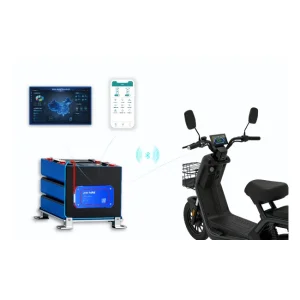
Our smart boards feature integrated CANbus (CANopen/J1939), RS485, and UART interfaces, alongside low-energy Bluetooth (BLE) transceivers. This enables seamless connection with motor controllers, digital dashboard displays, and smartphone diagnostics apps.
Operating environments, user demands, and certification requirements vary widely by region. Our design process factors in these diverse requirements:
In markets like Northern Europe, Canada, and the Northern United States, sub-zero charging can cause lithium plating and permanent cell damage. Our specialized Bluetooth Heating BMS (e.g., LTW 20S 60A / 200A) uses integrated heater control circuits to warm the battery pack using charge power before initiating the charge cycle.
For urban ride-sharing programs, our smart BMS platforms connect directly to IoT modules via CANbus protocols. Fleet operators receive real-time, cloud-based data on State of Charge (SOC), State of Health (SOH), fault history, and battery location, simplifying maintenance and scheduling.
Commercial cargo e-bikes require sustained high current draws under heavy loads. Litongwei's high-power hardware designs, featuring low-RDS(on) MOSFET configurations and heavy copper busbars, manage continuous discharges up to 200A while maintaining low thermal profiles.
To help customers reduce time-to-market and lower development costs, we offer pre-certified, standardized shared boards. These boards are pre-tested and compliant with major global standards, enabling fast integration for standardized battery designs.
Our path from a specialized R&D design house to a major high-capacity BMS manufacturer is defined by technical milestones and continuous improvement:
In 2005, the company commenced R&D and manufacturing of digital Battery Management Systems (BMS). By 2006, it expanded into power battery management system development. ISO9001 certification was obtained in 2007, followed by ISO14001 certification in 2009.
The company secured 8 utility model and design patents in 2011, while expanding its mobile power bank manufacturing operations. The Litongwei Technology Research Institute was established in 2012. It received the Del New Energy Quality Excellence Award in 2014 and earned the Gold Partner title from Gaogong Lithium Battery in 2015.
The company upgraded its ISO 9001 and ISO14001 certifications in 2016, achieved IATF16949 certification in 2018, and implemented an MES system for warehouse automation. It was awarded the Guangdong Battery Industry Association Innovation Award in 2019 and recognized as a leading brand in lithium battery protection board technology for two-wheeled vehicles in 2020.
Litongwei Electronics continues to innovate, deepening its technological expertise while embracing IoT and Industry 4.0. Through its Smart Manufacturing+ strategy, the company drives industrial transformation and upgrading.
Litongwei's partners include Huawei, Lenovo, Desay, Guoguang, Sunwoda, Eve Energy, Guoxuan High-tech, and other industry brand clients who have collaborated for many years.












Find answers to key technical, safety, and logistical questions below to assist with your BMS selection and integration process.
Explore more of our protection board designs, portable outdoor power systems, and high-current BMS modules suitable for micromobility and energy storage applications.
 Litongwei Electronic