Explore our premium range of industrial-grade micro inverters, bidirectional energy systems, and intelligent lithium battery management modules.

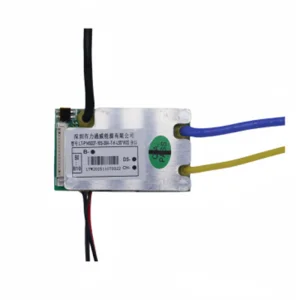
Analyzing the shift toward Module-Level Power Electronics (MLPE) in modern distribution networks.
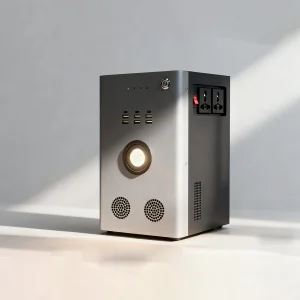
The global renewable energy architecture is witnessing a rapid structural transition from centralized topologies to distributed power electronics. At the core of this transition are Grid Tie Micro Inverters, which operate at the individual solar module level to optimize energy harvest, increase system resilience, and enhance safety profiles. Unlike centralized or string inverters, which are subject to single-point failure dynamics and substantial mismatch losses, microinverters employ independent Maximum Power Point Tracking (MPPT) algorithms per panel.
From a commercial procurement standpoint, global EPC (Engineering, Procurement, and Construction) companies and systems integrators are increasingly mandating MLPE architectures. The driving factors include localized regulatory changes, such as the National Electrical Code (NEC) Rapid Shutdown regulations in the United States and similar occupational safety mandates across the European Union. These regulations seek to eliminate dangerous high-voltage DC runs across rooftops by converting DC directly to AC at the module level. Consequently, the sourcing volume for certified OEM/ODM microinverters has surged exponentially, making the selection of a capable and compliant Chinese manufacturing partner critical for global market entry.
Information Gain Insight: The Levelized Cost of Electricity (LCOE) for projects utilizing microinverters is optimized not through initial capital expenditure reduction, but through long-term yield improvement (typically 5% to 15% higher energy production compared to string inverters) and a design life that matches the 25-year lifespan of modern PV modules.
In Europe, particularly in Germany and Austria, the rise of "Balkonkraftwerk" (balcony solar system) regulations has created a massive consumer demand for low-voltage, plug-and-play microinverters. B2B importers are looking for highly integrated solutions that incorporate Wi-Fi/Bluetooth IoT chips for direct application monitoring, coupled with dynamic grid limit configurations (e.g., adjustable power output caps from 600W to 800W). Industrial energy solutions require higher density, multi-input options (such as 4-in-1 or 8-in-1 microinverters) that allow multiple panels to connect to a single inverter housing while maintaining independent MPPT. This significantly reduces installation complexity and initial capital deployment while retaining the benefits of MLPE control.
A leading national high-tech enterprise specializing in safe power management systems, intelligent BMS, and advanced microinverter technologies.
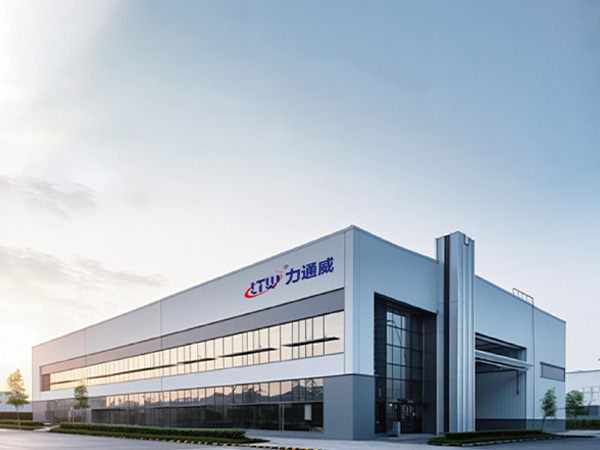
Established in 2005, Shenzhen Litongwei Electronic Technology Co., Ltd. is a national high-tech enterprise specializing in the R&D and manufacturing of lithium-ion safety control systems and intelligent energy conversion modules. With nearly two decades of engineering pedigree, our product portfolios are deployed globally in high-reliability segments, including 3C digital devices, electric scooters, bicycles, motorcycles, tricycles, golf carts, AGVs, unmanned aerial vehicles (drones), power tools, and residential grid-tie systems.
We provide comprehensive intellectual property protection through proactive patent collaboration to prevent market infringement. Additionally, our industry-standard shared boards significantly lower manufacturing overhead while improving efficiency. With full-process traceability and cloud-based remote maintenance platforms, Litongwei supports partners through every stage of technical integration, cost optimization, and field operational challenges.
LITONGWEI has always adhered to the philosophy of "Technology as King, Efficient Service" in all aspects of production and operations. Our vision is to become a leading global provider of intelligent green energy management solutions, embracing environmental sustainability. By combining our robust Battery Management Systems (BMS) with high-efficiency Grid-Tie Micro Inverter hardware, we deliver safe, integrated, and reliable distributed energy systems. Start your green journey with LITONGWEI!
Chronological breakdown of our technological progress and manufacturing capacity expansion.
The company commenced R&D and manufacturing of digital Battery Management Systems (BMS) in 2005. In 2006, it expanded into power battery management system development. ISO9001 certification was obtained in 2007, followed by ISO14001 certification in 2009.
Secured 8 utility model and design patents in 2011 while expanding mobile power bank manufacturing. The Litongwei Technology Research Institute was established in 2012. The company received the Del New Energy Quality Excellence Award in 2014 and was named Gold Partner by Gaogong Lithium Battery in 2015.
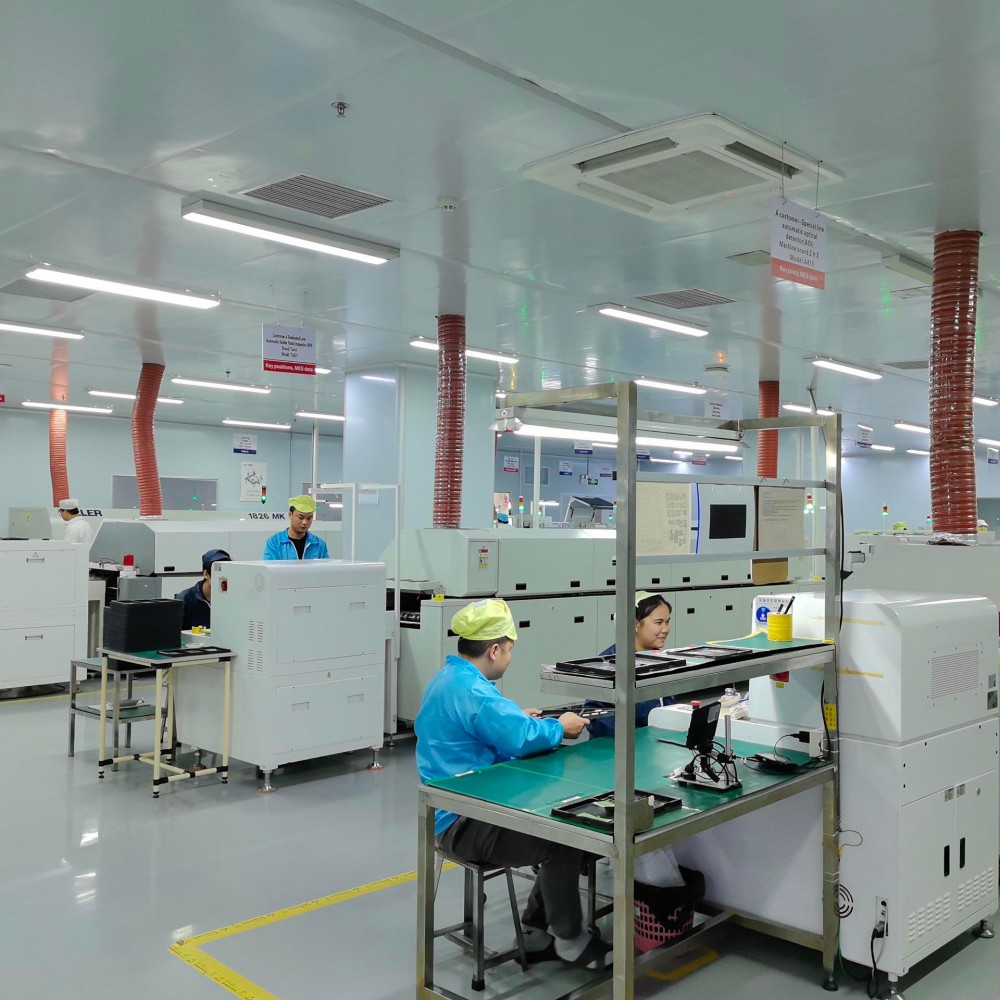
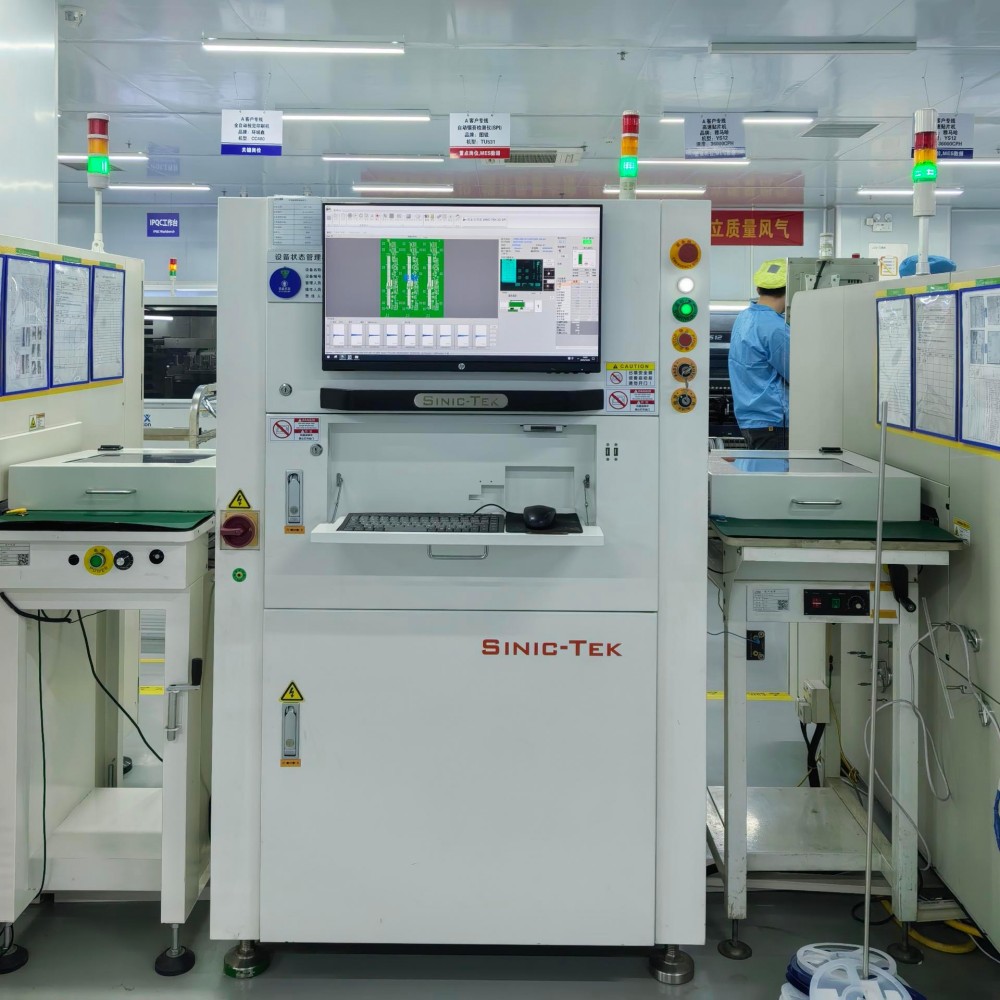
Upgraded ISO9001 and ISO14001 certifications in 2016. Achieved IATF16949 certification in 2018, implementing a modern MES system for smart warehouse automation. Awarded the Guangdong Battery Industry Association Innovation Award in 2019 and recognized as a leading brand in two-wheeled vehicle lithium battery protection boards in 2020.
Litongwei Electronics continues to innovate, deepening its technological expertise while embracing IoT and Industry 4.0. Through its Smart Manufacturing+ strategy, the company drives industrial transformation, integrating advanced distributed micro inverter solutions and modern smart grid architectures.
Collaborating with global brands to drive efficiency, reliability, and security across international supply chains.
Litongwei's partners include Huawei, Lenovo, Desay, Guoguang, Sunwoda, Eve Energy, Guoxuan High-tech, and other leading industry brands with whom we have maintained successful collaborations over many years.










Analyzing next-generation semiconductor topologies, MPPT refinements, and safety control systems.
The technical trajectory of grid-tied microinverters is heavily focused on density, thermal efficiency, and intelligence. The primary technological driver in next-generation topologies is the replacement of conventional Silicon MOSFETs with Wide Bandgap (WBG) semiconductors, specifically Gallium Nitride (GaN) and Silicon Carbide (SiC). These materials feature higher electron mobility, breakdown voltage, and thermal conductivity. For microinverters, which operate in harsh under-panel environments reaching up to 85°C ambient temperatures, GaN-based switching circuits reduce switching losses, allowing for higher switching frequencies (above 100 kHz) and a significant reduction in the size of passive components (inductors and capacitors). This enables a lighter, more compact product profile with efficiencies exceeding 96.5%.
In addition to physical semiconductor upgrades, algorithm efficiency is critical to improving output. Static and dynamic MPPT efficiencies have now reached 99.8% due to high-resolution digital signal processors (DSPs) that continuously track solar radiation changes. Furthermore, the integration of advanced BMS systems (pioneered by Litongwei) with AC-coupled micro-inverters enables hybrid functionality. In this configuration, modular storage elements can directly communicate with grid-interactive controllers to optimize battery charge cycles and regulate peak output, improving grid stability.
System Reliability and Protection Matrix: Outdoor microinverters require an IP67 dust and waterproof rating. Because they are exposed to rain, snow, and extreme thermal cycling, our engineers use specialized potting compounds with high thermal conductivity and low moisture absorption, protecting the power electronics over their 25-year service life.
Meeting grid interconnection codes and environmental certifications across international markets.
Exporting power electronics internationally requires strict compliance with localized utility grid codes and safety regulations. Importers must confirm that manufacturing partners hold valid, country-specific certifications to prevent product detention at customs or installation delays due to regulatory non-compliance. Different regions enforce distinct compliance standards:
Compliance with UL 1741 (Inverters, Converters, Controllers and Interconnection System Equipment) and IEEE 1547 (Interconnecting Distributed Resources with Electric Power Systems) is mandatory. Systems must also support Rapid Shutdown functionality compliant with NEC 2017/2020.
Products must carry the CE mark, indicating compliance with the Low Voltage Directive (LVD) and Electromagnetic Compatibility (EMC) standards. Grid connection requires adherence to localized standards, such as VDE-AR-N 4105 in Germany and EN 50549 across the broader EU.
Importers must verify compliance with UKCA guidelines, specifically the G98 standard for micro-generation systems (installations up to 16A per phase) or G99 for larger commercial applications.
Grid-connected equipment must meet the AS/NZS 4777.2 standard, which regulates grid-tied inverter performance, power quality, and safety controls, as well as CEC (Clean Energy Council) listing approvals.
Litongwei provides comprehensive localization support, covering localized firmware tuning for grid profiles, reactive power control adjustments, and custom packaging. This guarantees that imported shipments arrive fully ready for regional distribution and utility-approved installation.
Essential technical and logistical insights for B2B buyers, solar installers, and distributors.
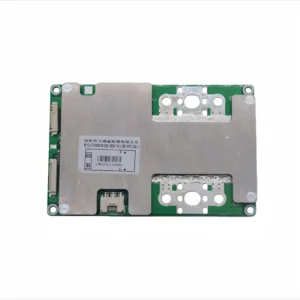
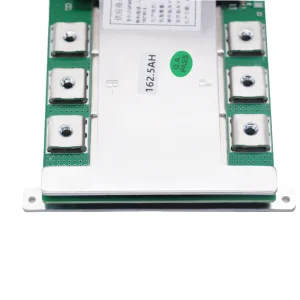
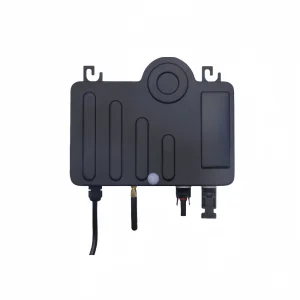
Complete B2B product selections including intelligent inverters, high-power protection boards, and smart energy storage packs.
 Litongwei Electronic