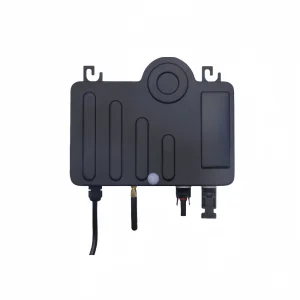
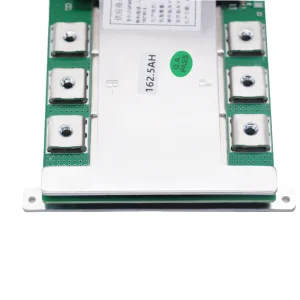
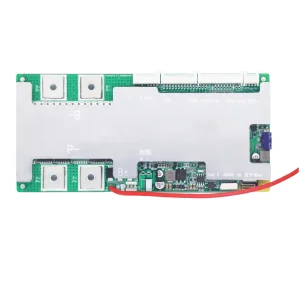
Premium OEM/ODM battery protection systems and micro-inverter tech engineered for global safety and efficiency standards.
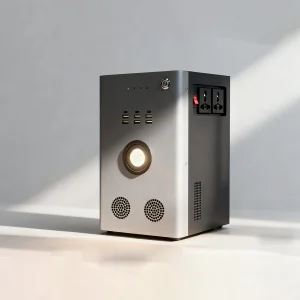
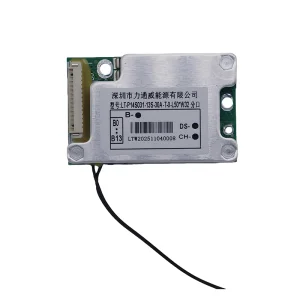
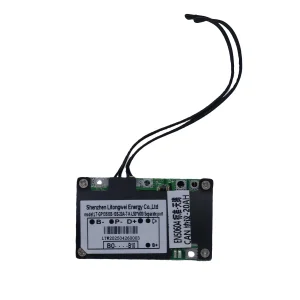
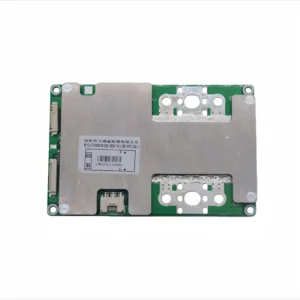
Analyzing market dynamics, technological migrations, and key considerations for volume procurements.
The shift from legacy centralized grid infrastructure to decentralized power distribution is accelerating at a historic pace. Driven by escalating utility rates, geopolitical instability affecting energy commodities, and rapid decarbonization mandates, the demand for high-capacity Wholesale Home Battery Storage Systems has transitioned from a niche luxury to critical municipal and domestic infrastructure. Global consumers are no longer passive ratepayers; they are prosumers seeking autonomy through clean, solar-integrated backup networks.
For international distributors, EPC contractors, and B2B buyers, navigating this landscape requires a deep appreciation of the technological stack. Modern systems are not merely simple clusters of battery cells. They are sophisticated cyber-physical systems that rely on smart Battery Management Systems (BMS), high-efficiency bidirectional inverters, real-time thermal monitoring arrays, and cloud-connected IoT layers. These elements must work in perfect synchronization to maintain system integrity over a typical 10 to 15-year lifecycle.
In residential battery applications, LiFePO4 chemistry has thoroughly eclipsed traditional ternary NMC compounds. The reason is structural safety: LiFePO4 features a thermal runaway temperature threshold exceeding 270°C, vastly reducing fire risk while delivering an operational life expectancy exceeding 6,000 cycles at 80% Depth of Discharge (DoD).
In the wholesale energy storage market, procurement managers must filter out low-cost assemblers and target factories that maintain advanced quality assurance and supply chain transparency. High-performance battery storage components demand meticulous design and execution, specifically at the BMS level.
Pioneering Safe & Intelligent Battery Management Since 2005
Established in 2005, Shenzhen Litongwei Electronic Technology Co., Ltd. is a recognized national high-tech enterprise specializing in the R&D and manufacturing of lithium-ion safety control systems. Over nearly two decades of focus, our products have become vital components in 3C digital devices, electric scooters, bicycles, motorcycles, tricycles, golf carts, AGVs, drones, and power tools.
We solve the core challenges of B2B procurement by providing robust intellectual property protection (joint patent collaborations), industry-standard shared boards (maximizing cost efficiency), full-process traceability (guaranteeing rigorous quality control), and remote maintenance via cloud platforms. When choosing Litongwei, you partner with a manufacturer dedicated to clean energy, safety, and sustainable innovation.
LITONGWEI always adheres to the philosophy of "Technology as King, Efficient Service." We aim to be a leading global provider of intelligent green energy management solutions, driving environmental sustainability for a cleaner tomorrow. Start with LITONGWEI!
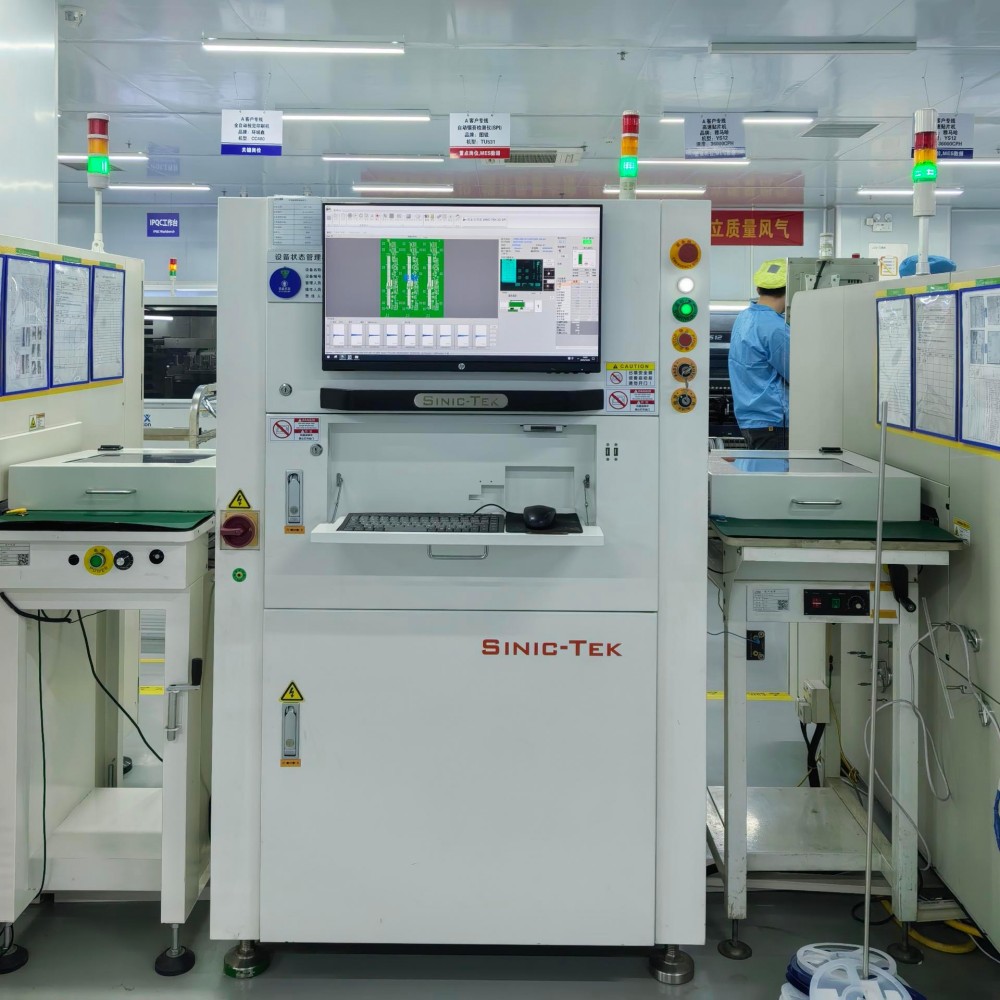

Why Global Brands Choose Litongwei as Their Trusted OEM/ODM Partner
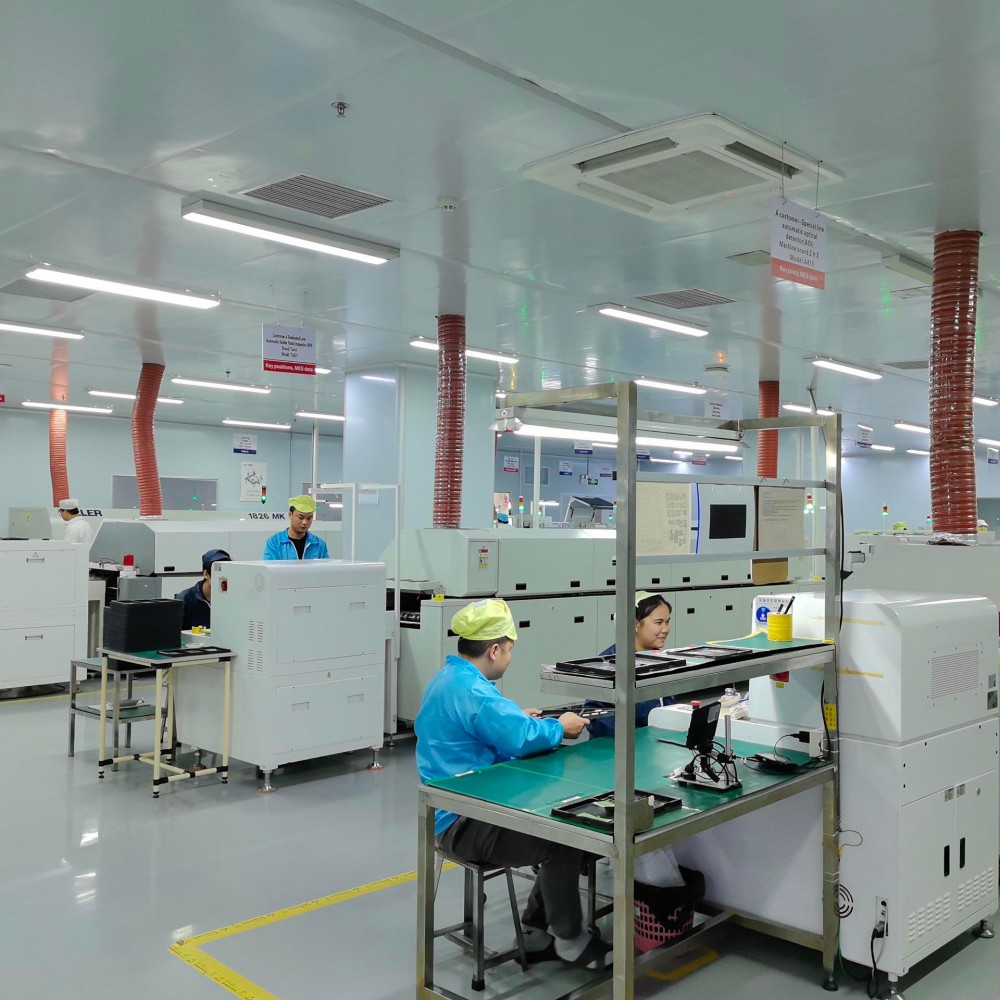
Our manufacturing footprint is split between Shenzhen (13,000+ sqm of advanced R&D and assembly space) and Dongguan Huangjiang (27,000+ sqm industrial facility). We run 24 high-speed SMT pick-and-place lines and 12 dedicated PCBA lines to ensure responsive scaling for large-scale wholesale and OEM projects.
The global energy storage industry faces constant supply chain pressures, fluctuating raw material costs, and strict compliance demands. China's advanced **Factory 4.0** infrastructure provides a path through these challenges. Litongwei leverages a highly localized supply chain ecosystem in Southern China, granting direct access to premium raw lithium, high-grade silicon for micro-inverters, and high-quality semiconductors.
Our smart factory model integrates advanced automated assembly with a comprehensive Manufacturing Execution System (MES). The MES tracks every component from initial SMT placement through automated optical inspection (AOI) to final functional tests. This end-to-end trace capability ensures that if a cell anomaly is detected in the field, we can trace it back to the exact batch, operator, and manufacturing condition. This level of traceability significantly lowers long-term operational risk for importers and distributors.
While residential solar storage remains a key focus, Commercial and Industrial (C&I) sectors present rapidly growing opportunities. Businesses utilize containerized energy storage units to reduce peak demand charges, supply clean backup power to sensitive IT systems, and establish resilient microgrids in areas with weak utility support.
On a local level, applications are highly varied:
A history of continuous innovation, growing from local manufacturer to global smart energy pioneer.
In 2005, Litongwei launched R&D and manufacturing of digital Battery Management Systems (BMS). By 2006, the company expanded into power battery management system development. ISO9001 certification was achieved in 2007, followed by ISO14001 certification in 2009.
Secured 8 utility model and design patents in 2011 while expanding mobile power bank manufacturing operations. Established the Litongwei Technology Research Institute in 2012. Received the Del New Energy Quality Excellence Award in 2014 and earned the Gold Partner title from Gaogong Lithium Battery in 2015.
Upgraded to the latest ISO 9001 and ISO14001 standards in 2016. Achieved IATF16949 automotive certification in 2018 and implemented our advanced MES system for warehouse and production automation. Recognized with the Guangdong Battery Industry Association Innovation Award in 2019, and named a leading brand in lithium battery protection tech for two-wheeled vehicles in 2020.
Litongwei Electronics continues to innovate, deepening its technological expertise while embracing IoT, Cloud monitoring, and Industry 4.0 automation. Through its Smart Manufacturing+ strategy, the company drives industrial transformation and upgrading.
Litongwei works with industry leaders to deliver stable, high-performance battery control technology.












Our strategic partners include Huawei, Lenovo, Desay, Guoguang, Sunwoda, Eve Energy, Guoxuan High-tech, and other leading industry brands that have collaborated with us for many years.
Expert insights on safety parameters, custom BMS manufacturing, and supply chain quality control.
The CAN communication protocol enables real-time data transmission between the BMS and the hybrid inverter. This allows the system to communicate state of charge (SoC), state of health (SoH), and fault codes to optimize charging cycles. NTC (Negative Temperature Coefficient) thermistors monitor thermal profiles across critical points, prompting the BMS to adjust rates or shut down if temperatures exceed safe operating limits.
We provide patent collaboration to help prevent infringement issues. By sharing design rights and developing custom-tailored circuit plans, we ensure that the OEM products you source from our facility are legally clear of third-party IP claims, facilitating smooth import and sales processes in highly regulated markets.
A bidirectional microinverter handles the conversion between DC power generated by solar panels (or stored in the battery) and AC power used by home electronics. It enables both grid charging during low-rate times and clean output back to the home grid during peak hours. High efficiency (e.g., 96.5% and above) reduces conversion losses, saving energy over thousands of operational cycles.
We employ a rigorous multi-stage testing process. Each PCBA undergoes high-resolution AOI (Automated Optical Inspection) to check component placement, followed by ICT (In-Circuit Testing) and functional testing to verify charge-discharge parameters and communication lines. Finally, each board is registered in our MES (Manufacturing Execution System) database, enabling full-process trace capability for future safety audits.
Yes, our R&D team can design and manufacture custom configurations, including high-voltage, high-current protection boards ranging up to 20S 200A and beyond, equipped with onboard Bluetooth chips and integrated displays (such as 4.3-inch monitoring screens). This flexibility allows us to serve varied applications, from compact portable power packs to industrial storage racks.
Premium micro-inverters, multi-cell BMS protection boards, and smart energy modules for residential and light-commercial grids.
 Litongwei Electronic