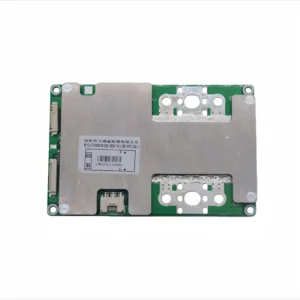
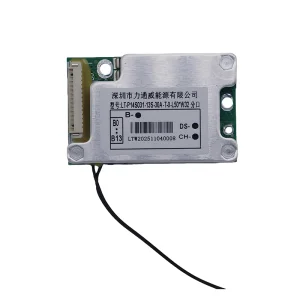
Premium B2B Energy System Components & Intelligent BMS Platforms Configured for Global Compliance and High-Efficiency Operation.
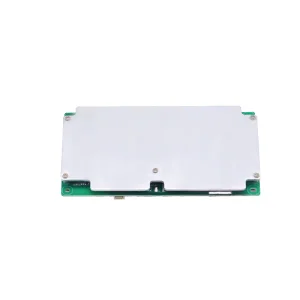
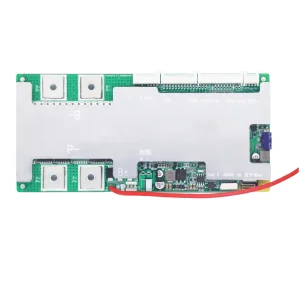
The global transition toward decentralized and decarbonized power grids has transformed the home inverter from a simple DC-to-AC conversion box into the operational brain of the modern residential microgrid. Globally, energy insecurity, skyrocketing utility tariffs, and extreme weather phenomena are driving rapid consumer adoption of residential photovoltaic (PV) storage networks.
Modern residential and light industrial applications demand smart inverter solutions capable of communicating seamlessly with complex Battery Management Systems (BMS). It is no longer just about harvesting solar energy; it is about real-time load management, peak shaving, backup energy assurance, and automated grid interaction. By establishing reliable wholesale supply channels, enterprise buyers acquire the hardware that guarantees power continuity under diverse global grid conditions.
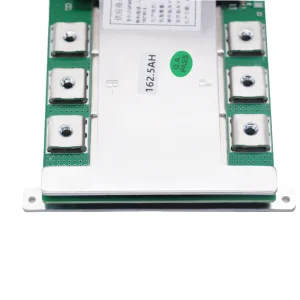
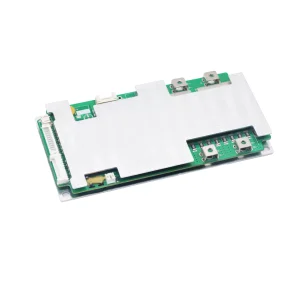
Optimal residential PV-storage ecosystems rely heavily on high-voltage system protection. Integrating high-accuracy multi-series BMS (such as 13S, 20S, or 23S topologies) ensures individual cell voltage monitoring and rapid thermodynamic control, mitigating risk before electrical faults impact the primary inverter stage.
From balcony solar units in high-density European cities to robust off-grid backup systems in erratic grid zones, specialized inverter hardware must adapt to varied environmental demands.
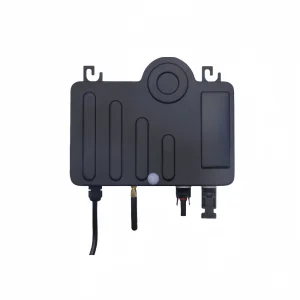
Particularly popular in high-density markets like Germany and Austria, balcony-mounted PV plug-and-play systems utilize weather-proof IP67 micro-inverters. Operating at 96.5%+ efficiency, these units interface directly with residential electrical sockets, requiring highly integrated and compact micro-inverter designs.
Larger suburban homes require split-phase or three-phase hybrid inverters coupled with robust lithium battery banks (running 13S to 20S structures). These applications necessitate safe, same-port intelligent BMS topologies capable of supporting continuous high-current discharges up to 200A with precise active balancing.
In regions suffering from chronic brownouts, commercial units rely on bidirectional inverters with integrated MPPT charge controllers and specialized protective modules. Advanced features like low-temperature heating elements within the BMS allow these systems to perform reliably in sub-zero environments.
Every home inverter is only as reliable as the energy storage bank that feeds it. Fluctuating voltages, unchecked temperature spikes, and unbalanced cell chemistries represent severe operational risks for B2B brands. This makes high-quality Battery Management Systems (BMS) the critical enabler of safe power conversion.
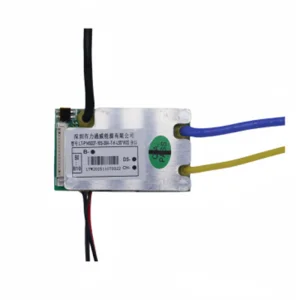
By monitoring thermodynamic status via Negative Temperature Coefficient (NTC) thermistors, providing real-time data visual telemetry via integrated Bluetooth modules, and ensuring balanced charge profiles across all series cells, intelligent protection boards protect the inverter circuitry from downstream battery faults. For a global inverter brand, integrating high-grade BMS logic reduces warranty claim rates, improves safety compliance, and secures long-term client trust.
Wholesale buyers seeking supply chain resilience look to manufacturers capable of bridging R&D complexity with massive, high-accuracy production outputs.
Splitting operations between Shenzhen (13,000+ sqm) and Dongguan Huangjiang (27,000+ sqm) to maximize logistical and manufacturing scaling.
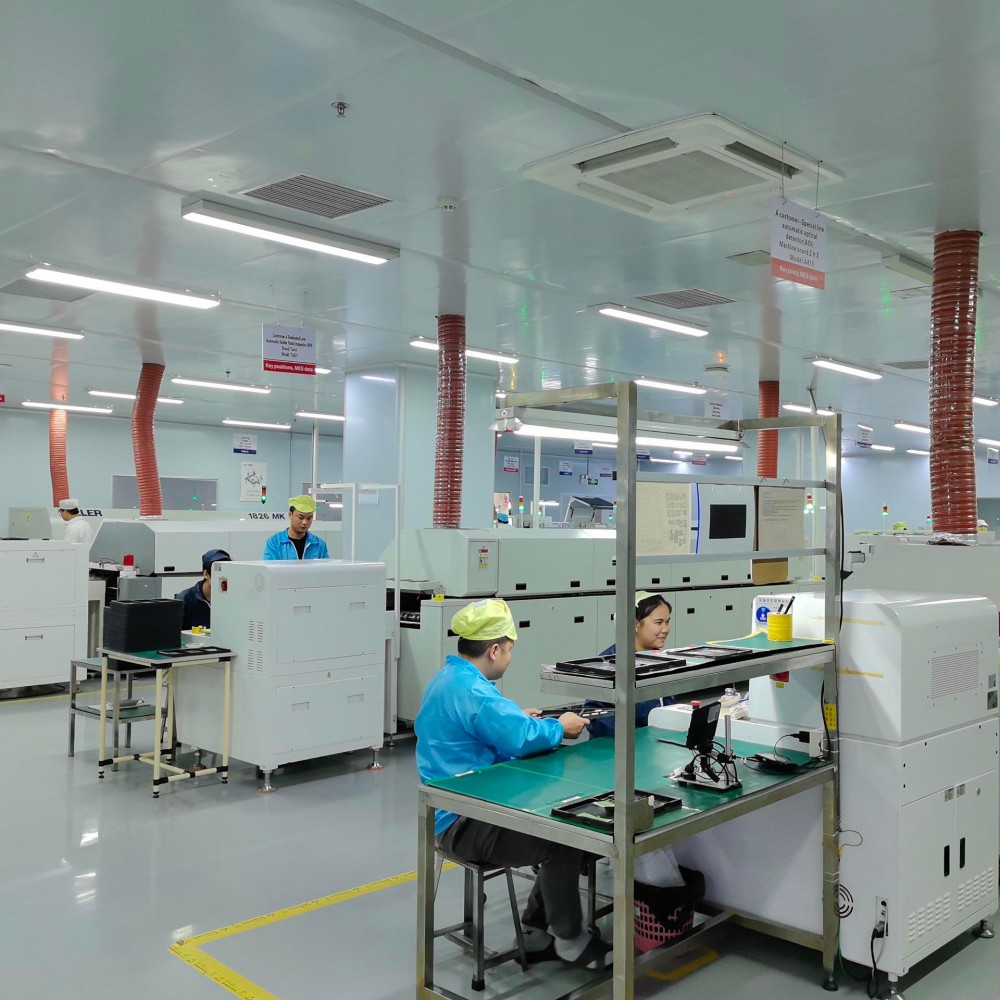
Driven by 24 ultra-fast high-speed SMT pick-and-place systems and 12 high-capacity automated PCBA processing lines.
Consistently reinvesting more than 10% of annual sales revenue for five consecutive years to pioneer new energy protection topologies.
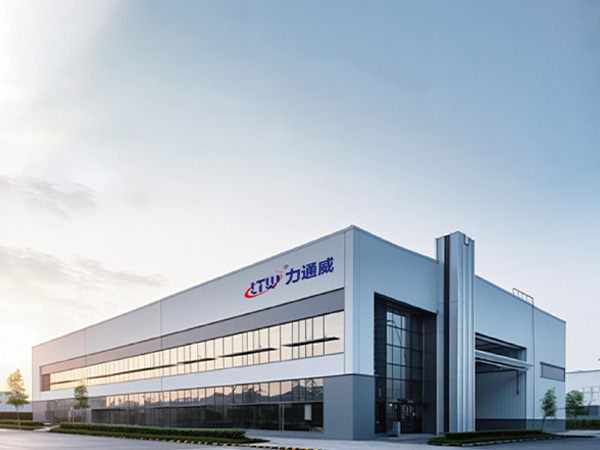
"Technology as King, Efficient Service." We are Shenzhen Litongwei Electronic Technology Co., Ltd., established in 2005. As a national high-tech enterprise, we specialize in the R&D and manufacturing of lithium-ion safety control systems. We protect our partners' intellectual property through collaborative patent design to prevent infringement, reduce deployment costs through standardized shared boards, trace components end-to-end via our advanced MES platform, and maintain reliability post-sale through secure cloud system remote maintenance.
From localized digital safety design in 2005 to smart manufacturing integration today, our path reflects our long-term commitment to quality and growth.
Initiated deep-dive R&D in digital Battery Management Systems (BMS). By 2006, operations expanded into high-power mobility battery systems. Secured ISO9001 quality certification in 2007 and environmental management certification under ISO14001 in 2009.
Secured 8 core utility model and industrial design patents in 2011. Formally established the Litongwei Technology Research Institute in 2012. Honored with the Del New Energy Quality Excellence Award in 2014 and named Gold Partner by Gaogong Lithium Battery in 2015.
Upgraded to modern iterations of ISO9001 and ISO14001 in 2016. Successfully achieved automotive-grade IATF16949 certification in 2018. Integrated full MES database control for automated material tracing, earning the Innovation Award from the Guangdong Battery Industry Association in 2019.
Expanding advanced IoT integrations across our production hubs. Deploying automated cloud remote maintenance systems, optimizing hybrid home inverter communication layers, and expanding high-performance BMS platforms globally.
For years, Litongwei has partnered with market leaders, providing components that power consumer products and high-security clean energy applications globally.














Our partners include Huawei, Lenovo, Desay, Guoguang, Sunwoda, Eve Energy, Guoxuan High-tech, and other industry brand clients who have collaborated for many years.
Get authoritative answers on engineering standards, manufacturing processes, and global supply configurations.
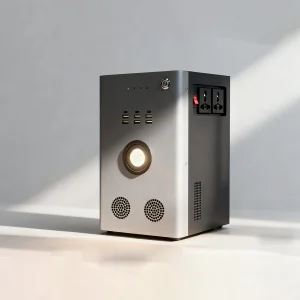
Browse our high-efficiency micro-inverters and smart battery protection boards designed for commercial, residential, and portable power systems.
 Litongwei Electronic