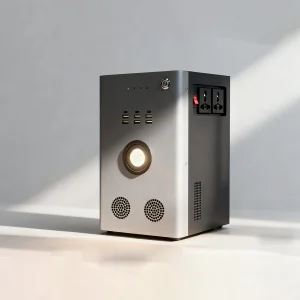
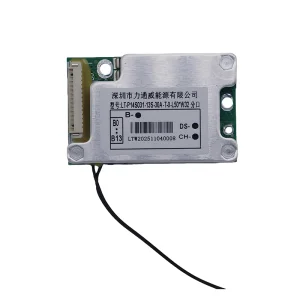
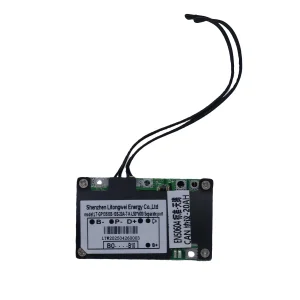
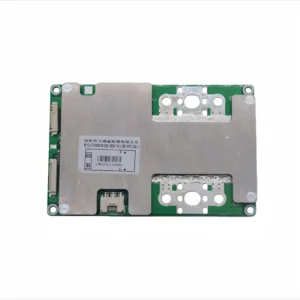
Founded in 2005, Shenzhen Litongwei Electronic Technology Co., Ltd. is recognized as a premier national high-tech enterprise. Over the past two decades, we have established ourselves as a pioneer in the research, development, and high-efficiency manufacturing of smart Lithium-ion Battery Management Systems (BMS) and home power inverter components.
Our solutions cater directly to the demands of modern home grids, off-grid storage systems, and advanced power management configurations. With a dedication to technological superiority and robust quality controls, we empower wholesale clients worldwide with systems that ensure maximum energy conversion efficiency, uncompromising fire safety, and smart remote configuration.
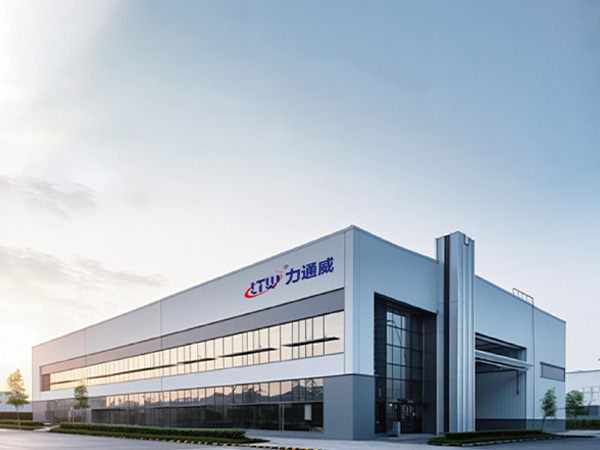
Explore our high-performance OEM & Wholesale solutions engineered for industrial-grade resilience and consumer electrical safety.
How the shift toward decentralization, smart microgrids, and battery safety dictates the modern energy storage economy.
The global transition from centralized fossil-fuel power grids to localized, renewable-driven residential networks has triggered an unprecedented surge in demand for high-efficiency home power inverters. Historically, residential inverters served a singular, simple function: converting Direct Current (DC) produced by rooftop photovoltaic (PV) arrays into Alternating Current (AC) suitable for domestic appliances. Today, the modern home power inverter is a highly sophisticated, bidirectional power conversion engine that acts as the logical CPU of the household microgrid.
As nations worldwide experience shifting environmental policies, surging utility tariffs, and increased grid volatility—exemplified by severe winter storms in North America and energy supply shifts in Europe—the priority has shifted from simple power generation to absolute grid resilience. Consequently, hybrid and bidirectional inverters are now standard. These advanced devices manage power flows concurrently between solar panels, electrochemical energy storage systems (ESS), home loads, and the municipal utility grid. This requires highly sophisticated control architectures that can safely toggle between grid-tied and off-grid states in milliseconds.
Industrial B2B procurement has adapted accordingly. Global distributors and large-scale installers no longer source inverters as standalone components. Instead, they look for integrated energy ecosystems where the inverter, energy management system (EMS), and battery protection board (BMS) operate on synchronized communication protocols. Achieving high conversion efficiency—upwards of 96.5% as seen in top-tier micro-inverters—minimizes thermal stress, enhances component lifespan, and delivers measurable cost-reduction benefits to the end user.
Why the intersection of battery protection and inverter telemetry determines safety, efficiency, and system lifespan.
Prevents cell voltage divergence during high-current charge/discharge cycles, maintaining optimal capacity retention in LFP and NCM packs.
Seamlessly interface with modern hybrid inverters, providing real-time telemetry of voltage, current, and SoC metrics directly to the home EMS.
Multi-point thermal sensing (NTC) and reverse polarity protection prevent catastrophic thermal runaway and component failure during deployment.
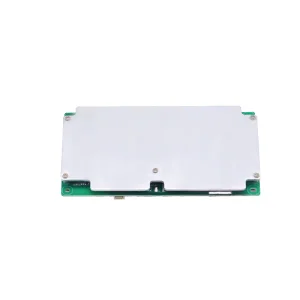
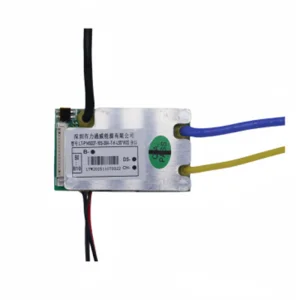
A home power inverter is only as dependable as its power source. Litongwei's core expertise in manufacturing smart Lithium-Ion battery protection boards (BMS) bridges the critical gap between raw battery storage and clean inverter output. If a home inverter experiences a transient surge or short circuit, the BMS must act as the first line of defense, shutting down or restricting current in microseconds before the battery cells sustain permanent degradation or pose fire hazards.
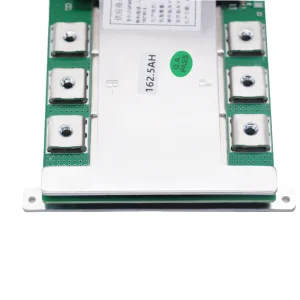
By leveraging integrated CAN and RS485 communication protocols, our BMS protection boards (such as the Custom LTW 10S/20S series) communicate directly with the home inverter’s central microcontroller. This high-frequency data handshake guarantees that the inverter adjusts its draw dynamically based on temperature, cell state-of-charge, and voltage thresholds, maximizing system longevity and overall efficiency.
How our dual-facility production infrastructure guarantees lower unit cost, high-speed SMT assembly, and strict quality control.
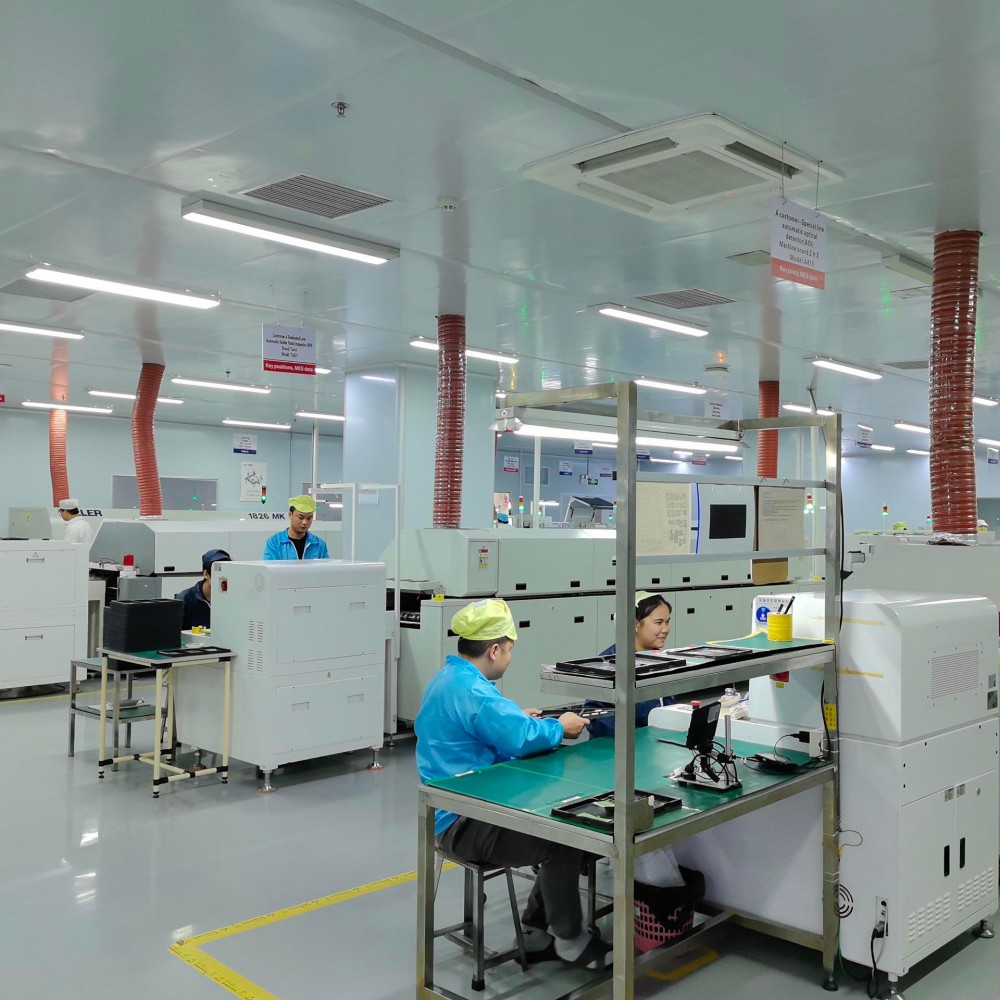
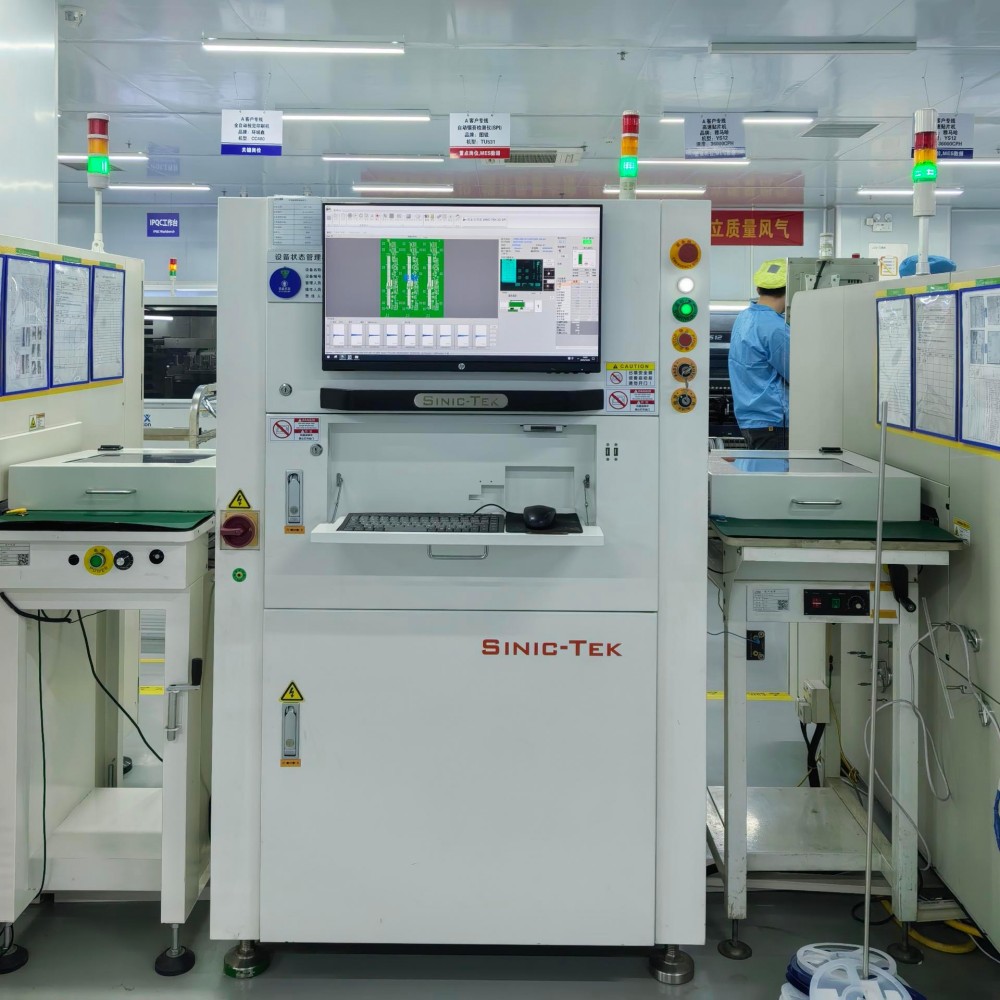
Our manufacturing network spans two high-efficiency industrial facilities in Southern China: over 13,000 square meters of specialized production space in Shenzhen and a massive 27,000 square meters factory in Dongguan (Huangjiang). Equipped with 24 high-speed SMT pick-and-place lines and 12 dedicated PCBA production lines, our monthly capacity exceeds 15 million units.
We believe that technological leadership is non-negotiable. Litongwei has consistently invested more than 10% of annual sales revenue back into R&D for five consecutive years. Holding over 100 patents in circuit design, automated testing protocols, and battery management safety algorithms, we offer robust intellectual property protection for our OEM partners, minimizing potential infringement risks in target markets.
Every board and inverter module passing through our facilities is monitored via an advanced Manufacturing Execution System (MES). This provides full-process traceability—from raw silicon and MOSFET inspection to final automated optical testing (AOI). Our MES system integrates seamlessly with Cloud maintenance platforms, letting global partners conduct remote diagnostic tests and monitor real-time battery status effortlessly.
From modern urban apartments to heavy-duty off-grid environments, our products adapt to diverse operational landscapes.
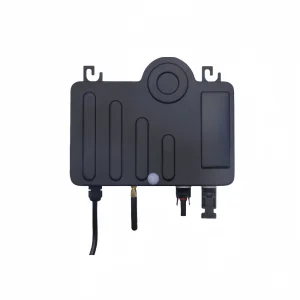
Designed for compact city settings, our OEM microinverters like the LTWSmart MINV500S provide 96.5% efficiency. IP67 weatherproof rating permits outdoor balcony installation in dense European urban environments, linking directly to home smart outlets.
Standard Lithium batteries struggle to charge below freezing. Litongwei's smart BMS with integrated heating elements senses low ambient temperatures, automatically diverting current to heat the battery pack to safe temperatures before allowing high-current charging from home inverters.
Beyond static residential walls, our high-current BMS boards (like the 20S 200A Bluetooth series) are widely deployed in commercial golf carts, AGVs, electric utility tricycles, and off-grid telecommunication relay bases requiring steady 24/7 backup power.
The technological developments that will dictate residential solar, battery, and inverter markets over the next decade.
Electric vehicle (EV) batteries represent a huge store of energy that remains idle most of the day. Modern home inverters are shifting rapidly toward vehicle-to-home (V2H) and vehicle-to-grid (V2G) compliance. Litongwei's research institute is actively designing high-current bidirectional communication BMS and inverter control interfaces that allow EV batteries to back up home appliances during blackouts, or sell energy back to the grid during peak pricing hours.
To push inverter efficiency beyond the current 97% barrier, the industry is transitioning from standard silicon MOSFETs to Wide Bandgap (WBG) materials like Silicon Carbide (SiC) and Gallium Nitride (GaN). These advanced semiconductors permit higher switching frequencies, lower thermal dissipation, and much smaller overall chassis footprints, paving the way for ultra-compact microinverters and hybrid units.
Decentralized power plants are hard to maintain physically. The next generation of home power systems integrates cloud-based AI to analyze charging patterns, track battery aging (State of Health - SoH), and forecast solar production based on meteorological data. Litongwei’s Smart Manufacturing+ strategy supports IoT cloud platform integration, enabling distributors to perform OTA firmware updates and predict cell failures before they happen.
As Lithium Iron Phosphate (LiFePO4/LFP) dominates the current residential market due to its high safety factor, the industry is looking toward solid-state and sodium-ion technologies. These chemistries require completely redefined BMS safety architectures and algorithm parameters. Litongwei’s early-phase testing programs ensure our protection circuits are prepared to manage future alternative cell chemistries as soon as they reach commercial scale.
Two decades of technological evolution, standard compliance, and smart manufacturing scaling.
In 2005, the company commenced R&D and manufacturing of digital Battery Management Systems (BMS). By 2006, we expanded into power battery management system development. ISO9001 certification was obtained in 2007, followed by ISO14001 certification in 2009.
The company secured 8 utility model and design patents in 2011, while expanding mobile power bank manufacturing operations. The Litongwei Technology Research Institute was established in 2012. We received the Del New Energy Quality Excellence Award in 2014 and earned the Gold Partner title from Gaogong Lithium Battery in 2015.
Upgraded ISO9001 and ISO14001 certifications in 2016. Achieved the rigorous IATF16949 certification in 2018 and implemented an MES system for warehouse automation. Awarded the Guangdong Battery Industry Association Innovation Award in 2019 and recognized as a leading brand in lithium battery protection boards for two-wheeled vehicles in 2020.
Litongwei Electronics continues to innovate, deepening technological expertise while embracing IoT and Industry 4.0. Through our Smart Manufacturing+ strategy, the company drives industrial transformation, scaling global home power inverter and battery protection board compatibility.
We maintain multi-year strategic collaborations with some of the world's leading brands and energy conglomerates.












Our partners include Huawei, Lenovo, Desay, Guoguang, Sunwoda, Eve Energy, Guoxuan High-tech, and other premium global electronics and new energy leaders.
A roadmap for B2B procurement managers to mitigate import risks, optimize cost structures, and secure high-integrity supply channels.
Sourcing home energy storage and power electronics involves navigatings complex compliance frameworks, strict safety metrics, and custom firmware integration. When selecting an OEM/ODM manufacturing partner in China, enterprise B2B buyers must prioritize three core parameters to secure long-term commercial success:
Answers to common questions regarding wholesale home power inverters, BMS integration, and manufacturing logistics.
Explore the remainder of our specialized safety control catalog, engineered for heavy-duty cycle life and high grid stability.
 Litongwei Electronic