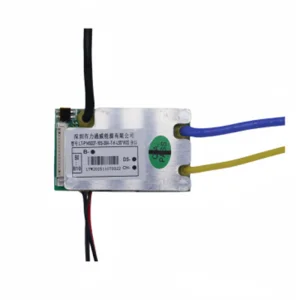
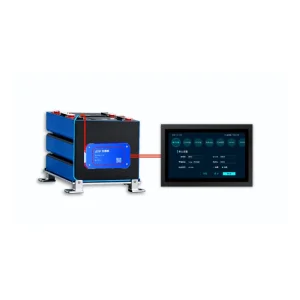
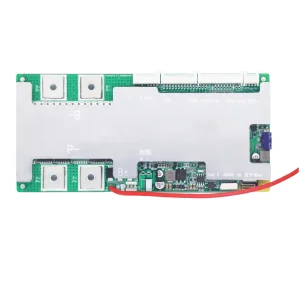
Explore our high-performance Microinverters, Intelligent Battery Management Systems (BMS), and portable green energy solutions optimized for direct factory wholesale distribution.
The global transition toward decentralized clean energy infrastructure has positioned house solar inverters at the epicenter of residential energy independence. In an era marked by fluctuating grid tariffs, decarbonization mandates, and severe climatic disruptions, modern households are transitioning from passive consumption to active energy orchestration. The demand for robust, highly efficient home solar inverters has grown from a niche consumer trend into a foundational segment of global commercial energy distribution.
At the core of this transition is the advancement of dynamic power conversion systems. Modern residential applications demand more than simple Direct Current (DC) to Alternating Current (AC) conversion. They require smart, bidirectional energy flows capable of managing real-time photovoltaic (PV) generation, high-density battery storage arrays, electric vehicle (EV) charging stations, and grid-tied load balancing. Consequently, international procurement officers and engineering firms prioritize tier-1 OEM manufacturing partners who can supply reliable, high-yield architectures such as microinverters and hybrid smart inverters integrated with advanced Battery Management Systems (BMS).
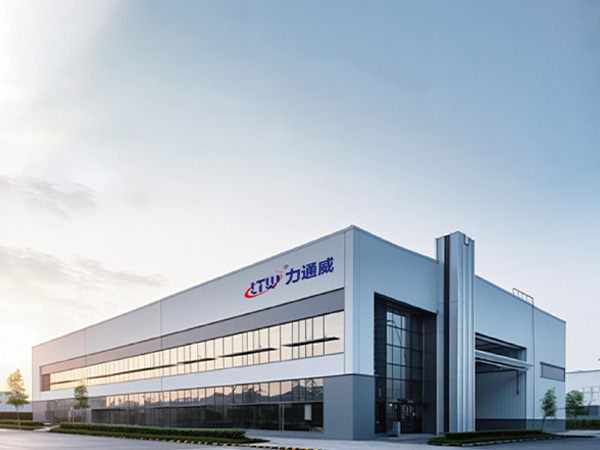
China remains the uncontested hub for PV and power electronics manufacturing, driving cost-efficiencies through unmatched vertical integration. As a leading national high-tech enterprise, Shenzhen Litongwei Electronic Technology Co., Ltd. (established in 2005) epitomizes this industrial capability. Operating highly automated fabrication facilities across the technological corridor of Shenzhen and Dongguan Huangjiang, we provide global B2B clients with significant technical and logistical advantages.
Our manufacturing matrix is built on high-throughput surface mount technology (SMT) and automotive-grade assembly systems. With over 13,000 square meters of independent factory space in Shenzhen and an additional 27,000 square meters in Dongguan Huangjiang, our facilities feature 24 high-speed pick-and-place lines and 12 state-of-the-art PCBA production lines. This scale allows a monthly production capacity exceeding 15 million units, securing rapid lead times and robust scalability for large-scale municipal, commercial, and wholesale procurement mandates.
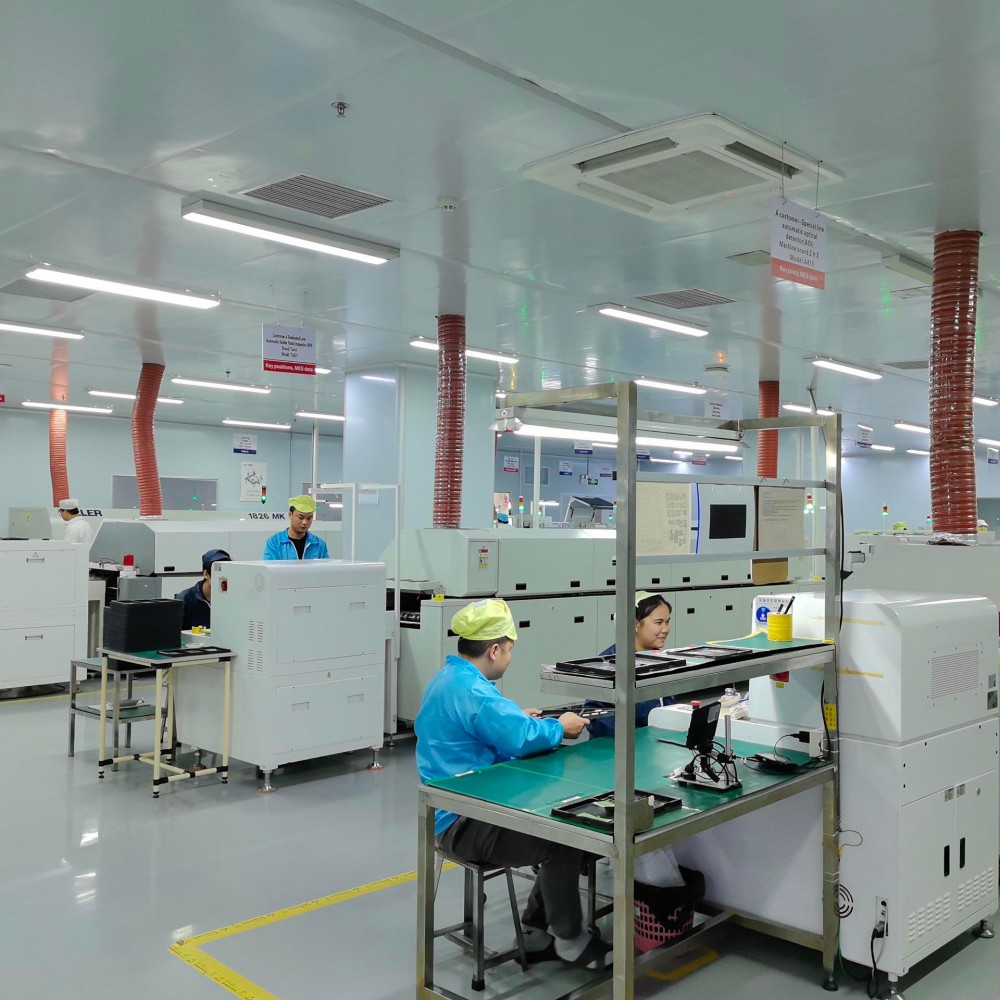
A National High-Tech Enterprise Dedicated to Intelligent Energy Control, Safety Systems, and Clean Energy Storage Electronics.
Founded in 2005, Shenzhen Litongwei Electronic Technology Co., Ltd. has spent two decades pioneering research, development, and high-precision manufacturing of lithium-ion safety control systems and intelligent power conversion hardware. Our comprehensive product portfolio spans from Microinverters and Bidirectional Inverter solutions to advanced multi-cell Battery Management Systems (BMS) ranging from 10S to 24S configurations. Our technology powers diverse applications, including 3C digital electronics, electric mobility (scooters, bikes, golf carts, AGVs), industrial drones, and grid-integrated residential energy storage systems (ESS).
By prioritizing technological innovation, we protect client operations through robust intellectual property safeguards, strategic patent collaboration, and open-architecture shared control boards. These measures reduce development costs while maximizing deployment efficiency. Litongwei maintains full-process manufacturing traceability via our automated MES tracking framework, and provides real-time maintenance through proprietary IoT cloud diagnostic platforms.
Collaborative patent strategies safeguard clients against international market entry barriers and patent infringement risks.
Industry-standard shared board architectures allow mass-production pricing advantages without compromising custom features.
Enterprise MES integration traces every raw component, PCBA batch, and functional test result for zero-defect quality control.
A history of continuous innovation, certification, and expansion in high-precision power electronics and smart BMS manufacturing.
Commenced R&D and manufacturing of digital Battery Management Systems (BMS) in 2005. Expanded into power battery management system development in 2006. Secured ISO9001 certification in 2007 and ISO14001 environmental safety certification in 2009.
Secured 8 utility model and design patents in 2011, alongside expanding mobile power manufacturing operations. Established the Litongwei Technology Research Institute in 2012. Earned the Del New Energy Quality Excellence Award in 2014 and the Gold Partner title from Gaogong Lithium Battery in 2015.
Upgraded to enhanced ISO9001 and ISO14001 frameworks in 2016. Achieved the IATF16949 automotive standard in 2018, and deployed automated MES tracking. Awarded the Guangdong Battery Industry Association Innovation Award in 2019, followed by lead brand status in two-wheeled vehicle BMS in 2020.
Embraced Industry 4.0 and IoT cloud diagnostics. Litongwei expanded its production footprint with high-efficiency Microinverters (like LTWSmart 96.5% efficiency modules) and multi-protocol intelligent control solutions to address global grid requirements.
Deploying energy-conversion and smart safety systems across diverse domestic and industrial application domains.
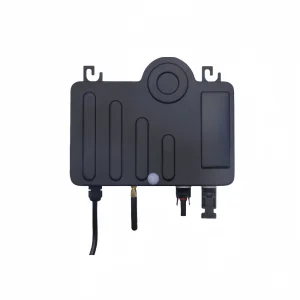
Engineered for high density urban and suburban rooftops, LTWSmart microinverters utilize IP67 weatherproofing and individual Maximum Power Point Tracking (MPPT). This ensures maximum energy yields even during partial shading, with module-level shutdown features to protect structural installations.
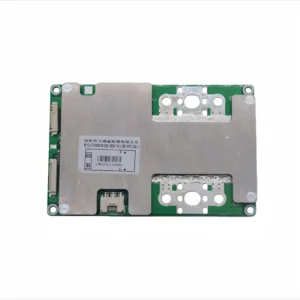
By pairing bidirectional power inversion with smart lithium battery protection boards (such as the LTW 20S 100A/120A Bluetooth/CAN boards), homes can store excess solar power during the day. This energy is then deployed during peak utility hours or grid outages, ensuring uninterrupted backup power.
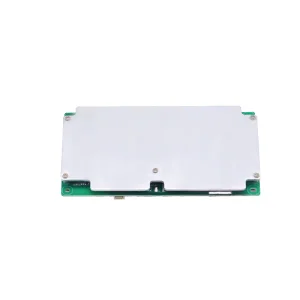
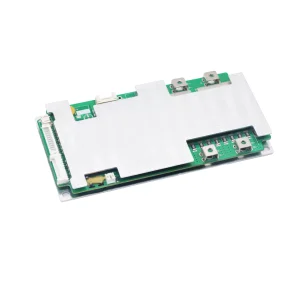
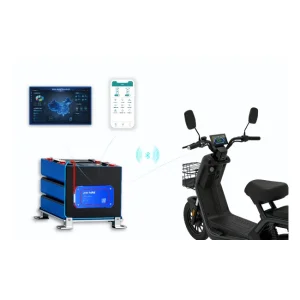
Custom 13S to 23S high-amp smart protection boards manage heavy duty electrical systems in sightseeing vehicles, warehouse AGVs, and electric fleets. They offer CAN communication protocols, auto discharge protection, heating, and cell-balancing to maintain fleet readiness.
Analyzing the paradigm shift in residential power management and the technologies defining the next generation of solar inverters.
Tomorrow's inverters must support grid aggregation. Through integrated IoT communication protocols, residential energy systems form Virtual Power Plants. These systems sell surplus capacity back to energy providers during demand spikes, creating new revenue streams for end users.
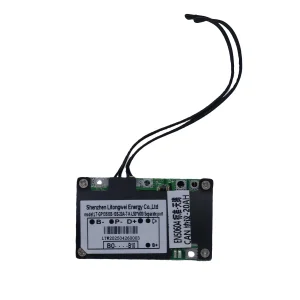
Traditional passive balancing wastes energy as heat. Litongwei's smart BMS boards implement active balancing algorithms and NTC thermal sensors. By monitoring individual cell health in real time, they extend battery lifespans and prevent thermal runaway.
Environmental conditions fluctuate rapidly. Integrated microinverters must dynamically adjust their operating parameters. Advanced MPPT tracking reaches 96.5% efficiency by continuously optimizing voltage and current ratios, even under extreme conditions.
Litongwei has maintained long-term technical collaborations with major global brands, supplying trusted energy-control solutions across multiple industries.











Collaborating with industry leaders including Huawei, Lenovo, Desay, Guoguang, Sunwoda, Eve Energy, and Guoxuan High-tech.
We help global wholesalers and EPC contractors mitigate risk, control costs, and maintain technical compliance.
We align our manufacturing with key international standards (CE, UL, IEC, RoHS, and local grid regulations) to streamline customs clearance and project certification.
From custom branding and color schemes to specialized software features (such as targeted active cooling algorithms or communication interfaces), our engineering team supports tailored product requirements.
Our sales and engineering teams offer end-to-end support, covering demand forecasting, shipping logistics, and remote cloud diagnosis for field issues.
Technical answers to common questions about house solar inverters, intelligent BMS configurations, and B2B manufacturing partnerships.
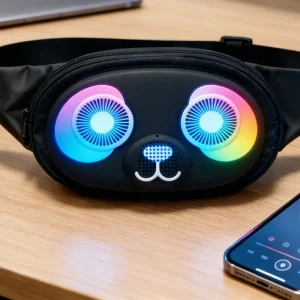
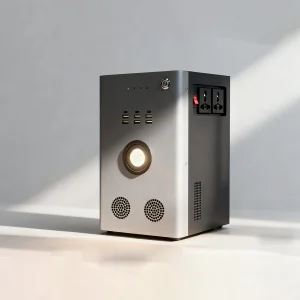
Complete B2B catalog covering high-capacity battery protection boards, specialized device display screens, and outdoor smart products.
 Litongwei Electronic