Explore our premium-grade smart battery protection hardware and integration platforms engineered for advanced residential microinverters and power systems.
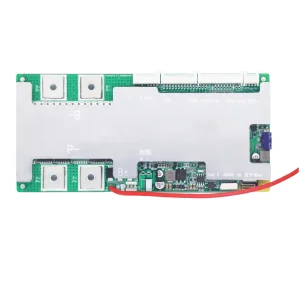
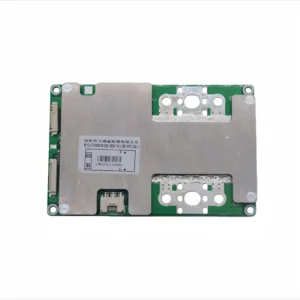
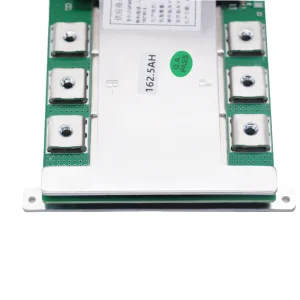
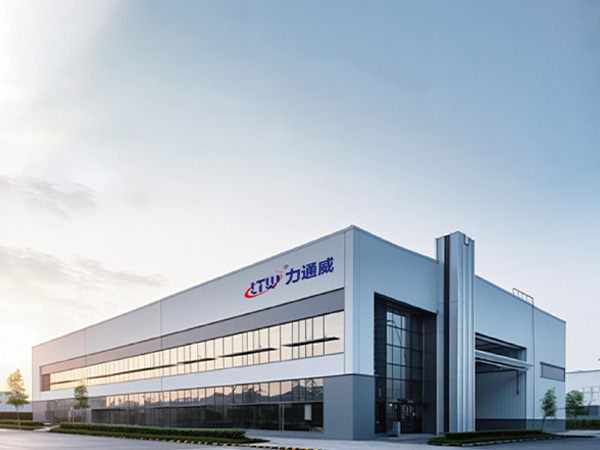
Established in 2005, Shenzhen Litongwei Electronic Technology Co., Ltd. has evolved into a premier national high-tech enterprise specializing in the R&D, design, and intelligent production of lithium-ion safety control systems and power management architecture. Through our commitment to building sustainable energy management solutions, we cater to a broad spectrum of energy storage applications, light electric vehicles, and high-efficiency household inverters.
By integrating smart cloud monitoring platforms, intelligent BMS hardware, and high-precision temperature detection systems (NTC), we address the critical pain points of the modern green energy transition. As global consumers pivot to microgrid systems, our products offer unparalleled safety, seamless device interoperability, and extensive intellectual property protection (preventing commercial infringement through active patent collaboration).
Our long-term collaborative network includes world-class enterprise clients such as Huawei, Lenovo, Desay, Guoguang, Sunwoda, Eve Energy, and Guoxuan High-tech. Litongwei remains dedicated to delivering industry-standard shared boards that drive cost reduction, quality control, and full-process manufacturing traceability.
How the convergence of AI, Smart Grid integration, and clean energy storage is redefining the household inverter factories landscape.
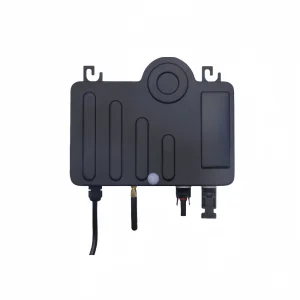
Traditional grid-following setups are giving way to grid-forming systems. Modern microinverters (like our MINV500S series) dynamically modulate local voltage and frequency, ensuring uninterrupted household operations even during severe localized grid disruptions.
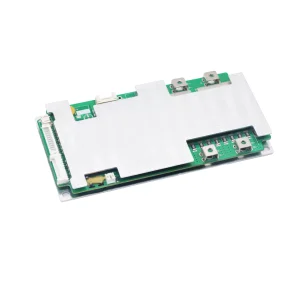
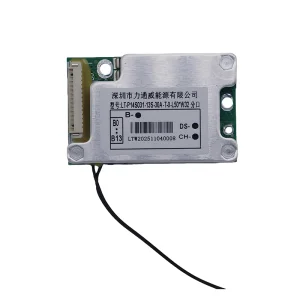
Modern household energy solutions demand direct communication protocols (CAN/Bluetooth) between the battery protection system (BMS) and the inverter. Our 13S to 23S intelligent control systems align seamlessly to minimize transformation energy losses.
Integrating multi-channel NTC temperature probes guarantees that cells operate within optimized thermodynamic boundaries. This safety standard prevents thermal runaway in high-capacity residential applications, boosting consumer confidence.
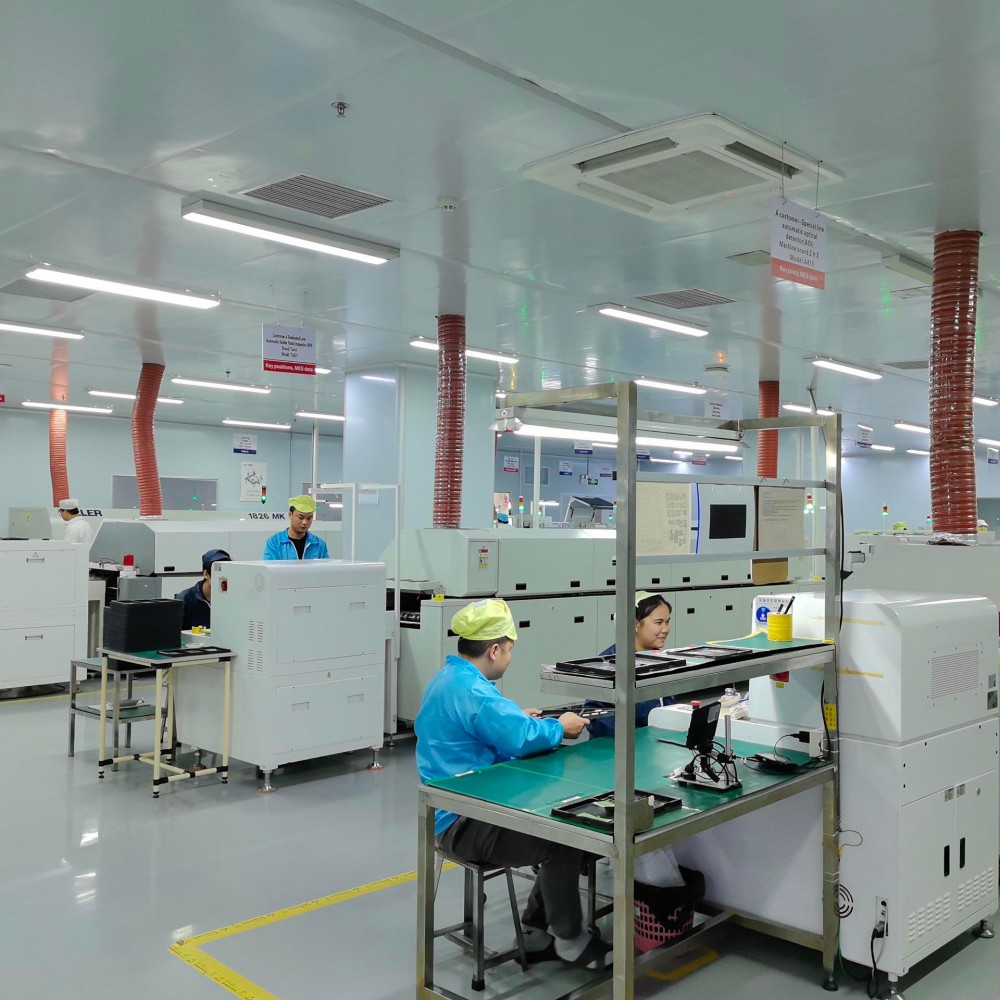
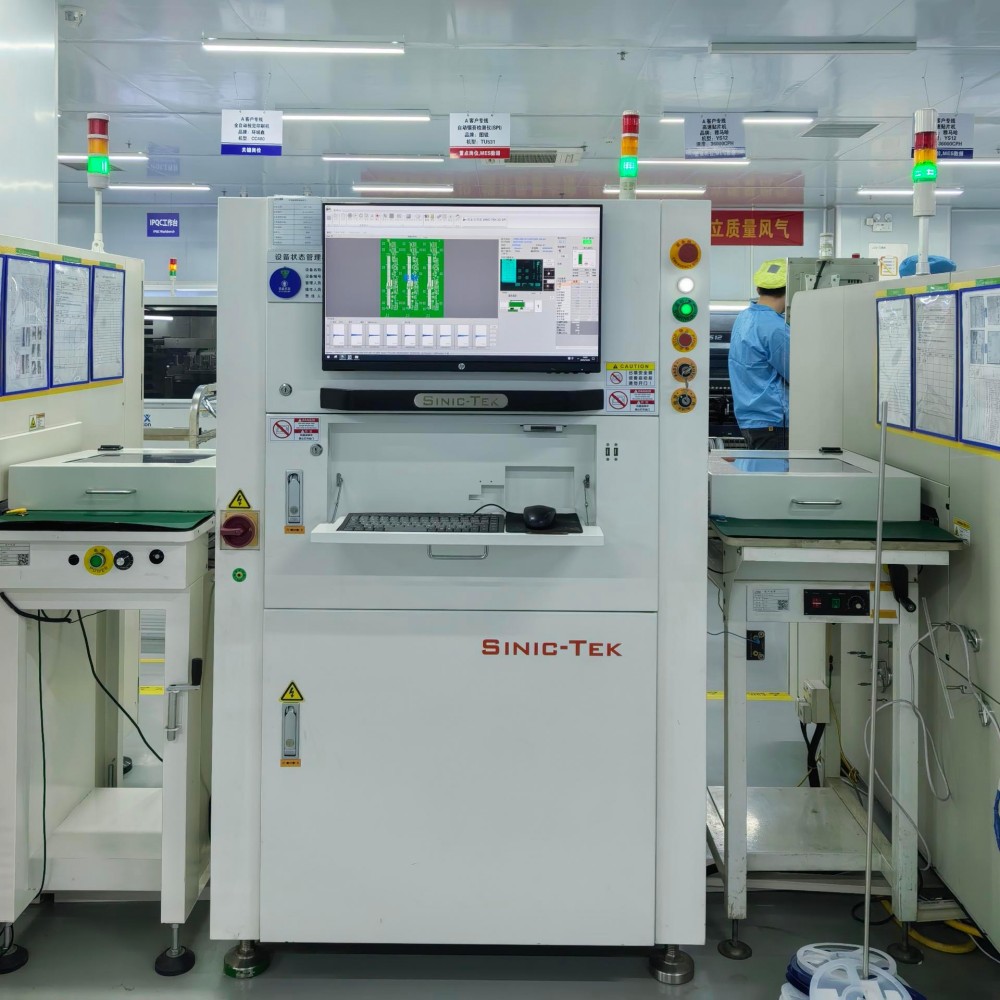

International buyers navigating the **household inverter wholesale** market demand extreme manufacturing agility. Shenzhen Litongwei meets this demand through modern SMT assembly automation, rigorous quality monitoring, and a highly integrated domestic raw materials supply chain.
Across our 13,000 square meters of manufacturing space in Shenzhen and 27,000 square meters in Dongguan Huangjiang, we operate 24 high-speed pick-and-place SMT machines alongside 12 dedicated PCBA assembly lines. Delivering a combined capacity of over 15 million units per month, our processes are supported by an end-to-end MES system that ensures complete trace-back capability for every single circuit component.
This scale guarantees that we can quickly adapt to changing market requirements. Whether processing custom OEM battery management boards, intelligent communication frameworks (CAN/Bluetooth), or high-efficiency microinverters, Litongwei handles high-volume global demands with ease.
Data-driven validation of our commitment to quality, product development, and volume production.
A twenty-year track record of technical innovation, global certifications, and industrial transformation.
Collaborating with global brands to build reliable energy storage systems.







How our BMS and inverter systems operate across diverse residential, utility, and portable scenarios.
Enables home storage networks to feed surplus solar energy back into municipal utility systems. Dynamic communication protocols automatically manage bidirectional power flow based on peak demand periods.
Supporting electric scooters, golf carts, and electric delivery trikes. Intelligent 10S to 20S protection systems guard against sudden high-current discharges, protecting the long-term health of LiFePO4 cells.
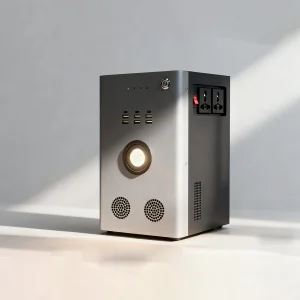
Ideal for multi-fuel portable generators, camping, and micro-inverter networks. Ensures energy conversion efficiency exceeds 96.5% under heavy inductive and capacitive household loads.
In typical residential solar configurations, the inverter and battery system are often treated as distinct components. However, achieving high safety levels and energy efficiency requires treating them as an integrated system. The core of this system is the communication interface between the inverter's Maximum Power Point Tracking (MPPT) system and the battery pack's protection board.
Unlike simple industrial loads, household loads are highly dynamic. Modern household appliances like refrigerators, HVAC systems, and washing machines create large inductive startup currents. If a BMS cannot handle these transient surges, it will trip prematurely, disrupting power to the home.
Litongwei's custom 20S 200A and 23S 60A configurations are designed to address this challenge. They offer programmable overcurrent trip thresholds and custom damping filters. By coordinating with the inverter's control loop, the BMS can tolerate short-duration surges while maintaining fast-acting safety cutoffs in the event of a genuine short circuit.
Lithium iron phosphate (LiFePO4) chemistries are preferred for home energy storage because of their excellent thermal stability. However, they also exhibit a flat voltage discharge curve, which makes determining the state-of-charge (SoC) challenging. Under standard usage, individual cell voltages can drift apart over time, reducing the usable capacity of the battery pack.
Our protection boards solve this issue using precise passive balancing networks. By dissipating excess energy from higher-voltage cells during the top-off charge cycle, the system keeps the pack balanced, extending its operating life and protecting the household inverter from unexpected cell-under-voltage trips.
Industry 4.0 principles extend beyond the factory floor. By pairing Bluetooth modules and high-speed CAN buses, our systems enable real-time operational data telemetry. Using this setup, system operators can monitor cell temperatures, cycle histories, and current distributions via local displays (such as our 4.3-inch smart screen options) or secure cloud dashboards.
This remote diagnostic capability allows installers to identify potential anomalies before they lead to system failures, reducing field maintenance costs and improving overall system reliability.
Critical engineering considerations, testing standards, and logistics strategies for wholesale energy system buyers.
Discover our range of heavy-duty battery management systems and specialized microinverters designed for residential energy storage.
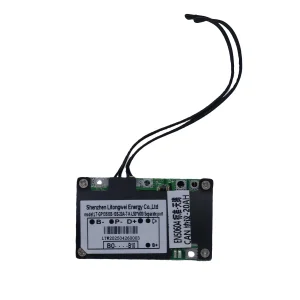
 Litongwei Electronic