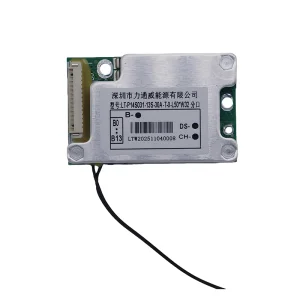
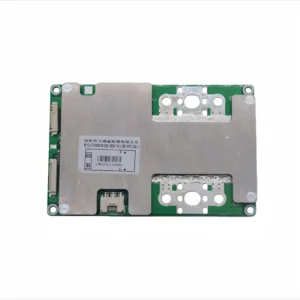
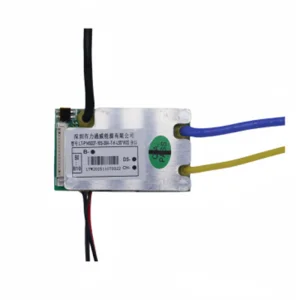
Explore our top-tier Intelligent BMS range engineered for robust industrial performance, custom-built for global suppliers and assembly lines.

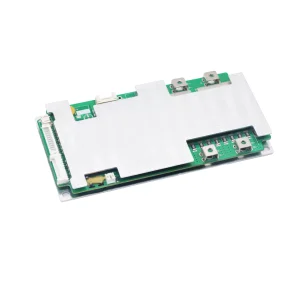
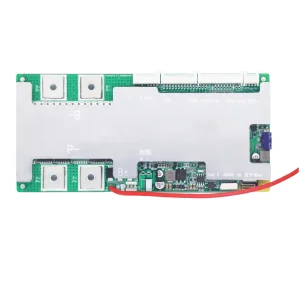
Insight analysis of global electrification trends, supply chain dynamics, and the pivotal role of modern battery management technologies.
The contemporary global industrial sector is undergoing a rapid transition from conventional carbon-intensive fossil fuel machinery to highly efficient, electrified systems. Central to this electrification wave is the lithium-ion battery, an energy storage technology whose commercial potential is unlocked through rigorous charge-discharge control. Without robust protection systems, industrial batteries face mechanical degradation, thermodynamic instability, and premature life cycle decay. This has placed intelligent Battery Management Systems (BMS) at the core of the global industrial equipment supply chain.
In highly regulated markets such as North America, Europe, and developed parts of Asia, demand for smart BMS is scaling exponentially. This growth is driven by the expansion of zero-emission fleets, autonomous guided vehicles (AGVs) in logistics hubs, utility-scale microgrids, and portable industrial power storage units. Modern companies require more than just off-the-shelf electronic modules; they demand tailored solutions that mitigate circuit risks, prevent thermal runaway, and integrate seamlessly into broader digital maintenance platforms via communication protocols like CANbus, RS485, and Bluetooth.
Purchasing agents and design engineers searching for "Wholesale Industrial Equipment Factories & Companies" face a market saturated with generic listings. True competitive advantage is built on understanding the technical nuances of component designs. For instance, selecting the correct NTC (Negative Temperature Coefficient) thermistor layout directly dictates a BMS's capability to detect micro-hotspots within high-capacity packs before cell failure occurs. By prioritizing high-accuracy SOC (State of Charge) and SOH (State of Health) algorithms, global industrial enterprises can reduce machinery downtime by up to 35% and double the operational life of their battery assets.
We are Shenzhen Litongwei Electronic Technology Co., Ltd., established in 2005, a national high-tech enterprise specializing in the R&D and manufacturing of lithium-ion safety control systems. Our products are widely used in 3C digital devices, electric scooters, bicycles, motorcycles, tricycles, golf carts, AGVs, drones, and power tools.
We provide intellectual property protection (patent collaboration to prevent infringement), industry-standard shared boards (cost reduction and efficiency improvement), full-process traceability (quality control), and remote maintenance (cloud platform support) to help you address technical, cost, and operational challenges. By choosing us, you'll receive top-tier products and services. Litongwei is committed to collaborating with you to build a brighter future together.

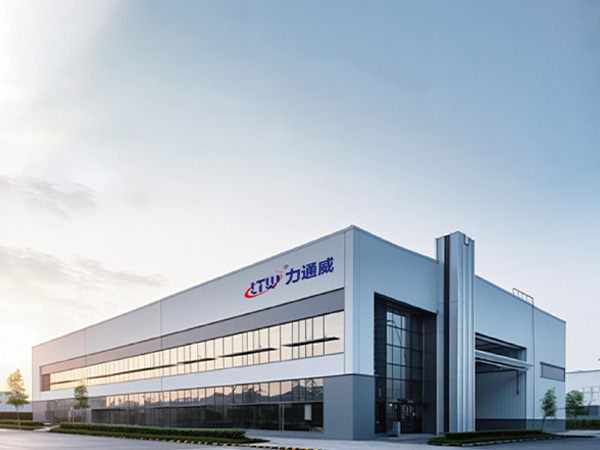
LITONGWEI has always adhered to the philosophy of "Technology as King, Efficient Service" in all aspects of production and operations. Our vision is to become a provider of intelligent green energy management solutions, embracing environmental sustainability. Start with LITONGWEI!
Analyzing the industrial ecosystems of Shenzhen and Dongguan, and how they secure raw material continuity, high-speed SMT assembly, and global logistical agility.
The manufacturing efficiency of Shenzhen Litongwei Electronic Technology Co., Ltd. is deeply tied to its presence in the Pearl River Delta industrial cluster. This region serves as the global hub for electronic component fabrication, assembly, and outbound distribution. China's supply chain resilience is built on localized integration, allowing raw silicon, substrate laminates, passive components, and advanced microcontrollers to be sourced, tested, and assembled within a 50-kilometer radius.
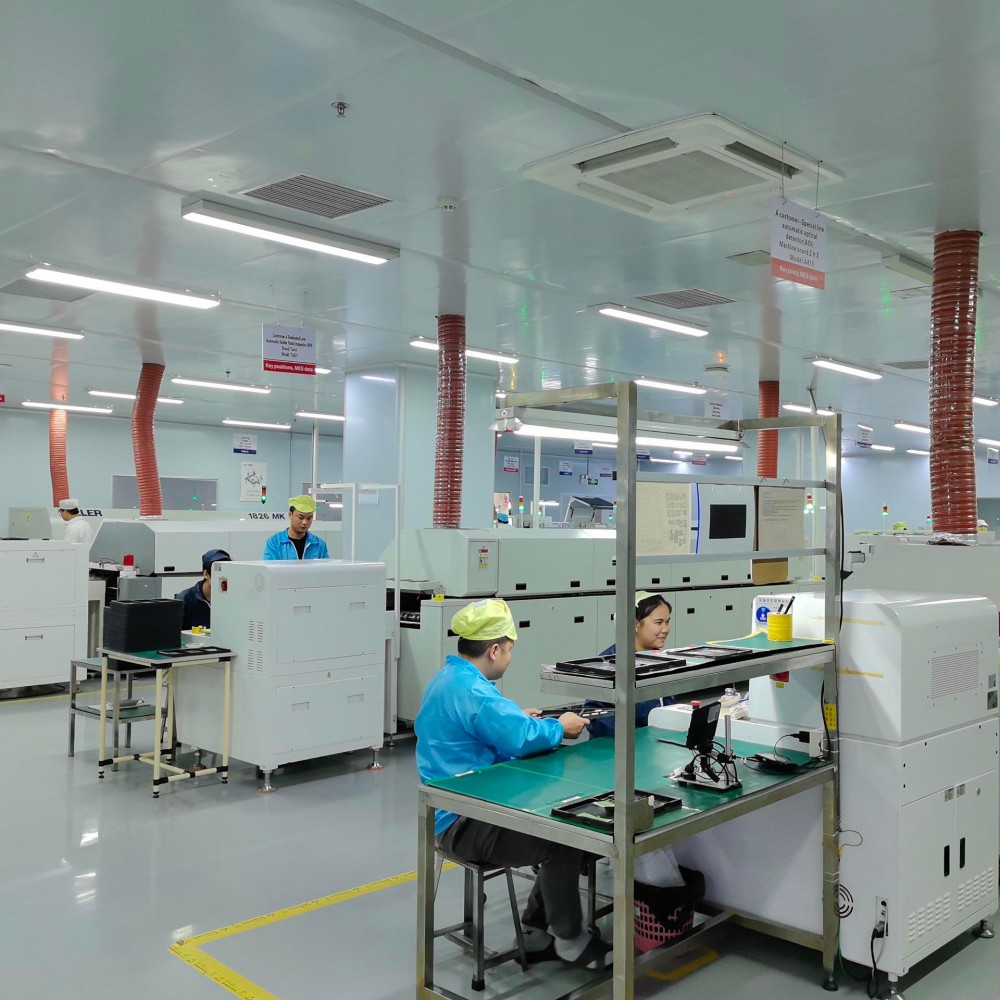
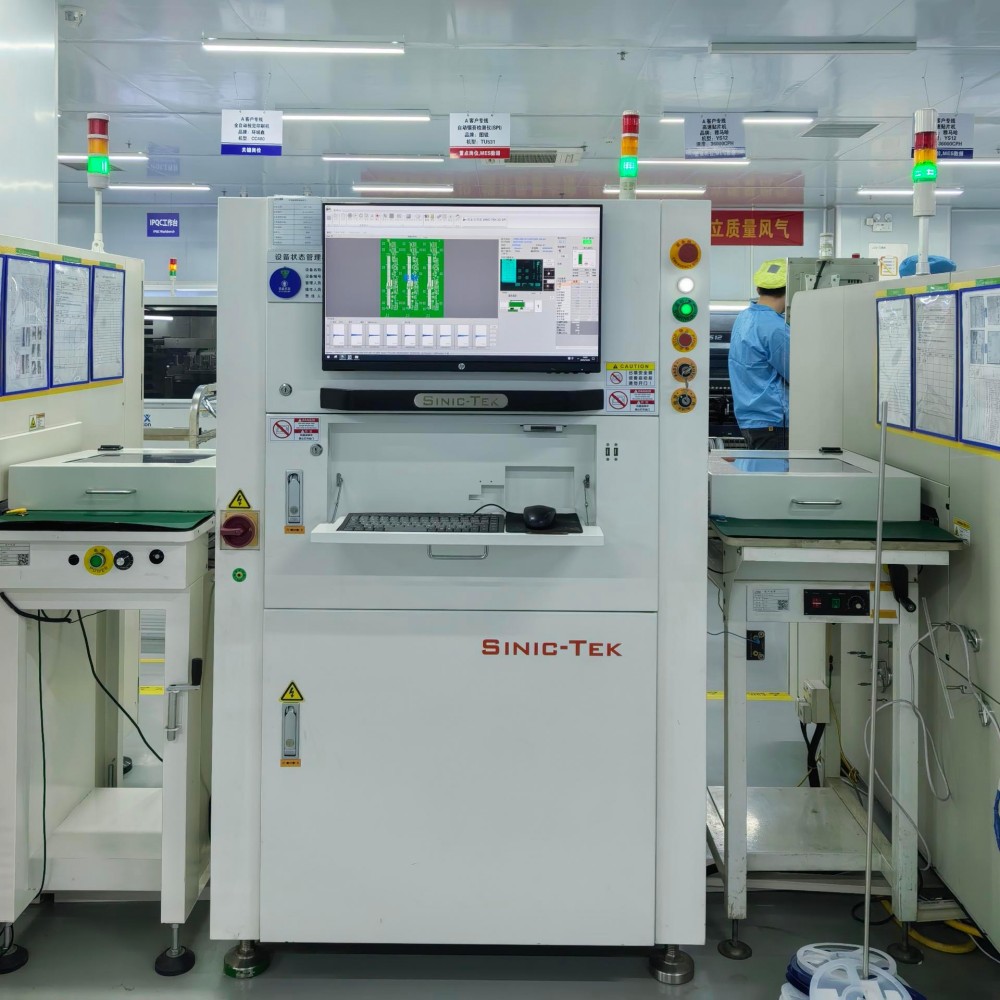
This geographic concentration reduces lead times from months to days. Unlike fragmented global manufacturing networks that are vulnerable to shipping disruptions, our production centers in Shenzhen and Dongguan maintain constant component flows. By combining this local supplier base with in-house SMT assembly, Litongwei ensures high-speed production capability and cost-competitive rates, shielding international buyers from supply chain shocks.
Vertical integration within our facilities means that design, PCB routing, SMT placement, firmware programming, validation, and final thermal analysis are managed under a unified Quality Management System (QMS). Using computerized MES (Manufacturing Execution Systems) tracking software, every lithium-ion safety control board is assigned a unique tracking identity. This ensures total traceback capabilities down to individual solder points, protecting product reliability for critical automotive and backup power grids.
From smart city micro-mobility networks to automated warehouse AGVs, discover how our protection technology functions in the field.
In dense urban centers across Europe and North America, e-bikes, e-scooters, and electric three-wheelers are vital for parcel logistics. These vehicles run through demanding charge cycles in varying weather conditions. Litongwei's 13S to 20S smart BMS variants include NTC thermal tracking and built-in Bluetooth, allowing delivery fleets to monitor pack temperatures and voltage levels in real time via mobile apps. This prevents thermal issues, optimizes battery usage, and reduces vehicle down-time.
Modern distribution warehouses rely on 24/7 AGVs and Autonomous Mobile Robots (AMRs) to move goods. These machines require high-current charging and discharging, where voltage stability is critical. Our heavy-duty 20S 100A and 120A protection boards use low internal resistance MOSFETs and heat sink plates to manage high current without overheating. This ensures stable power delivery, supporting precise navigation and lifting operations.
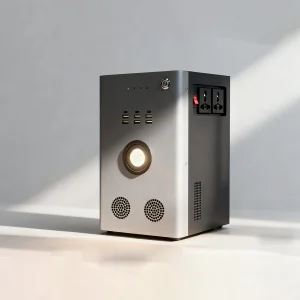
For outdoor service personnel, construction workers, and emergency responders, portable power banks (like our 500W / 1 kWh model) act as essential mobile microgrids. Integrated with high-performance BMS, these portable stations handle bidirectional DC-AC conversion safely. The board protects the lithium cells from overload or short-circuit failures during high-power draw, ensuring a reliable power source in remote locations.
Discover how Cloud-BMS, edge computing, smart balancing, and IoT integration are shaping the future of industrial energy management.
The next phase of battery management goes beyond simple over-voltage and over-current protection. As industries digitalize, the BMS is evolving into an intelligent edge-computing device. Litongwei's technology roadmap focuses on three main developments: **AI-powered battery diagnostics, IoT cloud integration, and active balancing technology**.
AI-powered state-of-health estimation uses machine learning models on cloud servers to analyze battery data collected from field units. By identifying micro-anomalies in voltage decay rates, the system can predict cell failures before they occur, shifting maintenance from reactive to predictive. IoT-enabled BMS models allow fleet operators to manage and update battery safety parameters over-the-air (OTA), ensuring optimal settings are always in place.
In addition, active cell balancing will become standard for larger industrial batteries. Traditional passive balancing dissipates excess energy as heat, but our active balancing roadmap focuses on redistributing energy from higher-charged cells to lower-charged ones. This minimizes energy loss, reduces heat generation, and improves the overall efficiency and lifespan of high-voltage battery arrays.
From our foundations in 2005 to our current position as an Industry 4.0 smart manufacturing leader, follow our journey of innovation.
In 2005, the company commenced R&D and manufacturing of digital Battery Management Systems (BMS). By 2006, it expanded into power battery management system development. ISO9001 certification was obtained in 2007, followed by ISO14001 certification in 2009.
The company secured 8 utility model and design patents in 2011, while expanding its mobile power bank manufacturing operations. The Litongwei Technology Research Institute was established in 2012. It received the Del New Energy Quality Excellence Award in 2014 and earned the Gold Partner title from Gaogong Lithium Battery in 2015.
The company upgraded its ISO 9001 and ISO14001 certifications in 2016, achieved IATF16949 certification in 2018, and implemented an MES system for warehouse automation. It was awarded the Guangdong Battery Industry Association Innovation Award in 2019 and recognized as a leading brand in lithium battery protection board technology for two-wheeled vehicles in 2020.
Litongwei Electronics continues to innovate, deepening its technological expertise while embracing IoT and Industry 4.0. Through its Smart Manufacturing+ strategy, the company drives industrial transformation and upgrading.
Collaborating with global industry leaders to supply reliable energy protection solutions.











Understanding global regulatory compliance, safety testing standards, and localized technical field service structures.
Entering international markets requires strict compliance with dynamic regulatory frameworks. For lithium-ion energy storage systems, meeting safety benchmarks is necessary to pass customs and satisfy retail safety requirements. Litongwei's manufacturing processes align with international quality standards, holding certifications including **IATF 16949 (Automotive Quality Management), ISO 9001, and ISO 14001**.
Our BMS modules are engineered to meet key international safety certifications, including **CE, FCC, RoHS, and UN38.3** for secure shipping. In addition, our circuit boards can be customized to comply with localized standards like UL2271 for light electric vehicle batteries and UL1973 for stationary energy storage. This compliance helps our clients reduce certification barriers and accelerate their time-to-market.
A key risk for global buyers sourcing electronic assemblies is intellectual property infringement. Litongwei addresses this by offering transparent, collaborative patent agreements. We work closely with our clients' engineering teams under strict non-disclosure agreements (NDAs) to co-develop custom firmware and proprietary layouts, ensuring full design ownership and security for proprietary developments.
Expert technical responses to the most common sourcing, engineering, and logistics questions from global procurement teams.
The Negative Temperature Coefficient (NTC) thermistor monitors temperature at critical locations within the battery pack. If cell temperatures exceed safety thresholds during charging or discharging, the BMS alerts the system and can shut down current flow to prevent thermal runaway.
We offer joint patent agreements and custom layout developments under NDAs. By providing tailored hardware configurations and firmware designs, we ensure our clients' proprietary intellectual property is protected throughout the manufacturing process.
Yes, our smart BMS models support communication protocols including CANbus, RS485, UART, and Bluetooth. This allows integration with motor controllers, vehicle dashboards, and cloud diagnostics systems.
Our facilities in Shenzhen and Dongguan operate under ISO 9001, ISO 14001, and IATF 16949 standards. We use automated MES tracking to monitor components throughout the SMT assembly and testing phases.
Our current boards use passive cell balancing to maintain voltage consistency across cells. Our product roadmap also includes active balancing solutions for larger, high-voltage battery systems to improve energy efficiency.
Our specialized solutions, custom-configured by Litongwei engineers for international markets and demanding operating conditions.
 Litongwei Electronic