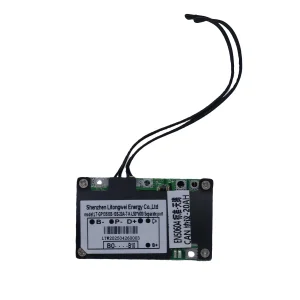
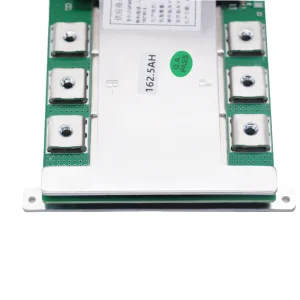
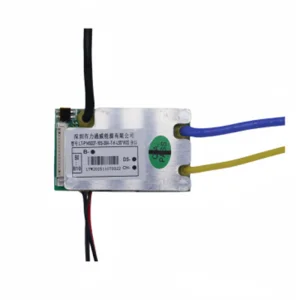
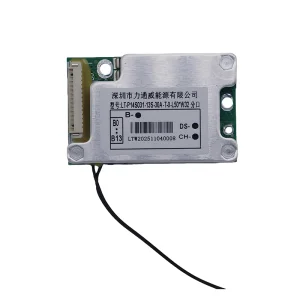
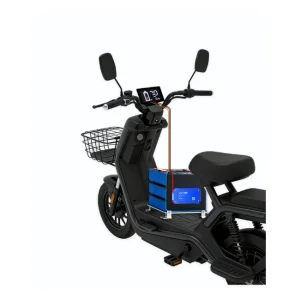
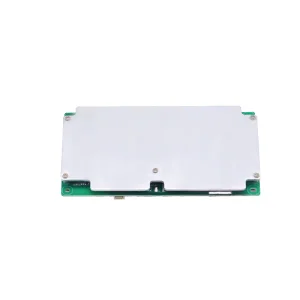
Explore our premium wholesale battery protection boards (BMS) and intelligent off-grid control units engineered for maximum durability and high-efficiency performance.
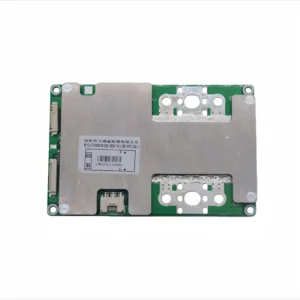
In the contemporary global shift toward decentralized energy, the reliability of off-grid infrastructures relies heavily on two foundational technologies: intelligent off-grid power conversion (inverters) and dynamic energy storage safety networks (Battery Management Systems, or BMS). Globally, off-grid power operations are transitioning from passive safety structures to cloud-interactive, high-efficiency topologies capable of working under extreme thermal stress, complex electric utility variations, and stringent carbon regulations.
As leading providers of safety management systems and high-efficiency microinverters, factories in the Shenzhen and Dongguan technological clusters have evolved from standard OEM fabrication plants to advanced research partners. For global procurement directors, utilities, and commercial and industrial (C&I) system integrators, selecting the ideal off-grid partner involves analyzing the structural architecture of the manufacturing partner's supply chain, intellectual property protections, certification compatibility, and technological roadmaps.
An effective off-grid inverter system is only as stable as the underlying battery cells and the safety protection systems that monitor them. Our engineering approach bridges the gap between raw power inversion and precise chemical lifecycle preservation. Through advanced thermal modeling, multi-layered anti-reverse safeguards, and sub-millisecond overcurrent triggers, we supply integrated solutions that lower the Total Cost of Ownership (TCO) of municipal, industrial, and consumer off-grid installations.
Off-grid energy setups are no longer limited to basic household solar panels. Today, complex applications require deep customization and modular scalability:
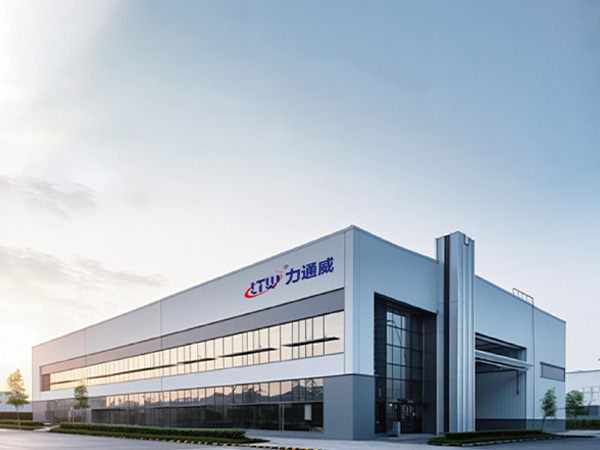
Established in 2005, Shenzhen Litongwei Electronic Technology Co., Ltd. is a national high-tech enterprise specializing in the research, development, and manufacturing of advanced lithium-ion safety control systems and power management structures. Our solutions are deployed across diverse sectors, including 3C digital devices, electric scooters, bicycles, motorcycles, tricycles, golf carts, automated guided vehicles (AGVs), drones, and industrial power tools.
We solve technical, operational, and financial challenges for our global partners by providing: intellectual property protection (cooperative patent agreements), industry-standard shared boards for enhanced cost efficiency, full-process traceability via custom MES databases, and remote cloud-based diagnostic platforms.

At LITONGWEI, we prioritize a philosophy of "Technology as King, Efficient Service" in all aspects of our production and operations. Our ultimate vision is to serve as a premier provider of intelligent green energy management solutions. We design for environmental sustainability and long-term operating life, ensuring that your transition to off-grid solar infrastructure is safe, dependable, and highly efficient. Start your sustainable energy path with LITONGWEI!
Technology-driven growth. In 2005, the company commenced R&D and manufacturing of digital Battery Management Systems (BMS). By 2006, we expanded into power battery management systems development. ISO9001 certification was obtained in 2007, followed by ISO14001 certification in 2009.
Technological advancement. The company secured 8 utility model and design patents in 2011, while expanding mobile power bank manufacturing operations. The Litongwei Technology Research Institute was established in 2012. We received the Del New Energy Quality Excellence Award in 2014 and earned the Gold Partner title from Gaogong Lithium Battery in 2015.
Digital transformation. The company upgraded its ISO 9001 and ISO14001 certifications in 2016, achieved IATF16949 certification in 2018, and implemented a custom MES system for warehouse automation. We were awarded the Guangdong Battery Industry Association Innovation Award in 2019 and recognized as a leading brand in lithium battery protection board technology for two-wheeled vehicles in 2020.
Smart Manufacturing+. Litongwei Electronics continues to innovate, deepening its technological expertise while embracing IoT and Industry 4.0. Through its Smart Manufacturing+ strategy, the company drives industrial transformation and upgrading.
Our operational capabilities, financial stability, and R&D investments set a benchmark in the energy protection sector.
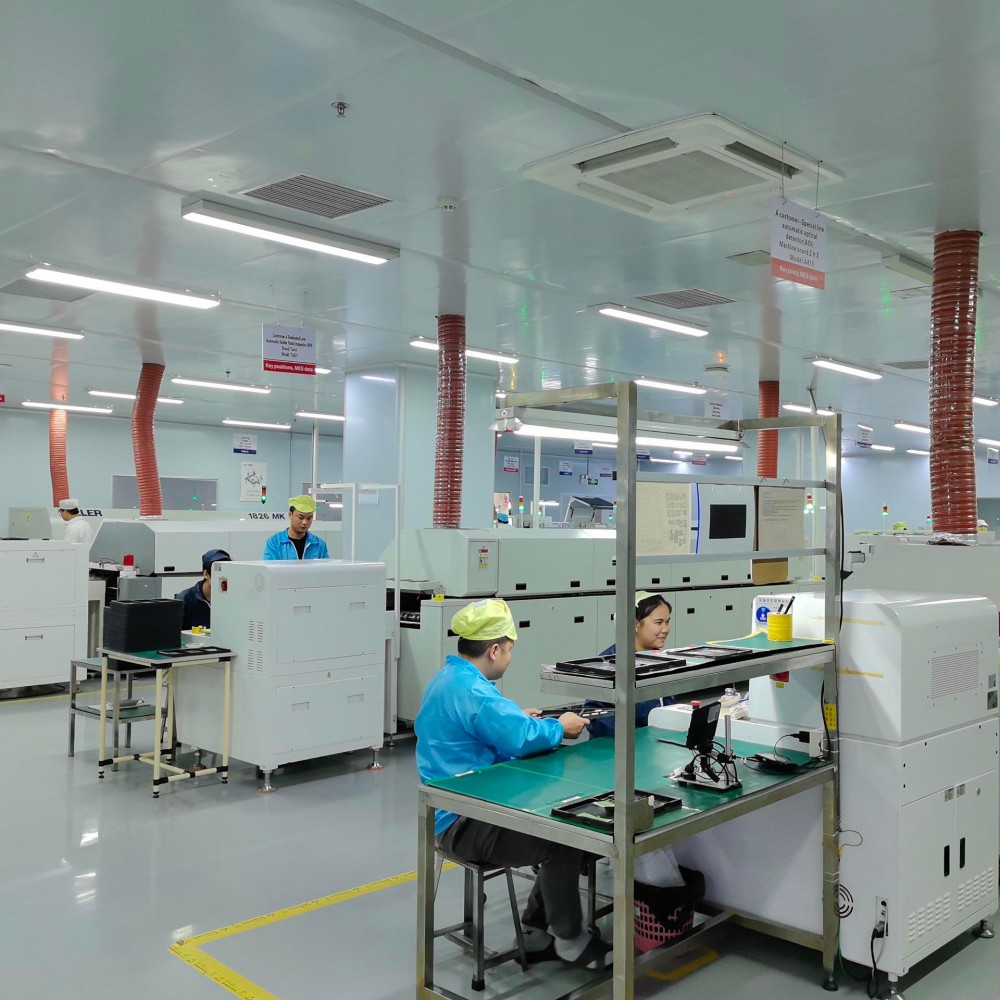
We operate over 13,000 square meters of independent factory space in Shenzhen, alongside a 27,000 square meter facility in Dongguan Huangjiang. Equipped with 24 high-speed pick-and-place SMT machines and 12 PCBA production lines, our monthly output exceeds 15 million units.
To maintain our position in technological development, Litongwei's R&D investment has consistently accounted for more than 10% of total sales revenue for five consecutive years.
With over 100 industry patents, circuit/testing patents, and automation designs, we offer enhanced intellectual property protection and collaborate with clients to mitigate regulatory and patent infringement risks.
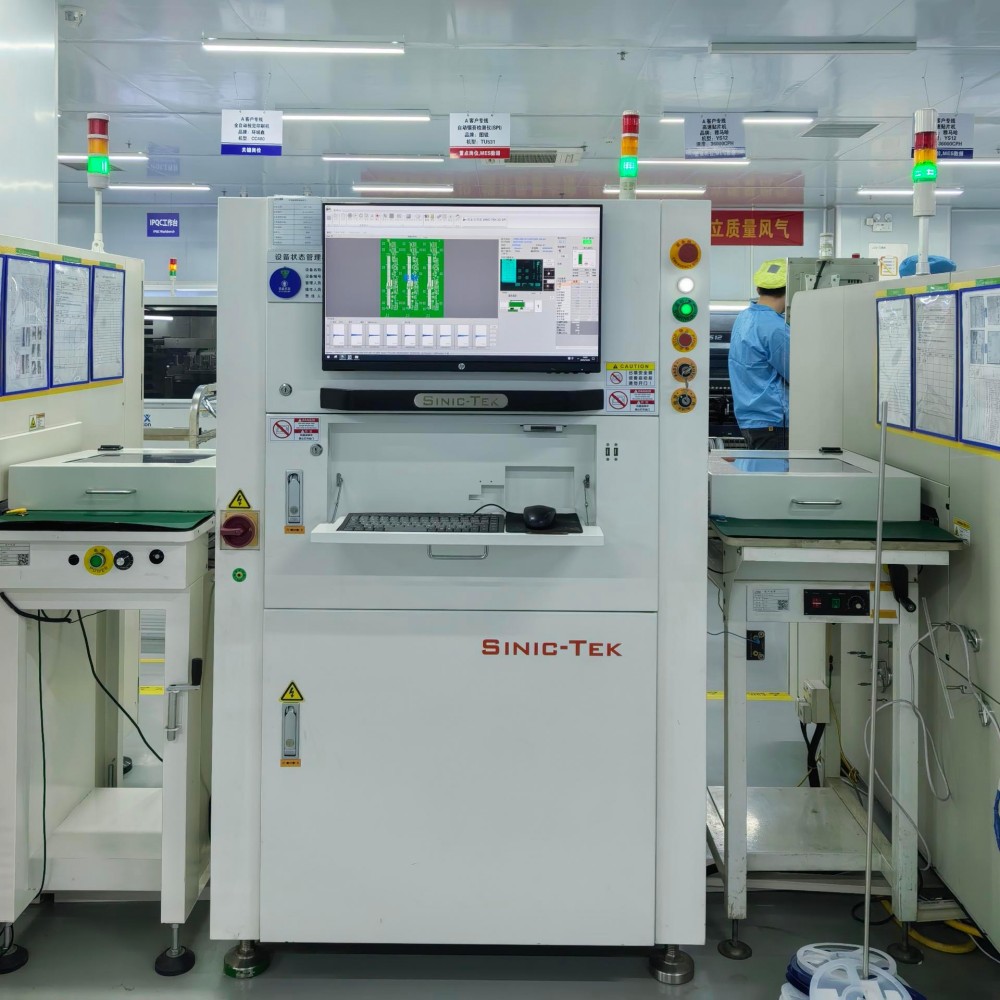
Operating in the high-density electronics ecosystems of Shenzhen and Dongguan allows Litongwei to maximize supply chain efficiency and responsiveness. Factory 4.0 represents the convergence of high-speed SMT assembly, automated optical inspection (AOI), and manufacturing execution systems (MES) to deliver high-yield production runs.
Our production facilities utilize dynamic tracking systems for every batch of components. From the initial solder paste print to high-speed chip mounting, reflow soldering, and end-of-line functional tests, each stage is logged. This end-to-end traceability ensures that any component variation can be immediately identified and addressed, keeping field failure rates below industry standards.
Furthermore, local access to raw semiconductors, copper clad laminates, and specialized encapsulation silicon ensures that our factory lead times remain resilient, even amid global logistical disruptions. This vertical supply integration allows us to offer flexible OEM/ODM options to our global clients.
The next decade of off-grid solar development centers on integration, intelligent control, and material advancement. Litongwei's R&D pipeline focuses on several core technologies:
Global sourcing teams must balance cost reduction with reliability, compliance, and delivery timelines. When procurement managers evaluate off-grid inverter and battery protection board suppliers, several key metrics are essential:
To support deployment in international markets, Litongwei has established localized technical support frameworks. We assist our clients through the certification process for various regions:
Our dedicated support teams provide engineering validation, integration assistance, and system analysis to help resolve issues during design-in phases.
Litongwei works with leading enterprises to deliver reliable power protection systems worldwide.











Detailed technical answers regarding microinverters, battery management safety configurations, and project compliance.
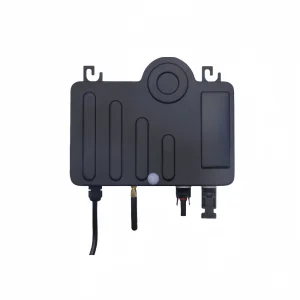
Our specialized microinverters and high-power BMS units are designed for optimal power conversion and safety across residential, mobile, and backup systems.
 Litongwei Electronic