Explore our premium grade products integrated with proprietary smart BMS and thermal management systems, engineered to ensure exceptional longevity and safety.
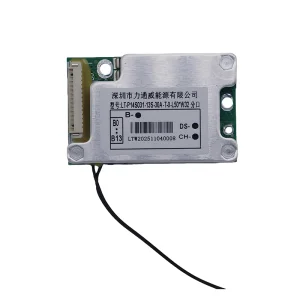
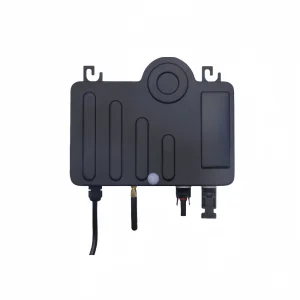
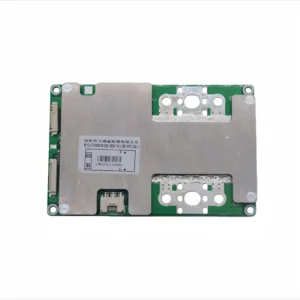
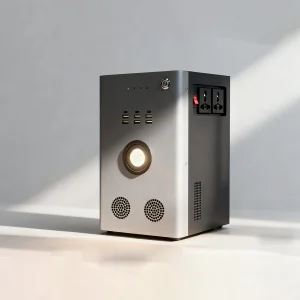
In the current transition to sustainable power architectures, lithium iron phosphate (LiFePO4 or LFP) battery systems have emerged as the standard for industrial, commercial, and stationary energy applications. When evaluated across modern utility scales, LiFePO4 cells outperform alternative chemistries in crucial B2B procurement metrics: lifetime cost of ownership, thermal runway mitigation, safety certification compliance, and environmental sustainability.
By opting for LiFePO4 technology, global enterprises can eliminate the safety concerns associated with thermal runaway events that are common in nickel-cobalt-based chemistries (NMC/LCO). LFP's strong olivine crystal structure resists structural breakdown even when subjected to high overcharging currents, severe mechanical stress, or extreme heat. This physical resilience, combined with intelligent battery management systems (BMS), ensures safe operation for critical applications.
Furthermore, LFP's chemical composition is free of conflict minerals like cobalt and nickel, mitigating supply chain risks and aligning with CSR guidelines. LFP packs also offer a cycle life that often exceeds 4,000 to 6,000 cycles at 80% Depth of Discharge (DoD), representing a major advancement in system lifespan.
Bridging custom engineering with large-scale production, we serve diverse industry sectors with tailored BESS designs and intelligent protection architectures.
Utility-scale energy storage requires cells that balance high thermal limits with predictable discharge curves. Our customized systems enable peak shaving, frequency response, and microgrid integration, protecting hardware investments over decades.
For E-scooters, shared rental bikes, tricycles, golf carts, and autonomous guided vehicles (AGVs), weight efficiency must be paired with mechanical safety. Our tailored BMS-equipped packs resist daily vibration, impacts, and weather extremes.
Uninterrupted Power Supplies (UPS) and telecom base stations demand rapid recharge capabilities and reliable standby performance. Our smart remote management allows operations teams to check state-of-health diagnostics via cloud software.
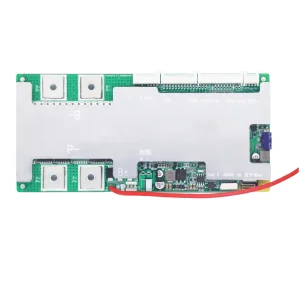
An industrial battery pack is only as reliable as its safety control system. Litongwei's core technology centers on the development of high-voltage battery protection boards and smart BMS controllers. We integrate communication protocols like CANbus, RS485, and Modbus to link storage systems directly with external energy management systems (EMS).
Our active balancing algorithms equalize energy across cells during charge and discharge cycles, resolving cell inconsistencies that can limit battery life. Additionally, our intelligent protection boards feature low-power sleep modes, smart heating elements for sub-zero operations, and multi-stage NTC temperature sensing.
Looking toward the next decade, Litongwei's technical roadmap focuses on cloud-based diagnostics and real-time AI modeling. By analyzing telemetry data from our smart BMS boards, we can predict safety issues before they occur. This technology helps global buyers lower operational overhead, optimize inventory use, and improve system reliability.
Established in 2005, Shenzhen Litongwei Electronic Technology Co., Ltd. is a national high-tech enterprise specializing in the R&D and manufacturing of lithium-ion safety control systems. Over the past two decades, we have focused on safety, quality, and technical performance in energy storage.
Our product line is designed for clean energy and digital systems, supporting applications from 3C digital devices and power tools to electric scooters, bicycles, motorcycles, tricycles, golf carts, AGVs, and heavy-duty drones.
To address our B2B partners' market challenges, we provide four core service guarantees:
By choosing Litongwei, you align your company with a manufacturer committed to technical excellence and operational safety.

A history of technological development, manufacturing growth, and steady progress in green energy management systems.
Commenced R&D and manufacturing of digital Battery Management Systems (BMS) in 2005. Expanded into power battery management system development in 2006. Secured ISO9001 certification in 2007 and ISO14001 certification in 2009.
Secured 8 utility model and design patents in 2011, alongside mobile power manufacturing expansion. Established the Litongwei Technology Research Institute in 2012. Earned the Del New Energy Quality Excellence Award in 2014 and the Gold Partner title from Gaogong Lithium Battery in 2015.
Upgraded ISO certifications in 2016 and secured IATF16949 certification in 2018. Implemented our MES system for warehouse and production automation. Received the Guangdong Battery Industry Association Innovation Award in 2019 and recognized as a leading two-wheeler protection board brand in 2020.
Deepened technological expertise through IoT integration, advanced cloud connectivity, and robotic automation. Implemented our Smart Manufacturing+ strategy to drive efficiency and support large-scale industrial upgrading.
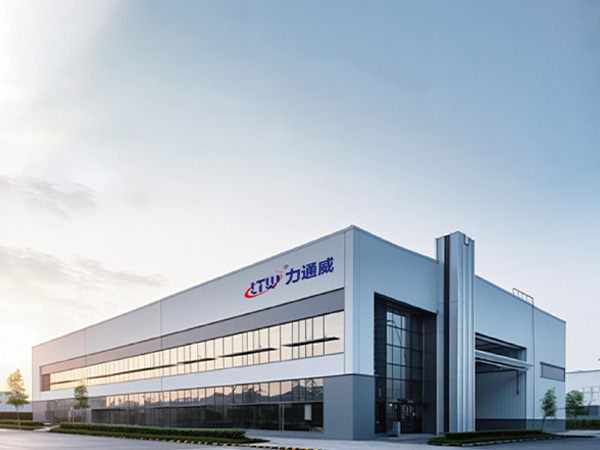
Operating out of automated facilities, Litongwei ensures high capacity, consistent quality, and prompt delivery for international wholesale clients.
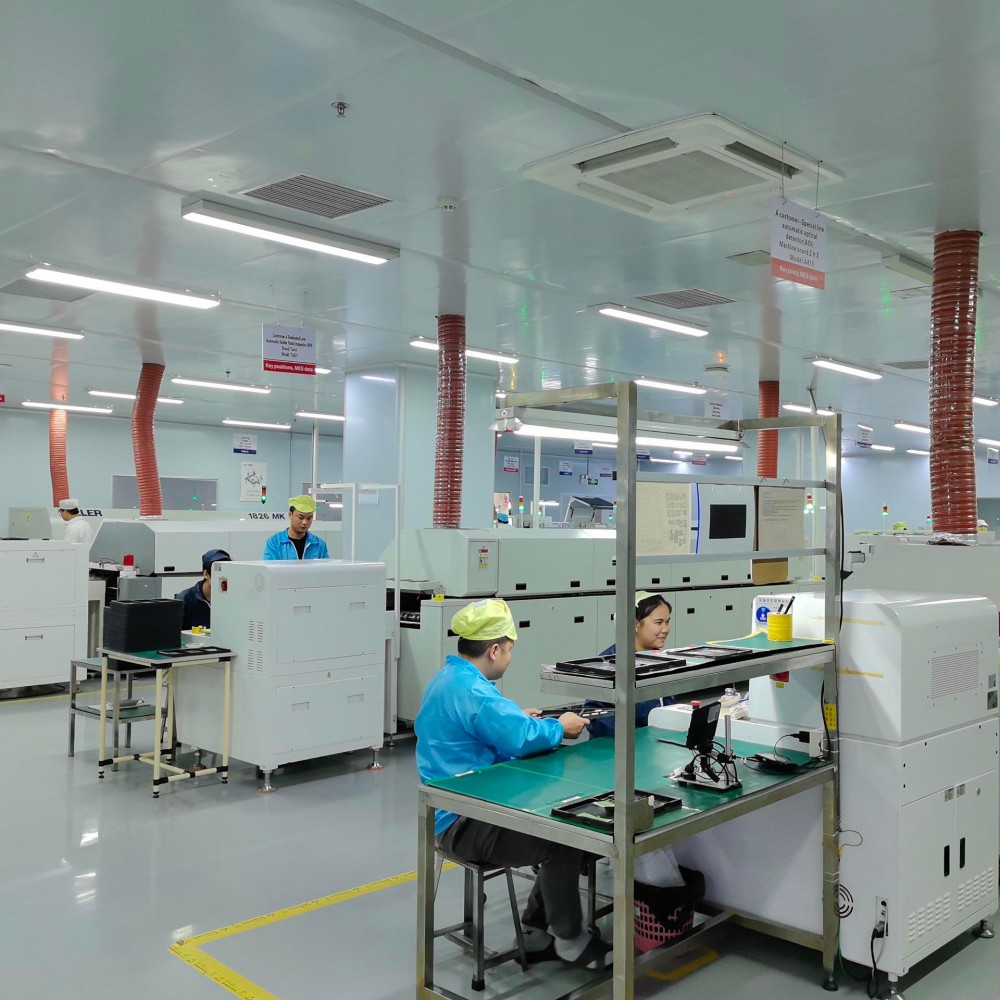
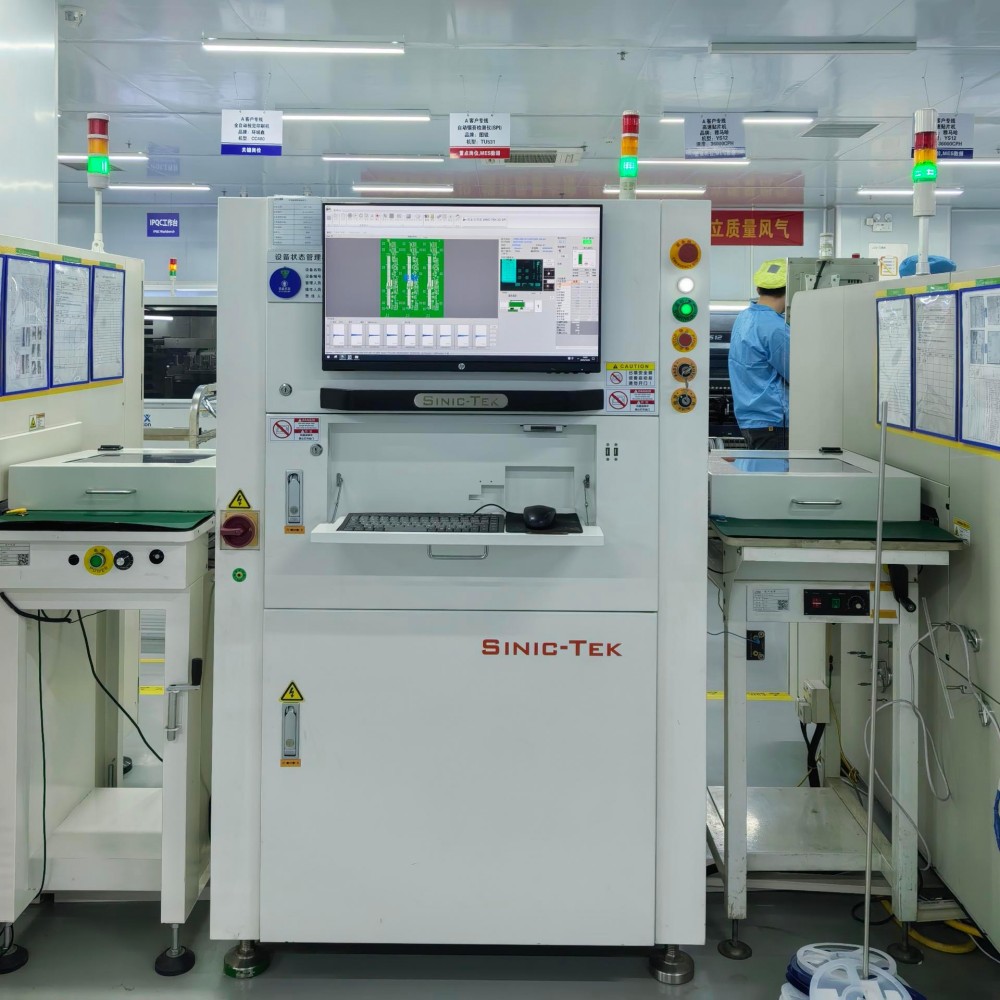
Our Shenzhen facility spans over 13,000 square meters, complemented by our 27,000 square meter Dongguan Huangjiang factory. Equipped with 24 high-speed pick-and-place SMT machines and 12 PCBA production lines, our monthly output exceeds 15 million units.
To support ongoing product development, Litongwei directs over 10% of its annual sales revenue into R&D. Our engineering team focuses on electrical system design, thermal simulation, firmware development, and safety testing.
With over 100 patents in the lithium-ion protection board field, we help clients manage risk. We coordinate with buyers' legal and engineering teams to protect their intellectual property, ensuring a smooth path to market.
Litongwei works with leading electronics and battery brands, building long-term partnerships through consistent product quality and service.













Detailed technical answers addressing common inquiries from system integrators, electrical engineers, and procurement managers.
LiFePO4 (LFP) chemistry offers thermal stability, with a thermal runaway threshold of approximately 270°C, compared to NMC's ~210°C. Under high discharge rates or physical damage, LFP releases oxygen much more slowly, which reduces fire risk. Furthermore, LFP systems generally deliver a longer cycle life (exceeding 4,000 cycles at 80% DoD) and do not require cobalt, helping to lower environmental and supply chain risks.
Our protection boards utilize automotive-grade analog front-ends (AFEs) and dual-MCU backup systems to monitor cell voltage, pack current, and module temperatures in real time. We incorporate quick-acting solid-state switches and mechanical contactor drivers to isolate the battery pack within microseconds if an over-voltage, under-voltage, over-current, or short-circuit event occurs.
Yes, our software engineering department supports customization of BMS firmware to interface with major industrial inverters and energy management systems (EMS). We offer native support for CANbus, RS485, Modbus RTU, and customized serial communications, enabling clear reporting of State of Charge (SoC), State of Health (SoH), temperature, and error logs.
Our manufacturing facilities are certified to ISO9001, ISO14001, and IATF16949 standards. All PCBA batches undergo 3D Solder Paste Inspection (SPI), Automatic Optical Inspection (AOI), In-Circuit Testing (ICT), and functional testing under simulated high-power loads. Our integrated Manufacturing Execution System (MES) records component batch tracking for every board shipped.
Lithium batteries can experience lithium plating if charged below freezing. To address this, Litongwei designs intelligent protection boards featuring integrated heating circuit controls. When sensors detect low temperatures, the system channels power to silicone heating elements to warm the cells to a safe charging temperature before enabling the main charging path.
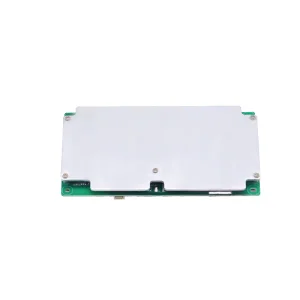
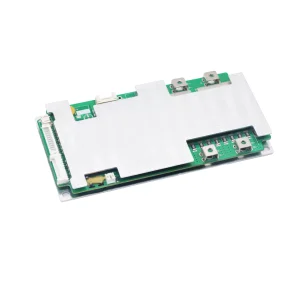
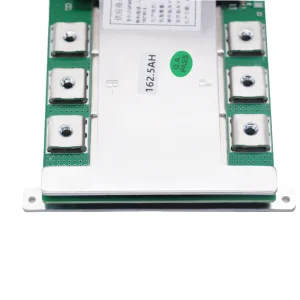
We manufacture protection boards ranging from 3S up to 24S configurations, with current support from 15A to over 200A. These boards are widely used in 3C devices, electric scooters, e-bikes, utility carts, and industrial AGVs. Our designs feature onboard NTC temperature monitoring and Bluetooth transceivers to check parameters on mobile devices.
Explore our Bluetooth-enabled, high-current protection systems designed to give you precise control and diagnostics for challenging environments.
 Litongwei Electronic