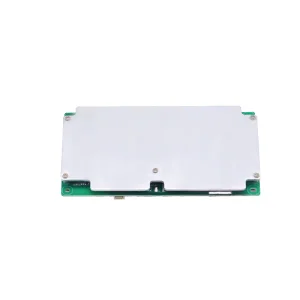
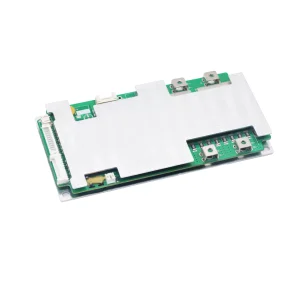
Engineered for precise charge monitoring, thermal control, and cell level balancing.
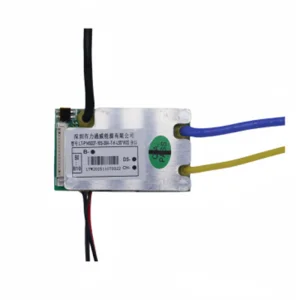
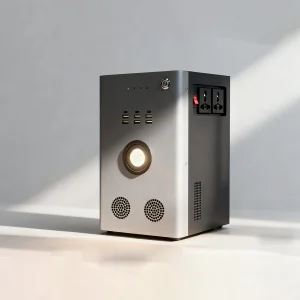
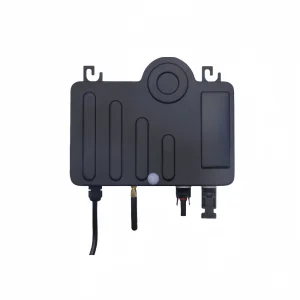
Modern electrification hinges not only on high-energy-density cells but, more importantly, on the electronic brains regulating them. A lithium-ion battery charger module acts as the central control mechanism, ensuring that power delivery adheres to strict current and voltage safety thresholds. As global demand rises for lightweight e-mobility, industrial automation, and consumer electronics, these modules have transitioned from simple circuit boards to highly sophisticated, software-defined Battery Management Systems (BMS).
"Safety, lifecycle optimization, and telemetry integration are the key metrics that distinguish standard wholesale battery modules from industrial-grade solutions."
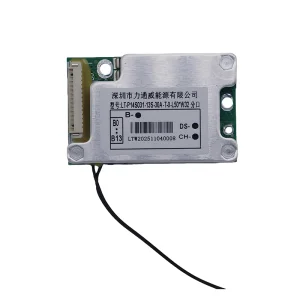
For B2B buyers and engineers, sourcing from a dedicated manufacturer like Shenzhen Litongwei Electronic Technology Co., Ltd. guarantees protection against thermal runaway, short circuits, and early cell degradation. By utilizing dual NTC thermal sensors, robust MOSFET arrays, and optimized PCB design pathways, our charger modules ensure maximum energy efficiency and prolonged cell lifecycles across diverse load conditions.
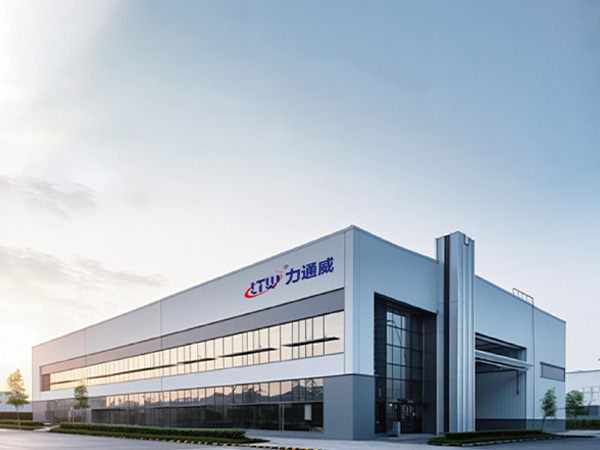
Why manufacturing scale, vertical integration, and cluster dynamics in Shenzhen and Dongguan yield unmatched advantages.
With 13,000 square meters of high-tech space in Shenzhen and a massive 27,000 square meters facility in Dongguan Huangjiang, we leverage spatial scale to drive down unit costs while maintaining peak manufacturing efficiency.
Located in the heart of China’s electronics manufacturing ecosystem, we have direct access to top-tier semiconductor, MOSFET, and copper-clad laminate suppliers, shortening delivery lead times dramatically.
Equipped with 24 pick-and-place high-speed SMT assembly systems and 12 dedicated PCBA lines, our monthly output exceeds 15 million units. This automated volume ensures consistent compliance to IATF 16949 standards.
The global battery management ecosystem is currently undergoing three massive shifts. Companies that fail to adapt their hardware sourcing strategy risk launching obsolete products. Here are the core technological trends driving the industry:
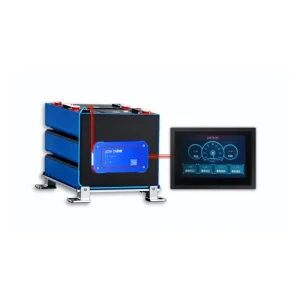
Charger modules are no longer isolated circuits. Integrating Bluetooth Low Energy (BLE) and CAN-bus communication links allows real-time diagnostics, remote firmware updates, and predictive maintenance protocols via cloud dashboards.
Traditional boards bleed off excess energy as heat. Modern modules deploy active balance circuits that redistribute energy from stronger cells to weaker ones, optimizing overall capacity and preventing premature system aging.
From sub-zero drone operations to intense dessert temperatures, smart charging modules now incorporate integrated heating elements and multi-point NTC sensors to stabilize charging states dynamically.
Litongwei is at the forefront of these transitions. By investing heavily in R&D (consistently accounting for over 10% of our annual sales for five consecutive years), we supply global partners with forward-compatible protection boards that meet tomorrow's regulatory and environmental safety challenges head-on.
Our modules are deployed in critical components across multiple industrial and consumer landscapes.
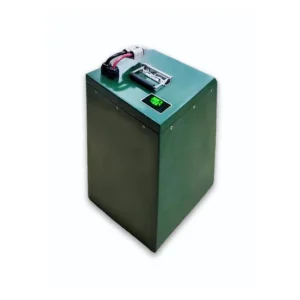
Used widely in electric scooters, bicycles, motorcycles, tricycles, and golf carts. Engineered to handle vibration, thermal swings, and sudden high current discharges.
Providing automated guided vehicles (AGVs) and professional power tools with high-discharge tolerance and precision telemetry for continuous smart operation.
Supporting home energy storage systems and balcony micro-inverters with IP67 weatherproof packaging and peak conversion efficiency ratings up to 96.5%.
Procurement teams sourcing battery components face multifaceted challenges beyond pricing. To protect your brand equity and ensure high uptime, we provide structured risk-mitigation layers across our production cycles:
By choosing Litongwei, you invest in certified reliability that safeguards your brand, mitigates product recall liabilities, and guarantees a seamless supply chain pathway.
Decades of technological integration and industry growth in battery safety management systems.
Technology-driven growth. Commenced R&D of digital BMS. Expanded to power battery management in 2006. ISO9001 certification in 2007; ISO14001 in 2009.
Technological advancement. Secured 8 utility model patents in 2011. Built Litongwei Tech Institute in 2012. Earned Gaogong Gold Partner status in 2015.
Digital transformation. Achieved IATF16949 certification in 2018. Integrated automated MES. Recognized as top two-wheeler protection brand in 2020.
Smart Manufacturing+. Deepened technological footprint through IoT, cloud platform diagnostics, and automation upgrades for Industry 4.0 standards.
Collaborating with top electronics, energy, and telecom brands globally













Expert technical answers regarding design, protection features, and deployment parameters.
Explore our extended B2B products catalog, designed for micro-inverters, power banks, and high-efficiency BMS.
 Litongwei Electronic