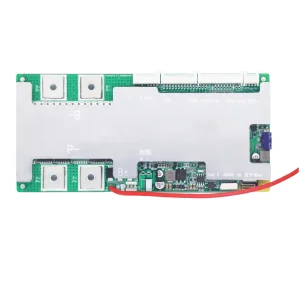
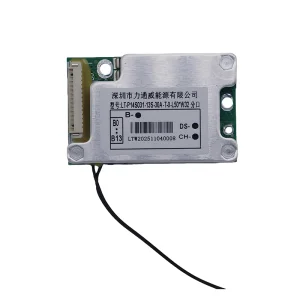
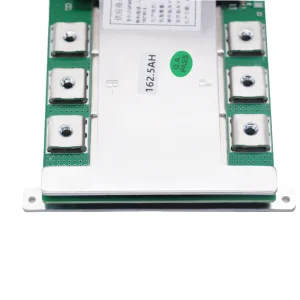
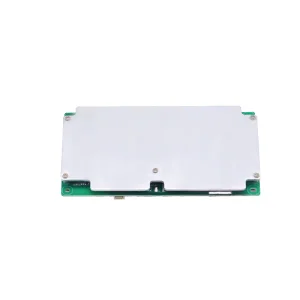
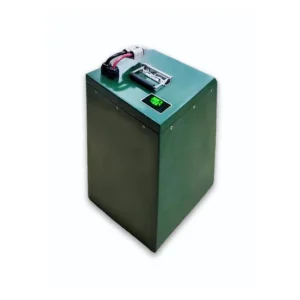
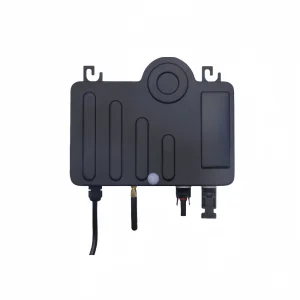
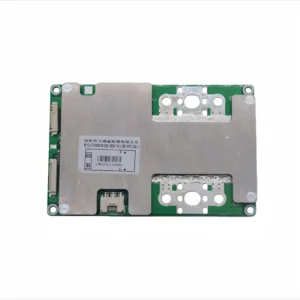
Explore our industrial-grade components designed to deliver safety, optimization, and real-time remote telemetry for mission-critical applications.
An in-depth whitepaper analysis of manufacturing standards, intelligent battery management system topologies, and global procurement paradigms.
As the world undergoes a rapid transition toward renewable energy, the reliance on high-capacity energy storage systems (ESS) has intensified. Behind every reliable utility-scale battery pack, solar micro-grid, or commercial fleet of AGVs lies a fundamental component: the Lithium-Ion Battery Management System (BMS). China has established itself as the center of global energy storage system manufacturing, not merely due to capacity, but because of a highly integrated vertical supply chain.
A professional-grade energy storage solution requires more than assembly; it demands advanced safety control electronics that govern thermodynamic behavior, maintain cell balance, and coordinate communication protocol integrations. Shenzhen Litongwei Electronic Technology Co., Ltd. has developed specialized solutions for over 18 years to mitigate performance degradation, address thermal runaway risks, and optimize return on investment for international project developers.
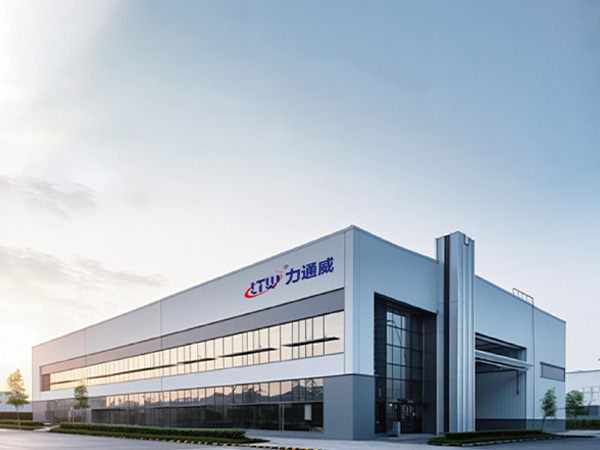
Sourcing components like smart BMS protection boards or IP67 micro-inverters involves navigating the regional strengths of South China's electronics manufacturing hubs. Shenzhen and Dongguan provide a highly integrated hardware development ecosystem. Litongwei's facility configuration illustrates this operational capacity:
This concentration of technology and manufacturing infrastructure allows Chinese manufacturers to offer:
Established in 2005, Shenzhen Litongwei Electronic Technology Co., Ltd. is a recognized high-tech enterprise specializing in the R&D, design, and manufacturing of advanced lithium-ion safety control systems and BMS. Over nearly two decades of engineering development, we have created protection boards for applications ranging from 3C digital devices and consumer micro-mobility (e-scooters, e-bikes) to heavy industrial equipment (AGVs, golf carts, utility drones) and micro-inverter green energy grids.
Our core mission centers on technical capability and efficient customer support. We support clients with shared boards to reduce design costs, custom firmware development (such as CAN, RS485, and Bluetooth telematics), and remote cloud-based diagnostic support. Choosing Litongwei means selecting a manufacturing partner dedicated to quality, traceability, and collaborative engineering.
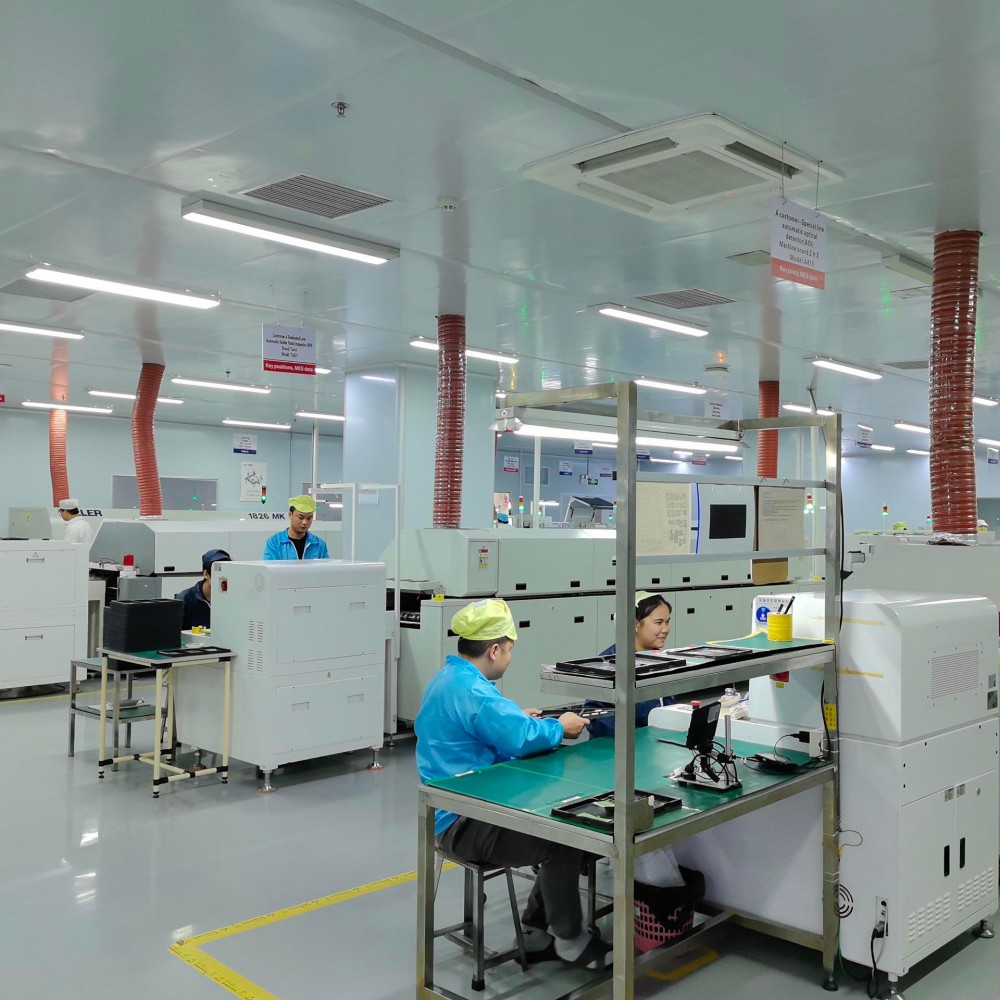
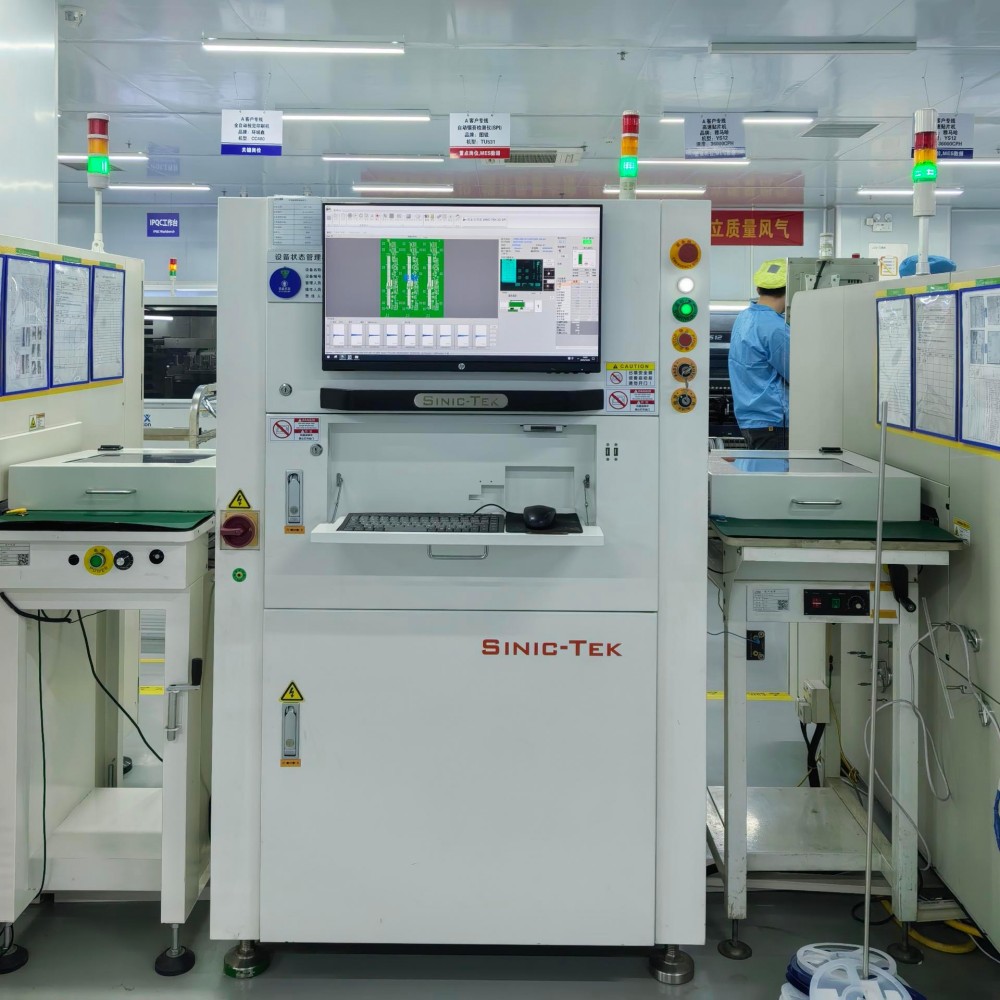

LITONGWEI operates under the principle of "Technology as King, Efficient Service" across all production phases. Our goal is to serve as a provider of intelligent green energy management solutions, supporting environmental sustainability through clean technology. In addition to our BMS products, we offer an array of IP67 all-weather micro-inverters boasting 96.5% conversion efficiency, providing scalable solar integration options for residential and light commercial users worldwide.
A history of engineering achievements, quality certifications, and smart manufacturing expansions.
Commenced R&D and manufacturing of digital Battery Management Systems (BMS) in 2005. Expanded into power battery management in 2006. Secured ISO9001 and ISO14001 certifications in 2007 and 2009 respectively, establishing our quality control foundation.
Secured 8 utility model and design patents in 2011, alongside mobile power manufacturing expansions. Established the Litongwei Technology Research Institute in 2012. Earned the Del New Energy Quality Excellence Award in 2014 and Gold Partner status from Gaogong Lithium Battery in 2015.
Upgraded quality systems in 2016. Achieved automotive-grade IATF16949 certification in 2018, integrating an MES system for automated warehouse and production tracking. Honored with the Guangdong Battery Industry Association Innovation Award in 2019.
Deepening our technical footprint with IoT integration and Industry 4.0 automation. Driving clean technology solutions and offering global clients modern, high-traceability production runs.
Modern battery management systems do not simply isolate a failing cell; they actively monitor cell dynamics to optimize system efficiency.
Minimizes the Delta-V (voltage variance) between parallel cell structures, extending battery pack cycle life by up to 30% through active or passive balancing algorithms.
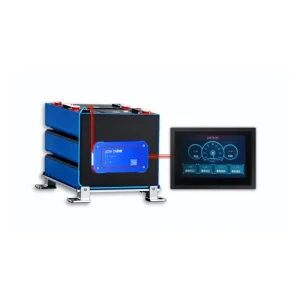
Integrates CAN bus, RS485, and low-power Bluetooth (BLE) to deliver direct diagnostic feeds to local display panels, mobile apps, or industrial controllers.
Utilizes multiple NTC thermistor inputs to monitor cells and power MOSFETs, triggering safety cut-offs before thermal runaway can occur.
Furthermore, for localized applications in off-grid residential installations, we provide integrated IP67 micro-inverters. These inverters feature a 96.5% efficiency rate and pure sine wave outputs, allowing homeowners and small commercial users to connect photovoltaic panels directly to their storage setup, reducing conversion losses and optimizing system efficiency.
International sourcing teams must address multiple technical and regulatory requirements to ensure product safety and compliance. Sourcing from Litongwei provides several operational advantages:
We work closely with leading global brands to deliver reliable, high-performance energy storage solutions.






The energy storage sector is moving toward software-defined batteries. Key technology trends shaping our product roadmap include:
Technical reference guide for international engineers and procurement managers.
Integrated CAN bus allows standard industrial controllers to monitor voltage levels and operating temperatures directly. Bluetooth connectivity enables maintenance personnel to check system diagnostics locally on-site without opening the physical enclosure, reducing exposure to high-voltage hazards.
IATF16949 is a rigorous automotive-grade quality standard that mandates thorough defect prevention, risk assessment (FMEA), and complete manufacturing traceability. It ensures that protection boards can withstand harsh operating conditions, such as the vibrations and temperature shifts typical in electric motorcycles and heavy AGVs.
The anti-reverse charging circuit prevents damage if an incorrect charger is attached or if a reverse-polarity event occurs. It isolates the battery cells immediately, preventing over-current damage and protecting the control circuitry.
An IP67 rating ensures the inverter is dust-tight and protected against water immersion, making it suitable for outdoor installation directly behind solar panels. This decentralized setup eliminates high-voltage DC runs inside the home, improving safety and conversion efficiency.
We leverage standardized "shared boards" to lower initial design costs and speed up time-to-market. Additionally, our automated high-speed SMT lines and vertical supply chain integrations in Shenzhen and Dongguan allow us to optimize production costs while maintaining strict quality control.
Explore our complete product catalog, featuring active balance boards, smart BMS systems, and high-efficiency micro-inverters.
 Litongwei Electronic