Premium customized lithium battery protection boards and smart off-grid micro-inverters engineered for high operational reliability, safety monitoring, and optimal performance.
The global push for decarbonization and energy independence has accelerated the deployment of decentralized, grid-independent infrastructure. The integration of Off-Grid Inverters has transitioned from a niche remote-power utility to a primary structural pillar of modern industrial resilience and residential electrification.
At the center of this paradigm shift is the requirement for stable, high-efficiency energy conversion. Off-grid systems must continuously operate under harsh weather profiles, variable load spikes, and unstable input scenarios. This demands engineering methodologies that go beyond basic wave generation to incorporate smart multi-mode energy management, predictive grid shifting, and thermal optimization.
Shenzhen Litongwei Electronic Technology Co., Ltd., since 2005, has addressed this engineering challenge by manufacturing elite control architectures. Our system designs ensure that power conversion processes (inverting DC battery storage into high-stability AC utility power) operate with minimal thermal dissipation, mitigating power quality degradation and maximizing operational lifecycles.
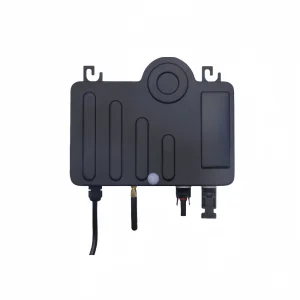
In high-density urban areas, local grid constraints and space limitations require highly modular solar units. Litongwei's custom-engineered LTWSmart Micro Inverters address these limitations, achieving 96.5% peak conversion efficiency and incorporating an IP67 weatherproof structural enclosure.
Unlike centralized string inverters, balcony micro-inverters operate on a decentralized framework. Each solar panel functions independently, utilizing Maximum Power Point Tracking (MPPT) to eliminate system-wide power drops caused by partial shading, dust accumulation, or panel-to-panel degradation. This increases energy yield by up to 25% over system lifetimes.
Crucially, our designs prioritize active cooling, high-grade silicon-carbide (SiC) switches, and comprehensive over-current protection. This ensures that even under direct sun exposure, the components run cool, preventing thermal runaway and protecting home electrical circuits from high-frequency harmonics.
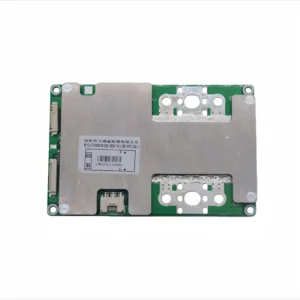
An off-grid inverter is only as reliable as its source battery bank. High-amp draw inverting introduces significant stress on lithium chemistry cells. Without proper safety boards, cell balancing fails, temperature imbalances arise, and localized cells degrade prematurely.
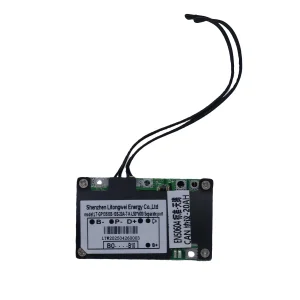
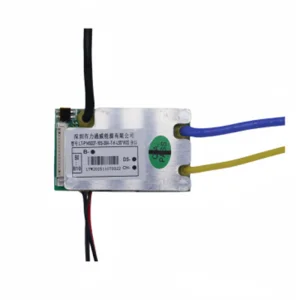
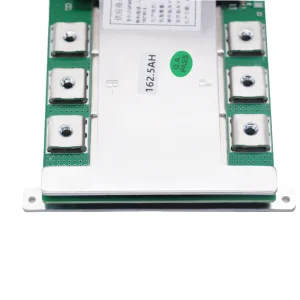
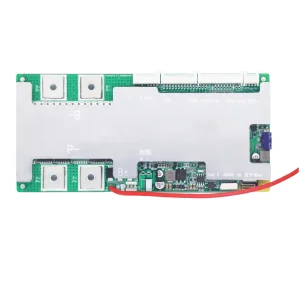
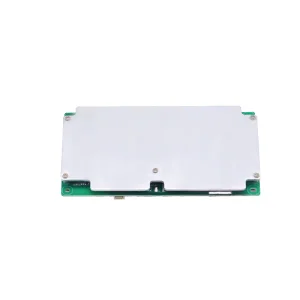
This is where Litongwei's core technology shines. Having built intelligent safety control systems since 2005, we design integrated solutions where our custom BMS (ranging from 10S to 23S configuration and handling currents up to 200A) communicates directly with off-grid inverter microcontrollers via CAN bus, RS485, and Bluetooth interfaces. This direct link allows the inverter to adjust its discharge rate based on real-time cell parameters, thermal levels, and State of Charge (SoC).
Additionally, our protection systems integrate built-in heating controls for low-temperature environments and NTC sensors to monitor cell safety. This protection layout safeguards the system against short circuits, overcharging, and thermal risks, establishing our system as a standard for industrial telecommunication backup grids and off-grid remote power systems.

A statistical breakdown of our manufacturing resources, R&D allocation, and production outputs across our manufacturing facilities.
Our off-grid systems and lithium safety controllers are deployed globally to support localized power solutions under demanding operating conditions.
Ideal for multi-story residential buildings in dense cities. The LTWSmart Micro Inverter mounts directly behind the panel to deliver power into the apartment's ring main through standard wall outlets, minimizing conversion loss.
Remote telecom installations require autonomous backups. Litongwei's 10S-23S smart BMS combined with highly efficient off-grid switching inverters keeps cell towers functional during grid blackouts or in regions without central utilities.
Automated Guided Vehicles (AGVs) rely on high-current fast charging cycles. Our protection systems manage peak currents up to 200A and dynamic thermal events, maintaining safe operation in refrigerated logistics and hot industrial plants.
A history of technology development and engineering growth from our founding to our current Industry 4.0 innovations.
Litongwei collaborates with global enterprise brands to supply reliable protection hardware and integrated energy control systems.














At Litongwei, our vision is built on the philosophy of "Technology as King, Efficient Service". To support commercial off-grid installations worldwide, we ensure full compliance with international electrical standards, including UL 1741 (for inverters), CE, TUV, RoHS, and IATF 16949 automotive-grade production standards.
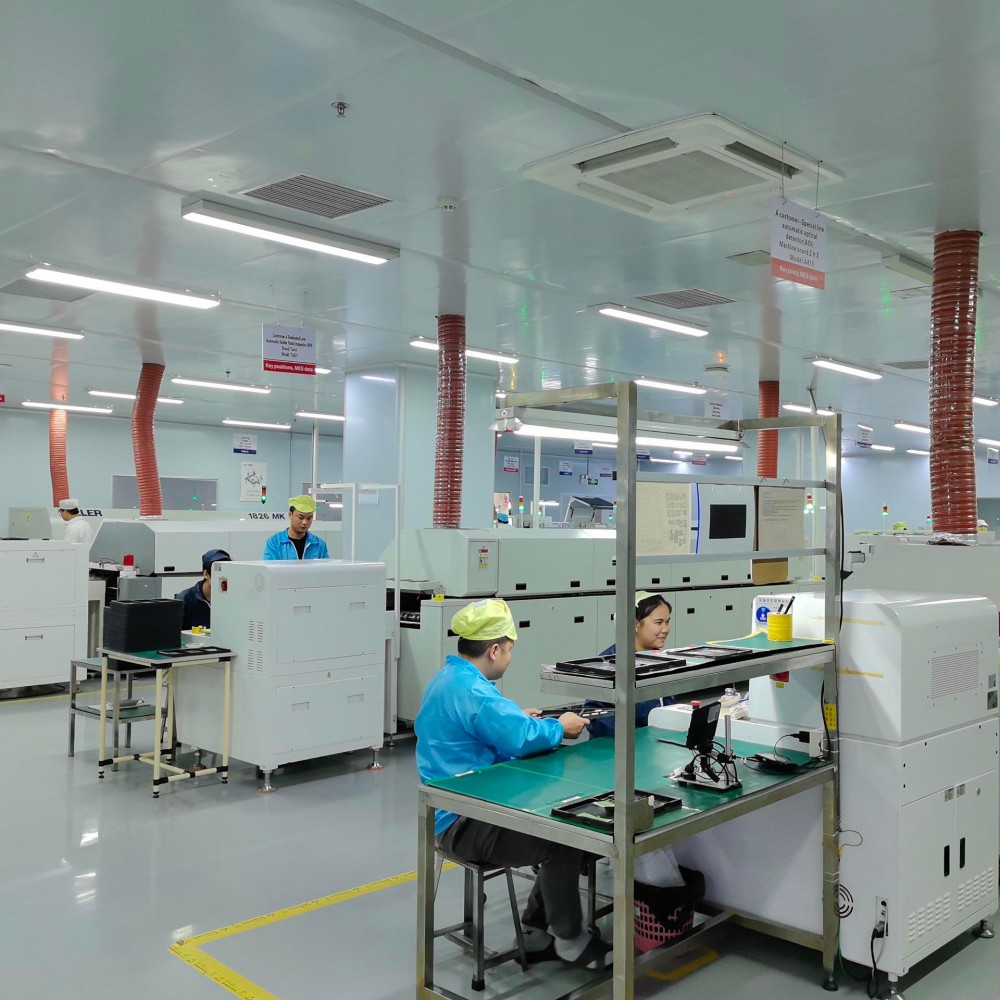
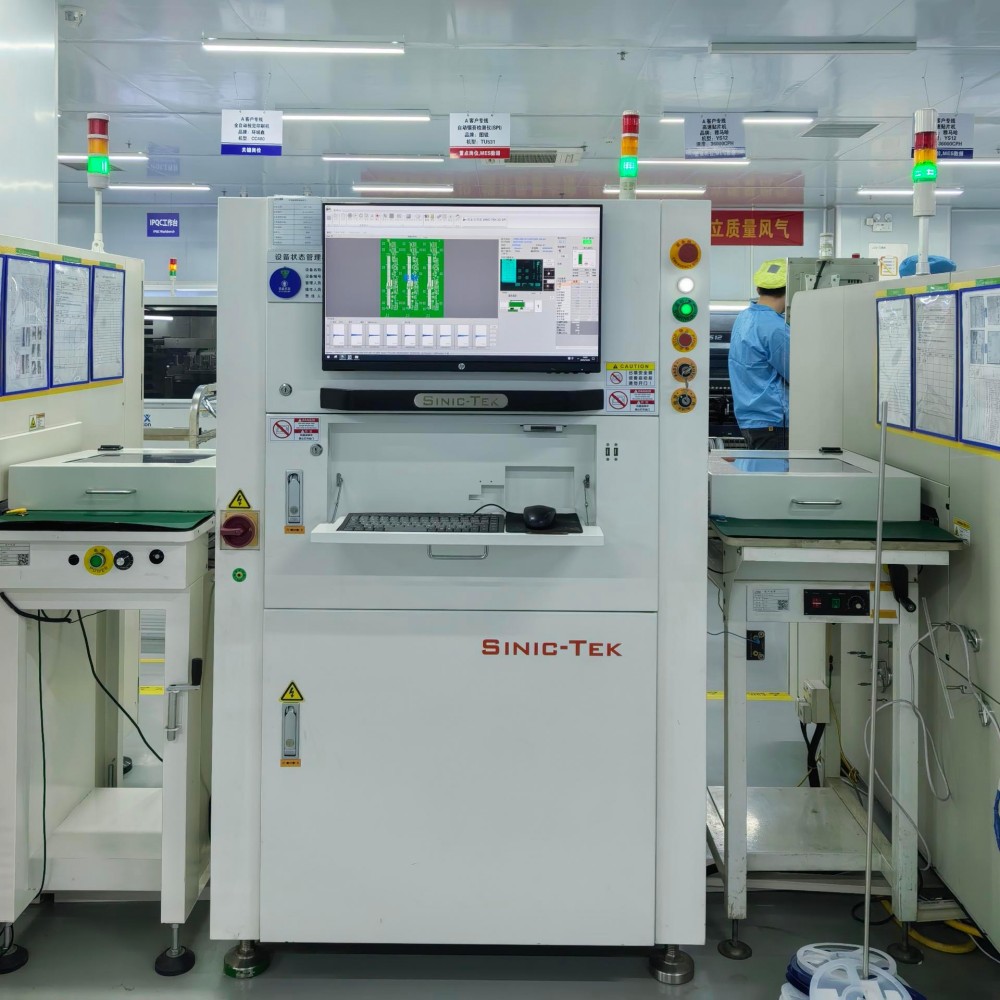
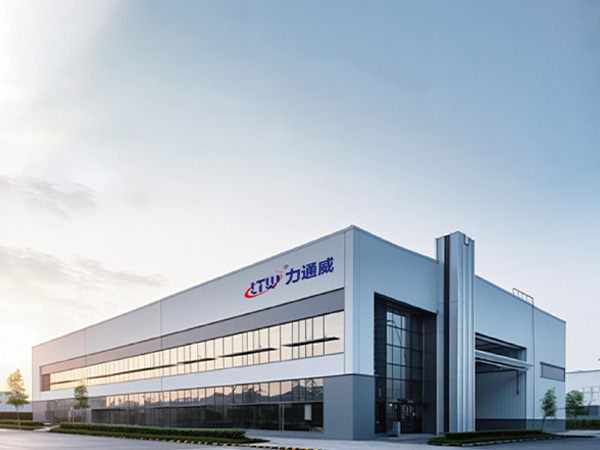
Our production facilities include a 13,000 square meter factory in Shenzhen and a 27,000 square meter facility in Dongguan. Utilizing 24 high-speed pick-and-place assembly machines and 12 PCBA production lines, we support OEM/ODM projects from prototype layout to mass production.
Choosing Litongwei gives you access to patent-protected hardware designs, reducing IP infringement risks in North American and European markets. Additionally, our cloud tracing systems enable remote monitoring and diagnostics, providing transparent quality control throughout the lifetime of the system.
A preview of upcoming energy conversion and storage technologies currently under development in our R&D labs.
Next-Gen Silicon Carbide (SiC) Power Switches: Upcoming off-grid inverters will transition from traditional IGBTs to Silicon Carbide (SiC) MOSFETs. This change is designed to push peak inverter conversion efficiency past 98%, reducing thermal losses and scaling down enclosure profiles by up to 30%.
Unified Cloud Telemetry & AI Analytics: We are integrating Bluetooth and CAN communication layers with proprietary cloud software. Future iterations will offer predictive warning systems, calculating cell degradation rates and inverter thermal loads ahead of component fatigue to minimize system downtime.
Solid-State Battery Integration & Advanced Safety Controls: As solid-state batteries transition into commercial markets, our R&D division is prototyping compatible control systems. These systems are designed to manage the high voltage characteristics and mechanical parameters of solid-state setups, ensuring smooth compatibility with next-generation off-grid inverters.
Bidirectional V2G (Vehicle-to-Grid) Support: Future domestic and industrial microgrids will require seamless bidirectional energy sharing. Our next-generation micro-inverter designs will support vehicle-to-home and vehicle-to-grid power routing, enabling electric vehicle battery integration into local off-grid grids.
Intelligent Load Shifting Algorithms: Integrating smart firmware directly into the inverter control board allows our devices to run real-time local load calculations. The system adjusts battery output during peak times to reduce utility costs, while ensuring back-up energy is stored for grid failures.
Patent Protection Partnership Program: We continue to expand our patent sharing agreements with global distribution partners. This collaborative program helps our wholesale buyers navigate regional compliance processes and protects their designs from copycat hardware competitors.
Expert answers to common engineering, compliance, and purchasing questions regarding our product lines.
Our custom micro-inverters achieve a peak conversion efficiency of 96.5% under standard testing profiles. This efficiency is sustained through high-frequency switching architecture and low-impedance copper-trace layouts, reducing power loss during DC-to-AC conversion.
The CAN bus interface acts as a continuous telemetry link between the lithium battery pack and the inverter unit. It transmits cell temperatures, individual voltage levels, and state of charge (SoC) metrics. This communication allows the inverter to adjust its discharge rate dynamically, preventing cell damage and over-temperature issues.
Our manufacturing processes are audited and certified to ISO9001 (Quality Management), ISO14001 (Environmental Standards), and IATF16949 (Automotive-Grade Manufacturing Quality). This ensures that every inverter and battery protection board meets safety and durability standards under high duty cycles.
Yes. We manufacture protection boards (such as the LTW 20S 200A variant) that feature integrated heating loop control. When temperatures fall below freezing, the system directs charging energy to internal heating pads to warm the batteries to safe temperatures before allowing high-current charging.
We prioritize design security. Litongwei partners with wholesale clients through patent-sharing agreements and custom hardware layout options. By developing unique, non-infringing circuit architectures, we protect our international clients from regulatory and legal challenges in their home markets.
With our dual manufacturing centers spanning 40,000 square meters, 24 automatic placement machines, and a monthly output of over 15 million units, we can scale up production quickly. Standard custom orders typically move from prototype approval to shipping within 15 to 25 days depending on complexity.
Industrial safety control components and high-efficiency micro-inverters developed for global distribution and energy system integrators.
 Litongwei Electronic