Empowering global energy resilience with certified intelligent power conversion solutions, integrated smart BMS hardware, and direct-to-factory Chinese engineering efficiency.
Industrial-grade battery protection boards, intelligent BMS systems, and custom display configurations engineered for modern home inverter setups.
A deep dive into the global energy transformation, key engineering specifications, and strategic manufacturing hubs.
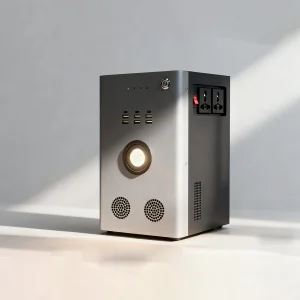
In an era defined by climatic volatility, evolving utility price structures, and a rapid paradigm shift toward decentralized electrification, portable home inverters have transitioned from specialized recreational gear to critical residential infrastructure. Historically utilized primarily by outdoor enthusiasts and emergency responders, today's portable power stations and bidirectional home inverter systems represent the bedrock of household energy security. By bridging the gap between volatile local utility grids and dedicated storage media, portable inverters provide seamless backup operations, cost-arbitrage capabilities through peak-shaving, and clean distribution for complex consumer electronics.
From a commercial standpoint, the demand from wholesale distributors, municipal procurement teams, and direct-to-consumer private label brands has skyrocketed. Global markets—spanning from highly regulated European grid regions implementing micro-solar policies to developing economies reliant on localized off-grid energy storage—now require scalable, high-yield inverter configurations. Crucially, the reliability of these units relies heavily on the safety systems embedded in their design. The integration of advanced Battery Management Systems (BMS) with robust inverter hardware ensures that wholesale buyers receive units that are not only efficient but fundamentally resilient under thermal and electrical stress.
A portable home inverter is only as reliable as its internal protective circuits. Without a sophisticated, multi-tiered BMS managing state-of-charge (SoC), passive balancing, and heat dissipation, even the most efficient inversion circuit risks catastrophic thermal runaway under peak household loads.
To make informed procurement decisions, procurement teams must evaluate the underlying hardware architecture of portable home inverters. Inverters convert direct current (DC) stored in lithium-ion or lithium iron phosphate (LiFePO4) cell matrices into stable alternating current (AC) matching municipal grid standards. High-tier manufacturers construct systems with Pure Sine Wave Output (Total Harmonic Distortion, or THD < 3%) to ensure safe operation for delicate medical equipment, high-end refrigeration units, and computing arrays.
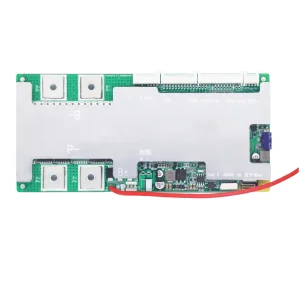
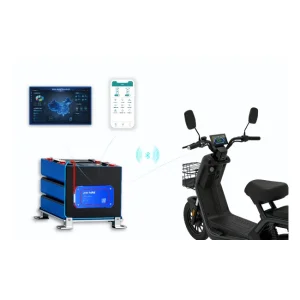
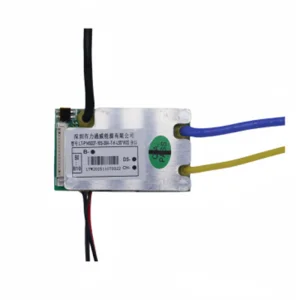
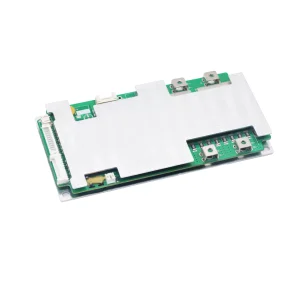
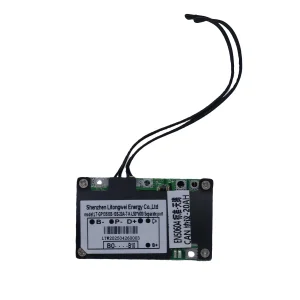
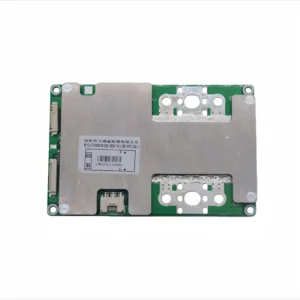
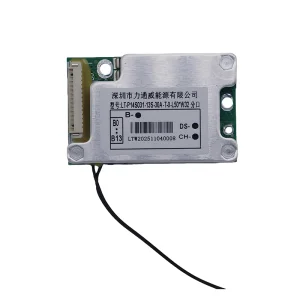
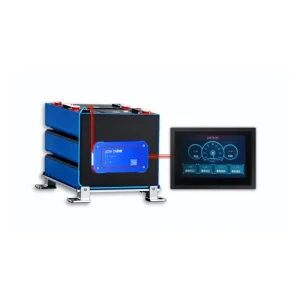
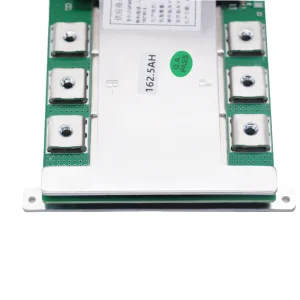
A key component in high-performance portable inverters is the integration of an intelligent safety control system. For example, Shenzen Litongwei Electronic Technology Co., Ltd. provides customized and industry-standard shared protection boards (such as the LTW 20S 100A or LTW 23S 60A series) designed to communicate dynamically with the inverter core. By utilizing advanced CAN or Bluetooth communication protocols, these BMS protection boards monitor cell-level voltages, optimize power draw during high-surge loads, and execute safe shutoffs under voltage anomalies. This technological synthesis ensures long-term operational reliability, protecting the battery modules from premature degradation and maximizing efficiency.
Providing industrial-scale supply chain solutions with strict quality controls and large-scale manufacturing facilities in China.
The global dominance of Chinese manufacturers in the portable power and inverter supply chains is not merely a matter of labor costs. Instead, it is built on a highly developed ecosystem of localized supply chains, SMT automation, and rapid prototyping capabilities. The cluster of raw lithium cell producers, precise plastic and alloy casing manufacturers, circuit board printing facilities, and safety compliance test laboratories in Shenzhen and Dongguan creates a highly efficient manufacturing hub.
Our facility structures this advantage with over 13,000 square meters of production space in Shenzhen and a 27,000 square meter facility in Dongguan Huangjiang. Equipped with 24 high-speed SMT pick-and-place lines and 12 automated PCBA assembly lines, we leverage scale to lower costs while maintaining high quality. Every step of production—from the initial solder paste inspection (SPI) to the final automated optical inspection (AOI) and comprehensive functional testing—is tracked through a central Manufacturing Execution System (MES). This integration ensures that wholesale buyers receive components and systems with full historical traceability, mitigating quality risks and protecting international IP assets.
Modern wholesale portable home inverters are deployed across diverse applications globally. Sourcing agents must align their custom product requests with the localized needs of their target markets:
Established in 2005, Litongwei is a national high-tech enterprise specializing in the R&D and manufacturing of lithium-ion safety control systems.
Our high-performance products are widely utilized in 3C digital devices, electric scooters, bicycles, motorcycles, tricycles, golf carts, AGVs, drones, and power tools. We support our global clients through strategic value propositions: intellectual property protection (collaborating on patents to prevent marketplace infringement), industry-standard shared boards (delivering cost reduction and production efficiency), full-process traceability (maintaining strict quality controls through integrated MES software), and remote maintenance (utilizing proprietary cloud platforms for diagnostic support). By selecting Litongwei as your manufacturing partner, you secure advanced technical engineering, industry-standard safety architectures, and reliable long-term supply stability.
In 2005, the company commenced R&D and manufacturing of digital Battery Management Systems (BMS). Expansions into power battery management system development occurred in 2006. ISO9001 certification was obtained in 2007, followed by ISO14001 certification in 2009.
The company secured 8 utility model and design patents in 2011, while expanding its mobile power bank manufacturing operations. The Litongwei Technology Research Institute was established in 2012. It received the Del New Energy Quality Excellence Award in 2014 and earned the Gold Partner title from Gaogong Lithium Battery in 2015.
Upgraded to current ISO 9001 and ISO14001 specifications in 2016. Achieved IATF16949 automotive certification in 2018, and implemented an MES system for warehouse automation. It was awarded the Guangdong Battery Industry Association Innovation Award in 2019 and recognized as a leading brand in lithium battery protection board technology for two-wheeled vehicles in 2020.
Litongwei Electronics continues to innovate, deepening its technological expertise while embracing IoT and Industry 4.0. Through its Smart Manufacturing+ strategy, the company drives industrial transformation and upgrading, providing robust components to the global portable inverter industry.
Collaborating with industry leaders to maintain high standards of engineering and component reliability.











B2B buyers must prioritize strict engineering standards to ensure high quality and reduce return rates. Evaluating options based on cheap assembly often results in components that cannot withstand high power loads or transient surges. Key criteria for sourcing teams include:
First, the cell chemistry determines performance parameters: Lithium Iron Phosphate (LiFePO4) offers superior cycle longevity (exceeding 3,000 to 5,000 cycles at 80% DoD) and thermal stability, whereas Ternary Lithium (NMC) provides higher energy density for lightweight applications. Sourcing directors must match this selection with the application's weight requirements and cycle expectations.
Second, analyze the integration of smart interfaces, such as CAN, RS485, and Bluetooth, into the system. High-performance portable inverters use these protocols to communicate with external accessories, smart home panels, or mobile apps, allowing users to monitor charge cycles and temperature profiles in real time.
Finally, confirm compliance with safety regulations like UL 2743 (for portable power stations), IEC 62109, and UN38.3 (for shipping safety). Partnering with a manufacturer like Litongwei, which maintains certified testing procedures and MES tracking, helps clear international customs hurdles and ensures high product safety standards.
Expert insights addressing common engineering, compliance, and supply chain questions for B2B buyers.
OEM/ODM lithium-ion battery management solutions designed for high-capacity backup and portable inverter integration.
 Litongwei Electronic