Engineered for high reliability, real-time telemetry, and superior energy efficiency across industrial, automotive, and portable applications.
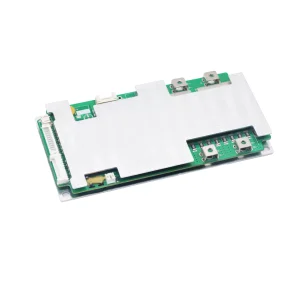
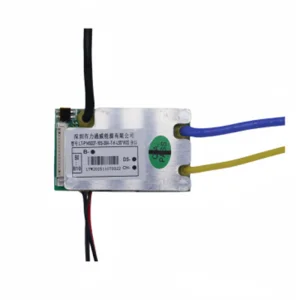
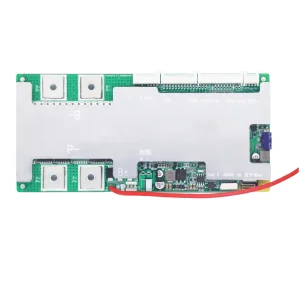
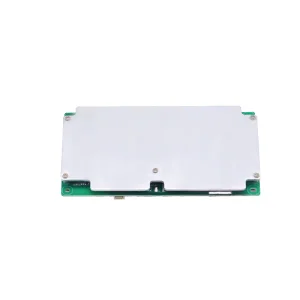
The modern landscape of Wholesale Portable Solar Charger Factories & Companies is undergoing a massive shift from simple recreational gadgets to complex, enterprise-grade mobile power systems. Global firms, emergency response operators, and commercial users no longer look for simple PV panels wired to basic batteries. Today's demanding scenarios require high-efficiency photovoltaics integrated with Intelligent Battery Management Systems (BMS) and robust power conversion architectures.
At the heart of any high-performing solar charging configuration is the BMS. The battery pack is the repository of captured solar radiation; without active cell-balancing, overheating mitigation, and protocol-based telemetry (such as CAN, RS485, or Bluetooth), portable solar systems face premature failure or critical thermal runaway events. This whitepaper analyzes how supply chain consolidation, smart BMS orchestration, and rigid regulatory frameworks govern the development of industrial portable power products.
For global enterprise purchasers, verifying a factory's engineering capacity is vital. Here are the core pillars we guarantee:
Understanding why global B2B operations partner with Chinese factories requires analyzing the spatial agglomeration of raw material extraction, component fabrication, and advanced testing infrastructure. The Pearl River Delta, specifically the Shenzhen-Dongguan economic corridor, represents the peak of modern power electronics manufacturing.
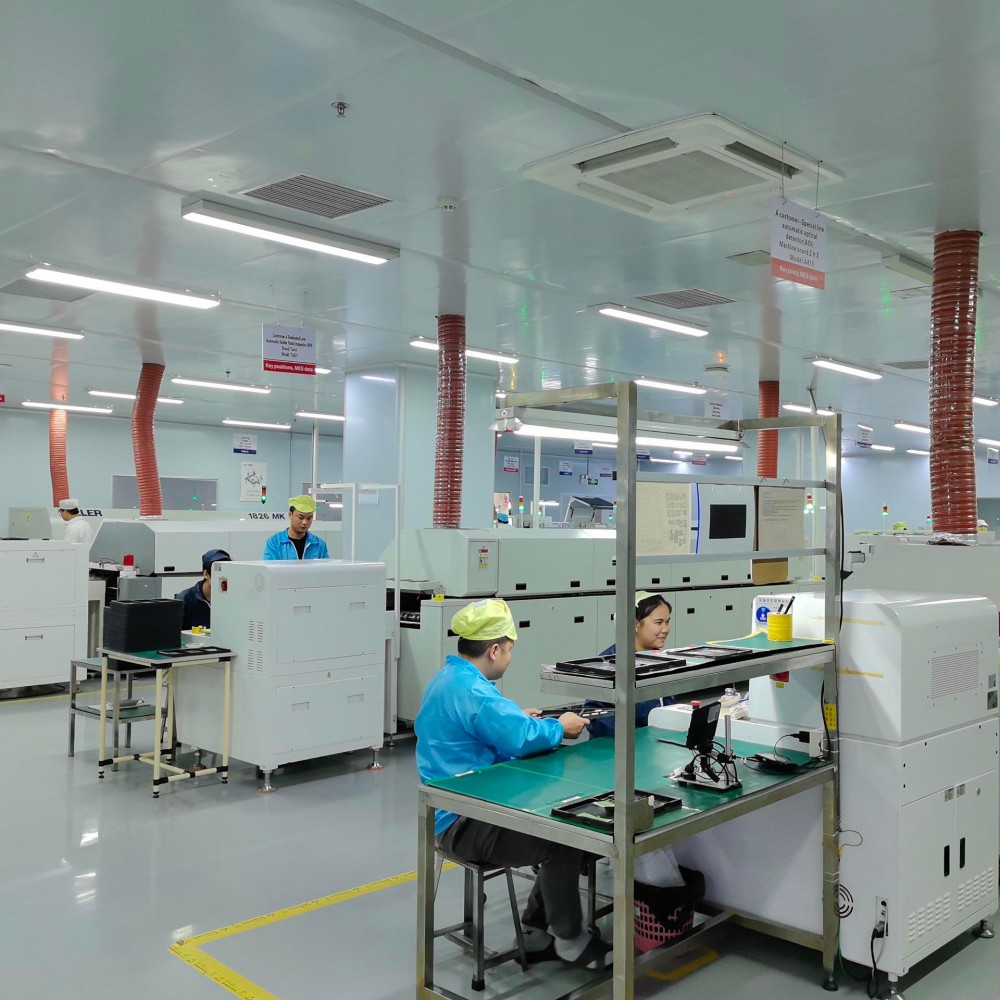
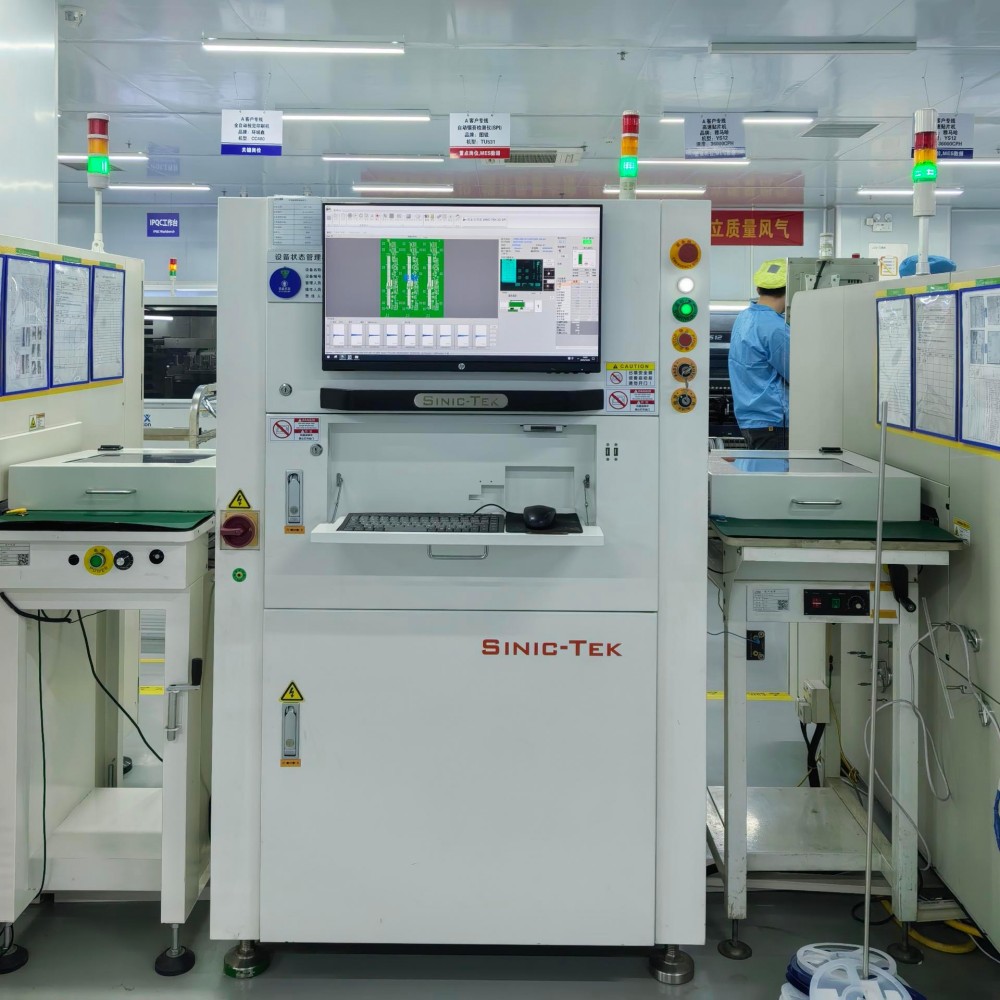
Litongwei's facility layout represents this industrial synergy. With over 13,000 square meters of dedicated factory space in Shenzhen, alongside an expansive 27,000 square meters in Dongguan Huangjiang, we operate inside the epicenters of global hardware innovation. By managing 24 high-speed pick-and-place (SMT) machines and 12 specialized PCBA production lines, our monthly throughput scales past 15 million units. This massive capacity directly reduces lead times and drives economies of scale, making premium B2B custom orders commercially viable.

Navigating complex international certifications to ensure frictionless custom borders clearance and legal distribution.
Because lithium-based portable solar systems qualify as Class 9 Dangerous Goods, we guarantee full compliance with UN38.3 regulations. This includes impact, thermal shock, short-circuit, and vibration testing protocols necessary for sea and air freight safety.
Our R&D cycles build products matching UL1642, UL2743 (for portable power stations), FCC Class B, CE-EMC, and RoHS directive compliance. Every component batch is fully traceable to defend your brand against consumer liability claims.
By integrating cloud-based maintenance panels, global distributors can trace the operational data points of large-scale battery configurations. Our engineers provide remote debugging API integration, shortening warranty claim processing times.
Technical innovations reshaping B2B client demands, operational lifetimes, and energy harvesting speeds.
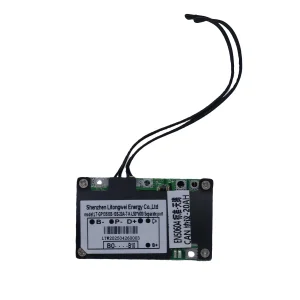
End-users expect real-time power analytics. By integrating Bluetooth-enabled chips and CAN bus protocols on PCBAs (such as our high-current 20S 120A or 23S 60A models), users can track solar charging currents, discharge thresholds, state of charge (SoC), and thermal parameters directly via native mobile apps or industrial control displays.
Charging standard lithium cells at temperatures below freezing causes lithium plating, leading to catastrophic short-circuits. Next-generation portable power units utilize BMS with integrated self-heating circuitry. When solar power is detected in sub-zero environments, the BMS routes current to heat the battery pack to safe limits before initiating charging cycles.
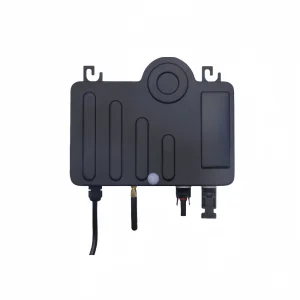
Urban populations increasingly source power from balcony railings. High-efficiency micro-inverters (such as the LTWSmart MINV500S operating at 96.5% peak efficiency) translate erratic solar energy into localized grid-connected AC energy. This eliminates bulky standalone battery hubs and supports sustainable urban apartment charging.
Traditional PWM charge regulators lose up to 30% of energy. Modern B2B portable chargers rely on Maximum Power Point Tracking (MPPT) architectures that dynamically scale voltage and current input profiles to match fluctuating solar intensity, maximizing energy harvest even under partial shade.
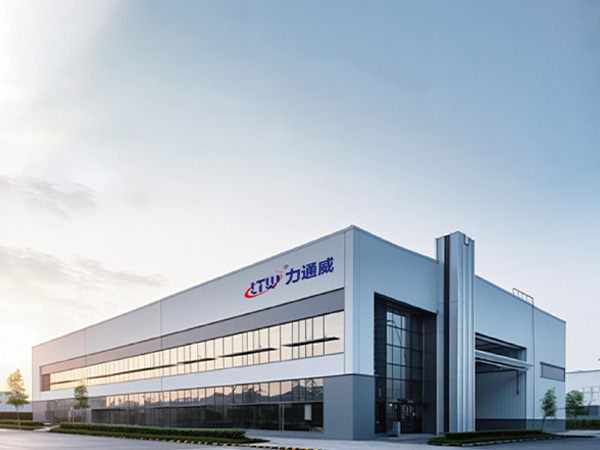
"Technology as King, Efficient Service." At LITONGWEI, this is not a marketing slogan, but the operational code integrated into our R&D labs and cleanroom assembly lines.
We aim to remain a premier provider of intelligent green energy management solutions, enabling environmental sustainability. From initial circuit design to global logistics distribution, we work to secure clients' product reliability. Start with LITONGWEI!
Adapting portable solar architecture to match real-world field installations and critical B2B applications.
Urban users in high-density areas rely on high-efficiency micro-inverters (IP67 all-weather protection) to convert solar radiation harvested on small balcony footprints directly into clean, grid-aligned AC power, offsetting baseline utility costs.
Remote communication transceivers require dependable backup battery systems. Using a low-power BMS configuration (like our 13S 30A low-power protection boards), operators ensure remote cell stations operate continuously in harsh environments.
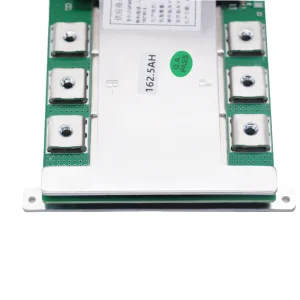
From electric golf carts to AGVs (Automated Guided Vehicles) and micro-mobility scooters, our heavy-duty battery protection boards (20S to 24S configurations with CAN communication) protect high-capacity vehicle battery packs during rapid charging cycles.
Tracking our path from a dedicated battery circuit design laboratory to a global smart energy hardware manufacturer.
Technology-Driven Foundation
Litongwei began development and manufacturing of digital Battery Management Systems (BMS) in 2005. By 2006, operations expanded into power battery management system research. The factory earned ISO9001 certification in 2007, and ISO14001 certification in 2009.
Technological Expansion & Patented Architectures
The company secured 8 utility model and design patents in 2011 while expanding mobile power bank manufacturing. In 2012, we founded the Litongwei Technology Research Institute. The company was awarded the Del New Energy Quality Excellence Award in 2014 and the Gold Partner designation from Gaogong Lithium Battery in 2015.
Digital Transformation & Quality Standards
ISO 9001 and ISO14001 certifications were upgraded in 2016. The company secured IATF16949 automotive-grade certification in 2018 and integrated an MES system for warehouse automation. In 2019, it won the Guangdong Battery Industry Association Innovation Award, followed by recognition as a leading brand in lithium battery protection board technology in 2020.
Smart Manufacturing+ & Industry 4.0 Era
Litongwei Electronics continues to innovate, deepening technological expertise while adopting IoT platforms. Through its Smart Manufacturing+ strategy, the company drives industrial transformation and supports global clean energy initiatives.
Collaborating with global technology brands and energy suppliers to build robust power ecosystems.
Litongwei's partners include Huawei, Lenovo, Desay, Guoguang, Sunwoda, Eve Energy, Guoxuan High-tech, and other major industry players who have collaborated with us for many years.













Technical answers addressing procurement, cell safety, efficiency balancing, and custom engineering inquiries.
Explore high-efficiency micro-inverters, automotive-grade lithium protection circuit boards, and integrated storage designs.
 Litongwei Electronic