Industrial-grade components designed for heavy-duty solar generation, micro-inverter power conversion, and intelligent battery protection systems.
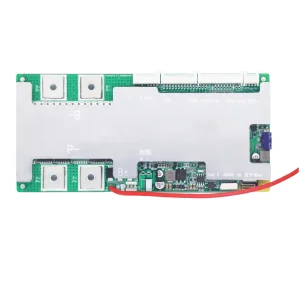
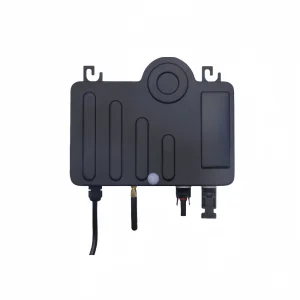
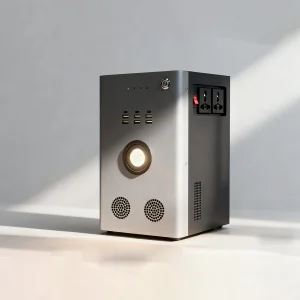
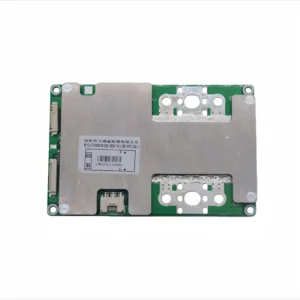
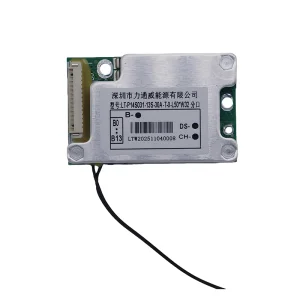
We are Shenzhen Litongwei Electronic Technology Co., Ltd., established in 2005, a national high-tech enterprise specializing in the R&D and manufacturing of lithium-ion safety control systems. Over nearly two decades of engineering development, we have pioneered mission-critical safety protection boards (BMS) and intelligent control systems that form the heart of modern power solar generators, portable energy storage, and industrial-grade green power grids.
Our products are widely used in 3C digital devices, electric scooters, bicycles, motorcycles, tricycles, golf carts, AGVs, drones, and power tools. We provide comprehensive solutions including intellectual property protection (patent collaboration to prevent infringement), industry-standard shared boards (cost reduction and efficiency improvement), full-process traceability (quality control), and remote maintenance (cloud platform support) to help global clients address technical, cost, and operational challenges. By choosing us, you receive top-tier hardware combined with next-generation smart energy software.

Understating the Next Era of Distributed Power Storage, Bidirectional Inverters, and High-Safety BMS Architectures.
The transition from legacy AC-to-DC converters to bidirectional high-efficiency inverters represents a paradigm shift. Single-cell bidirectional topology enables direct PV integration, eliminating intermediate power stages and maximizing transfer efficiency to over 96.5%. This reduces thermal load and hardware failure points in industrial portable generators.
Modern Solar Generator systems rely on active telemetry. Integration of CANbus, RS485, and Bluetooth module communication allows operators to track cell-level telemetry (SoC, SoH, NTC temperature readings) in real-time. Automated cell heating ensures lithium packs charge safely below freezing without causing dendrite damage.
Micro-inverters with IP67 weatherproof enclosures allow localized grid tie-ins. Offering up to 96.5% conversion efficiency, these devices distribute power directly to home circuits or remote microgrids. Scalability means enterprises can scale power capacity modularly rather than investing in centralized system upgrades.
At Litongwei, we believe "Technology is King, Efficient Service is Core." Green transition requires more than just lithium cells; it demands high-fidelity intelligent control interfaces. By optimizing active safety parameters and developing ultra-precise protection algorithms, we ensure energy storage devices operate with maximum longevity.
From microgrids to personal mobility, our vision is to lead the way in creating modular, reliable, and secure green energy control solutions. By minimizing conversion loss and offering real-time platform diagnostics, we provide direct commercial benefits to our enterprise partners worldwide.
Decades of manufacturing expertise, strategic intellectual property protection, and high-volume, reliable capacity.
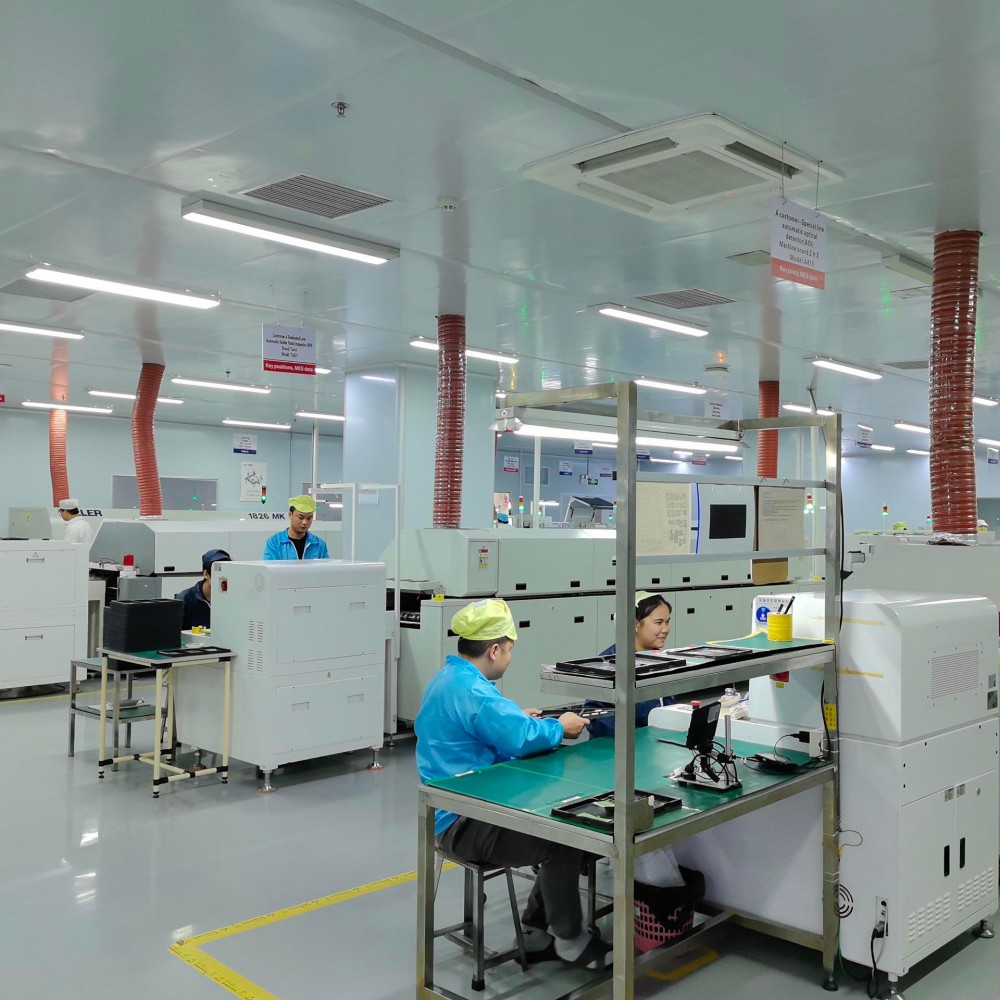
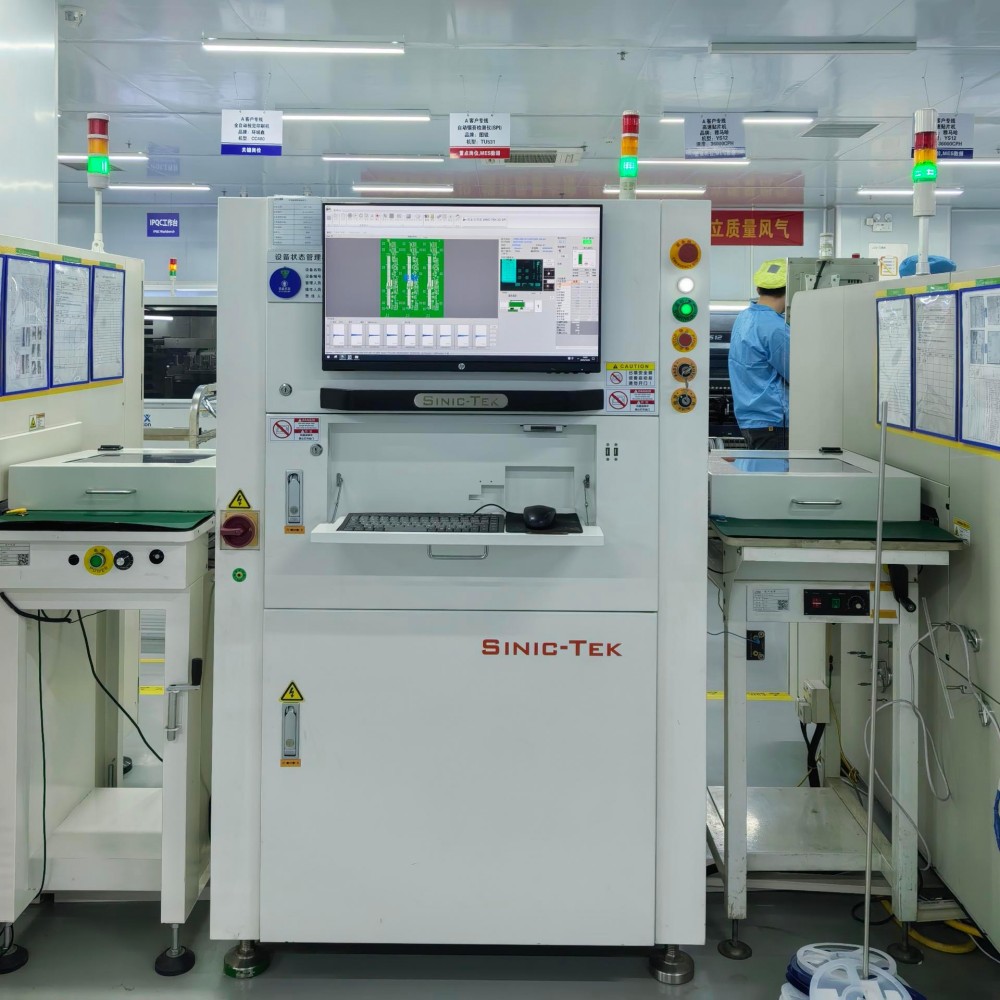
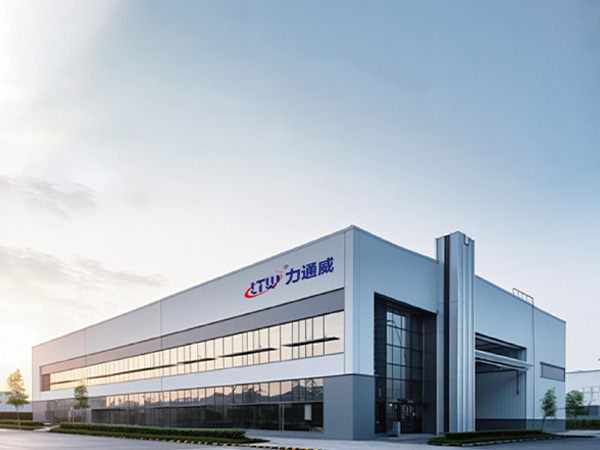
With 13,000 square meters of independent manufacturing space in Shenzhen and a 27,000 square meter factory in Dongguan Huangjiang, Litongwei has scale. Equipped with 24 high-speed SMT assembly machines and 12 complete PCBA production lines, our monthly output exceeds 15 million units.
Innovation drives safety. Litongwei invests over 10% of annual sales into research and development, maintaining a leading edge in thermal dynamics, fast charging algorithms, and cloud integration.
We hold over 100 utility, design, and software patents in the lithium-ion safety management industry. By cooperating directly on patent licenses, we protect our clients from domestic and international infringement risks.
How Shenzhen Litongwei bridges the gap between China's Factory 4.0 efficiency and Western grid compliance standards.
By building deep vertical integrations with leading chip manufacturers, substrate suppliers, and battery cell companies, Litongwei has established a highly resilient supply chain. Automated warehouses coupled with advanced MES systems ensure that every batch of protection boards matches trace specifications.
Exporting power solutions globally requires compliance. Litongwei manufactures products under rigorous international standards, ensuring smooth integration with local distribution grids and regional electrical codes.
A journey of continuous innovation, certification milestones, and smart industrial evolution.
In 2005, Litongwei commenced R&D and manufacturing of digital Battery Management Systems (BMS). By 2006, the product line expanded into high-power battery pack safety systems. We achieved ISO9001 certification in 2007, followed by ISO14001 environmental certification in 2009.
By 2011, the company secured 8 core utility model and design patents while building out dedicated power bank manufacturing facilities. In 2012, we established the Litongwei Technology Research Institute. Our efforts were recognized with the Del New Energy Quality Excellence Award in 2014 and the Gold Partner title from Gaogong Lithium Battery in 2015.
In 2016, we upgraded our ISO certifications and implemented advanced digital processes. By 2018, Litongwei achieved IATF16949 automotive quality management certification and deployed advanced MES software to automate our warehouse operations. The company received the Guangdong Battery Industry Association Innovation Award in 2019, followed by recognition as the leading brand in 2-wheeled EV battery protection in 2020.
Moving forward with our Smart Manufacturing+ initiative, we have integrated IoT interfaces directly into our BMS configurations. Cloud compatibility, remote maintenance, and machine-learning battery telemetry are standard in our next-generation solar generator components.
Cooperating with industry giants to build a robust, inter-connected clean energy future.
Litongwei's partners include Huawei, Lenovo, Desay, Guoguang, Sunwoda, Eve Energy, Guoxuan High-tech, and other leading brands. We have worked alongside these clients for years, developing safe, reliable systems that power millions of devices worldwide.











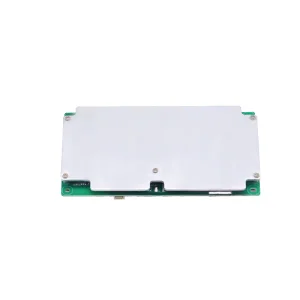
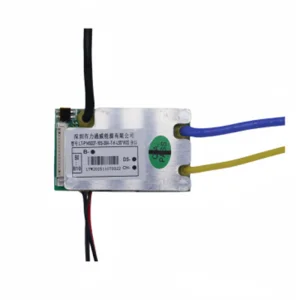
Intelligent multi-cell protection boards, Bluetooth integrated displays, and high-voltage BMS systems designed for global distributors.
Technical details and sourcing answers for professional engineering and procurement managers.
Standard portable power stations use a multi-step process where solar energy is stored in DC format, then inverted to AC, while charging is handled by a separate bulky AC adapter. A bidirectional inverter merges these two topologies into a single module. By allowing current to flow both ways through the same switches, they reduce the component count, improve power conversion efficiency to over 96.5%, and decrease system operating temperatures.
Charging lithium-ion batteries at temperatures below 0°C causes permanent lithium plating, which reduces capacity and can lead to internal short-circuits. Litongwei's smart BMS uses integrated NTC temperature probes to detect cold ambient conditions. Instead of allowing current to flow directly into the cells, the system routes incoming solar or grid power to internal heating elements. Once the battery pack has reached a safe threshold, the BMS switches to charge mode.
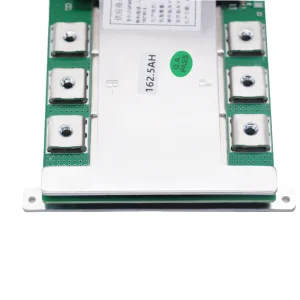
We provide custom BMS solutions ranging from 13S up to 23S and beyond, handling continuous discharge currents from 30A to over 200A. These boards can be integrated with CANbus, RS485, and Bluetooth communication protocols. We also offer options for external LCD displays (including 4.3-inch panels) to monitor individual cell status.
Infringement risks are a major concern for global distributors. With more than 100 patents in the circuit protection, BMS architecture, and automated testing spaces, we work closely with our partners to provide licensed technology. Litongwei supports joint patent filings and offers legal protection guarantees, protecting our B2B customers from patent disputes in Western markets.
Our shared board strategy utilizes pre-certified, production-tested hardware layouts across multiple clients. Instead of designing a completely new PCBA from scratch, we customize parameters via firmware and minor component changes. This approach helps customers bypass lengthy validation phases, reduces design engineering overhead, and ensures stable, reliable products at lower costs.
We run a fully automated MES (Manufacturing Execution System) across our production bases in Shenzhen and Dongguan. Every PCB is printed with a unique matrix code that records testing logs, soldering parameters, component batch sources, and final inspection results. This provides complete traceability, allowing us to pinpoint the source of any issues and ensure reliable performance in the field.
 Litongwei Electronic