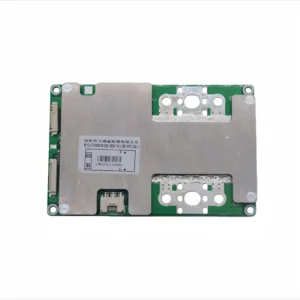
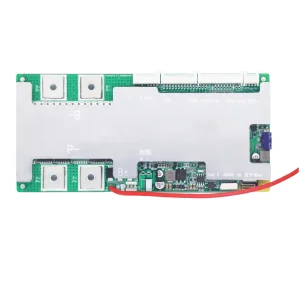
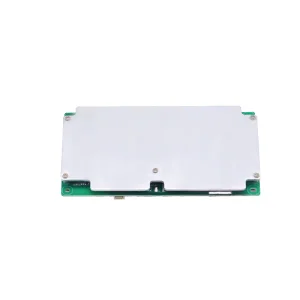
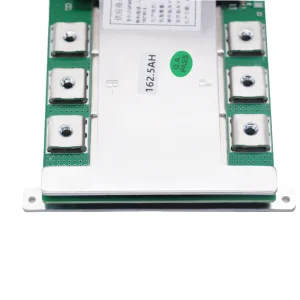
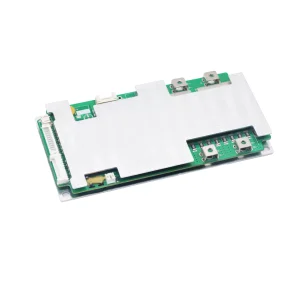
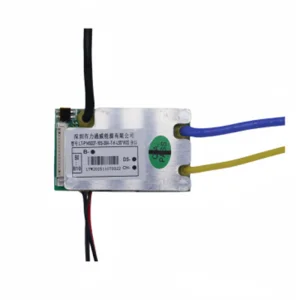
Engineered for ultra-compact applications. Explore our high-efficiency BMS configurations that serve as the safety foundation for the world's smallest power inverters.
Analyzing B2B buyer intent, structural footprints, and the global push toward micro-engineered infrastructure.
The global push for miniaturization in power conversion electronics has shifted B2B procurement vectors. Modern industries—ranging from telecommunications and remote monitoring fields to advanced portable consumer electronics—demand the "smallest inverter" architecture to optimize spatial efficiency and reduce shipping footprints. As global supply chains face volatile raw material costs, procurement directors look toward integrated designs that harmonize advanced high-efficiency micro-inverters directly with intelligent Battery Management Systems (BMS).
At Litongwei, we recognize that the smallest inverter is only as reliable as its integrated safety module. Modern applications demand a footprint reduction of up to 40% compared to legacy architectures. This requires our manufacturing lines in Shenzhen and Dongguan to integrate high-density SMT assemblies that combine NTC temperature compensation circuits, high-current shunt resistors, and Bluetooth telemetry directly onto single multi-layered PCB designs.
When selecting a reliable manufacturer for ultra-compact systems, consider these evaluation metrics:
Providing systems-level stability across micro-mobility, renewable energy, and micro-grid installations.
Electric scooters, electric bicycles, and three-wheeled delivery vehicles demand robust energy management. Utilizing custom BMS interfaces (like our 20S 100A or 23S 60A configurations) allows these vehicles to achieve maximum conversion efficiency. It prevents thermal runaway and ensures consistent wattage to the drive unit, lowering field failure rates significantly.
Small-footprint remote weather stations, cellular repeaters, and military IoT deployments rely on micro-inverters connected to high-reliability battery backups. These environments require low self-consumption quiescent current ratings (<50µA) and remote telemetry integration via mobile/desktop cloud applications to perform preventative maintenance.
Heavy-duty construction equipment and high-current power tools pack energy into compact hand-held packages. Integrating dynamic current limiting (up to 200A surge thresholds) prevents mechanical stall currents from compromising the core cell pack, resulting in safer operational life cycles and robust thermal regulation.
Exploring the transition to wide-bandgap semiconductors, thermal modeling, and AI-driven telemetry interfaces.
To produce the smallest possible inverters, industry engineers are shifting from conventional silicon MOSFETs to Gallium Nitride (GaN) and Silicon Carbide (SiC) switches. These wide-bandgap (WBG) semiconductors allow for up to 10x higher switching frequencies (often reaching 1MHz or more) without generating excessive heat. High switching frequencies drastically reduce the physical volume of magnetic components (inductors and transformers) within the inverter topology, paving the way for ultra-flat, pocket-sized designs.
Modern micro-inverter designs no longer function in isolation. By embedding active BMS protection circuits directly within the main controller loop, we establish real-time current balancing, NTC thermal sensing, and dual-layered short-circuit cutoffs. With serial communication interfaces (such as CAN, RS485, and low-energy Bluetooth), users can track individual battery cell voltages, operating cycles, and real-time power outputs directly via mobile applications or cloud management consoles.
A pioneer in high-reliability lithium-ion safety control systems and power management boards since 2005.
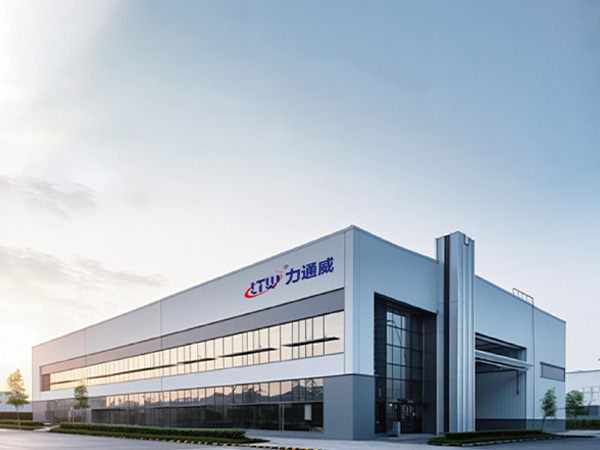
Established in 2005, Shenzhen Litongwei Electronic Technology Co., Ltd. is a national high-tech enterprise specializing in the R&D and manufacturing of lithium-ion safety control systems. Our products are widely used in 3C digital devices, electric scooters, bicycles, motorcycles, tricycles, golf carts, AGVs, drones, and power tools.
We provide intellectual property protection (patent collaboration to prevent infringement), industry-standard shared boards (cost reduction and efficiency improvement), full-process traceability (quality control), and remote maintenance (cloud platform support) to help you address technical, cost, and operational challenges. By choosing us, you'll receive top-tier products and services. Litongwei is committed to collaborating with you to build a brighter future together.

LITONGWEI has always adhered to the philosophy of "Technology as King, Efficient Service" in all aspects of production and operations. Our vision is to become a leading global provider of intelligent green energy management solutions, embracing environmental sustainability. Start with LITONGWEI!
Two decades of technological evolution, standardizing high-end lithium battery safety and integration.
Technology-driven growth. In 2005, the company commenced R&D and manufacturing of digital Battery Management Systems (BMS). By 2006, it expanded into power battery management system development. ISO9001 certification was obtained in 2007, followed by ISO14001 certification in 2009.
Technological advancement. The company secured 8 utility model and design patents in 2011, while expanding its mobile power bank manufacturing operations. The Litongwei Technology Research Institute was established in 2012. It received the Del New Energy Quality Excellence Award in 2014 and earned the Gold Partner title from Gaogong Lithium Battery in 2015.
Digital transformation. The company upgraded its ISO 9001 and ISO14001 certifications in 2016, achieved IATF16949 certification in 2018, and implemented an MES system for warehouse automation. It was awarded the Guangdong Battery Industry Association Innovation Award in 2019 and recognized as a leading brand in lithium battery protection board technology for two-wheeled vehicles in 2020.
Smart Manufacturing+. Litongwei Electronics continues to innovate, deepening its technological expertise while embracing IoT and Industry 4.0. Through its Smart Manufacturing+ strategy, the company drives industrial transformation and upgrading.
State-of-the-art facilities, intense R&D focus, and pioneering patent-collaborations.
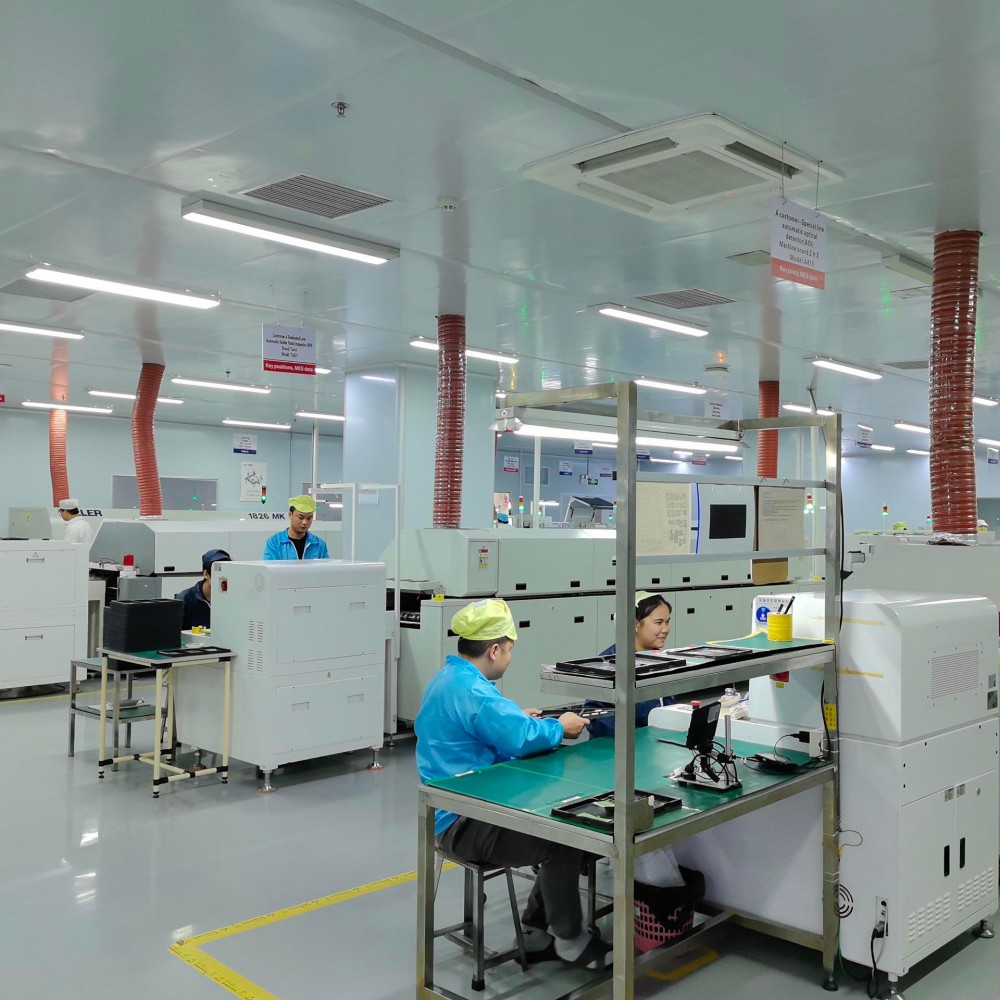
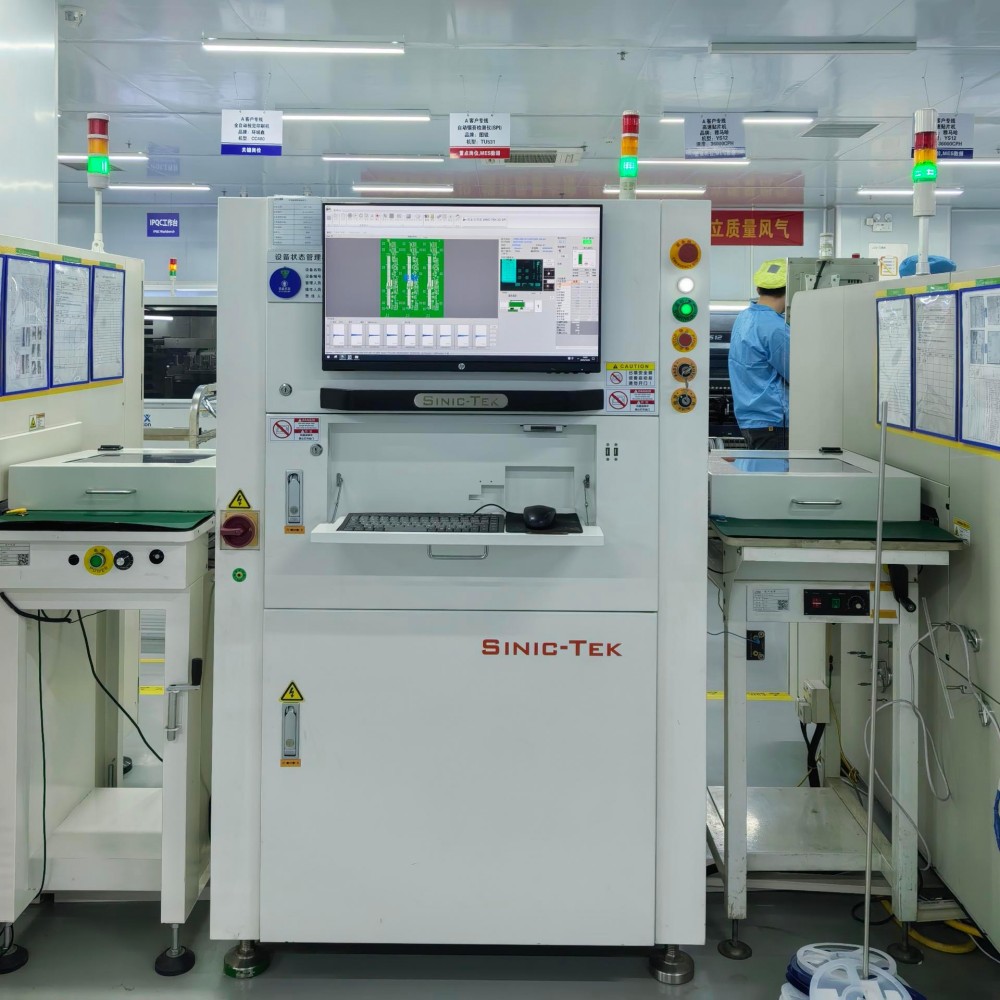
Shenzhen has over 13,000 square meters of independent factory space, and Dongguan Huangjiang has 27,000 square meters. The company is equipped with 24 pick-and-place machines for high-speed assembly and 12 PCBA production lines, with Litongwei's monthly output reaching over 15 million units.
Litongwei's R&D investment has consistently accounted for more than 10% of the company's sales for five consecutive years.
The company holds over 100 patents in the lithium-ion battery protection board industry, along with multiple patents in circuit/testing programs and automation. It provides enhanced intellectual property protection for clients and collaborates with them to mitigate infringement risks.
Litongwei's partners include Huawei, Lenovo, Desay, Guoguang, Sunwoda, Eve Energy, Guoxuan High-tech, and other industry brand clients who have collaborated for many years.












Providing B2B clients with the legal and operational frameworks required for zero-risk global exports.
Navigating different international markets demands strict adherence to global safety and quality directives. Exporting systems into the European Union, North America, and key Asia-Pacific markets requires products to comply with stringent standards, including CE, FCC, RoHS, and UL declarations. Litongwei's manufacturing facilities operate on automated MES (Manufacturing Execution Systems), logging real-time product testing checkpoints for ultimate tracing accountability. We track components back to their respective wafer fabrication batches to ensure consistent safety outputs.
Furthermore, our IATF16949 certification validates our capability to serve the high-standard automotive industry. This gives electric mobility OEMs confidence that our electronics will survive intense mechanical vibration, temperature shifts, and prolonged humidity. Our dedicated legal division provides collaborative patent support, shielding your custom micro-inverter system from IP disputes in key international markets.
Our micro-inverter power control systems conform to safety requirements across multiple territories:
Deep-dive technical answers for engineering professionals and procurement directors.
OEM/ODM options featuring Bluetooth, CANbus, and screen-monitoring interfaces for global micro-energy distributors.
 Litongwei Electronic