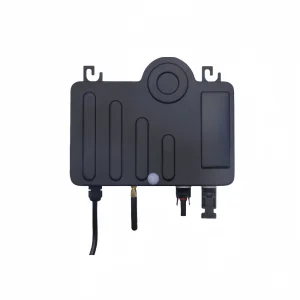
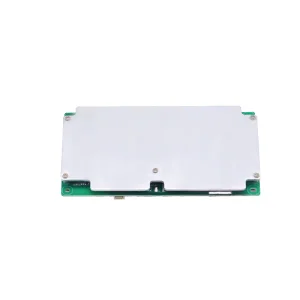
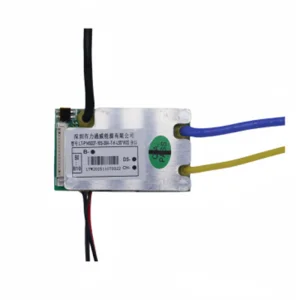
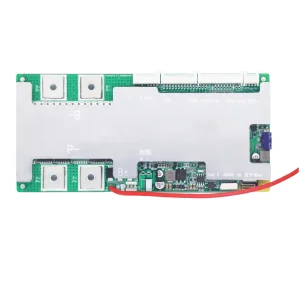
Why standard passive balancing is falling short, and how dynamic energy redistribution maximizes the efficiency and lifetime of lithium battery packs.
In high-capacity lithium-ion pack topologies (NMC, LFP, LTO), cell manufacturing tolerances and localized temperature differentials inevitably cause internal resistance (IR) and capacity mismatches. Traditional **passive balancing** relies on dissipating excess charge as heat through bypass resistors during the tail end of the charging cycle. This approach is not only thermally inefficient, but it also fails to balance batteries during discharge or rest states, offering limited help when capacity mismatches are severe.
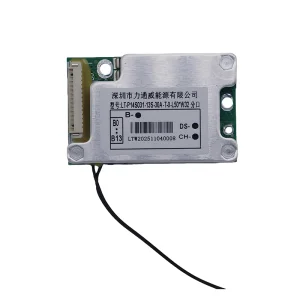
A **Smart Active Balancer**, by contrast, uses energy-transfer methodologies (inductive, capacitive, or active transformer-based topologies) to dynamically shuttle charge from high-voltage cells to low-voltage cells. This non-dissipative balancing process operates continuously across charge, discharge, and static states, drastically reducing energy waste, keeping operating temperatures low, and extending cell lifespans by up to 30%.
Adaptable power optimization systems engineered for distinct regional industries, infrastructure demands, and operating environments worldwide.
Designed for large-scale utility battery energy storage systems (BESS). Active balancing helps mitigate cell degradation caused by rapid charge-discharge profiles, keeping systems stable during peak-shaving and frequency regulation.
Optimized for European household solar storage and heat pumps. Our quiet, high-efficiency active balancing ensures long-term system reliability and helps residential users lower their overall cost of energy ownership.
Tailored for the demanding daily schedules of electric two-wheelers, three-wheelers, and battery-swapping networks across Asia-Pacific. Offers reliable protection against high-vibration and quick-charge stresses.
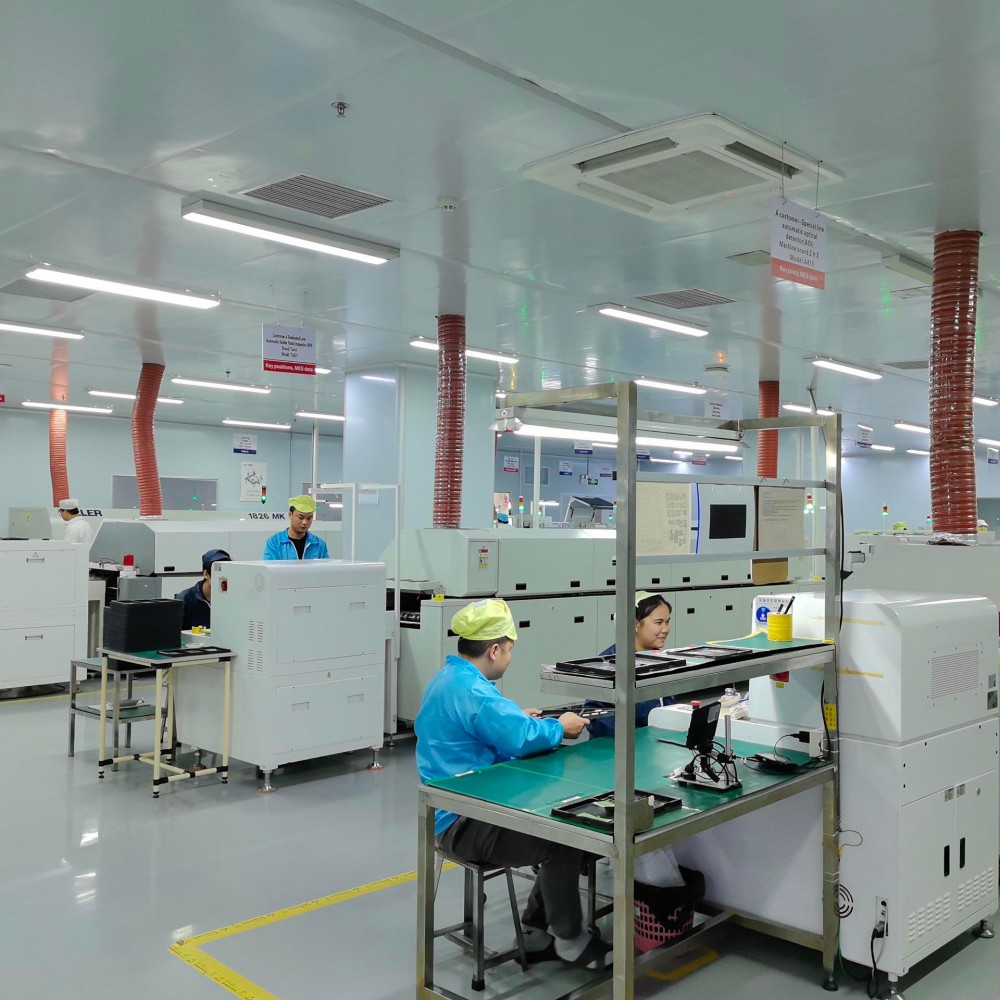
From raw material sourcing to automated assembly, Shenzhen Litongwei Electronic Technology Co., Ltd. delivers high-volume quality you can rely on.
Established in 2005, Shenzhen Litongwei Electronic Technology Co., Ltd. operates as a national high-tech enterprise at the forefront of lithium-ion protection and balancing systems. We maintain two modern production facilities: a **13,000 square meter** headquarters in Shenzhen and a **27,000 square meter** manufacturing hub in Huangjiang, Dongguan. Our automated lines process millions of units monthly, ensuring reliable, high-volume supply to keep pace with global demand.
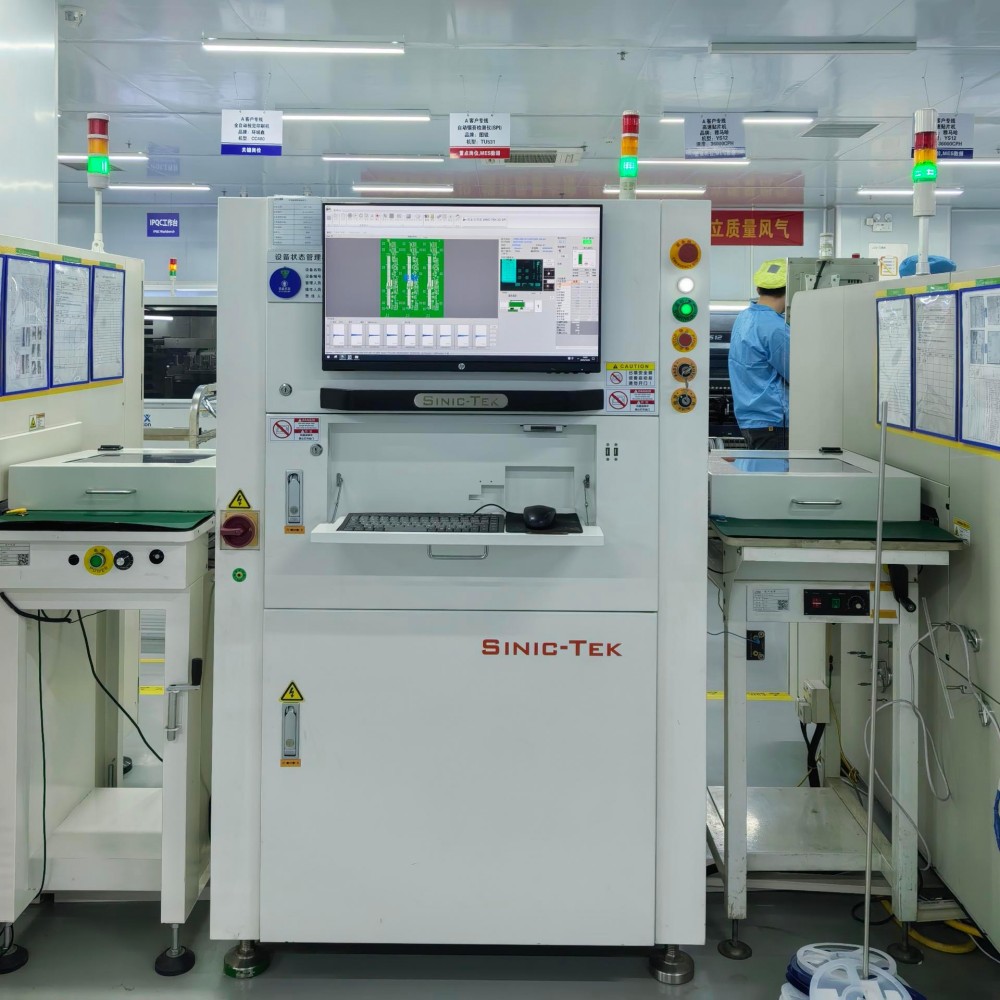
Equipped with **24 high-speed pick-and-place SMT machines** and **12 dedicated PCBA lines**, our monthly production capacity reaches over **15 million units**. This deep integration of high-speed assembly and rigorous quality control enables us to scale production efficiently while keeping product quality consistent.
How smart active balancing is reshaping the unit economics of battery storage and commercial EV fleets worldwide.
By preventing premature cell replacement, active balancers help commercial battery asset owners reduce long-term capital expenditure and lower project amortization costs.
Active balancing helps offset the natural divergence that occurs in older cell groups, preventing weak cells from causing early low-voltage system cutoffs.
Our products are designed to meet stringent global certification requirements, including CE, FCC, RoHS, and UL, enabling smooth integration into international markets.
An overview of upcoming innovations in smart active balancing, driven by IoT connectivity, predictive diagnostics, and advanced safety standards.
Simple voltage-triggered hardware balancing. These designs activate automatically when a cell-to-cell delta voltage threshold is crossed, offering a solid, straightforward solution for basic energy storage packs.
Our current standard features programmable microcontrollers paired with Bluetooth, CAN, or RS485 communication protocols. Users can monitor individual cell status, adjust balance current dynamically, and track performance in real time via mobile app or SCADA dashboards.
Looking ahead, we are integrating cloud-based digital twin technology to estimate State-of-Health (SoH) and predict cell imbalances before they occur. This proactive approach helps extend battery life by adapting balancing algorithms to localized aging patterns.
We work closely with industry leaders to deliver reliable, high-performance battery safety systems.
For international buyers and Tier-1 automotive brands, intellectual property protection and component traceability are critical requirements. Litongwei holds over **100 utility model, design, and software patents**, providing a secure foundation for custom OEM/ODM partnerships.
Our facilities utilize a custom **Manufacturing Execution System (MES)** that records production data for every single board. From SMT paste inspection and chip placement to functional testing and calibration, each step is fully logged. This transparent tracking simplifies quality assurance and ensures reliable long-term performance.

Answers to common technical and sourcing questions about smart active balancing systems.
 Litongwei Electronic