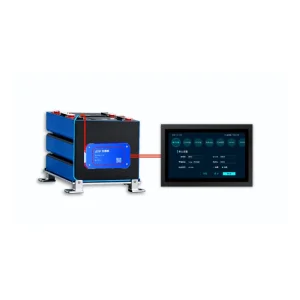
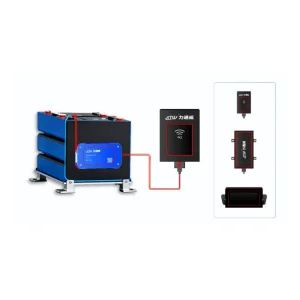
As the largest metropolitan economy in Eastern Europe, Moscow is currently undergoing a rapid transformation. The city is actively pushing the boundaries of electrification across municipal transportation, urban logistics, and decentralized commercial energy storage systems. However, implementing modern battery systems and user-interface peripherals in the Moscow region presents a unique engineering challenge: severe winter temperatures that drop as low as -30°C to -40°C.
Standard electronic accessories and Lithium-ion battery packs fail rapidly under these conditions without specialized engineering. At sub-zero temperatures, liquid crystal fluid in standard displays freezes, leading to slow response times or permanent damage. Simultaneously, battery cells suffer from extreme internal resistance spikes, capacity drop, and lithium plating risks during charging.
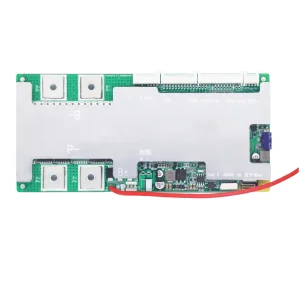
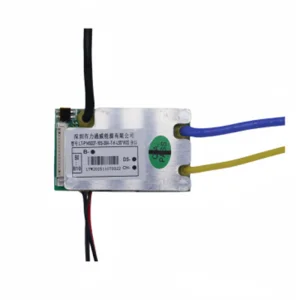
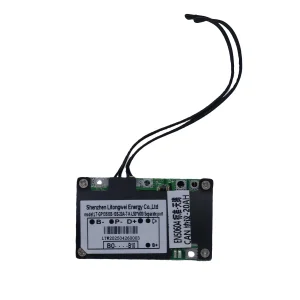
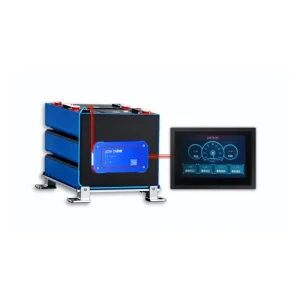
To address these challenges, Shenzhen Litongwei Electronic Technology Co., Ltd. offers customized, low-temperature optimized industrial accessories, high-intelligent Battery Management Systems (BMS), and rugged HMI display units engineered specifically to excel in Moscow's severe climate.
Our intelligent BMS features integrated NTC thermistors and dedicated control circuits for silicone heating blankets. It enables safe battery pre-heating before the charging cycle begins, preventing anode damage under freezing conditions.
We provide extensive collaborative patent development options to prevent infringement, securing your technology stack and allowing smooth compliance operations in international markets.
Using state-of-the-art MES (Manufacturing Execution Systems), every unit manufactured in our Shenzhen and Dongguan factories is registered with high-precision traceability, linking component batches directly to individual serial numbers.
Whether you are designing stationary energy storage systems (ESS) for residential complexes in New Moscow, deploying a fleet of electric commercial vehicles, or maintaining municipal infrastructure, our engineers collaborate with your team to deliver custom firmware protocols (including CANbus 2.0B, RS485, and Modbus) that integrate seamlessly with your existing hardware stack.
| BMS / Display Specifications | Standard Market Grade | Litongwei Moscow-Optimized Industrial Grade |
|---|---|---|
| Operating Temperature Range | -10°C to +60°C | -40°C to +85°C (Military / Advanced Industrial Grade) |
| BMS Communication Support | Standard I2C / UART only | CAN 2.0B, RS485, Modbus, Bluetooth IoT, Cloud Platform Telemetry |
| Over-Current Protection Precision | ± 5% Deviation | High-Precision Shunt Integration (± 1% Custom Calibration) |
| LCD/OLED Screen Liquid Viscosity | Standard (Freezes at -10°C) | Heater-integrated Transflective LCD / Wide-Temp Active Matrix OLED |
| Environmental Protection | Conformal Coating Level 1 | Thick Conformal Coating (IP67 Rated Enclosures & Acrylic Potting) |
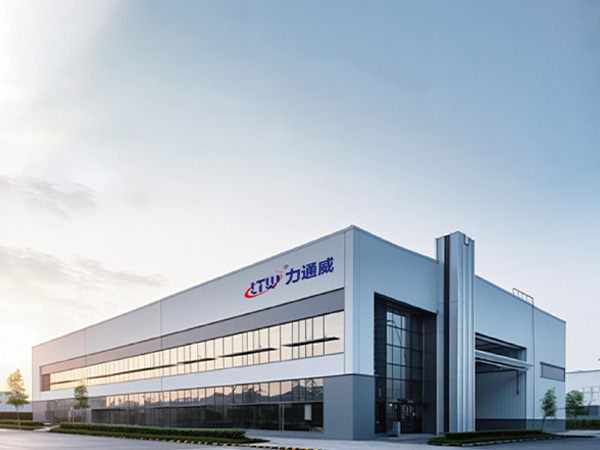
We are Shenzhen Litongwei Electronic Technology Co., Ltd., established in 2005, a national high-tech enterprise specializing in the R&D and manufacturing of lithium-ion safety control systems. Our products are widely used in 3C digital devices, electric scooters, bicycles, motorcycles, tricycles, golf carts, AGVs, drones, and power tools. We provide intellectual property protection (patent collaboration to prevent infringement), industry-standard shared boards (cost reduction and efficiency improvement), full-process traceability (quality control), and remote maintenance (cloud platform support) to help you address technical, cost, and operational challenges. By choosing us, you'll receive top-tier products and services. Litongwei is committed to collaborating with you to build a brighter future together.
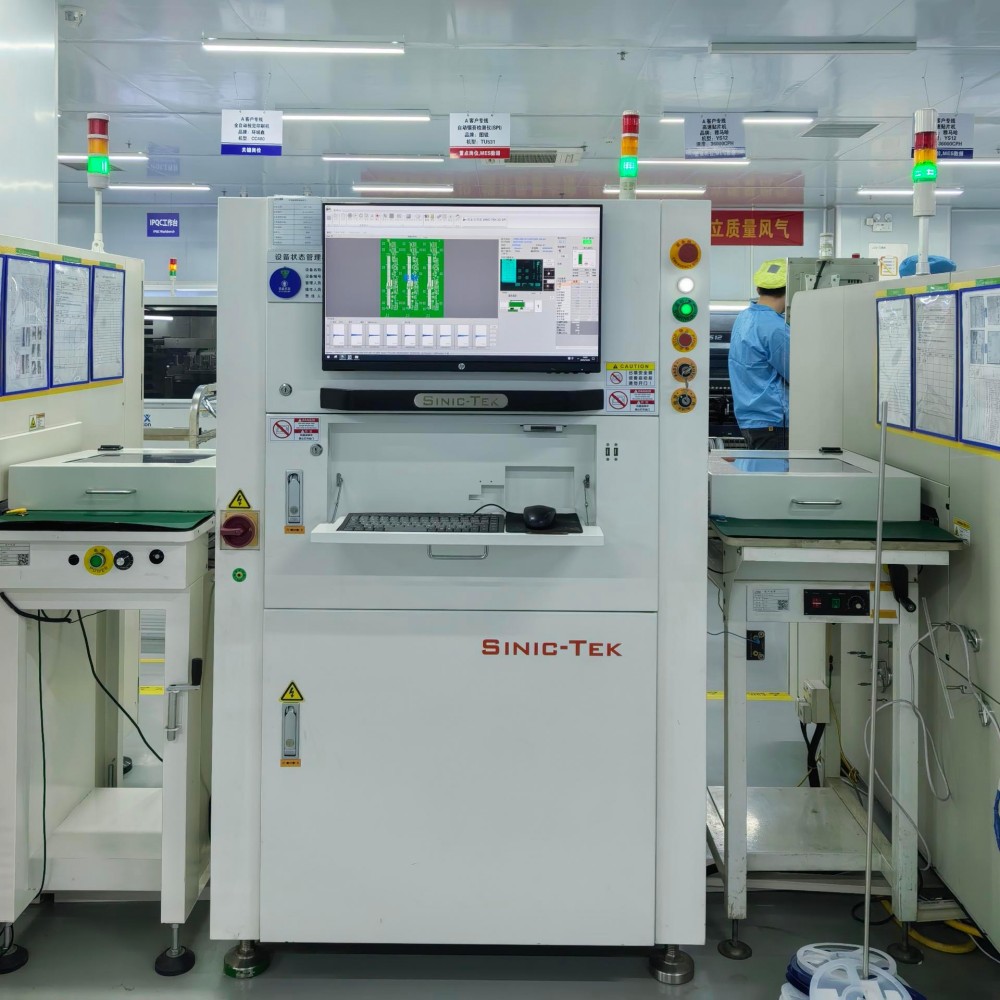

LITONGWEI has always adhered to the philosophy of "Technology as King, Efficient Service" in all aspects of production and operations. Our vision is to become a provider of intelligent green energy management solutions, embracing environmental sustainability. Start with LITONGWEI!
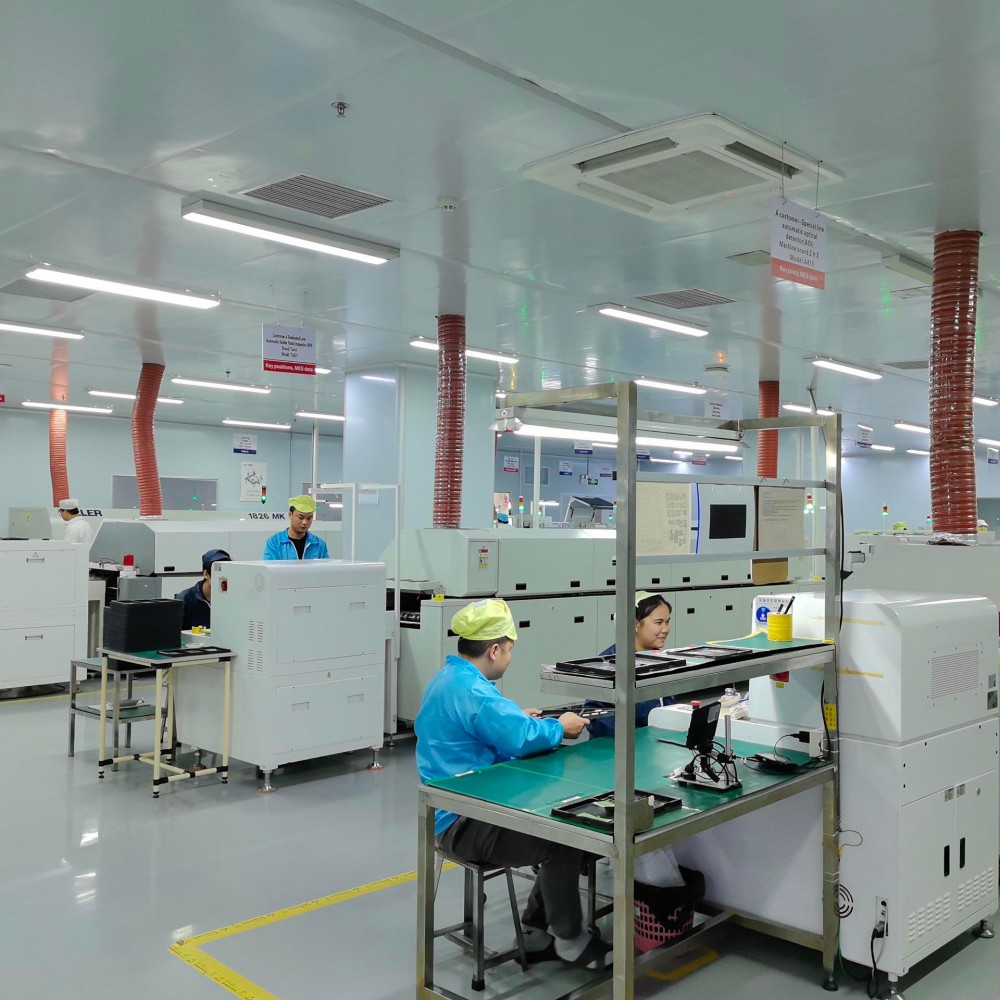
Our commitment to continuous technological development is backed by hard numbers: Litongwei's R&D investment has consistently accounted for more than 10% of the company's sales for five consecutive years. We operate over 13,000 square meters of independent factory space in Shenzhen, and an additional 27,000 square meters in Dongguan Huangjiang. Equipped with 24 pick-and-place machines for high-speed SMT assembly and 12 advanced PCBA production lines, our monthly production capacity reaches over 15 million high-performance units.
In 2005, the company commenced R&D and manufacturing of digital Battery Management Systems (BMS). By 2006, it expanded into power battery management system development. ISO9001 certification was obtained in 2007, followed by ISO14001 certification in 2009.
The company secured 8 utility model and design patents in 2011, while expanding its mobile power bank manufacturing operations. The Litongwei Technology Research Institute was established in 2012. It received the Del New Energy Quality Excellence Award in 2014 and earned the Gold Partner title from Gaogong Lithium Battery in 2015.
The company upgraded its ISO 9001 and ISO14001 certifications in 2016, achieved IATF16949 certification in 2018, and implemented an MES system for warehouse automation. It was awarded the Guangdong Battery Industry Association Innovation Award in 2019 and recognized as a leading brand in lithium battery protection board technology for two-wheeled vehicles in 2020.
Litongwei Electronics continues to innovate, deepening its technological expertise while embracing IoT and Industry 4.0. Through its Smart Manufacturing+ strategy, the company drives industrial transformation and upgrading.
Litongwei's partners include Huawei, Lenovo, Desay, Guoguang, Sunwoda, Eve Energy, Guoxuan High-tech, and other industry brand clients who have collaborated for many years.










Procuring advanced electronic assemblies and battery boards for the Russian market requires strict adherence to international shipping, compliance, and logistics protocols. Litongwei's dedicated international trading team provides end-to-end logistics assistance to ensure seamless delivery to your assembly warehouses in Moscow, St. Petersburg, or other major Russian industrial zones.
We offer quick turnaround times on custom prototyping. Once your engineers supply the electrical specifications and structural dimensions, our R&D institute drafts the schematics and delivers fully functional PCBA prototypes within 14 working days. All boards undergo temperature cycle tests from -45°C to +85°C, ensuring optimal performance right out of the box.
Our ISO9001 and IATF16949 certifications are the backbone of our manufacturing process. We perform automated optical inspections (AOI), in-circuit testing (ICT), and 100% capacity/aging tests on all safety boards and accessories. This rigorous attention to detail eliminates failure rates, protecting your brand reputation in highly demanding local industrial markets.
Our specialized sub-zero BMS modules integrate high-precision NTC thermistors. When the temperature falls below 0°C, the BMS can automatically trigger external heating resistors or silicone heating wraps to pre-heat the lithium battery cells before accepting charge. This effectively prevents lithium plating and thermal runaway, maintaining high cycle-life even under -30°C to -40°C winter conditions.
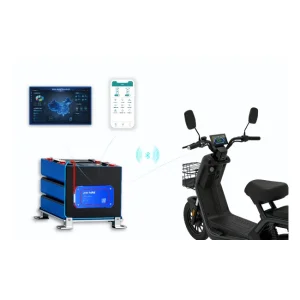
We support standard industrial communication interfaces, including CANbus (2.0A and 2.0B), RS485 (Modbus RTU), UART, and I2C. We also offer Bluetooth integration for mobile application monitoring, allowing users to inspect cell voltages, state of charge (SoC), and temperature logs in real-time.
Yes, our products are manufactured under strict ISO9001 and IATF16949 quality guidelines. We routinely assist clients in securing CE, RoHS, and FCC markings, and we can provide the required technical documentation, testing logs, and component specifications to assist with EAC (Eurasian Conformity) certification.
Standard production-ready boards are dispatched within 2 to 3 weeks of order confirmation. For custom hardware development, schematic design and initial prototyping take 10 to 14 working days, followed by 2 to 3 weeks of pilot run validation and testing. Mass production lead times range between 30 and 45 days.
 Litongwei Electronic