 Litongwei Electronic
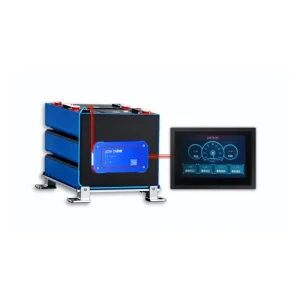
Engineered for real-time visualization, cloud integration, and precise telematics in local logistics hubs and custom industrial setups.
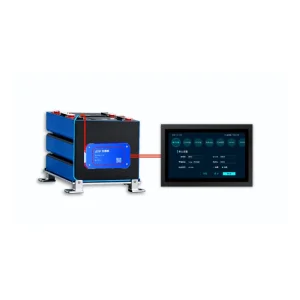
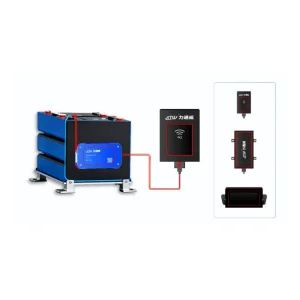
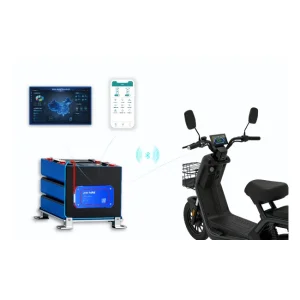
An authoritative analysis of modern energy management requirements in Germany's leading logistics gateway.
The Free and Hanseatic City of Hamburg is a focal point of Europe's decarbonization journey. As home to the third-busiest port in Europe and serving as Germany's primary logistics gateway, the city demands highly sophisticated solutions to transition from fossil fuels to clean electricity. Electrifying logistics fleets, port handling equipment (like AGVs, straddle carriers), and local municipal transport networks requires robust, high-performance battery packs coupled with advanced Battery Management Systems (BMS).
This technological shift is not merely about sourcing batteries; it centers on the structural integrity of safety control electronics. In Northern Germany's demanding climate, features like smart temperature management (utilizing dual or multi-point NTC temperature sensors), digital telemetry via CAN-Bus or RS485 communication protocols, and cloud-based predictive maintenance are not optional—they are core requirements.
Under Germany's strict regulatory framework, including the Renewable Energy Sources Act (EEG) and CE/DIN directives, battery accessories and smart BMS boards must deliver maximum safety, electromagnetic compatibility (EMC), and operational durability. Low-cost, non-compliant components represent a significant liability. Thus, choosing a partner like Shenzhen Litongwei, with ISO 9001, ISO 14001, and IATF 16949 automotive-grade credentials, guarantees that your battery systems align with German standards.
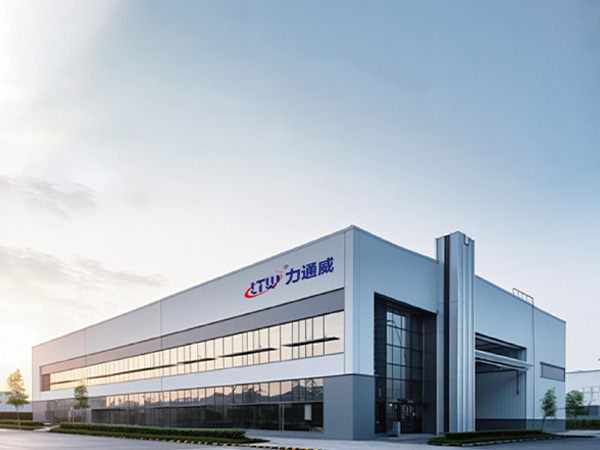
Scaling intelligent battery solutions from the manufacturing capital of Shenzhen to the industrial hubs of Hamburg.
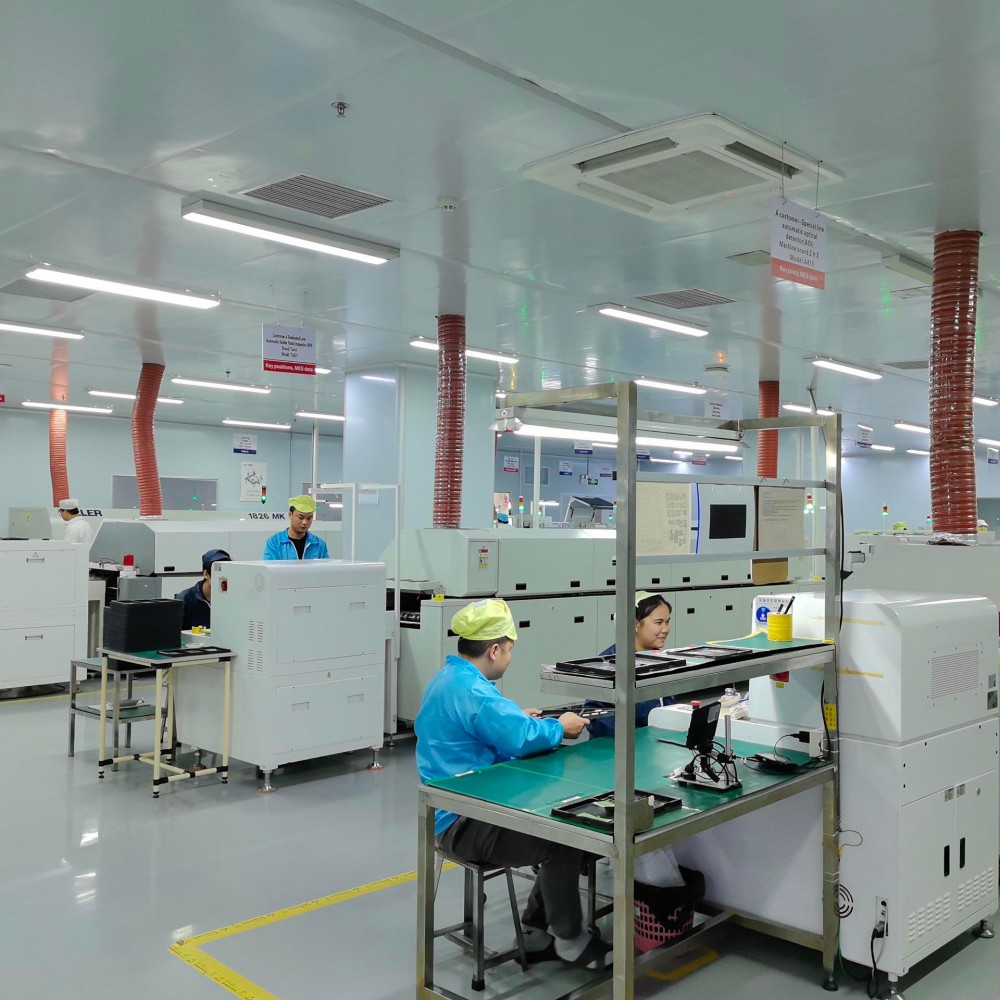
Over 40,000 m² of state-of-the-art production facilities in Shenzhen and Dongguan, hosting 24 high-speed SMT lines capable of delivering 15 million high-reliability BMS units per month.
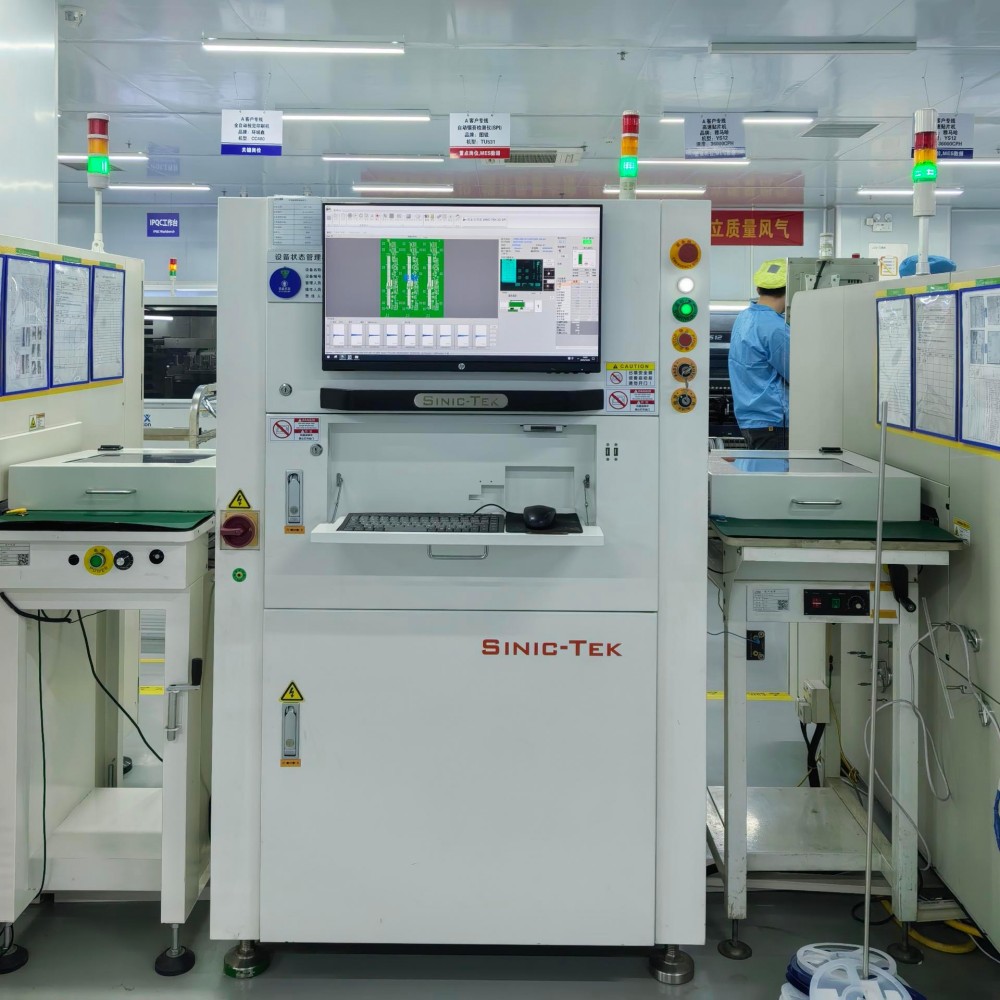
Full-process quality traceability (MES integration) ensuring compliance with CE, RoHS, WEEE, and Germany's DIN VDE standards for safety in power storage and traction batteries.
Real-time system health checks via cloud platforms, Bluetooth interfaces, and integrated 4G GPS transceivers. Diagnose and update firmware over-the-air (OTA) from anywhere in Europe.
Tailoring our advanced battery electronics to meet the exact operational demands of the Hanseatic region.
Hamburg is a pioneer in green urban logistics, boasting extensive networks of commercial electric cargo bikes (Lastenräder) and shared micro-mobility platforms. Our 10S to 20S smart BMS boards (featuring Bluetooth and integrated battery status display modules) ensure these vehicles remain safe and reliable in freezing winters. The built-in NTC thermistors prevent charge cycles below 0°C, extending battery life and reducing fleet maintenance costs.
Container terminals require uninterrupted 24/7 operations. High-power BMS (up to 200A continuous current with CAN communication) allow port AGVs to utilize quick-charging cycles while maintaining balanced cells and tracking thermals, mitigating the risk of thermal runaway.
With the surge in Hamburg balcony solar projects (Balkonkraftwerke), our smart micro-inverters (delivering up to 96.5% efficiency and IP67 weather resistance) offer local distributors a highly certified, plug-and-play solution designed to withstand harsh seaside humidity.
How Litongwei is driving the next generation of battery safety control systems.
Our research and development pipeline is heavily focused on the convergence of Artificial Intelligence and Battery Telemetry. Standard BMS systems are reactive; they cut off current only when safety thresholds are breached. Litongwei's next-generation systems employ edge AI models that process real-time cell parameters (internal resistance, voltage variance, temperature rise gradients) to predict cell failure up to 48 hours before it occurs.
Furthermore, as Germany moves toward circular-economy mandates for industrial batteries, our cloud-linked tracking modules will store the lifetime data of each battery pack, facilitating secondary-use applications (such as converting retired EV battery packs into grid-connected stationary storage systems) and streamlining recycling processes.
Over two decades of engineering smart power management systems.
Commenced development of digital Battery Management Systems (BMS). By 2007, secured ISO9001 certification to ensure global quality standards.
Established the Litongwei Technology Research Institute. Secured multiple utility model and design patents while building global supply chain partnerships.
Achieved IATF 16949 certification (automotive standard) and integrated MES systems for comprehensive trace-and-track manufacturing control.
Integrating IoT, cloud diagnostics, and AI-driven telemetry. Expanding localized technical sales and service channels across Western Europe.
Our partners trust us to secure their power systems year after year.
Litongwei's long-term collaborative partners include global tier-one electronics and energy brands such as Huawei, Lenovo, Desay, Guoguang, Sunwoda, Eve Energy, and Guoxuan High-tech.





Answers to technical and logistics questions regarding Litongwei BMS systems for Northern Germany.
Yes. All of our Battery Management Systems (BMS) are engineered to comply with European safety and environmental standards. We integrate CE marking, RoHS directives, and align our high-voltage designs with DIN VDE criteria. Our IATF 16949-certified factories maintain rigorous traceability systems for every component, ensuring we meet all European compliance requirements.
We work with global freight forwarders to provide seamless shipping directly to the Port of Hamburg (DDP/FOB/CIF terms). All customs declarations, safety data sheets (SDS), and UN 38.3 transport certifications are provided by us to guarantee smooth entry into Germany.
Yes. Our BMS designs include configurable NTC temperature probes. When temperatures fall below freezing (common during Hamburg winters), the BMS will cut off charging to prevent lithium plating, or activate heating pads to safely warm the cells prior to charging.
Absolutely. We provide extensive firmware customization. We support CAN 2.0B, RS485, UART, and Modbus communication protocols, facilitating integration with motor controllers, vehicle ECUs, or grid inverters used in Germany.
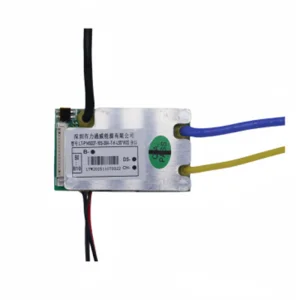
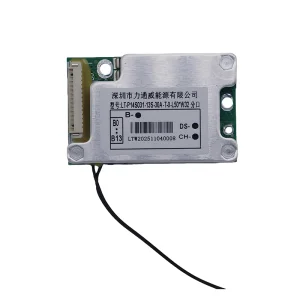
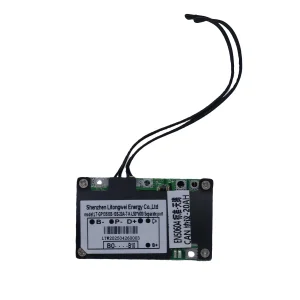
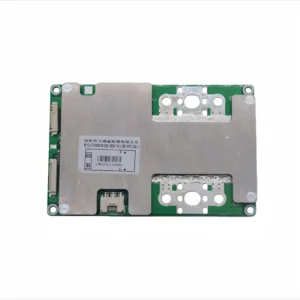
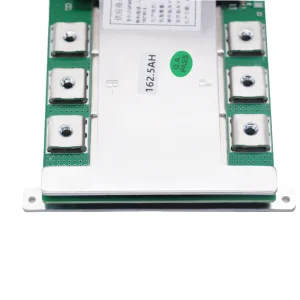
Explore our core range of high-efficiency BMS, interface accessories, and balcony micro-inverters.
Partner with Litongwei to secure high-performance, compliant battery systems for your products.