Direct supply paths from China 4.0 smart manufacturing units to Eritrean infrastructure setups.
Eritrea, strategically situated on the Horn of Africa bordering the Red Sea, is experiencing a fundamental shift towards infrastructural modernization. With the government’s focus on mining developments (notably the Bisha Gold-Copper-Zinc project and Colluli Potash reserves), off-grid agricultural solar pumping, and municipal expansion in cities like Asmara, Massawa, and Keren, the demand for resilient safety components has surged. The national power grid faces unique stabilization challenges, rendering smart battery safety devices and rugged industrial accessories crucial for keeping operations online.
Local telecommunication sites operated by EriTel and localized mining installations rely heavily on off-grid energy storage systems (ESS). Standard energy storage solutions operating in East Africa must tolerate harsh environment metrics: high ambient temperatures reaching above 45°C in coastal desert strips, high levels of atmospheric dust, and marine air corrosion. The integration of advanced Battery Management Systems (BMS) with real-time telemetry accessories is no longer optional—it is a critical fail-safe standard.
Traditional energy storage systems without high-frequency data feedback loops suffer a 35% shorter operational lifespan in Horn of Africa desert environments. Integrating intelligent communication boards allows operators to monitor cell balance dynamically, drastically cutting local maintenance interventions.
Precision-engineered systems tested under maximum electrical strain to guarantee seamless operation in East African grids.
To support the development of microgrids in off-grid rural communities in Eritrea, the technological roadmap focuses on three main developments: integration of remote telemetry, high-precision thermal control, and adaptive battery protection systems.
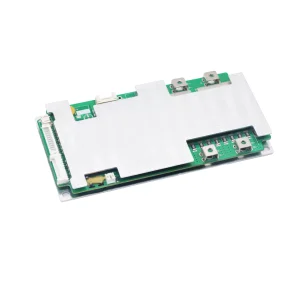
Because ambient temperatures in Eritrea are high, cells within a lithium-ion pack degrade unevenly. Standard passive balancing dissipates excess energy as heat via resistors, which is less than ideal for hot regions. We focus on integrating smart passive boards with efficient thermal dissipation layouts, as well as developing advanced active-balancing BMS that transfer energy from higher to lower-charged cells, keeping internal thermal buildup to a minimum.
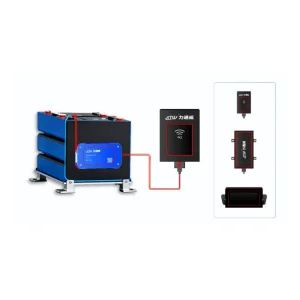
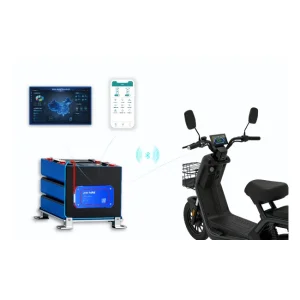
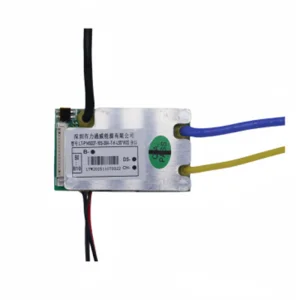
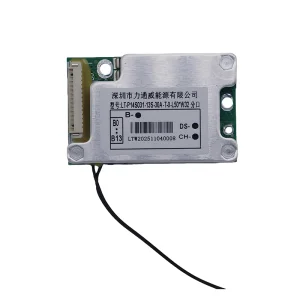
Our BMS units are equipped with low-energy Bluetooth (BLE) and integrated 4G GPS tracking modules. For companies operating decentralized fleets or distributed solar stations across distant locations like Massawa, Barentu, or Mendefera, this setup provides real-time state-of-health (SoH) diagnostics, location monitoring, and voltage tracking directly back to central control centers in Asmara.
Delivering tailored hardware and software suites to solve critical power management problems across diverse industries.
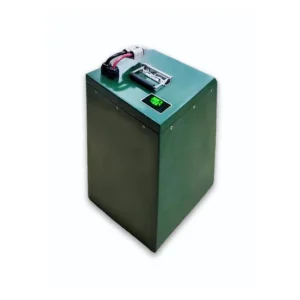
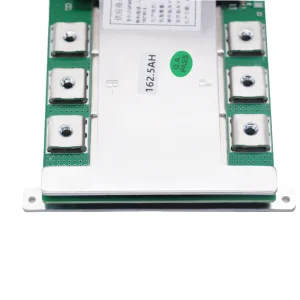
Protecting telecom towers from sudden voltage drops. Our 20S 120A/200A smart BMS structures ensure remote towers remain active, even during sudden utility supply drops, utilizing safe backup LFP chemistry.
Supplying heavy-duty display screens and vibration-resistant BMS controllers designed to withstand the tough conditions of gold, copper, and potash extraction sites.
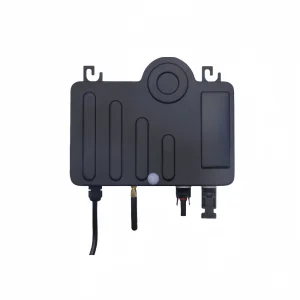
Connecting high-efficiency micro-inverters with integrated lithium-ion battery modules to support water pumps, food cold-storage facilities, and localized lighting systems.
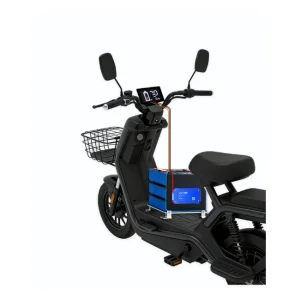
Established in 2005, Shenzhen Litongwei Electronic Technology Co., Ltd. is a national high-tech enterprise specializing in the R&D and manufacturing of lithium-ion safety control systems. Our products are widely used in 3C digital devices, electric scooters, bicycles, motorcycles, tricycles, golf carts, AGVs, drones, and power tools.
We provide intellectual property protection (patent collaboration to prevent infringement), industry-standard shared boards (cost reduction and efficiency improvement), full-process traceability (quality control), and remote maintenance (cloud platform support) to help you address technical, cost, and operational challenges. By choosing us, you'll receive top-tier products and services. Litongwei is committed to collaborating with you to build a brighter future together.
In the lithium-ion safety controller sector, supply chain reliability is key. Shenzhen Litongwei operates advanced manufacturing facilities: our Shenzhen base covers over 13,000 square meters, and our Dongguan Huangjiang facility spans 27,000 square meters. The plant runs 24 automated, high-speed SMT pick-and-place lines and 12 PCBA assembly lines, outputting more than 15 million units a month.
By using modern Manufacturing Execution Systems (MES) paired with automated optical inspection (AOI), we track each component from raw silicon to the final product shipped to Eritrea. This complete visibility helps minimize defects and keeps the product compliant, which is highly appreciated by our international OEM/ODM clients.
Exporting electronics to Eritrea requires understanding the local customs clearance procedures. We offer tailored logistics services to Eritrea, organizing sea shipments directly to the port of Massawa. Every shipment comes with detailed technical documentation and customs clearance declarations to help streamline the import process.
Additionally, all electrical products and accessories comply with international standards, such as UN38.3, CE, and RoHS. We design custom enclosures that withstand humidity and salt air, ensuring long-term durability in coastal locations like Massawa and Assab.
Collaborating with global technology brands for almost two decades to establish high standards of reliability.



Industrial protection circuits and smart communication modules ready for import into Eritrea.
Clear answers to common technical, logistics, and supply questions regarding importing power accessories to Eritrea.
A: We adjust the over-temperature cutoff threshold using custom-programmed NTC thermal thermistors. Our protection boards trigger thermal cutoff actions at 60°C to 65°C to protect cells from thermal runaway, which is critical for operating safely in high-ambient-temperature regions.
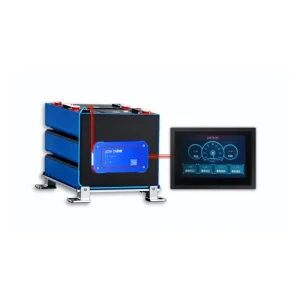
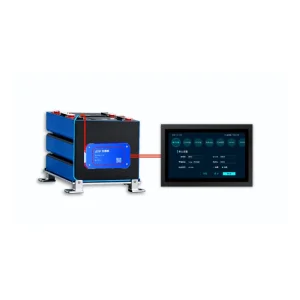
A: Yes. Our smart RS485 and CAN communication modules are compatible with customized LCD displays. These screens can show real-time state-of-charge (SoC), operational temperatures, individual cell voltages, and error logs directly at the site interface.
A: Sea freight shipments from Shenzhen to Massawa Port generally take between 28 to 35 days, depending on transshipment connections. We handle all export declarations and provide full compliance documentation, including UN38.3 safety testing reports.
A: Shared boards use standard, pre-approved structural layouts and component footprints, which helps reduce initial design fees and speeds up the production process. This option is popular with companies looking to establish reliable off-grid systems quickly without high development costs.
Partner with Litongwei for advanced battery management systems and tailored industrial electronics accessories. Contact our engineering team today.
 Litongwei Electronic