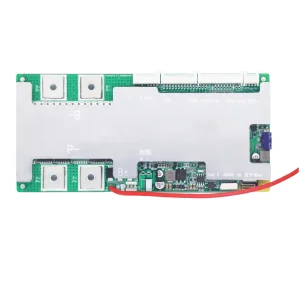
Explore our targeted Lithium Battery Protection Boards designed to support urban electric fleets, micromobility corridors, and energy storage networks in Southern Europe.
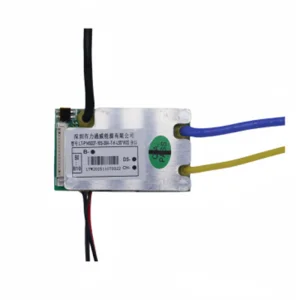
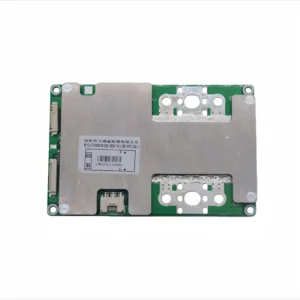
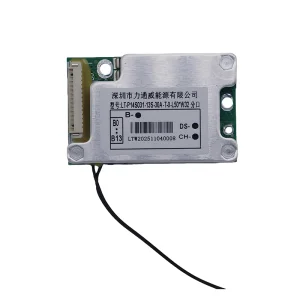
Barcelona has emerged as one of Europe’s leading testbeds for urban mobility and smart city engineering. Driven by the AMB (Àrea Metropolitana de Barcelona) initiatives and Spain's Plan Nacional Integrado de Energía y Clima (PNIEC), the city is accelerating its transition away from fossil fuels. This transition demands absolute reliability in battery pack intelligence, establishing hardware Battery Management Systems (BMS) as the key backbone for safety and optimization.
With massive investments in the Port de Barcelona logistics centers and the Zona Franca Industrial Estate, local manufacturers and fleet operators require customized BMS solutions that can withstand high cycles, deliver sub-millivolt level balancing accuracy, and provide seamless telemetry integration. Our localized hardware BMS designs deliver on these requirements, safeguarding lithium cells from thermal runaway while providing real-time data to dispatch systems.
Uncompromising safety design meets state-of-the-art telemetry to support critical commercial applications in metropolitan regions.
Southern European climates require active heat dissipation and cold-weather preheating. Our custom BMS implements high-accuracy NTC sensors combined with integrated heating film controller outputs to maintain optimum cell temperature ranges (+15°C to +35°C), ensuring maximum battery health and longevity.
Industrial applications in Catalonia’s logistics hubs require rugged communication interfaces. Our boards offer native support for CAN Bus, RS485, and serial communications, ensuring full compatibility with European-made motor controllers, diagnostic tools, and Cloud IoT telematics interfaces.
Hardware protection registers defend cells against over-current, under-voltage, short-circuits, and reverse polarity. By isolating cells within 10 microseconds of a short-circuit detection, we prevent secondary thermal runaway events and maximize system integrity.
Understanding user intent and application-specific demands allows us to engineering-match each circuit design.
With Barcelona’s active promotion of pedestrian zones and extensive bike lanes, shared mobility operators require highly responsive battery safety designs. Our smart 13S to 20S BMS systems with integrated Bluetooth and serial tracking allow operators to monitor State of Charge (SoC) and State of Health (SoH) directly via central cloud APIs, preventing on-street battery failure and optimizing scheduling.
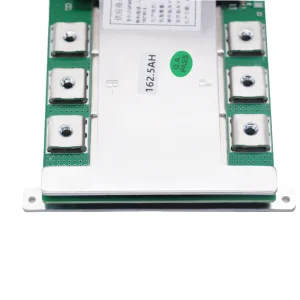
The city's strict low-emission zones (ZBE - Zones de Baixes Emissions) have accelerated the adoption of commercial electric cargo trikes and delivery vans. These vehicles experience heavy continuous discharge cycles. Our high-current BMS models (up to 200A continuous discharge) feature robust heat management, active cell-balancing, and precise over-current protection thresholds suitable for heavy daily urban routes.
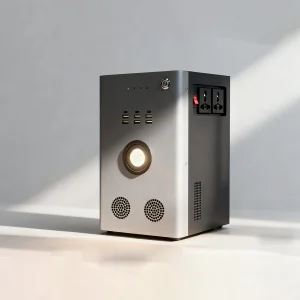
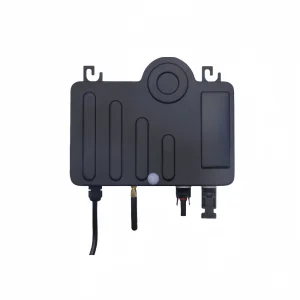
Under the Spanish sunshine, balcony micro-solar deployments are booming. These systems pair our IP67-rated micro-inverters with safe 23S lifepo4 or NMC battery packs. Our BMS interfaces seamlessly with solar chargers, controlling the charge/discharge profiles to maximize self-consumption efficiency and extend operational life to up to 10 years.
Every industrial project in Barcelona follows our structured safety validation pipeline:
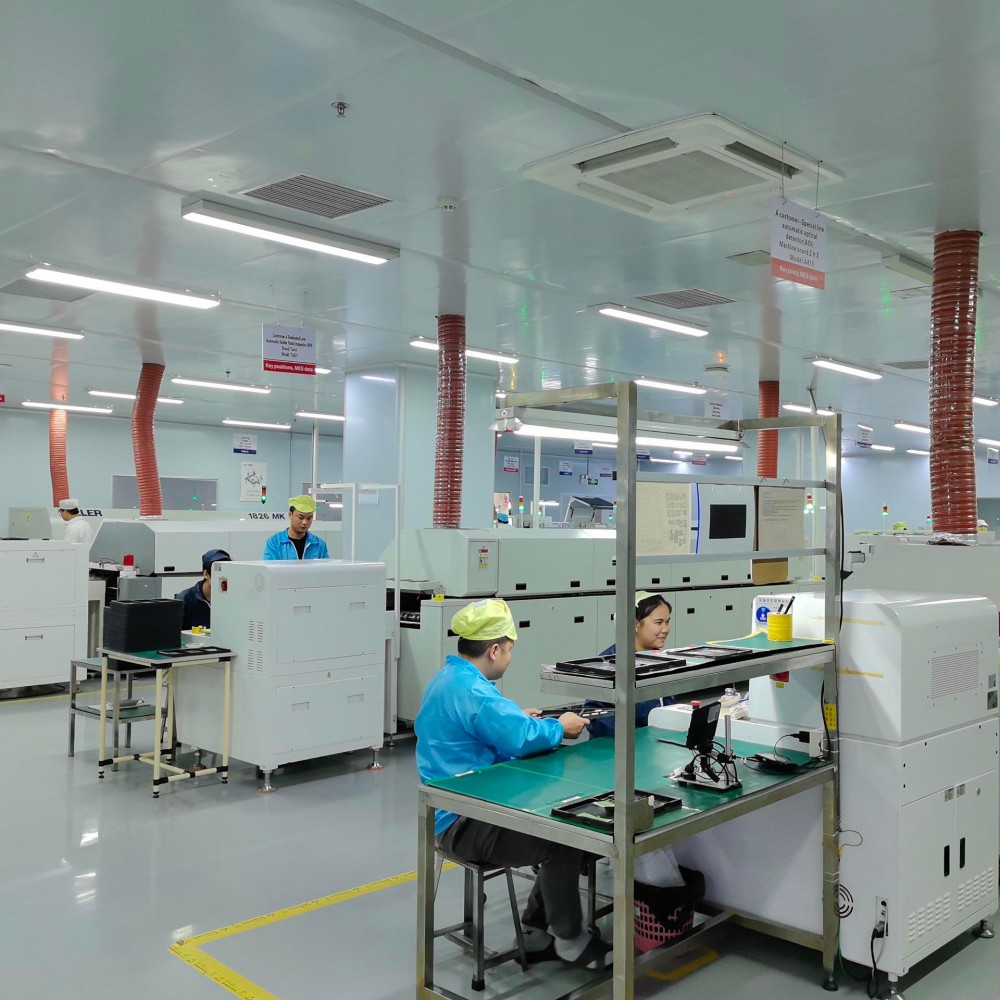
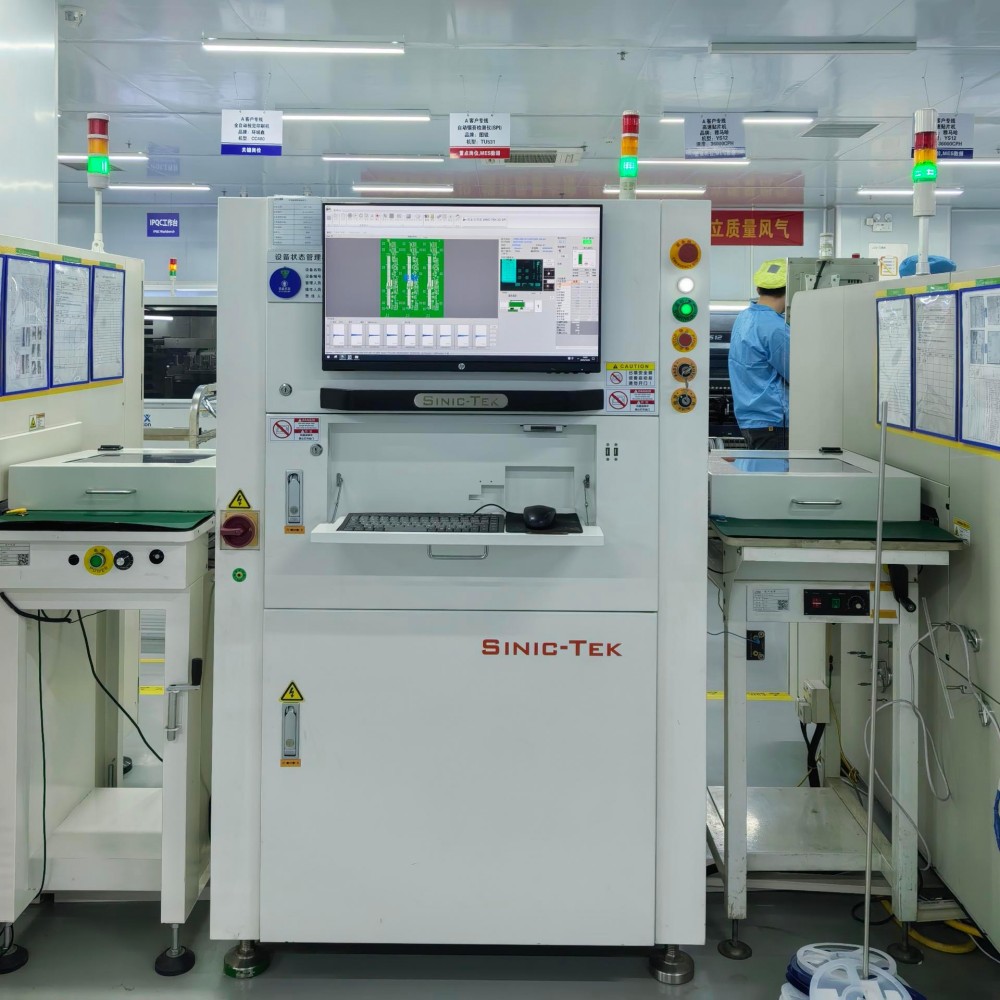

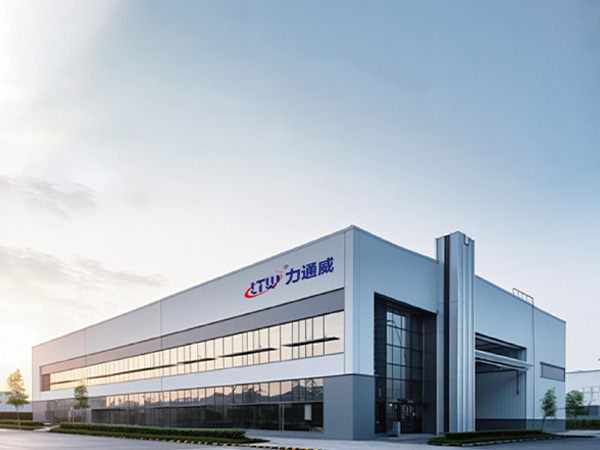
Established in 2005, Shenzhen Litongwei Electronic Technology Co., Ltd. is a recognized national high-tech enterprise specializing in the research, development, and manufacturing of lithium-ion safety control systems. Over twenty years, we have scaled our production facilities to include a 13,000 m² independent site in Shenzhen alongside a 27,000 m² advanced manufacturing base in Dongguan.
Equipped with 24 high-speed pick-and-place (SMT) machines and 12 automatic PCBA production lines, our monthly output exceeds 15 million units. By prioritizing intellectual property protection, offering standardized shared boards to reduce overhead, and enforcing full-process traceability (MES integration), we assist our European partners in solving critical supply chain and engineering bottlenecks.
From a pioneer in battery management systems to a digital-first, global green energy hardware manufacturer.
Initiated corporate operations focusing on digital BMS research & development. Launched power battery management safety boards in 2006. Secured ISO9001 and ISO14001 quality and environmental system certifications.
Expanded manufacturing capabilities into high-power mobile power banks. Established the dedicated Litongwei Technology Research Institute in 2012. Acquired 8 utility model and design patents by 2011.
Achieved IATF16949 automotive quality management certification. Introduced an MES tracking database to ensure cell-level component traceability. Received top-brand accolades for our shared-mobility battery systems.
Transitioned production lines to Industry 4.0 standards. Focused on IoT, smart cloud dashboards, and high-efficiency micro-inverters targeting European residential solar markets.
We work closely with global industry brands to ensure maximum quality and production integrity.








Addressing core technical, regulatory, and logistics queries for engineering and procurement teams in Catalonia.
Integrate our advanced power converters, micro-inverters, and high-amp battery protection modules into your commercial system.
Speak with our hardware engineering and logistics design team to configure your next battery pack architecture with optimal E-mobility features.
 Litongwei Electronic