High-precision safety protection boards designed to prevent cell degradation, balance high-capacity battery assemblies, and perform in tropical humidity levels typical in Costa Rica's solar and microgrid systems.
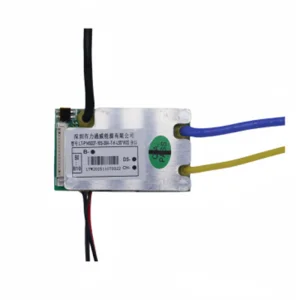
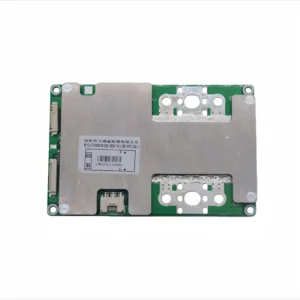
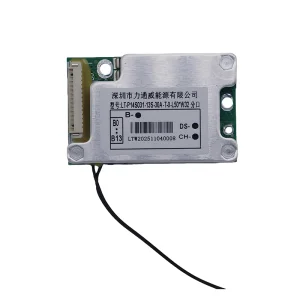
Costa Rica stands as a global beacon for renewable energy, generating over 99% of its grid electricity from green sources such as hydroelectric, geothermal, wind, and solar assets. However, this high reliance on variable and weather-dependent sources introduces complex voltage stability challenges. To build a robust, decentralized power infrastructure, commercial businesses, utilities, and tourism hubs throughout regions like Guanacaste, San José, and Alajuela are investing rapidly in battery energy storage systems (BESS).
At the heart of every functional lithium battery system lies the Hardware Battery Management System (Hardware BMS). The BMS acts as the primary logical firewall protecting lithium-ion (LiFePO4, NMC, and LTO) cells from over-charging, deep-discharging, thermal runaway, and localized short circuits. For Costa Rica’s green energy sectors, our hardware BMS solutions provide the precise safety algorithms needed to protect heavy capital investments in backup energy reserves and utility-scale grids.
Costa Rica’s climate varies from high-altitude damp forests to hot, salty coastal air. High atmospheric humidity accelerates galvanic corrosion on PCBAs, while elevated ambient temperatures trigger early thermal thresholds. Traditional battery protection boards without advanced conformal coatings and strict temperature tracking fail prematurely under these local stressors.
Litongwei solves these regional challenges by integrating multiple NTC (Negative Temperature Coefficient) thermistor channels into our BMS architectures. These NTC channels continuously feed thermodynamic changes back to the protection IC, initiating automatic power reduction or cooling operations prior to critical failure points. Additionally, our high-density PCBA boards feature advanced anti-humidity, anti-oxidation varnishes, ensuring stable operations within Central American sub-tropical industrial environments.
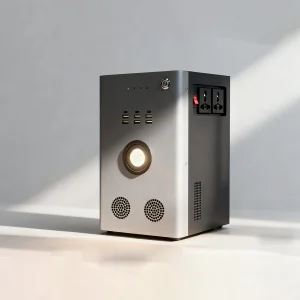
Energy storage requirements vary deeply by sector. Litongwei designs and produces custom BMS configurations targeted directly at the four main pillars of the Costa Rican industrial transition:
Many boutique hotels, eco-lodges, and nature reserves in isolated regions (e.g., Osa Peninsula, Tortuguero) rely entirely on off-grid photovoltaic panels paired with battery packs. Our low-quiescent-consumption BMS models prevent self-discharge during low-occupancy seasons, preserving raw battery capacity and prolonging system lifespan.
With Costa Rica’s "Plan Nacional de Descarbonización 2018-2050" pushing for zero-emission public and private transport, San José is witnessing an explosion of light electric vehicles, electric delivery bikes, and golf carts for tourist transport. Our 13S and 20S smart protection boards are standard choices for high-vibration vehicular applications.
Costa Rica is a massive global exporter of tropical fruits (bananas, pineapples, coffee). Maintaining cold storage temperature control is vital. Backup power systems managed by high-reliability hardware BMS safeguard cold rooms, preventing battery failures that lead to product spoilage.
Established in 2005, Shenzhen Litongwei Electronic Technology Co., Ltd. has progressed alongside the lithium industry. Transitioning from basic consumer protection PCBs to highly complex, smart IoT-enabled systems, the company has integrated automated manufacturing procedures to satisfy automotive quality standards.
Commenced R&D and manufacturing of digital Battery Management Systems (BMS). By 2006, expanded into power battery management system development. ISO9001 certification was obtained in 2007, followed by ISO14001 certification in 2009.
Secured 8 utility model and design patents in 2011, while expanding mobile power bank operations. Established the Litongwei Technology Research Institute in 2012. Earned the Del New Energy Quality Excellence Award in 2014.
Upgraded ISO 9001 and ISO14001 certifications. Achieved IATF16949 certification in 2018, implementing an MES system for warehouse automation and full parts traceability. Recognized as a leading brand in lithium protection board technology.
Embraced IoT, Bluetooth integrations, dynamic heating controls, and Industry 4.0 production strategies, ensuring supply chain speed and customization capacity for globally distributed microgrid systems.
Industrial buyers and engineering companies in Costa Rica must balance two competing dynamics: maintaining low hardware cost-per-kilowatt-hour and securing high quality guarantees. Litongwei meets both criteria through a highly resilient supply chain rooted in China’s two premier tech manufacturing cities:
Furthermore, our manufacturing process utilizes a real-time MES (Manufacturing Execution System) tracker. This allows complete end-to-end component level audit trails. Should a client in Costa Rica require detailed tracing to comply with local certifications, we can supply complete material analyses and test data points immediately.
Our commitment to manufacturing reliability has enabled long-term partnerships with brand clients worldwide. These established agreements provide us with stable raw materials, shielding our clients from global chip shortages and pricing fluctuations.






Deploy robust power protection circuits engineered to withstand grid perturbations, high mechanical stresses, and temperature variations common in outdoor microgrids and industrial systems.
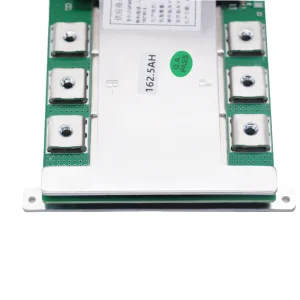
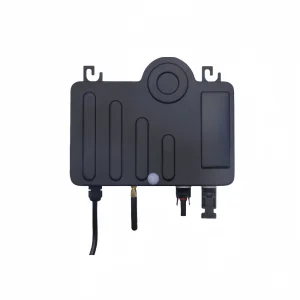
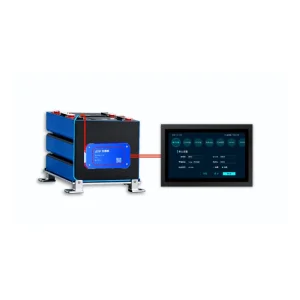
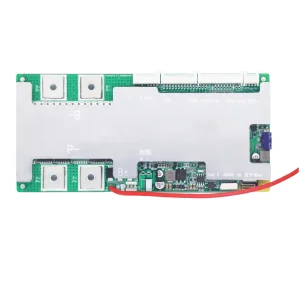
For energy storage projects to succeed in Costa Rica, hardware must conform to recognized safety practices. Instability inside lithium-ion battery configurations can generate catastrophic failures. Thus, Litongwei ensures that all battery protection platforms and smart micro-inverters undergo strict design verifications.
Our manufacturing facility holds IATF 16949 certification, the global standard for automotive component quality control. This process guarantees that every assembly line follows rigorous preventative safety methodologies. From raw cell balancing verification to high-current stress tests under environmental simulation, each product is subjected to severe QC checks.
Furthermore, our smart BMS systems offer full compatibility with international system designs, meeting the testing principles of CE, RoHS, and FCC protocols. Choosing Litongwei provides project engineers with the assurance that their custom storage battery systems will easily pass the grid inspections of the ICE and local municipalities.
The clean energy ecosystem is shifting from basic protective relays to dynamic optimization. Litongwei's research institute is leading this development with our upcoming cloud-enabled BMS boards. By pairing a local Bluetooth or CAN transceiver with an IoT gateway, system managers in San José can monitor the state of health (SOH) of battery systems located anywhere in the country.
This technology will optimize battery life in Costa Rica’s commercial grids. Real-time telemetry monitoring identifies anomalous cell behavior before cell failure occurs, enabling preventive maintenance, reducing off-grid downtimes, and improving system efficiency.
 Litongwei Electronic