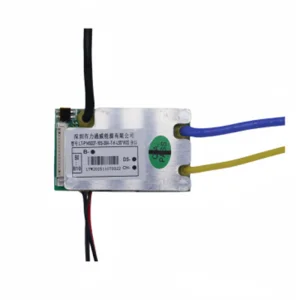
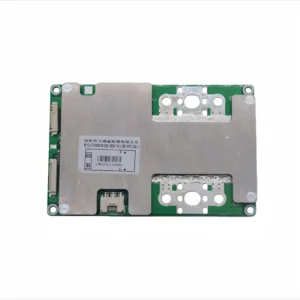
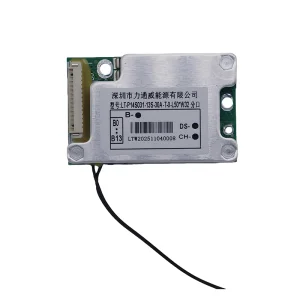
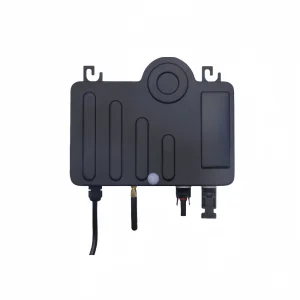
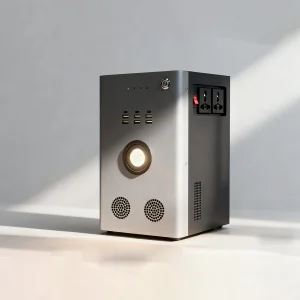
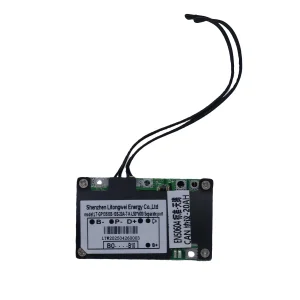
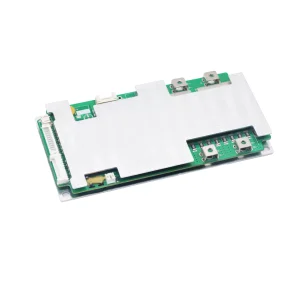
Optimized for high durability and environmental endurance across New Zealand's commercial and agricultural landscapes, these featured BMS modules and micro-inverter products offer reliable system monitoring and smart cell protection.
As New Zealand moves aggressively toward its goal of 100% renewable electricity generation by 2030 and net-zero carbon emissions by 2050, the demand for stable, high-performance energy storage has surged. From utility-scale grid stabilization to remote sheep-shearing stations powered by solar-battery systems, the reliability of energy storage hinges on a single, vital component: the Battery Management System (BMS).
In New Zealand’s unique landscape, battery packs are exposed to harsh conditions, including high salinity near long coastlines, seismic activity, and severe temperature drops in regions like Central Otago and the Southern Alps. Standard consumer-grade protection boards are inadequate for these environments. Hardware BMS solutions must provide robust thermal regulation, fast cell-balancing capabilities, and industrial-grade communication interfaces (such as CAN bus and RS485) to ensure reliable operational safety and prevent thermal runaway.
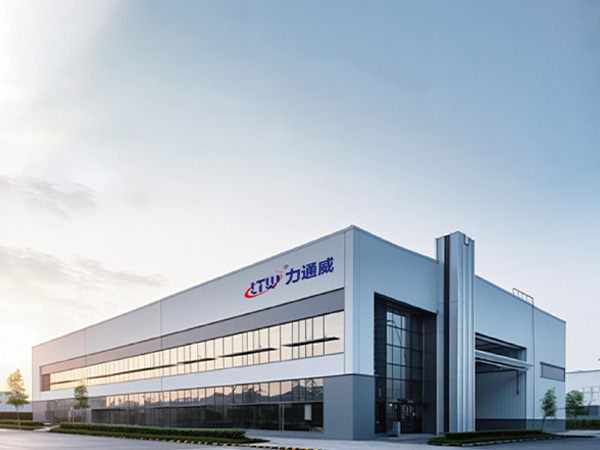
Established in 2005, Shenzhen Litongwei Electronic Technology Co., Ltd. is a national high-tech enterprise specializing in the research, development, and manufacturing of lithium-ion safety control systems (BMS). Over the last two decades, we have scaled our production capacity across our 13,000-square-meter Shenzhen facility and our 27,000-square-meter Dongguan Huangjiang factory.
Our solutions cater directly to global industrial and commercial requirements, supplying robust BMS platforms to fields such as 3C digital devices, electric e-bikes, micro-grids, automated guided vehicles (AGVs), drones, and portable power stations. Through rigorous integration of IATF16949-certified automotive quality standards, we ensure that our partners in New Zealand receive high-reliability hardware built to withstand rigorous operating conditions.
We provide intellectual property protection (patent collaboration to prevent infringement), industry-standard shared boards (cost reduction and efficiency improvement), full-process traceability via our MES manufacturing tracking system, and remote maintenance through cloud platform support to assist our clients with their technical, cost, and operational challenges.
From portable outdoor activities to off-grid utility backup, these specialized power systems and BMS boards provide robust protection and power conversion for demanding conditions.
To design an effective energy solution, system engineers must understand the specific environmental factors and regulations present in the local New Zealand market. Key areas of focus include:
From the high humidity and salty air of Auckland and Tauranga to the sub-zero winter temperatures of Queenstown, lithium battery packs require BMS modules with thick conformal coatings and integrated thermal management. Our Bluetooth BMS products feature automatic heating activation to keep cells safe when operating in sub-zero environments.
New Zealand enforces strict regulatory standards (such as AS/NZS 3000, AS/NZS 5139) governing battery safety, electrical installations, and hazard mitigation. Our manufacturing processes align with these safety expectations, providing hardware protection boards featuring real-time overvoltage, undervoltage, and multi-point NTC temperature monitoring.
Agriculture drives a significant portion of New Zealand’s economy. The transition to electric farm ATVs, autonomous orchard robots, and commercial light delivery fleets requires battery protection boards that can withstand high mechanical vibration and shock. Our CAN Bus-enabled BMS options provide real-time diagnostic reporting to keep these utility vehicles operating reliably.
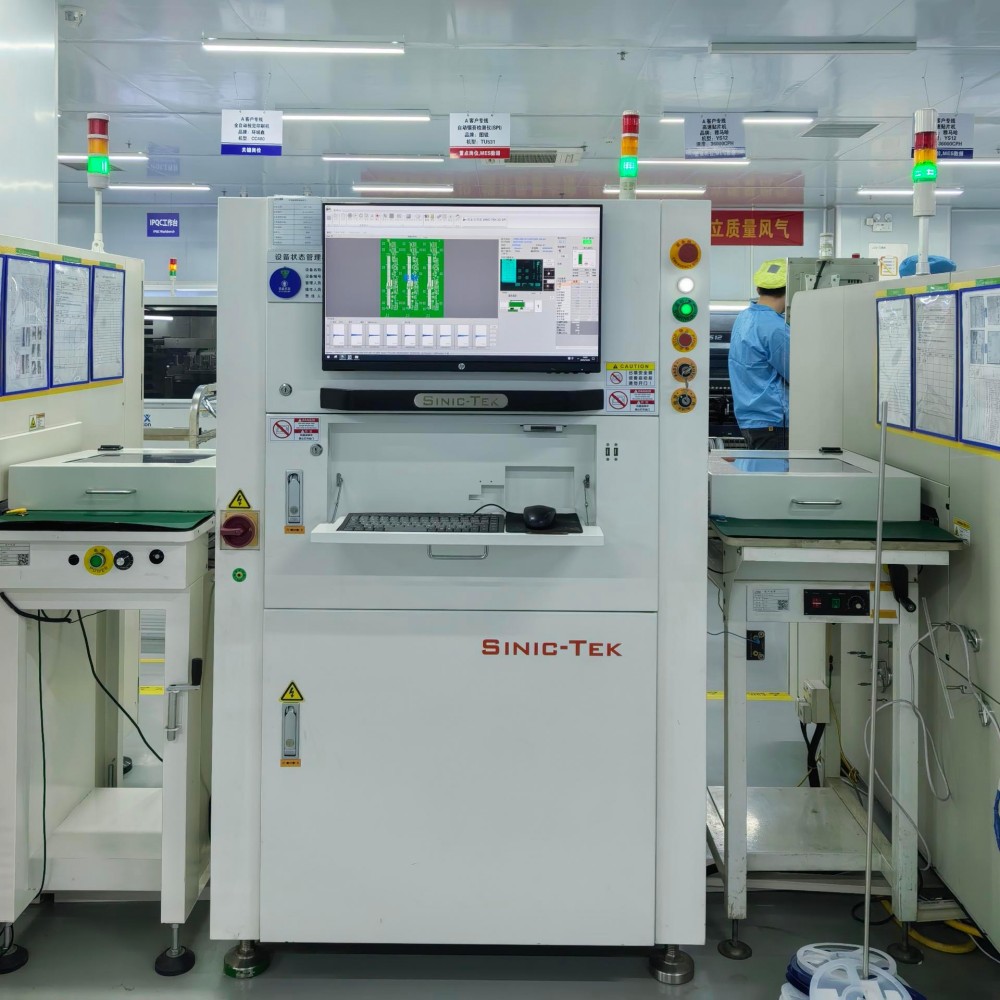
Procuring BMS hardware from a specialized manufacturer like Litongwei offers clear operational advantages for New Zealand system integrators and battery distributors:
As battery chemistry moves toward higher density setups and Lithium Iron Phosphate (LiFePO4) systems, BMS architectures must advance in step. At Litongwei, our development path focuses on three main pillars:
Integrating machine-learning models into our cloud systems to predict cell degradation and estimate State of Health (SoH) and State of Charge (SoC) with higher accuracy.
Transitioning from traditional passive balancing to advanced, high-current active balancing circuits to reduce system downtime and maximize usable battery capacity in multi-pack setups.
Developing integrated IoT modules that connect BMS systems directly to LTE-M or cellular networks, allowing remote troubleshooting and firmware updates for off-grid sites across New Zealand.
A track record of technical innovation and scale, growing from a regional BMS manufacturer to a globally trusted supplier of smart energy control systems.
Began R&D on digital Battery Management Systems. Secured ISO9001 certification in 2007 and ISO14001 in 2009, expanding into power-battery control systems.
Established the Litongwei Technology Research Institute in 2012. Acquired 8 utility model and design patents and earned the Del New Energy Quality Excellence Award.
Obtained IATF16949 automotive certification in 2018. Implemented a comprehensive MES system for factory automation and received the Guangdong Battery Industry Association Innovation Award.
Expanded total factory scale to 40,000 square meters. Integrating IoT connectivity and active balance management into current generation smart BMS designs.
We maintain long-term partnerships with leading global brands and battery cell manufacturers, ensuring our safety systems perform reliably alongside tier-1 cell designs.






These advanced hardware systems are engineered for industrial electric vehicles, power tools, and high-load residential solar energy storage systems.
 Litongwei Electronic