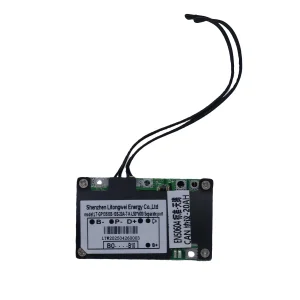
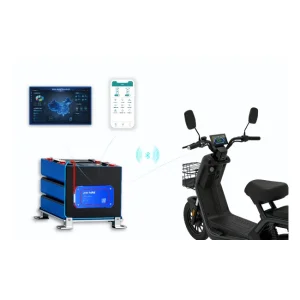
Engineered for robust mechanical systems, precision electronics, and critical power infrastructure in Nagoya and Aichi Prefecture.
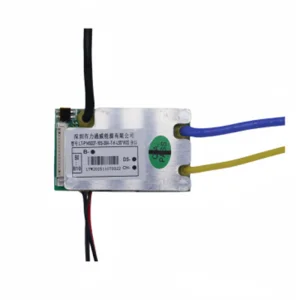
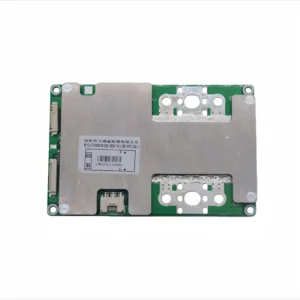
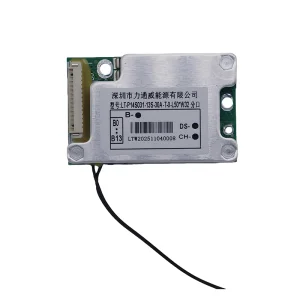
Nagoya, the capital of Aichi Prefecture, stands as Japan's undisputed capital of heavy industry, automotive engineering, and advanced manufacturing. As the home territory of global leaders in industrial automation, robotics, and logistics systems, Nagoya is transitioning to sustainable power. This transition demands high-efficiency battery packs, high-voltage functional systems, and robust hardware Battery Management Systems (BMS).
Whether deploying Automated Guided Vehicles (AGVs) in automotive production lines, integrating backup energy storage systems (BESS) for grid resilience in the Chubu region, or designing electric mobility tools, local engineering firms and multinational companies require high-quality BMS solutions. Hardware-level safety, coupled with software intelligence, forms the bedrock of modern battery safety.
Choosing the right hardware BMS manufacturer requires balancing Japanese quality compliance (such as PSE, JIS, and environmental directives) with the scalability and prototyping speed of Chinese factories. Shenzhen Litongwei Electronic Technology Co., Ltd. serves this exact intersection, bridging high-volume manufacturing with local engineering integration.
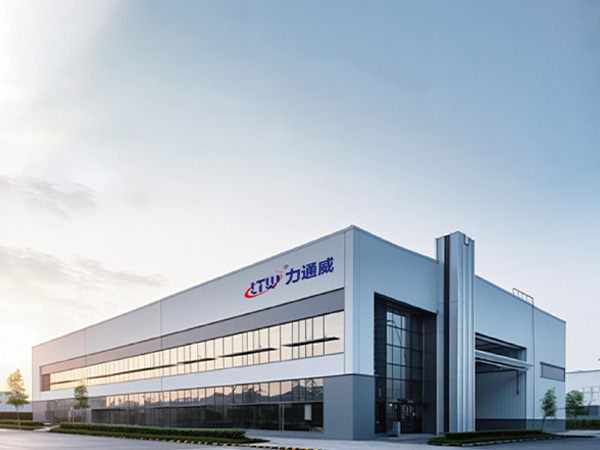
Combining high-capacity production, continuous R&D investments, and IP protection to serve global industrial hubs like Nagoya.
Over 13,000 m² of independent space in Shenzhen and 27,000 m² in Dongguan Huangjiang. Equipped with 24 high-speed pick-and-place SMT lines and 12 PCBA production lines, delivering over 15 million units monthly.
We invest over 10% of annual sales back into research and development, focusing on high-voltage system architectures, smart Bluetooth/CAN communication, and thermal safety systems.
Holding over 100 patents in the lithium-ion battery protection board industry, including circuit and testing program automation. We collaborate with clients to prevent IP infringement risks globally.
Technical considerations, localization rules, and global supply dynamics for engineering teams in Nagoya.
In Nagoya's industrial landscape, safety and reliability are non-negotiable. Modern Lithium Iron Phosphate (LiFePO4) and Nickel Manganese Cobalt (NMC) chemistries feature high energy densities. However, their high energy density requires precise control of cell state variables. A high-quality hardware BMS provides multi-layered safety mechanisms, including over-voltage, under-voltage, over-current, and over-temperature protection.
Advanced systems rely on real-time hardware level protection (the analog front end) operating in tandem with digital smart management interfaces. Features like same-port charging/discharging protection, dynamic passive balancing, and integrated NTC temperature sensing help prevent localized cell imbalances, ensuring long-term battery cycle life and system stability.
Deploying energy storage or power tool products in Japan requires strict compliance with local standards. The Product Safety Electrical Appliance & Material (PSE) law governs electrical safety requirements. Our BMS architectures integrate features like redundant overcharge protection paths and thermal cutoff fuses to simplify compliance for battery pack builders.
Furthermore, because industrial equipment must operate in dense electromagnetic environments, our BMS layouts prioritize low EMI (electromagnetic interference) and high ESD protection. By employing multi-layer PCB design principles and clean circuit routing, we ensure our boards pass stringent Japanese EMC laboratory validations.
Speed to market is critical for Nagoya's fast-moving robotics and industrial sectors. Partnering with a Chinese manufacturer allows engineering teams to leverage massive supply chain networks, rapid prototyping, and high SMT line capacity. Litongwei bridge the gap by combining high-scale, IATF 16949-certified factory lines in Shenzhen and Dongguan with strict quality assurance systems.
Using MES (Manufacturing Execution System) tracking, every BMS PCBA we manufacture is assigned a unique tracking code. This allows us to trace every passive component, controller, and FET back to its original manufacturing batch, ensuring complete supply chain transparency.
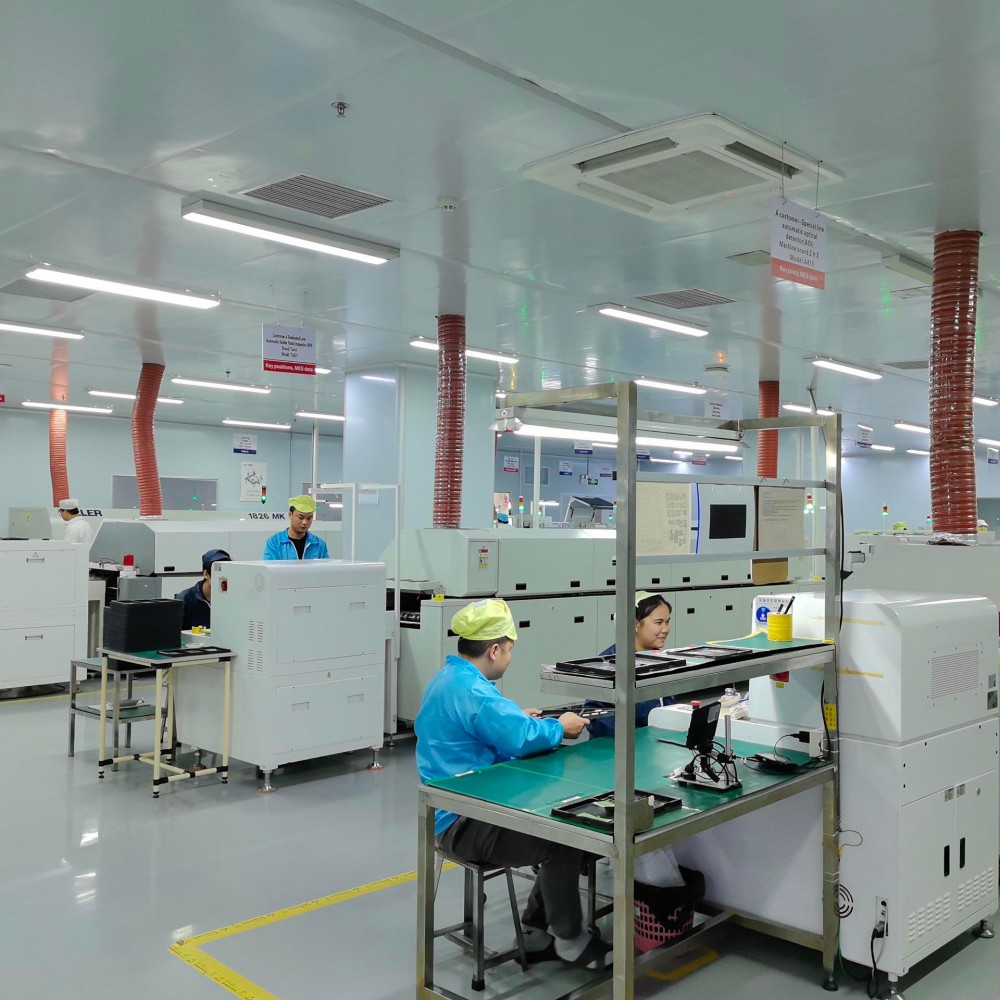
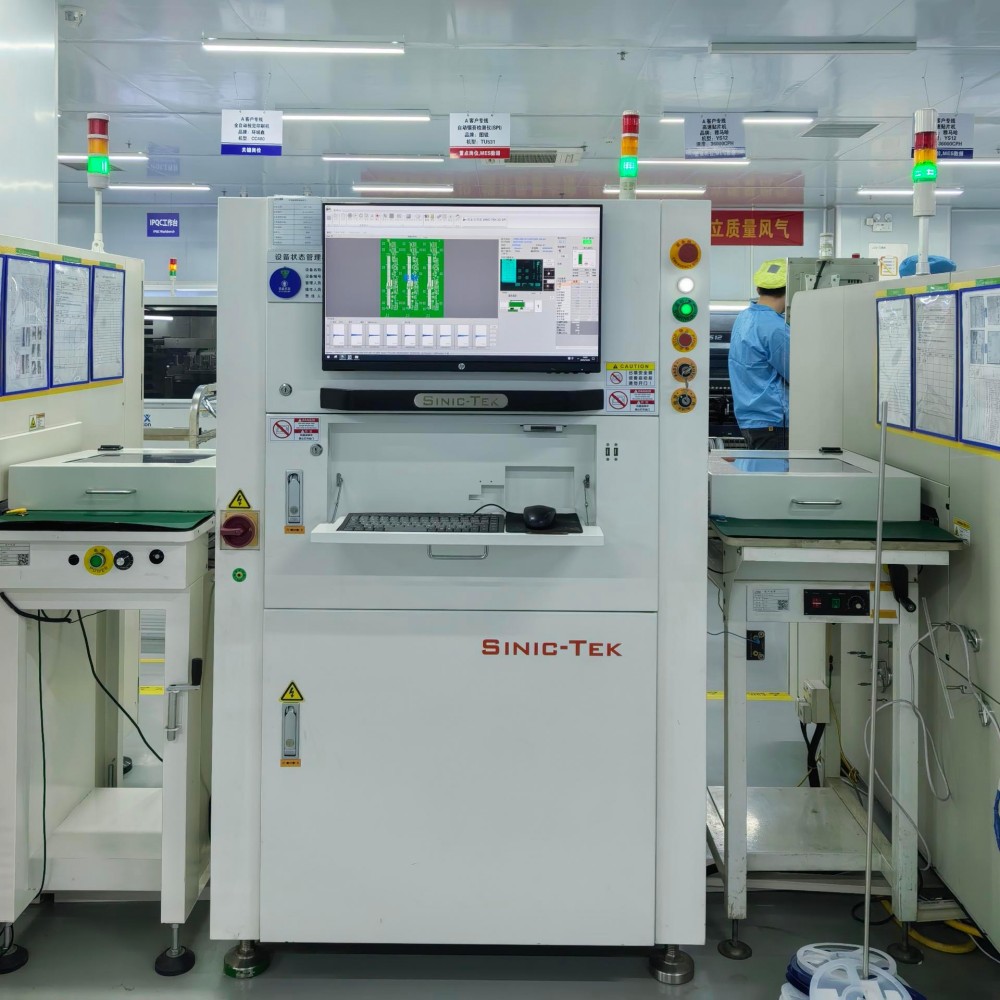

Decades of technological milestones in designing and manufacturing lithium safety protection boards.
Commenced R&D and manufacturing of digital Battery Management Systems (BMS). Shifted focus to power battery protection systems by 2006. Obtained ISO9001 certification in 2007 and ISO14001 certification in 2009.
Secured 8 utility model and design patents in 2011. Established the Litongwei Technology Research Institute in 2012. Won the Del New Energy Quality Excellence Award in 2014 and named Gold Partner of Gaogong Lithium Battery in 2015.
Upgraded to modern ISO 9001 and ISO14001 standards. Earned the automotive-grade IATF16949 certification in 2018. Deployed automated MES systems for warehouse and assembly automation. Recognized as a market-leading brand in two-wheeler lithium protection board technologies by 2020.
Embracing IoT and Smart Manufacturing 4.0. Developing high-voltage smart BMS with CAN/Bluetooth and cloud telematics integrations to serve premium international industrial and e-mobility applications.
Collaborating with top tier tech enterprises and new energy manufacturers globally.




Answering technical questions regarding BMS applications, Japanese compliance, and custom design projects.
A pure hardware BMS offers instant protection loops without boot delays or firmware vulnerabilities. This makes them highly stable and cost-efficient for standard industrial applications. In contrast, software-based BMS solutions integrate CAN/Bluetooth telemetry, active cell balancing algorithms, and cloud integration, making them suitable for complex applications like electric mobility and large energy storage systems.
Yes. We customize our hardware BMS solutions to comply with Japan's electrical requirements, ensuring safety components, dual-channel protection systems, and over-current threshold controls meet PSE compliance. We support local engineering teams in completing the necessary certification paperwork.
We operate under the IATF 16949 automotive quality management framework. Every PCBA undergoes automated optical inspection (AOI), functional circuit testing, and temperature-controlled burn-in cycles. Furthermore, our MES (Manufacturing Execution System) tracking system provides full component traceability.
We support various communication channels including CAN bus (standard in automotive applications), RS485, Modbus, and Bluetooth Low Energy (BLE). This allows systems to send diagnostic data to local PLCs, human-machine interfaces (HMIs), or central control computers.
Yes. Our in-house engineering team designs custom PCB configurations to match specific spatial constraints, high-current connector requirements, and thermal management strategies for modern industrial battery enclosures.
Select from our range of high-performance BMS, portable power solutions, and communication systems.
 Litongwei Electronic