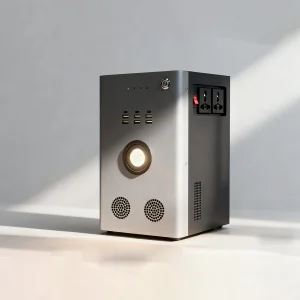
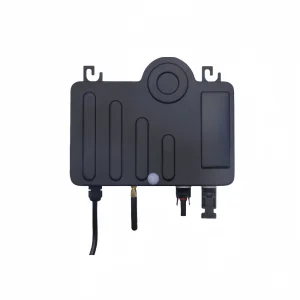
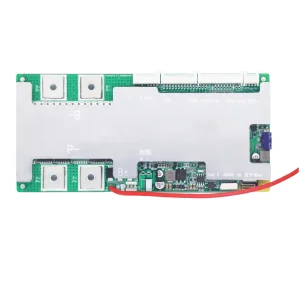
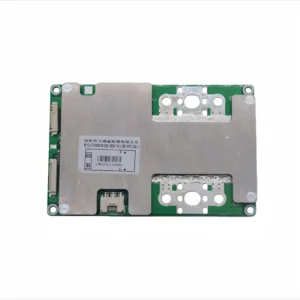
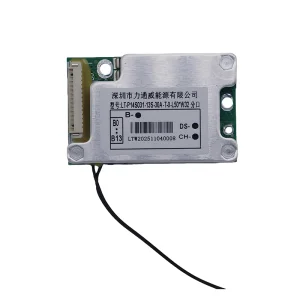
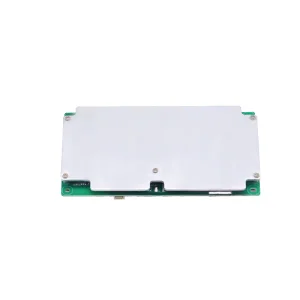
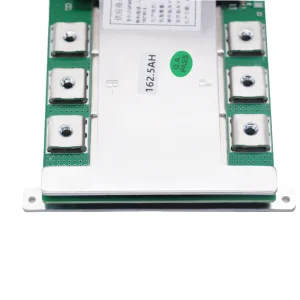
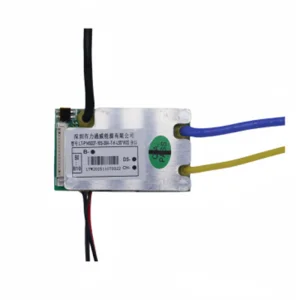
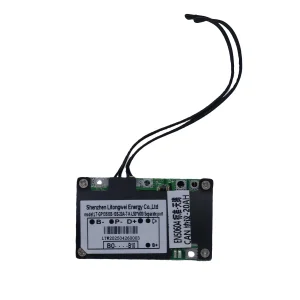
Engineered energy storage, intelligent micro-inverters, and control electronics customized for commercial operations and residential grids throughout Melbourne.
The metropolitan area of Melbourne, along with the broader Victorian industrial corridor, is experiencing a profound energy transition. Driven by the Victorian Government's ambitious renewable energy targets (VRET)—aiming for 95% renewable generation by 2035—regional distribution grids are shifting away from centralized coal generation toward high-density solar PV arrays, commercial battery storage systems, and decentralized microgrids. This change places significant technical stress on the low-voltage distribution infrastructure managed by Victorian distribution network service providers (DNSPs) such as Powercor, CitiPower, United Energy, Jemena, and AusNet Services.
Inverter systems deployed within Melbourne's commercial zones must handle complex grid challenges, including voltage rise, rapid frequency fluctuations, and high harmonic distortions. As solar saturation increases, grid-forming and grid-following inverters must adhere strictly to the AS/NZS 4777.2:2020 regulatory standards. These rules mandate grid support features like Volt-VAR and Volt-Watt response modes. Furthermore, Melbourne's local micro-mobility networks, commercial warehouses, and cold storage facilities rely heavily on reliable, high-performance battery control systems. These systems require advanced Battery Management Systems (BMS) to handle high-rate power demands and support smart bidirectional power conversion.
Information Gain Notice: Modern solar micro-inverter and energy storage integrations serving Australia must account for local environmental patterns. Melbourne's high seasonal thermal variance—reaching ambient temperatures above 40°C in summer alongside freezing winter mornings—requires inverters and battery control electronics to feature smart thermal de-rating, IP67 or IP68 environmental ingress ratings, and dynamic active-heating circuits within the battery enclosure.
For Melbourne-based EPC (Engineering, Procurement, and Construction) contractors, industrial system integrators, and commercial project developers, sourcing energy control equipment is a balancing act between cost and long-term reliability. International procurement managers face hurdles that extend beyond simple unit prices. Compliance with local regulations, structural performance guarantees, component traceability, and intellectual property protection are vital for project viability.
When choosing an inverter company or battery protection partner, procurement officers look for factories that can customize designs. Off-the-shelf boards often fail to meet the specific size, communication protocols (like CAN bus, RS485, Modbus), and thermal profiles needed for unique industrial installations. Working with manufacturers that offer co-development and IP protection avoids legal risks and ensures long-term operational security. This direct manufacturer partnership helps Melbourne companies bypass middleman markups, adapt firmware to meet local utility guidelines, and secure long-term warranties.
The production of modern high-power inverters and intelligent battery protection systems requires advanced manufacturing technology. Shenzhen Litongwei Electronic Technology Co., Ltd. leads this transition by applying Factory 4.0 automation systems at its modern manufacturing facilities. Operating a 13,000 square meter factory in Shenzhen alongside a 27,000 square meter production facility in Dongguan, Litongwei has established a highly integrated supply chain that handles everything from initial design to final quality control.
Equipped with 24 high-speed pick-and-place surface mount technology (SMT) lines and 12 printed circuit board assembly (PCBA) production lines, the company achieves a monthly output of over 15 million units. This production capacity ensures delivery lead times remain stable during supply chain bottlenecks. By using automated Manufacturing Execution Systems (MES), every component is tracked throughout the production lifecycle. This tracking ensures high reliability and quality, matching automotive-grade standards like IATF 16949.
We commit over 10% of our annual sales revenue to research and development. This R&D focus has generated more than 100 patents in circuit topologies, safety testing algorithms, and specialized software interfaces. This extensive IP portfolio helps partners develop custom products while minimizing infringement risks.
By maintaining ISO9001, ISO14001, and IATF16949 certifications, Litongwei ensures every board is tested under strict environmental parameters. Automated optical inspections (AOI) and end-of-line functional tests guarantee consistent reliability, even in demanding commercial and industrial deployments.
A stable solar grid or energy storage system requires close integration between the power inverter and the battery management system (BMS). The inverter controls power conversion, turning DC energy from PV modules or batteries into grid-compliant AC electricity. Meanwhile, the BMS serves as the system's safety brain, monitoring battery cells in real time to prevent thermal runaway, voltage imbalances, and cell degradation.
Litongwei's smart BMS designs work alongside bidirectional micro-inverters. They use CAN bus and Bluetooth interfaces to communicate operational metrics like State of Charge (SoC), State of Health (SoH), temperature, and discharge currents. For Melbourne's grid, which demands fast responses during high demand, this integration enables rapid power delivery without stressing the battery chemistry. The heating functions integrated into the BMS also help prevent lithium plating when charging in cold winter temperatures.
Specialized electronic integration boards, compact battery protection kits, and lifestyle power systems engineered for Melbourne's modern transport and consumer networks.
At Litongwei, we maintain a clear focus on "Technology as King, Efficient Service" across our entire manufacturing and design pipeline. Our goal is to supply intelligent green energy management solutions that help businesses achieve long-term sustainability.
We build long-term relationships with global technology leaders and clean energy developers, working together to deliver reliable field performance.
Explore our full line of commercial battery protection boards, smart micro-inverters, and high-capacity portable power management systems.
Important technical details on grid integration, battery protection, and manufacturing standards for engineering teams and procurement specialists in Melbourne.
Discuss your technical specifications, volume pricing, and regulatory compliance requirements with our engineering team today.
Send Inquiry Now Litongwei Electronic