Discover our primary line of intelligent power conversion and storage protection equipment designed to meet the rigorous demands of Kazakhstan's grid standardizations.
As the largest landlocked nation globally, Kazakhstan represents a unique intersection of rapid industrial growth, massive decarbonization targets, and extreme climatic stressors. In line with the government's "Concept for Transition to a Green Economy," Kazakhstan aims to source 15% of its electricity from renewable resources by 2030, rising to 50% by 2050. This shift is not merely ecological; it is a fundamental transformation of Central Asia's largest power grid, requiring robust power electronics that can bridge the gap between volatile renewable generation and historical legacy transmission systems.
Kazakhstan's climate fluctuates violently from winter lows of -40°C in the northern steppes of Astana to summer highs of +40°C in the southern regions of Shymkent. Power inverters and lithium protection systems (BMS) must incorporate intelligent heating matrices and IP67 weather-proofing to prevent thermal shock and maintain optimal cycle life.
With vast territorial distances separating major industrial mining nodes in Karaganda and Pavlodar from main generation plants, there is a surging reliance on decentralized micro-grids. High-efficiency micro-inverters and bidirectional charging systems enable self-sufficient operations for mine sites and agricultural co-ops.
Deploying power solutions in the Eurasian Economic Union (EAEU) requires adherence to strict GOST standards, electromagnetic compatibility (EMC) regulations, and integration compatibility with KEGOC (Kazakhstan Electricity Grid Operating Company) infrastructure.
Established in 2005, Shenzhen Litongwei Electronic Technology Co., Ltd. is a national high-tech enterprise at the forefront of lithium-ion safety control systems and intelligent bidirectional inversion architectures.
Over the last two decades, Litongwei has evolved into a key partner for global industrial enterprises seeking custom power distribution boards, advanced Battery Management Systems (BMS), and high-efficiency micro-inverters. Our solutions are engineered to alleviate the core challenges faced by procurement departments globally: balancing custom development timelines, mitigating IP infringement risks, reducing unit costs through shared board optimization, and maintaining complete product traceability.
Currently, our systems power a diverse array of hardware including industrial energy storage systems (ESS), AGVs, drones, high-current electric logistics vehicles, and critical backup power architectures in remote regions like Central Asia.
A history of continuous technological breakthroughs in safe energy management.
Initiated R&D and manufacturing of digital Battery Management Systems (BMS). Secured ISO9001 certification in 2007 and ISO14001 in 2009, setting a baseline for zero-defect production workflows.
Secured 8 core utility model and design patents. Established the Litongwei Technology Research Institute in 2012, pivoting to focus on smart bidirectional power transfer mechanisms and high-rate cell safety protection.
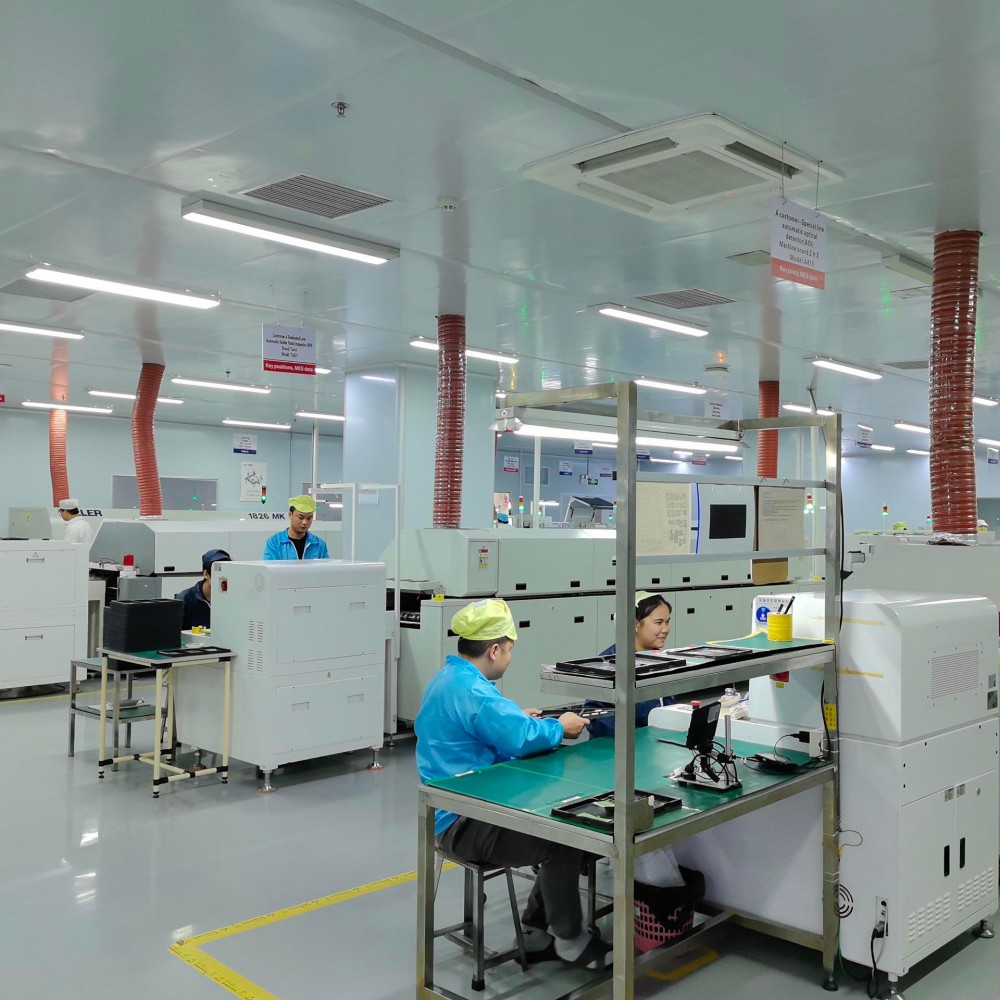
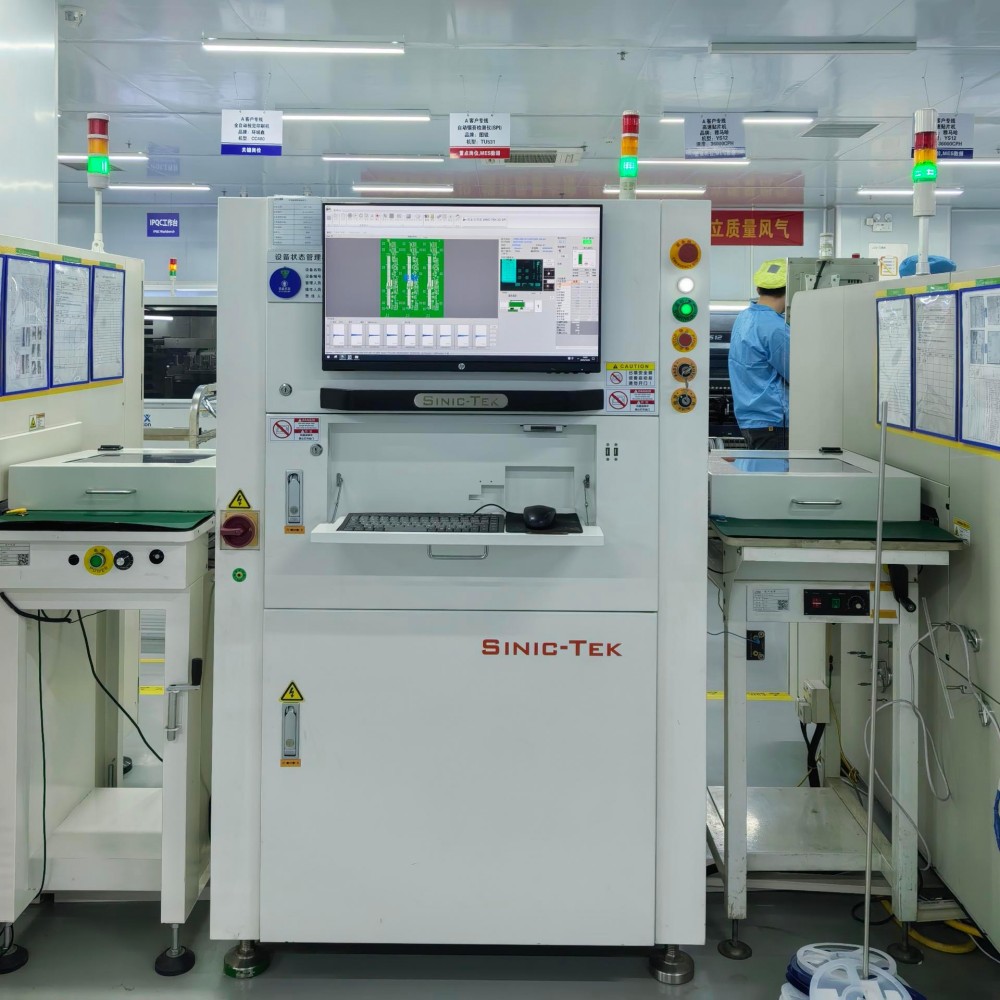
Upgraded manufacturing lines to comply with IATF16949 automotive standards. Implemented full Manufacturing Execution Systems (MES) for end-to-end component traceability. Recognized as a market-leading brand in two-wheeled logistics vehicle protection systems.
Deepened integration of IoT cloud platforms and Industry 4.0 automation. Expanded custom deployment for micro-grids and off-grid high-voltage inverters in Central Asia, South America, and Eastern Europe.
Kazakhstan's northern grids run predominantly on coal-fired power plants, leading to voltage frequency fluctuations when integrating utility-scale solar farms in Kyzylorda. Modern bidirectional inverters must incorporate fast frequency response (FFR) and active power curtailment management options to stabilize interconnects.
Equipment imported into Kazakhstan must withstand extreme ambient humidity and sandstorms. Hardware is tested to meet GOST standard compliance, assuring safety and protection under low-temperature storage conditions down to -50°C without firmware malfunction.
With operations spread across vast distances, project operators require real-time health tracking. Litongwei's proprietary smart BMS and inverter units feature built-in Bluetooth and CAN/Modbus communication modules, forwarding telemetry to remote monitoring cloud suites.
We collaborate closely with high-tier technological developers to advance clean energy storage safety. Our partners include:





Litongwei's product lines balance top-tier conversion efficiencies with advanced structural safety mitigations.
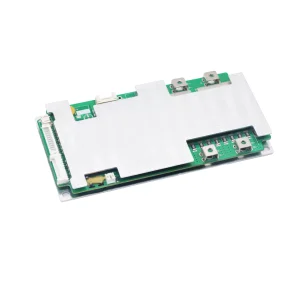
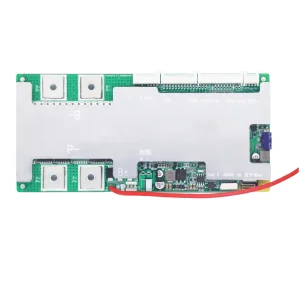
Our custom BMS boards incorporate intelligent NTC thermistor arrays and resistive heating elements. When ambient temperatures drop beneath a preset limit (-15°C), the BMS triggers an integrated heating circuit, utilizing surplus generation to raise the lithium-pack internal temperature before permitting charging currents. This avoids lithium plating and potential cell degradation.
To resolve imbalances that occur naturally in series configurations over time, our high-voltage BMS systems implement active balancing protocols alongside classical resistive passive dissipation. By redirecting energy from overcharged cells to weaker ones, our smart architectures extend pack operational life by up to 30%.
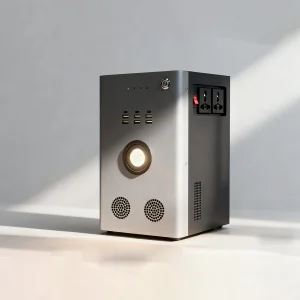
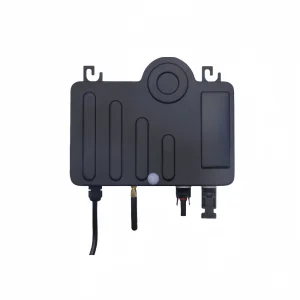
Deploying soft-switching topologies and GaN/SiC power semiconductors, our MINV500S micro-inverters maintain a 96.5% peak power transfer efficiency. The high switching frequencies drastically reduce the footprint of passive inductive components, keeping total weight below 2.5kg for easier, less labor-intensive installations.
Get answers to critical integration, operating temperature, and compliance queries for energy installations in Central Asia.
We employ a multi-layered cold-weather engineering strategy. Our smart BMS models (such as the Custom LTW 20S 120A) can be configured with an auxiliary heater control circuit. When low temperatures are detected via the NTC sensors, the system diverts charging current to specialized heating pads, safely warming the cells to standard operating levels before allowing power storage to proceed.
Yes. Our micro-inverters support multiple grid configuration setups, allowing compliance adjustment for local utility requirements. They support active voltage regulation, reactive power control capabilities, and auto-disconnection protocols during grid disturbances in conformance with regional grid interconnection safety codes.
Our intelligent BMS incorporates comprehensive hardware and software protections: overcharge voltage protection, overdischarge voltage protection, dual-stage overcurrent protection (during charging/discharging), short-circuit protection, high/low-temperature cutoffs, reverse-polarity defense, and wire-disconnection monitoring to ensure safe operation of battery arrays under high-stress conditions.
Yes. Models equipped with Bluetooth connectivity allow on-site configuration of overcurrent limits, temperature triggers, and balancing parameters through a user-friendly mobile app. Alternatively, the integrated CAN/RS485 interfaces enable system integration engineers to monitor and tune performance via terminal commands.
Standardized models and customizable system configurations built to industrial specifications, matching the needs of developers in Almaty, Nur-Sultan, and Shymkent.
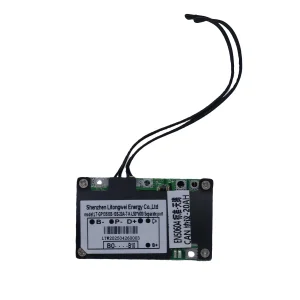
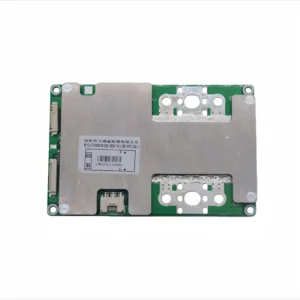
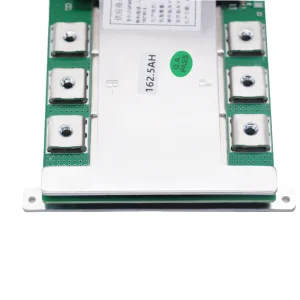
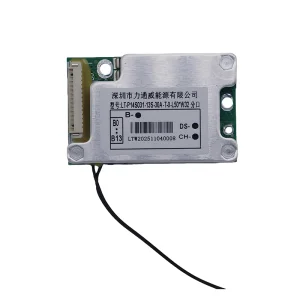
Litongwei's expert engineering staff is available to tailor high-efficiency micro-inverters, bidirectional converters, and custom intelligent BMS assemblies to your specific project guidelines in Kazakhstan and Central Asia.
 Litongwei Electronic