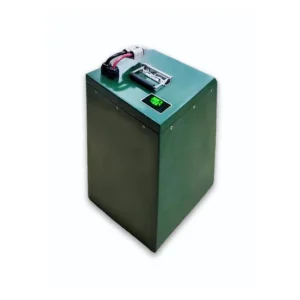
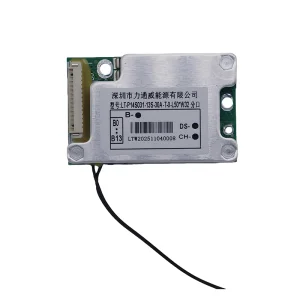
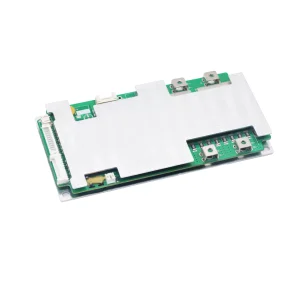
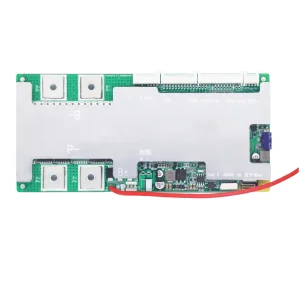
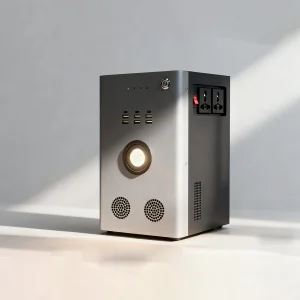
Targeted custom hardware designed to interface seamlessly with industrial solar setups, micro-grids, and heavy-duty logistics systems across Vietnam.
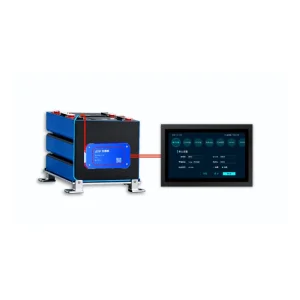
As Vietnam's premier economic locomotive, Ho Chi Minh City (HCMC)—encompassing major manufacturing corridors such as the Saigon Hi-Tech Park (SHTP), Tan Thuan Export Processing Zone, and neighboring hubs in Binh Duong and Dong Nai—is undergoing an unprecedented energy transition. Driven by Vietnam's ambitious Net-Zero by 2050 target and the Power Development Plan VIII (PDP8), industrial operators are actively migrating from traditional grid reliance to distributed solar photovolatic (PV) generation paired with advanced battery energy storage systems (BESS).
However, the tropical monsoon climate of southern Vietnam presents severe operational challenges. With average relative humidity levels exceeding 80% and ambient peak temperatures hovering above 38°C, standard power electronics degrade prematurely. Our custom-engineered inverters and intelligent BMS architectures are specifically designed to address these micro-climatic stressors, incorporating advanced thermal regulation, humidity-resistant conformal coating, and real-time cloud-edge monitoring to ensure uninterrupted productivity.
Most standard commercial inverters and BMS units manufactured for temperate regions experience a 1.5% efficiency derating for every 1°C increase above 30°C. In HCMC's industrial parks, where enclosed cabinet temperatures can easily top 55°C, high-ambient thermal performance isn't a premium feature—it is a critical requirement. Our localized technology utilizes smart heat dissipation pathways and active heating/cooling control loops to maintain peak operating efficiencies.
Bridging the gap between international engineering standards and Vietnam's dynamic localized requirements.
The global inverter and energy storage markets are shifting from unidirectional energy conversion to multi-port bidirectional topologies. Modern architectures utilize wide-bandgap (WBG) semiconductors, such as Silicon Carbide (SiC) and Gallium Nitride (GaN), to push conversion efficiencies beyond 98.5% while reducing the physical footprint of the electronic assembly. Concurrently, software-defined BMS platforms are incorporating predictive battery diagnostics via Machine Learning.
EVN (Electricity Vietnam) imposes rigorous grid-connection codes to preserve system stability amidst high rooftop solar penetration. Bidirectional inverters must dynamically manage active and reactive power (VAR control), execute zero-export limit control when needed, and ride through voltage sags without disconnecting from the grid. This demands sub-millisecond communication loops between the main inverter controller and the lithium battery management systems (BMS).
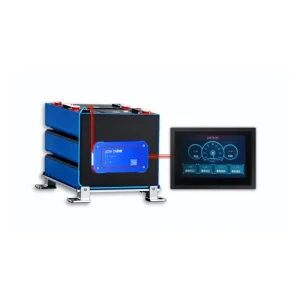
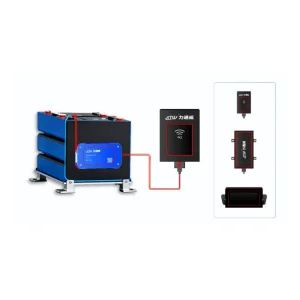
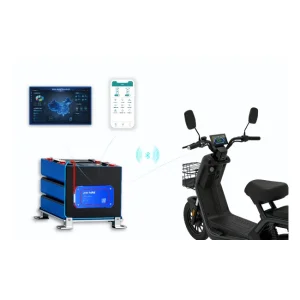
In HCMC's logistics and manufacturing domains, remote telemetry is vital. Incorporating CAN bus, Modbus, and IoT interfaces (such as 4G, GPS, and Bluetooth) directly into display screens and battery protection units allows site operators to monitor State of Charge (SoC), State of Health (SoH), and cell balancing status in real-time, reducing localized maintenance costs by up to 40%.
Shenzhen Litongwei Electronic Technology Co., Ltd., established in 2005, is a national high-tech enterprise specializing in the R&D and manufacturing of lithium-ion safety control systems and power management accessories. With nearly two decades of engineering expertise, our solutions are widely deployed across consumer electronics (3C), electric scooters, bicycles, motorcycles, tricycles, golf carts, automated guided vehicles (AGVs), drones, and professional power tools.
We provide comprehensive Intellectual Property (IP) protection through collaborative patent designs to prevent infringement, industry-standard shared boards that drive down system costs while enhancing reliability, full-process traceability systems for absolute quality control, and cloud-enabled remote maintenance platforms. By partnering with Litongwei, HCMC enterprises gain access to top-tier, certified components that align with global compliance standards.
"LITONGWEI has always adhered to the philosophy of 'Technology as King, Efficient Service' in all aspects of production and operations. Our vision is to become a leading global provider of intelligent green energy management solutions, embracing environmental sustainability. Start with LITONGWEI!"
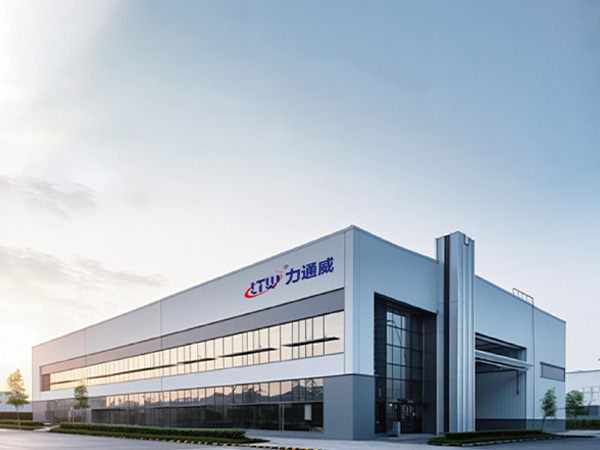
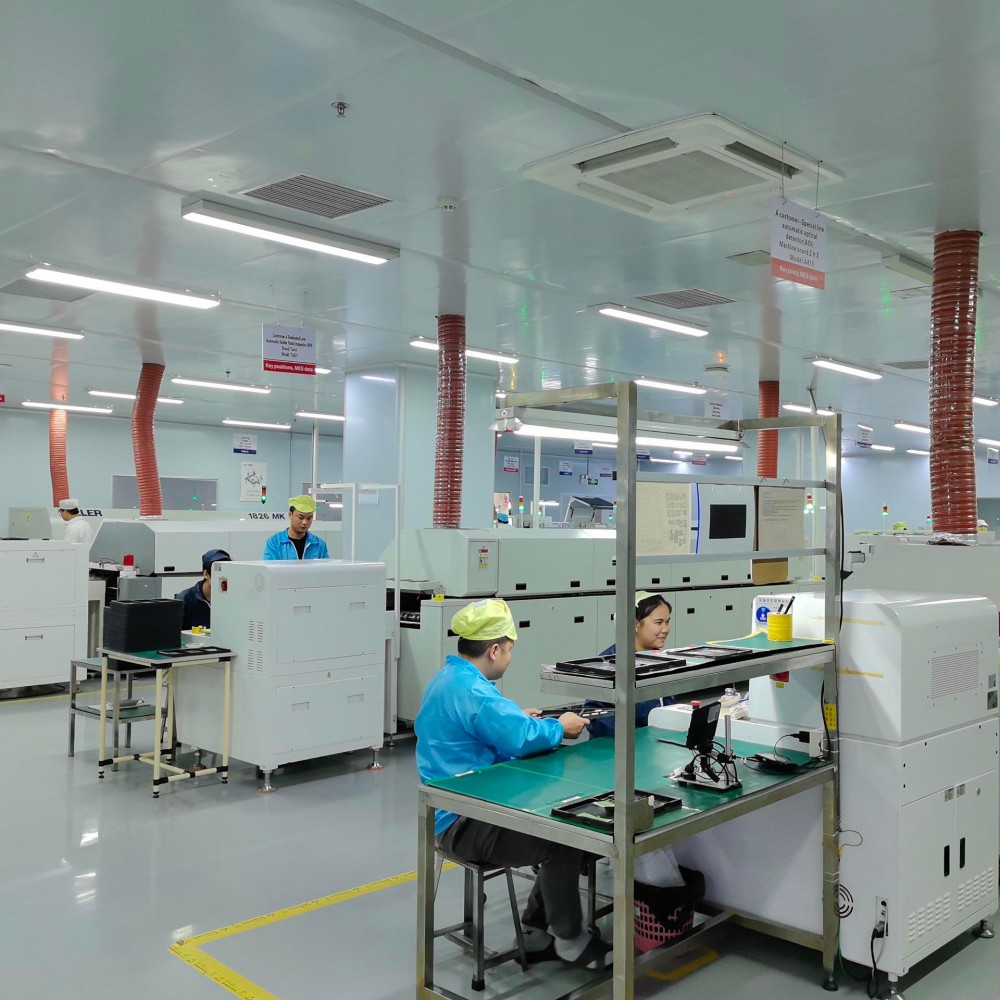
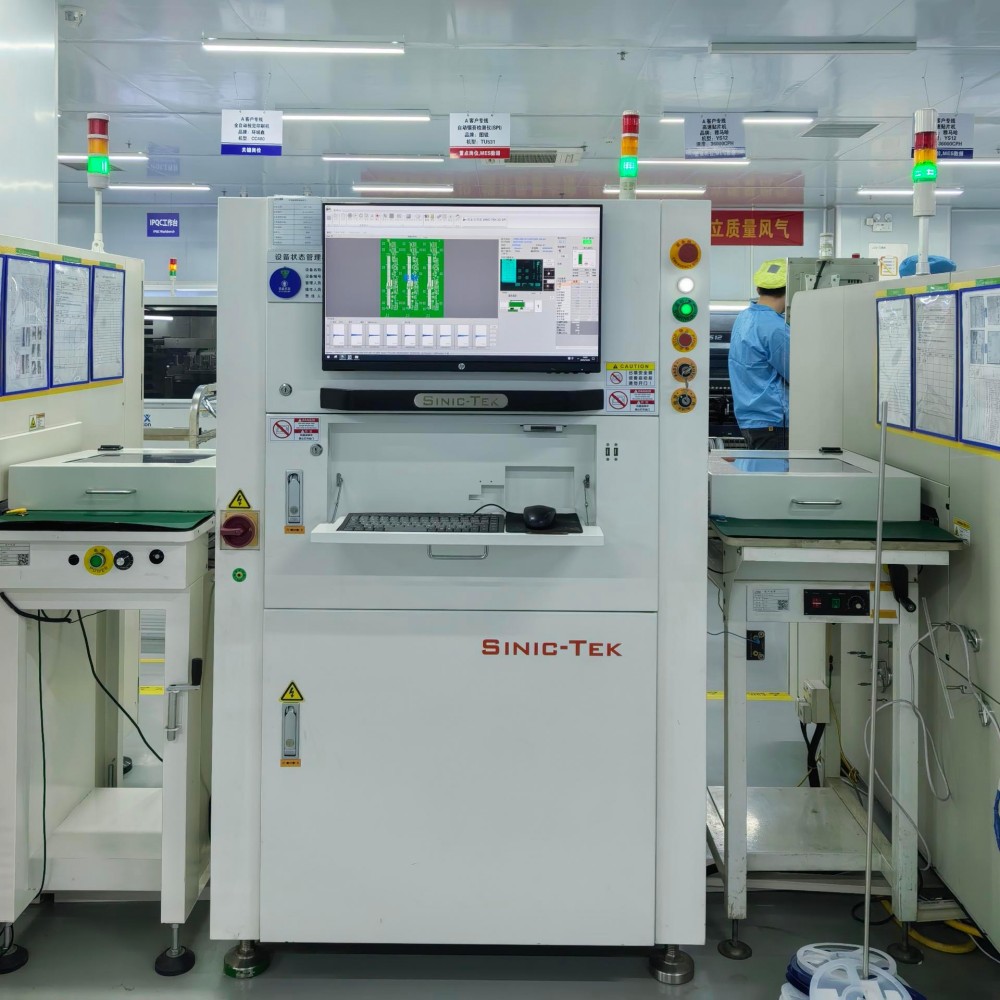

Our infrastructure is structured to support heavy manufacturing volumes and sustained R&D innovation.
Divided between 13,000 m² in Shenzhen and 27,000 m² in Dongguan Huangjiang, housing 24 high-speed pick-and-place lines.
Delivering high-reliability smart BMS boards, displays, and communication accessories to energy companies globally.
Over 10% of annual sales revenue has been channeled back into engineering, software design, and safety systems for 5 consecutive years.
Deploying robust, specialized power architectures across critical industrial and commercial verticals.
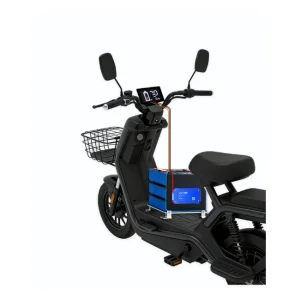
HCMC is rapidly moving toward electrified delivery fleets. Custom BMS units (e.g. 13S to 20S configurations) ensure balanced thermal thresholds and precise battery gas-gauging during continuous stop-and-go cycles in dense urban heat.
For factory rooftops in SHTP, smart bi-directional portable backup power banks and control boards act as localized mini-BESS systems, buffering peak demand periods and avoiding high demand charges from local utilities.
Smart factory facilities in Binh Duong utilize high-discharge, intelligent heating BMS (up to 120A continuous) to operate heavy automated equipment in multi-shift configurations without cell-imbalance failures.
Tracing our steps from local BMS development to international IoT-enabled green energy solutions.
Foundations & Quality Systems: Commenced R&D of digital Battery Management Systems (BMS) in 2005. Transitioned into power BMS in 2006. Secured ISO9001 and ISO14001 compliance certifications by 2009.
Patented Innovations & Research: Awarded 8 utility patents in 2011. Established the Litongwei Technology Research Institute in 2012. Earned the prestigious Del New Energy Quality Excellence Award in 2014.
Digital Transformation & Auto standards: Achieved IATF16949 certification in 2018. Integrated automated MES systems for warehouse operations. Received the Guangdong Battery Industry Innovation Award in 2019.
IoT Convergence & Smart Manufacturing+: Deployed smart IoT communication modules (BLE, 4G, CAN) within energy control systems to drive industrial-grade remote maintenance capabilities globally.
Our systems are engineered to integrate with components from the world's most trusted green energy brands.






Explore our technical portfolio of intelligent power accessories, active safety BMS, and bidirectional inverters.

Developing the next generation of safe, connected, and highly integrated power electronics.
The integration of IoT communication chipsets directly onto battery protection boards allows field units to act as nodes in a smart city grid. By incorporating LTE-M, 4G, and Bluetooth Low Energy (BLE), our BMS boards enable real-time tracking, remote SOC monitoring, and over-the-air (OTA) firmware updates, shielding operators from expensive on-site troubleshooting.
Extreme temperatures—whether hot or cold—degrade lithium chemistries rapidly. Our intelligent heating systems (embedded within 20S/23S smart BMS configurations) dynamically sense local cell temperatures. When charging in cold conditions or operating in high-demand environments, the BMS balances thermal levels, increasing battery lifespan by up to 30%.
Connect with our design engineers to customize inverters, smart BMS architectures, and interface modules tailored for southern Vietnam's industrial requirements.
Send Inquiry NowTechnical clarity on local compliance, BMS configurations, and inverter integration.
 Litongwei Electronic