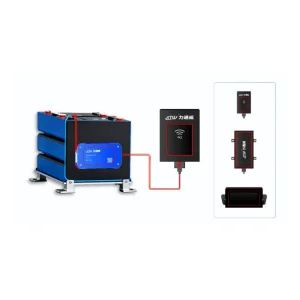
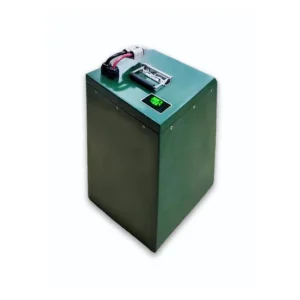
Discover our top-tier engineered power systems, field-tested for high-performance deployments across Southeast Asia's critical infrastructure.
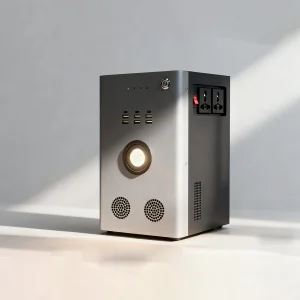
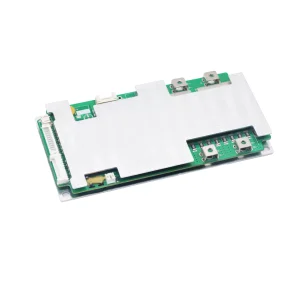
As Indonesia's primary economic engine, Greater Jakarta (Jabodetabek) is experiencing an unprecedented structural shift toward renewable energy and localized power resilience. Driven by the Indonesian Ministry of Energy and Mineral Resources (MEMR) regulations targeting net-zero emissions, commercial and industrial (C&I) sectors are rapidly integrating rooftop photovoltaics (PV) and sophisticated battery energy storage systems (BESS). This transition demands grid-tied and bidirectional inverters capable of managing unstable grid conditions while maximizing solar self-consumption.
The massive industrial zones surrounding Jakarta—including Cikarang, Karawang, and Tangerang—house critical data centers, automotive manufacturing hubs, and logistics complexes. To maintain zero-downtime operations, these facilities require heavy-duty bidirectional inverters and high-capacity lithium-ion battery management systems (BMS). Implementing decentralized smart micro-grids has transitioned from a sustainability luxury to an operational necessity, safeguarding high-precision equipment against voltage fluctuations and localized grid dropouts.
Modern inverter technologies must natively support anti-islanding protection, low-voltage ride-through (LVRT), and high power factor correction to ensure seamless integration with Perusahaan Listrik Negara (PLN) standards.
With Jakarta growing as Southeast Asia's core data center hub, fast-acting bidirectional inverters act as the primary defense against power anomalies, transitioning within milliseconds to keep servers active.
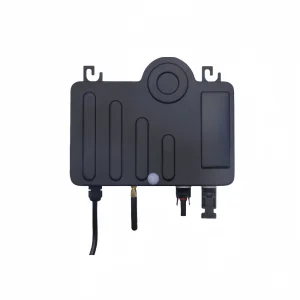
Decentralized IP67 microinverters provide panel-level optimization, critical for urban commercial facilities in Jakarta constrained by shading from neighboring tall buildings.
Integrating custom BMS protection boards with smart inverters prevents thermal runaway in lithium storage units, especially under high ambient tropical temperatures.
Operating electrical conversion systems in equatorial regions like Jakarta introduces challenging environmental stressors. High relative humidity averaging over 80% throughout the year, coupled with seasonal monsoons and high ambient temperatures, can accelerate component degradation, corrosion, and thermal stress in lower-grade electronics. Our premium inverters and battery control systems are specifically engineered to withstand these demanding local conditions.
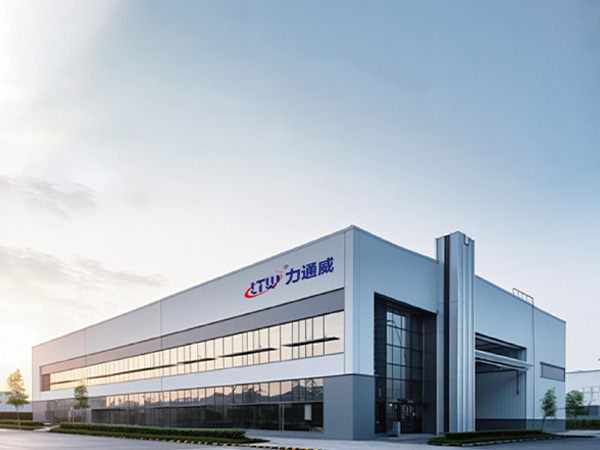
Our LTWSmart Micro Inverters utilize complete IP67 weatherproof enclosures, preventing moisture ingress during heavy monsoonal downpours. By employing high-grade die-cast aluminum heat sinks and omitting cooling fans prone to mechanical failure, our designs utilize passive convective cooling to optimize thermal dissipation up to a 65°C operating environment.
All internal circuit boards are treated with multi-layer conformal coating. This provides a robust barrier against dust, moisture, and atmospheric salinity, preventing short circuits and galvanic corrosion in coastal metropolitan sites around North Jakarta.
LITONGWEI manages a robust and vertically integrated manufacturing infrastructure that bridges advanced R&D with high-volume production. Operating a 13,000-square-meter facility in Shenzhen and a 27,000-square-meter facility in Dongguan, our production floor features 24 high-speed SMT assembly systems and 12 PCBA production lines. Our monthly output exceeds 15 million units, allowing us to supply large-scale infrastructure projects across Jakarta efficiently.
By implementing a Manufacturing Execution System (MES) alongside automated warehouse operations, every inverter and BMS protection board is tracked throughout the assembly process. From component sourcing to final functional testing, this end-to-end traceability guarantees zero-defect manufacturing and full component transparency.
Our facilities are certified under IATF16949, ISO9001, and ISO14001 standards. Every power system undergoes rigorous testing, including high-temperature burn-in cycles, simulated grid faults, and humidity exposure tests. This rigorous process ensures that each unit delivered to Tanjung Priok Port is ready for long-term field deployment.
Shenzhen Litongwei Electronic Technology Co., Ltd., established in 2005, is a national high-tech enterprise specializing in the R&D and manufacturing of lithium-ion safety control systems and power conversion equipment. Over the last two decades, we have designed smart energy products widely utilized in 3C digital systems, electric scooters, AGVs, home energy storage solutions, and commercial solar grids. By choosing Litongwei, you partner with an industry leader committed to sustainable, efficient power solutions.
Commenced R&D and manufacturing of digital Battery Management Systems. Certified ISO9001 in 2007 and ISO14001 in 2009.
Secured multiple design patents, established the Litongwei Technology Research Institute, and earned Gold Partner status.
Achieved IATF16949 certification, deployed MES software, and won the Guangdong Battery Industry Association Innovation Award.
Deepened IoT integrations and smart cloud features. Expanded production lines in Shenzhen and Dongguan to support global clean energy demand.
Our systems operate reliably alongside industry brands including Huawei, Lenovo, Desay, Guoguang, Sunwoda, Eve Energy, and Guoxuan High-tech, reflecting our focus on quality and engineering excellence.





Explore our wider product line, featuring high-capacity lithium battery protection systems, portable backup inverters, and high-efficiency smart communication modules.
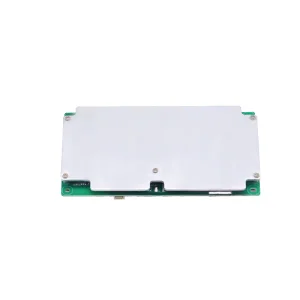
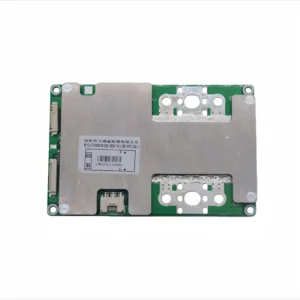

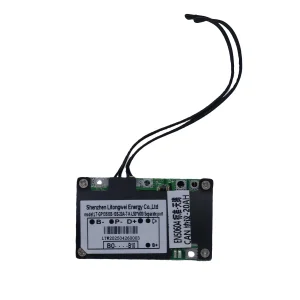
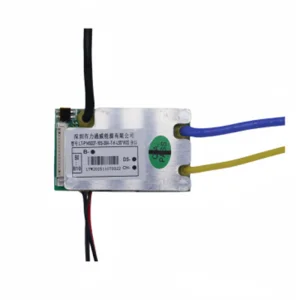
Designing grid-interactive power networks in industrial hotspots like Jakarta requires detailed consideration of voltage stability, grid impedance, and local harmonic regulations. Most C&I factories in West Java operate under high reactive loads. This requires inverters equipped with advanced static var compensation (SVC) capabilities. By generating or absorbing reactive power, our systems stabilize localized terminal voltages, helping businesses avoid grid compliance penalties from PLN.
When procuring solar inverters for Jakarta-based facilities, engineering teams typically select from three primary topologies: micro-inverters, string inverters, or central inverters. The table below outlines their primary engineering considerations:
| Specification Metric | IP67 Microinverters | String Inverters | Central Inverters |
|---|---|---|---|
| Power Capacity Range | 300W to 2000W | 20kW to 250kW | 500kW to 5MW+ |
| MPPT Optimization Level | Panel-Level (Highest) | String-Level | Array-Level |
| Thermal Management | Passive (Convective) | Forced Air / Liquid | Air Conditioned Enclosure |
| Common Failure Point | None (High Redundancy) | Cooling Fans, DC Fuses | Master Controller, Cabinets |
An inverter is only as reliable as its corresponding battery management system. For grid-tied energy storage system (ESS) designs, our intelligent protection boards (such as the LTW 20S 120A BMS) perform real-time cell balancing, preventing state-of-charge (SoC) drift across high-voltage lithium battery packs. Using integrated Bluetooth and CAN communication protocols, energy managers can remotely monitor health parameters, adjust thermal cutoffs, and configure alarms prior to system faults.
Review engineering-focused answers to common technical, logistics, and compliance questions regarding importing and integrating our inverters and battery systems in Jakarta.
Connect with our technical sales team for custom inverter modifications, battery management configurations, or bulk pricing for projects in the Greater Jakarta area.
 Litongwei Electronic