 Litongwei Electronic
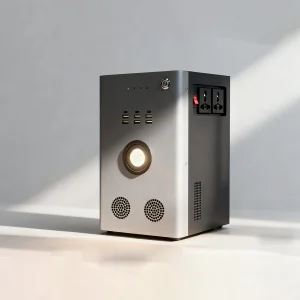
Pioneering technological architectures customized for Portugal's dynamic grid demands, optimized for high efficiency, IP67 weather-proofing, and smart battery protection.
Portugal stands at the forefront of the global energy transition, consistently setting records for renewable energy penetration. According to the Portuguese national grid operator, renewable sources regularly generate over 60% of the country's electricity consumption. With the implementation of the National Energy and Climate Plan (PNEC 2030), Portugal has set aggressive targets to generate 85% of its total electricity from renewable sources by 2030.
This massive influx of solar photovoltaic (PV) installations—ranging from utility-scale solar farms in Alentejo and Algarve to distributed rooftop arrays in Lisbon and Porto—creates a highly demanding grid environment. Efficient power transformation is critical. Inverters are no longer just basic converters; they are the "brains" of the energy network, managing bidirectional power flows, mitigating harmonic distortions, and offering reactive power compensation.
Furthermore, Portugal's unique geographical positioning creates high ambient temperatures and saline air conditions in coastal industrial parks. This makes rugged, IP67 and IP68 certified micro-inverters and corrosion-resistant battery systems a necessity rather than an option.
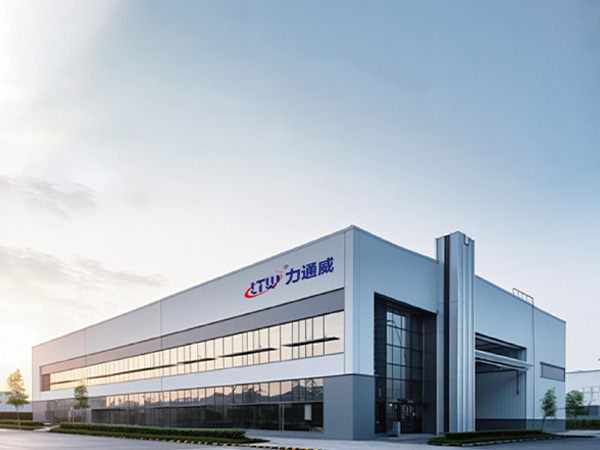
Established in 2005, Litongwei is a national high-tech enterprise specializing in the R&D and manufacturing of high-performance lithium-ion safety control systems and intelligent power conversion systems. Over nearly two decades of engineering development, we have extended our footprint from high-performance Battery Management Systems (BMS) to micro-inverters, portable power banks, and industrial-grade smart energy solutions.
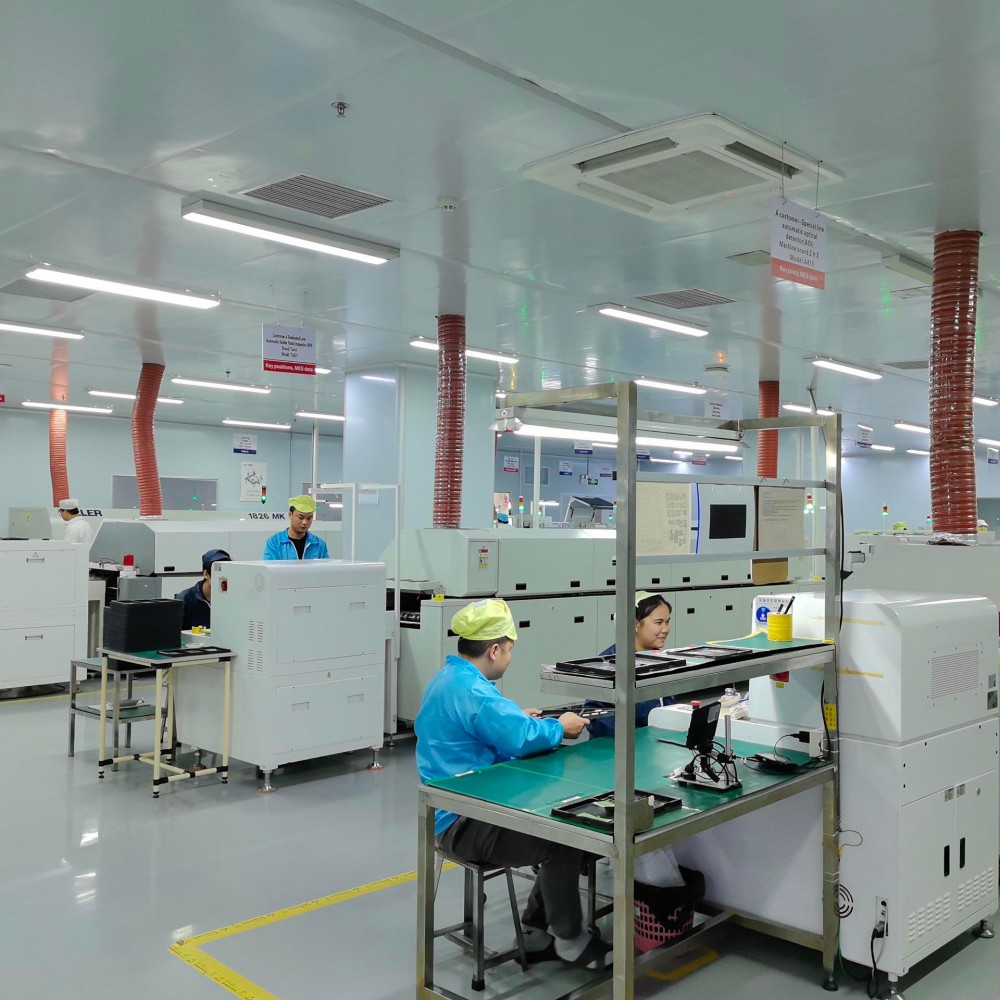
Our global operations are underpinned by state-of-the-art manufacturing capabilities across our Shenzhen and Dongguan factories, serving world-class enterprises. We provide intellectual property protection through patent collaborations, cost efficiency via standard shared boards, and deep end-to-end traceability using advanced MES warehouse automation systems.
Providing robust performance parameters that satisfy European grid integration requirements, optimized for both utility-scale setups and small-scale domestic networks.
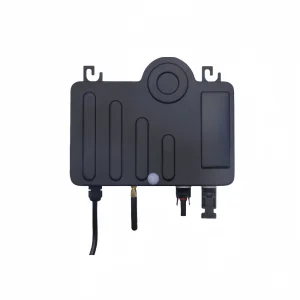
Designed for residential balcony arrays and small businesses. Peak efficiency reaching 96.5% with IP67 structural shielding. Maximizes power output per module even under partial shading conditions common in dense coastal residential districts.
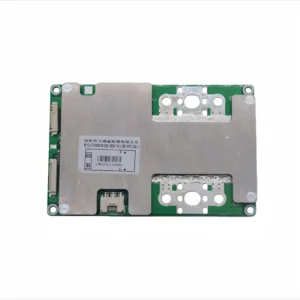
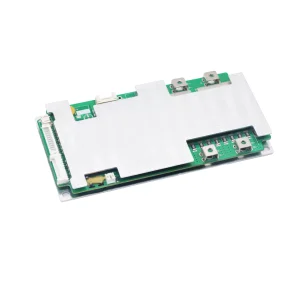
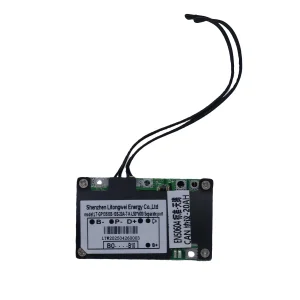
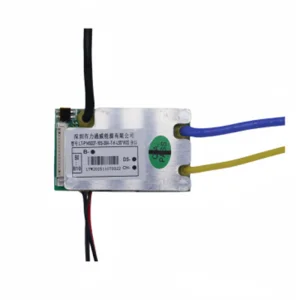
Ensures safety at the electrochemical level. Supports CAN/Bluetooth/RS485 communications with active balancing to prevent cell degradation, keeping lithium storage devices running safely under harsh Mediterranean solar exposure.
Assists Commercial & Industrial (C&I) clients in Portugal to manage demand-charge tariffs. Intelligently releases stored energy when grid consumption limits are reached, providing significant energy cost reductions.
A systematic roadmap of technical growth showing our transition from specialized battery management systems (BMS) to integrated solar energy conversion architectures.
Initiated research in digital Battery Management Systems (BMS). Acquired ISO9001 and ISO14001 compliance standards to support industrial clients.
Established the Litongwei New Energy Research Facility. Secured over 80 national utility and design patents for charge-discharge algorithms.
Deployed specialized MES software platforms for real-time factory floor component tracking. Obtained IATF16949 automotive-grade certification.
Unveiled high-efficiency micro-inverters and cloud-managed IoT applications, supporting local distribution networks in Western Europe and the Iberian Peninsula.
Our technology solutions address several key applications in the local market:
Compact, high-efficiency microinverters with plug-and-play installation. Features built-in limits to comply with Portuguese micro-generation regulations, avoiding complex utility approvals.
Reliable off-grid inverters paired with smart BMS units. Optimized to operate in high ambient temperatures, enabling remote water pumps to run reliably during peak summer months.
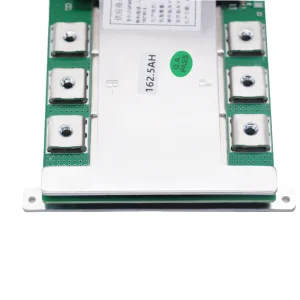
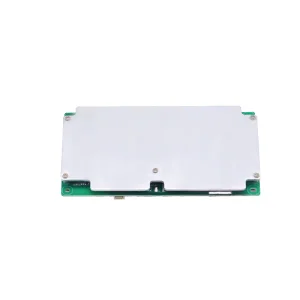
High-voltage battery protection boards (up to 20S 200A) coupled with bidirectional solar inverters, ensuring grid stability and backup power for local manufacturing centers.
Operating in Portugal and the wider European market requires strict adherence to CE directives, Electromagnetic Compatibility (EMC) regulations, and EN 50549-1 grid connection standards. Litongwei's manufacturing facilities feature automated optical inspection (AOI), full-functional tester systems, and environmental chambers to simulate extreme operational environments.
Our BMS boards feature integrated NTC thermistors, providing real-time temperature tracking for automatic shut-offs when thermal limits are exceeded. This multi-stage protection architecture prevents thermal runaway and ensures compliance with local safety regulations.
Through close collaboration with leading lithium-ion cell developers and electronics distributors, we support local system integrators with direct engineering access and prompt component shipments.
We work with leading global technology brands to develop reliable, high-performance energy storage and conversion solutions:





Common technical and commercial questions about deploying our micro-inverters and battery management systems in Portugal.
Yes. Our micro-inverters are designed to meet EN 50549-1 standards, satisfying grid injection safety limits required by Portuguese grid operators like E-Redes and DGEG.
High-current BMS configurations like our 20S 200A board with integrated Bluetooth and serial communications allow high-density energy storage, enabling industrial users to offset peak demand charges and manage load profiles effectively.
Our hardware utilizes high-performance NTC thermistors and optimized heat dissipation paths. The IP67-rated microinverters maintain efficient operation at elevated temperatures without thermal derating, ensuring reliable performance in hot summer climates.
Yes. We support key protocols including CAN, RS485, Modbus, and Bluetooth, allowing integration with major inverter brands and custom home energy management system (HEMS) platforms.
Explore our full range of lithium battery protection boards, smart BMS systems, and all-weather microinverters engineered for high reliability.