Engineered to deliver high conversion efficiency, extreme temperature tolerance, and smart communication for Kyrgyz remote microgrids.
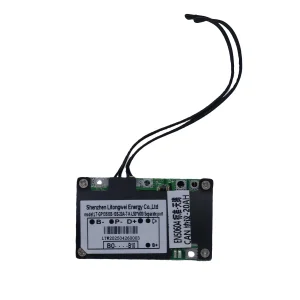
As a nation characterized by mountainous terrain and a developing grid infrastructure, Kyrgyzstan faces unique challenges and opportunities in the renewable energy sector. The country's power grid relies heavily on hydroelectric power generated by major stations such as the Toktogul Hydroelectric Power Plant. However, seasonal water level fluctuations and aging Soviet-era grid assets present stability challenges, particularly in remote regions like Naryn, Osh, and Batken.
To mitigate grid instability, local commercial operations, mining facilities (such as Kumtor), agricultural hubs, and residential developments are turning to decentralized solar PV systems and hybrid energy storage solutions. These installations require high-performance, bidirectional PV inverters and robust Battery Management Systems (BMS) capable of smoothing out peak demands, managing off-grid transitions, and ensuring uninterrupted power supply during cold winters.
Our established capability in manufacturing safety-critical control systems for energy storage.
Kyrgyzstan’s geography features high altitudes—averaging over 2,000 meters above sea level—and a continental climate. These environmental factors present specific challenges for power electronics:
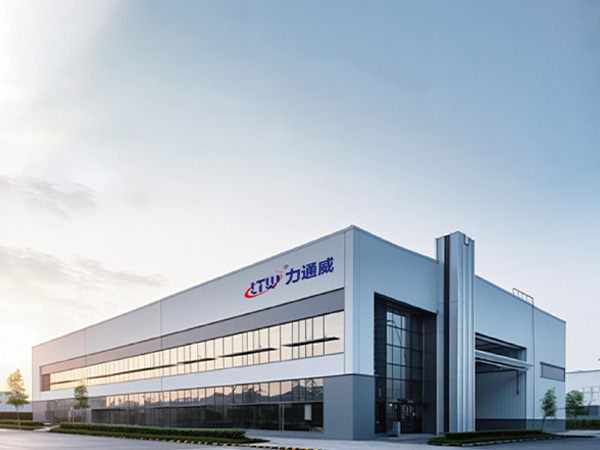
Shenzhen Litongwei Electronic Technology Co., Ltd., established in 2005, is a national high-tech enterprise specializing in the R&D and manufacturing of lithium-ion safety control systems.
Our manufacturing capacity is divided across two major hubs: a 13,000 square meter independent factory space in Shenzhen, and a 27,000 square meter facility in Dongguan Huangjiang. The manufacturing floors are equipped with 24 high-speed pick-and-place SMT assembly lines and 12 PCBA production lines. Managed by an MES (Manufacturing Execution System), our automated lines provide complete traceability of component batches, soldering quality, and system calibration data. This infrastructure yields a monthly production capacity exceeding 15 million units.
For five consecutive years, Litongwei has reinvested over 10% of its annual sales revenue into R&D. Our engineering team has secured over 100 patents covering lithium-ion safety control boards, specialized circuit designs, and automated testing programs. This R&D-focused approach allows us to offer patent collaboration programs to our clients, ensuring that custom-built inverters and BMS platforms mitigate patent infringement risks in overseas markets.
In 2005, the company commenced R&D and manufacturing of digital Battery Management Systems (BMS). By 2006, operations expanded into power battery management system development. ISO9001 certification was obtained in 2007, followed by ISO14001 certification in 2009.
Litongwei secured 8 utility model and design patents in 2011 while expanding mobile power bank manufacturing. The Litongwei Technology Research Institute was established in 2012. The company received the Del New Energy Quality Excellence Award in 2014 and earned the Gold Partner title from Gaogong Lithium Battery in 2015.
Upgraded ISO9001 and ISO14001 certifications in 2016. Achieved IATF16949 certification in 2018, standardizing quality control for automotive-grade systems, and deployed an MES system for warehouse automation. The company won the Guangdong Battery Industry Association Innovation Award in 2019 and was recognized as a market leader in light electric vehicle protection boards in 2020.
Litongwei continues to iterate its BMS and energy conversion lines, integrating IoT cloud connectivity and smart predictive maintenance features, supporting global distribution networks and large-scale industrial projects.
We collaborate with global brands and tier-1 clean energy developers to deliver field-proven power systems.









For international contractors, developers, and local procurement heads in Central Asia, establishing a streamlined supply chain from Chinese technology hubs to Bishkek, Osh, or Jalal-Abad is essential. Litongwei provides dedicated support for transit pathways:
Most shipments to Kyrgyzstan travel overland via the China-Kyrgyzstan-Uzbekistan highway corridor or railway networks originating in Xinjiang (crossing through the Torugart or Irkeshtam border gates). Our logistics department handles the packing requirements needed for rough terrain transit, utilizing anti-static, moisture-proof, and shock-resistant crating.
Explore our full line of safety control boards, smart BMS systems, and high-efficiency microinverters engineered for modern solar grids and power backup systems.
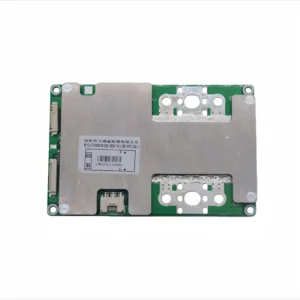
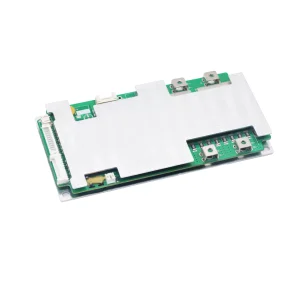
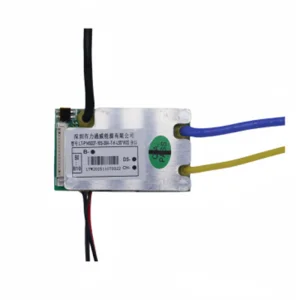
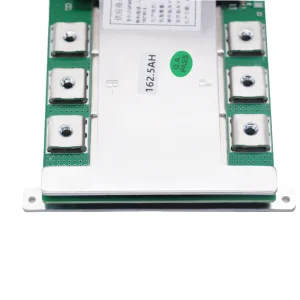
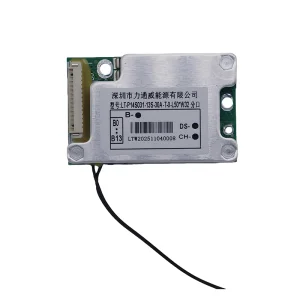
High-precision protection circuits for custom capacity arrays, commercial storage racks, and electric vehicles.
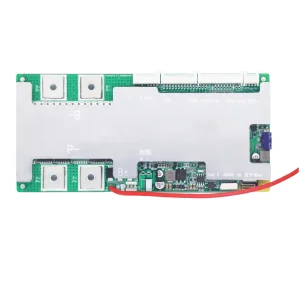
A deep breakdown of the topology, protection mechanisms, and engineering standardizations used in Litongwei systems.
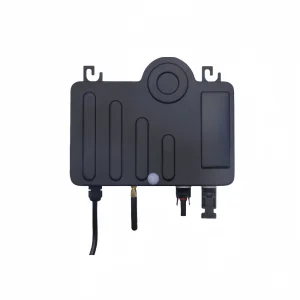
Our inverters utilize a high-frequency, bidirectional conversion topology that enables charge and discharge cycles through a unified transformer stage. This design minimizes switching losses, reducing overall heat generation and yielding a peak efficiency rating of 96.5% for grid-tied and hybrid configurations.
Litongwei battery protection boards feature real-time voltage sensing, high-accuracy coulomb counting for State of Charge (SoC) tracking, and multi-point NTC temperature monitoring. Intelligent BMS firmware controls overcurrent, overvoltage, short circuit, and thermal events to protect industrial battery packs from damage.
For seamless system integration, our BMS and inverter microcontrollers support communication protocols including CAN bus, RS485, and Modbus. Real-time telemetry is transmitted to centralized SCADA systems or localized HMI screens, enabling operators to remotely monitor unit status and manage power assets.
Answers to technical and commercial inquiries regarding our inverters and battery management solutions in Central Asian markets.
In mountains or high-altitude cities like Naryn (exceeding 2,000 meters above sea level), reduced air density limits convective cooling efficiency. We compensate for this by utilizing oversized aluminum heatsinks, cooling fans with speed control curves, and selecting electronic components rated for higher dielectric voltages. Our technical engineers can compute the specific derating factor based on your site's altitude.
Kyrgyzstan experiences continental winter climates where temperatures can drop below -30°C. Standard lithium-ion batteries cannot be safely charged at sub-zero temperatures due to the risk of lithium plating, which can cause short circuits. Our intelligent 20S 200A protection boards feature built-in heating algorithms that route power to dedicated heating elements to warm up cells before allowing the charging cycle to initiate.
Since Kyrgyzstan is a member state of the Eurasian Economic Union (EAEU), products must meet harmonized technical regulations (TR CU). Litongwei provides technical documentation, factory test reports, and certifications, and coordinates with accredited laboratories to assist our clients in obtaining EAC (Eurasian Conformity) declarations for customs clearance.
Depending on order volume and level of customization (e.g., standard PCBA vs. custom-tuned firmware), production takes between 15 to 30 days. Standard shipping routes run from Shenzhen/Dongguan by road freight through Kashgar (Xinjiang) and across the border checkpoint directly to Bishkek, with a typical overland transit time of 10 to 18 days.
Contact our engineering team to design, manufacture, and customize smart bidirectional inverters, microinverters, and high-safety BMS systems tailored to your project requirements in Central Asia.
 Litongwei Electronic