Inverter Suppliers & Company in the Norway Market

Premium Grid-Tied Micro-Inverters, Safety Control Systems & Advanced Battery Management (BMS) Solutions

Featured Norway Smart Inverter Solutions

Engineered for high resilience and performance, these specialized items represent our frontline clean energy solutions catering to Norwegian home balcony arrays and off-grid demands.
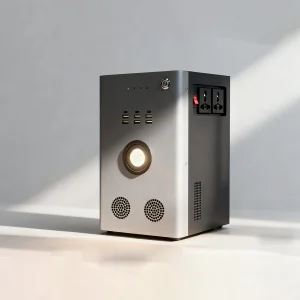
Norway 500W Portable Power Bank Inverter

Norway Custom 500W single-cell 1 kWh portable power bank 3.2V pv bidirectional inverter Supplier

View Technical Specs
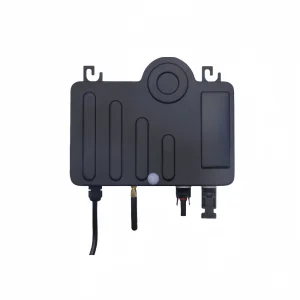
Norway LTWSmart Micro Inverter IP67 All-Weather

Wholesale LTWSmart Micro Inverter | IP67 All-Weather Safe, 96.5% Peak Efficiency for Norway Market

View Technical Specs
Norway Home Balcony Micro Inverter

Norway Custom LTWSmart Micro Inverter from China Factory | IP67 All-Weather Safe, Ideal for Balcony Use

View Technical Specs
Norway LTWSmart Micro Inverter China Suppliers

Custom LTWSmart Micro Inverter from China Suppliers | IP67 All-Weather Safe, 96.5% Efficiency | Reliable Norway Solutions

View Technical Specs

Norway Energy Market: Inverter Technologies & Demand Profile

An in-depth whitepaper assessing high-latitude grid configurations, micro-inverter penetration, and smart safety integration.

High-Latitude Operational Realities

Norway occupies a unique frontier in global decarbonization. While hydro-power represents the backbone of the domestic grid, decentralized PV systems and regional industrial installations have seen an unprecedented upsurge. However, high-latitude PV deployment introduces engineering bottlenecks. Systems operate under low-angle solar irradiance, long winter periods with sub-zero temperatures, and extremely high humidity in coastal zones.

Inverters deployed in the Norway market must support rapid response, extreme thermal tolerance (typically operating reliably down to -40°C), and highly robust environmental protection ratings. Specifically, IP67 ingress protection is no longer an optional benchmark; it is a critical baseline. IP67 enclosures guarantee that fine snow crystals and heavy coastal salt-spray cannot breach the internal circuitry, preventing catastrophic short circuits and component oxidation.

Grid Stability & Dynamic MPPT Performance

High-latitude installations encounter dynamic shading profiles due to surrounding vegetation, mountains, and low-altitude clouds. Standard string inverters fail to deliver optimum output under these environments. Modern balcony and residential arrays rely on micro-inverters configured with multiple Maximum Power Point Trackers (MPPTs) to extract maximum yields from mismatched modules.

Decentralized Energy Storage (ESS) Integration

Norway's smart grid incentives encourage residential and small commercial sectors to peak-shave their load profiles. This demands dual-direction (bidirectional) inverter topologies that interface seamlessly with Lithium Iron Phosphate (LiFePO4) storage banks managed by high-precision Battery Management Systems (BMS).

The Crucial Interface: Bidirectional Inverters & Smart BMS

Energy storage units deployed within industrial systems require safety redundancy to protect against thermal runaway and cell degradation. The synergy between high-frequency inverters and the safety control board is paramount. The integration of Lithium Battery Protection Boards (BMS) equipped with CAN bus or RS485 communication protocols allows continuous monitoring of individual cell temperatures, voltages, and SOC (State of Charge).

For example, in cold weather conditions (sub-zero degrees), charging lithium batteries risks dendrite formation. A smart BMS configured with CAN-communication instructs the bidirectional inverter to modulate its charging current or activate internal heating pads prior to initiation of the charging cycle. This safeguards cell health and ensures the facility operates within the required lifespan parameters without unexpected downtime.

Shenzhen Litongwei Electronic Technology Co., Ltd.

National High-Tech Enterprise & Premium Lithium-Ion Safety Control Systems Manufacturer

Established in 2005, Litongwei has evolved into a global leader in the R&D and manufacturing of lithium-ion safety control systems and intelligent green energy management solutions. Our core focus centers on engineering premium Battery Management Systems (BMS) and advanced inverter interfaces that meet the rigorous standards of modern commercial, industrial, and residential applications.

Our product portfolio is deployed worldwide, servicing complex requirements in 3C digital devices, electric scooters, bicycles, motorcycles, tricycles, golf carts, AGVs, unmanned aerial vehicles (UAVs), and heavy-duty power tools. We mitigate technical, financial, and operational challenges for our global clients through:
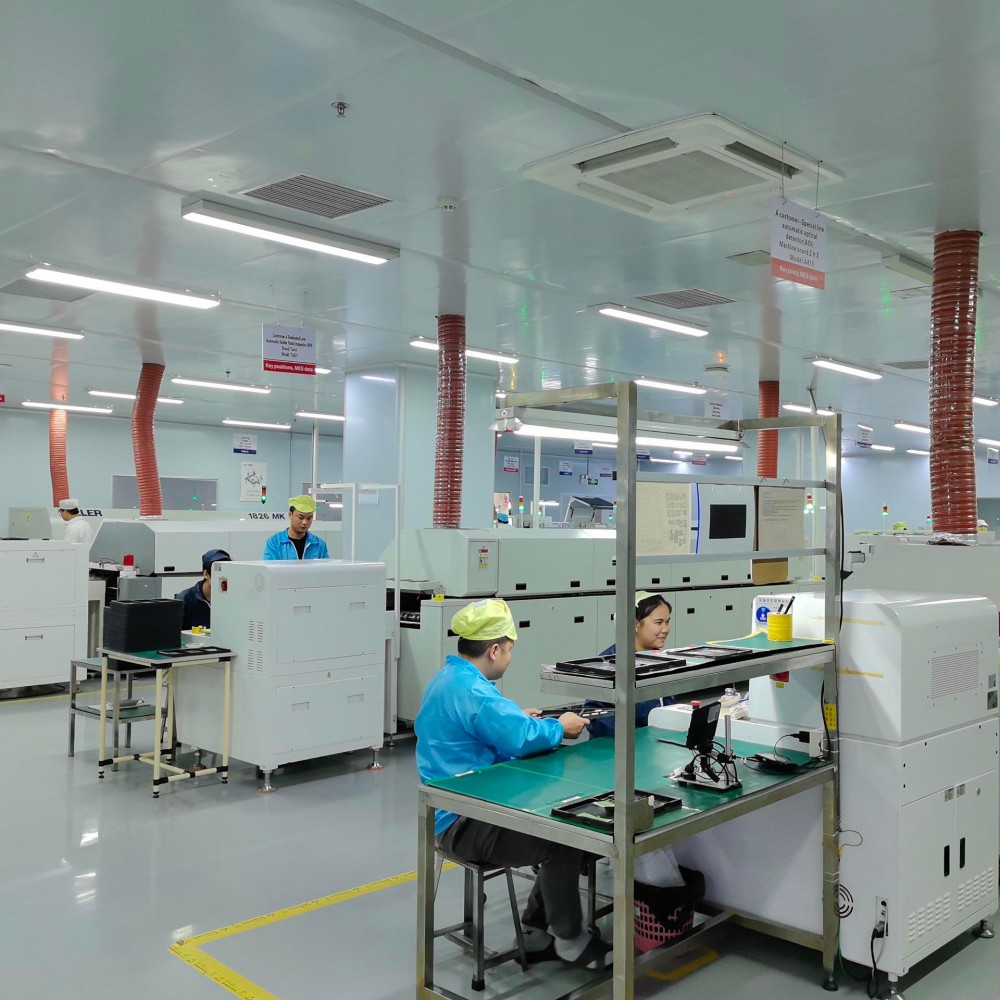
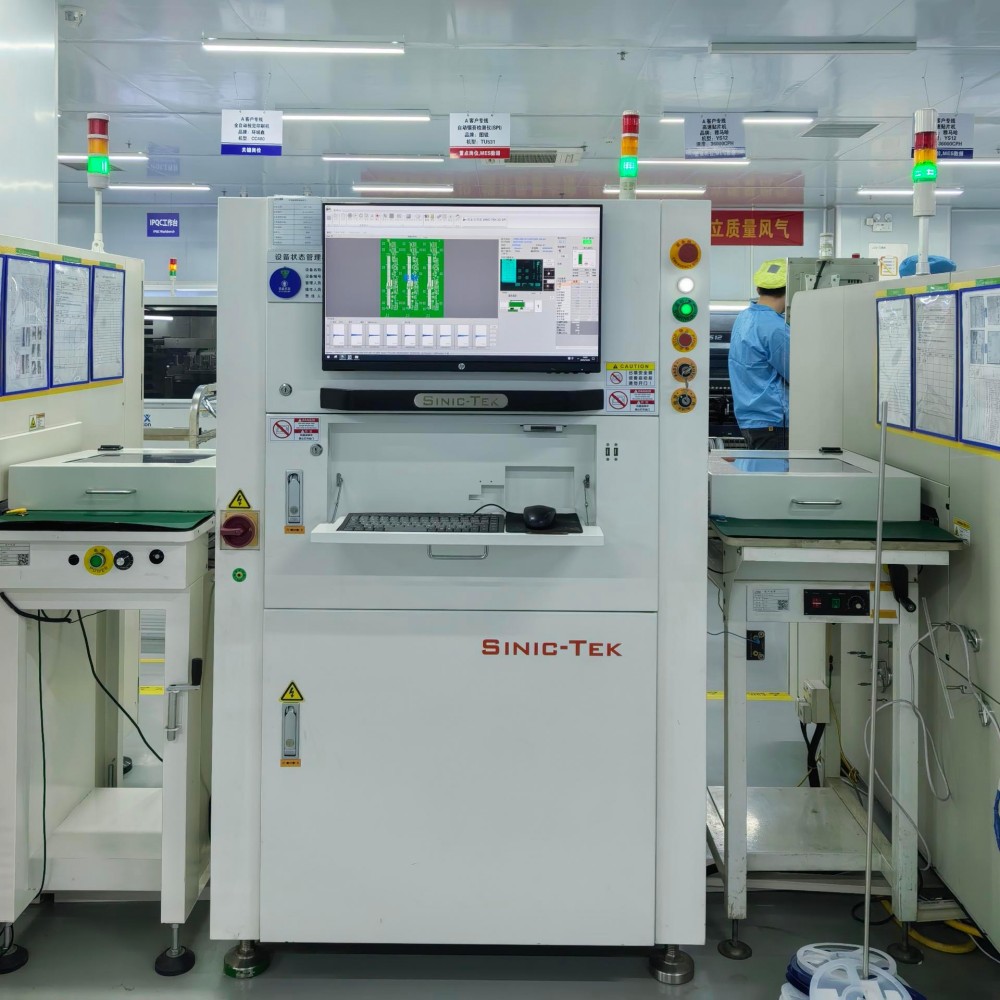
  • Intellectual Property Security: Active patent collaboration to prevent commercial infringement risks.
  • Industry-Standard Shared Boards: Optimizing development cycles, reducing unit costs, and boosting efficiency.
  • Full-Process Traceability: Continuous, granular quality control tracked from raw components to finished systems.
  • Remote Cloud Maintenance: Comprehensive IoT platform integration supporting remote system diagnoses and configuration.
Litongwei R&D Center Litongwei Automatic Production Line Litongwei Testing Lab Corporate Vision Litongwei

Corporate Vision

LITONGWEI operates strictly on the foundational philosophy of "Technology as King, Efficient Service" across every tier of manufacturing, design, and supply. Our primary mission is to expand the reach of intelligent, green energy management solutions to accelerate planetary environmental sustainability.

China Factory 4.0: Unmatched Supply Chain Resilience

Advanced automation infrastructure engineered to supply global markets with high-volume, reliable hardware components.

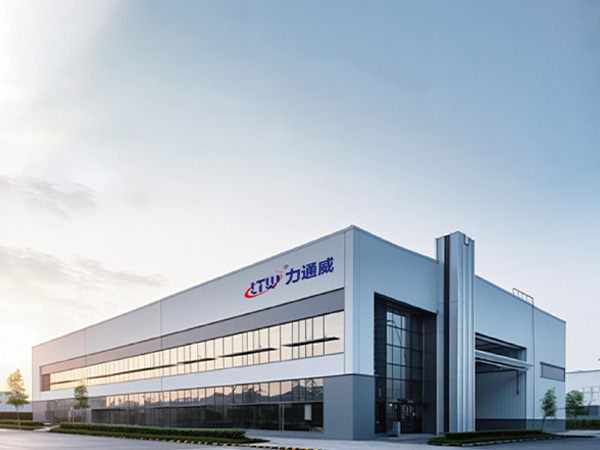
Procurement teams in Northern Europe face complex supply chain dynamics. Lead times, component consistency, and cost-containment are critical indices when choosing an OEM/ODM supplier. Shenzhen Litongwei addresses these challenges through integrated Industry 4.0 production environments located across our Shenzhen and Dongguan manufacturing hubs.

By automating pick-and-place lines, integrating AOI (Automated Optical Inspection), and implementing advanced MES (Manufacturing Execution Systems), we ensure that every single BMS card or micro-inverter component exhibits near-zero defect ratios. The MES automatically registers the performance parameters of every unit, ensuring total transparency and high-level tracing capabilities for Norwegian industrial audits.

40,000+
Square Meters Area
15M+
Monthly Output Units
>10%
R&D Sales Reinvestment
100+
Patents Held

Corporate Development Timeline

Over two decades of pioneering R&D and steady scaling in battery protection and energy conversion systems.

2005 - 2009
Founding & Certifications: Commenced development and manufacturing of digital BMS safety architectures in 2005. Advanced into power battery management system development in 2006. Secured ISO9001 quality system certification in 2007, followed by ISO14001 certification in 2009.
2010 - 2015
Technological Expansion: Secured 8 utility model and design patents in 2011 alongside expanding mobile power bank manufacturing facilities. Established the Litongwei Technology Research Institute in 2012. Honored with the Del New Energy Quality Excellence Award (2014) and Gold Partner recognition by Gaogong Lithium Battery (2015).
2016 - 2020
Industry 4.0 Upgrades: Upgraded ISO 9001 and ISO14001 architectures in 2016. Earned the stringent IATF16949 automotive certification in 2018. Integrated automated MES systems for warehouse operations. Received the Guangdong Battery Industry Association Innovation Award in 2019.
2021 - Present
Smart Manufacturing+: Full adoption of automated production layouts, scaling global OEM supply chains. Launch of specialized IP67-rated micro-inverters targeting high-latitude residential balcony configurations and industrial applications across the European Union and Norway.

Trusted Global Energy & Technology Partners

Litongwei works in alignment with leading electronic, telecommunication, and battery cell manufacturing brands worldwide.


Partner Logo Huawei
Partner Logo Lenovo
Partner Logo Desay
Partner Logo Guoguang
Partner Logo Sunwoda
Partner Logo Eve Energy
Partner Logo Guoxuan High-tech

Technical & Commercial FAQ

In-depth responses resolving engineering questions about micro-inverters, low-temperature cell protection, and international trade compliance.

1. Why is an IP67 rating critical for micro-inverters deployed in the Norway market?
Norway's climate features prolonged rain, wind-driven snow, and highly humid marine environments near the fjords. An IP67 (Ingress Protection) rating guarantees the unit is completely dust-tight and can survive temporary water immersion up to 1 meter depth. This prevents moisture ingress and salt-induced PCB corrosion, securing a design life exceeding 25 years.
2. How does a lithium protection board (BMS) manage low-temperature charging?
Charging standard Lithium-Ion (LFP/NCM) cells below 0°C risks lithium plating, causing degradation and potential short circuits. Our intelligent BMS utilizes NTC thermal sensors to monitor cell-level temperatures. When sub-zero environments are detected, the BMS disables charging and diverts input energy to heater mats until cell temperatures reach safe limits before resuming charging.
3. Do Litongwei products support EN 50549 grid integration standards required in Europe?
Yes. Our grid-tied micro-inverters comply with European grid standards, including EN 50549-1, CE conformity, and RoHS certifications. They feature active voltage and frequency regulation parameters configurable for localized utility grids, ensuring seamless utility approval.
4. What communication interfaces are integrated into the BMS and Inverter systems?
We support multiple industrial protocols including CAN, RS485, and UART. Our micro-inverters and batteries also offer Bluetooth connectivity and Wi-Fi IoT gateways, enabling end-users and site engineers to monitor performance in real-time through our remote cloud platform.
5. What is the typical lead time and supply chain commitment for OEM orders?
Standard OEM production run times range between 4 to 6 weeks depending on volume and custom tooling. By utilizing our twin factories in Shenzhen (13,000 sqm) and Dongguan (27,000 sqm) housing 24 high-speed placement lines, we output up to 15 million units monthly, insulating our partners from sudden demand spikes.

Norway Compatible Power Systems & BMS Hardware

A full portfolio of advanced battery protection boards and bidirectional energy converters engineered to support localized energy infrastructure.
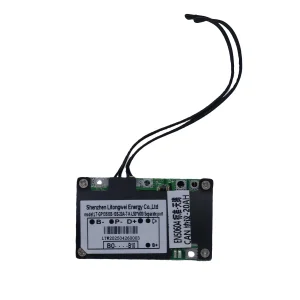
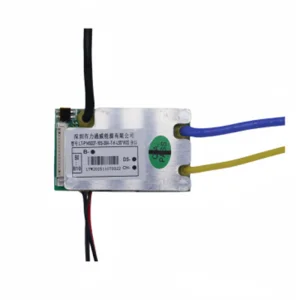
Norway 500W Portable Power Bank Bidirectional Inverter

Custom 500W Portable Power Bank with 1kWh Capacity, Norway-optimized Bidirectional Inverter

View Technical Specs
Norway Balcony Micro Inverter IP67

Wholesale LTWSmart Micro Inverter for Norway Balcony Solar - IP67, 96.5% Efficiency

View Technical Specs
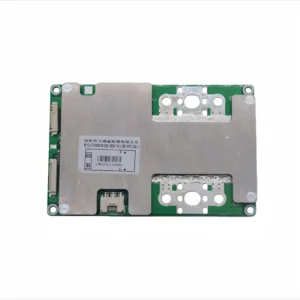
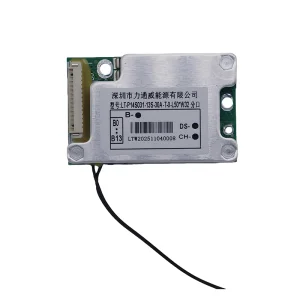
Norway 10S 20A BMS Board

Norway-Compatible Wholesale LTW 10S 20A Lithium Battery Protection Board with CAN Communication

View Technical Specs
Norway Single Cell Portable Power Bank

OEM 500W Norway Single-Cell Portable Power Bank with 1kWh Capacity Bidirectional Inverter

View Technical Specs
Norway LTW 13S Smart BMS

Custom 30A Lithium Battery Protection Board LTW 13S for Norway Smart BMS and Backup Power

View Technical Specs
Norway 20S 100A BMS Board

Wholesale 20S 100A Lithium Battery Protection Board with NTC for Norway Power Management

View Technical Specs
Norway 500W Portable Power Bank PV Inverter

Wholesale Norway 500W Single-Cell 1kWh Portable Power Bank with PV Bidirectional Inverter

View Technical Specs
Norway LTW 13S 30A BMS

Norway Grade Wholesale LTW 13S 30A Lithium Battery Protection Board - Intelligent BMS

View Technical Specs

Partner With a Reliable Energy System Manufacturer

Connect with our technical engineering team to obtain custom configurations, sample evaluations, and bulk pricing schedules tailored to the Norwegian market.