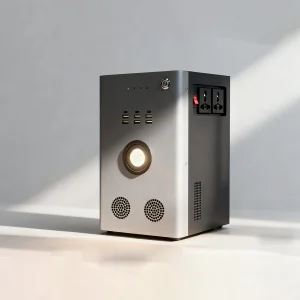
Premium intelligent battery management systems featuring bluetooth configuration, intelligent heating, and advanced communication protocols for modern e-mobility and energy storage systems in Istanbul.
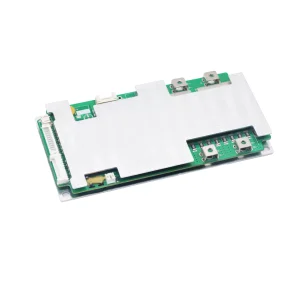
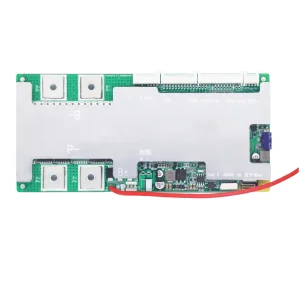
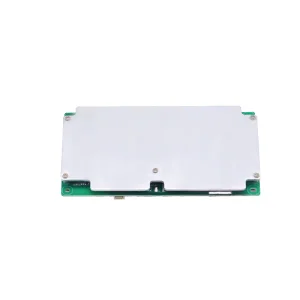
Analyzing the strategic convergence of geographic advantages, micro-mobility expansions, and state-of-the-art battery management architectures in Turkey.
Istanbul, serving as the bridge between Europe and Asia, has evolved into a key industrial powerhouse and logistics node. In recent years, Turkey’s commitment to the European Green Deal and carbon neutrality has accelerated the transition from conventional energy models to electrified systems. Urban centers like Istanbul are seeing a surge in micro-mobility fleets (electric bicycles, e-scooters, and electric delivery vehicles) alongside heavy industrial shifts in zones like Tuzla and Hadımköy, where warehousing AGVs (Automated Guided Vehicles) and electric forklifts operate continuously.
This massive electrification demand relies on a core technology: the Battery Management System (BMS). Unlike legacy hardware-configured protection boards, modern applications in Istanbul demand Software BMS solutions. By utilizing active microcontroller units (MCUs) and programmable software layers, Software BMS technology allows real-time telemetry, remote firmware configurations, and adaptive protection protocols. This shift ensures that high-capacity lithium battery packs function safely and optimally under the diverse operating temperatures and demanding duty cycles unique to the Turkish market.
Istanbul's steep topography and high-density traffic place heavy stress on delivery vehicle battery packs. Custom Software BMS units adjust current thresholds dynamically, avoiding premature cell degradation during steep hill climbs.
Turkish winters pose a significant challenge to lithium-ion chemistry. Smart BMS designs integrate heating film controls, automatically utilizing charger current to preheat battery cells before charging begins to prevent lithium plating.
Supporting CANbus, RS485, and Bluetooth, our Software BMS solutions interface seamlessly with European and Turkish-designed inverter protocols, e-scooter motor controllers, and local IoT cloud platforms.
Engineered for high reliability, precise CAN communication, and low-power standby modes, tailored for industrial machinery and local micro-grid storage setups in Turkey.
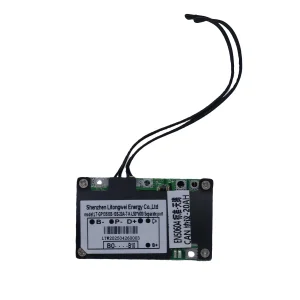
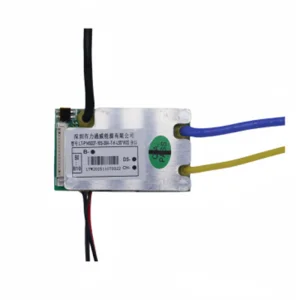
Deep-dive into the architectural evolution of energy storage brains, algorithmic innovations, and localized engineering strategies.
Modern Battery Management Systems are transition points where electrical hardware meets advanced computer science. While hardware-defined BMS relies entirely on fixed components (analog comparators and passive resistor loops) to trigger overvoltage or undervoltage disconnects, Software BMS incorporates programmable microcontrollers (MCUs) to execute highly complex, real-time algorithms. As the Istanbul market scales up its renewable infrastructure, the technological path of Software BMS centers on three major domains:
1. Advanced SOC (State of Charge) and SOH (State of Health) Estimation: Dynamic operating conditions mean simple voltage lookup tables are no longer sufficient to gauge capacity. Our software BMS architectures employ the Extended Kalman Filter (EKF) and Coulomb counting algorithms. By analyzing transient voltage responses and internal cell resistance changes, the system estimates SOC to within ±1% accuracy and flags local cell aging before failures occur.
2. Cloud Telemetry and Fleet Management Systems: Via built-in Bluetooth modules and external 4G/5G IoT gateways, BMS telemetry data is continuously uploaded to cloud interfaces. Fleet operators in Istanbul can remotely monitor the temperature, cycle counts, and balancing states of hundreds of delivery scooters or warehouse AGVs, scheduling preventive maintenance and reducing downtime.
3. Dynamic Safety Configurations: Because Istanbul's distribution networks require compliance with European standards, the Software BMS firmware allows field adjustments to overcurrent detection times, balance start voltages, and secondary hardware fuses without physical PCB alterations. This provides local pack manufacturers with unmatched flexibility to meet evolving safety requirements.
A trusted global leader in Lithium-Ion safety control systems, bringing smart manufacturing and Industry 4.0 efficiency to Turkey and global energy projects.
Shenzhen Litongwei Electronic Technology Co., Ltd., established in 2005, is a national high-tech enterprise specializing in the R&D and manufacturing of lithium-ion safety control systems. Our products are widely used in 3C digital devices, electric scooters, bicycles, motorcycles, tricycles, golf carts, AGVs, drones, and power tools.
We provide intellectual property protection (patent collaboration to prevent infringement), industry-standard shared boards (cost reduction and efficiency improvement), full-process traceability (quality control), and remote maintenance (cloud platform support) to help you address technical, cost, and operational challenges. By choosing us, you'll receive top-tier products and services. Litongwei is committed to collaborating with you to build a brighter future together.
LITONGWEI has always adhered to the philosophy of "Technology as King, Efficient Service" in all aspects of production and operations. Our vision is to become a leading global provider of intelligent green energy management solutions, embracing environmental sustainability. Start your green energy journey with LITONGWEI!
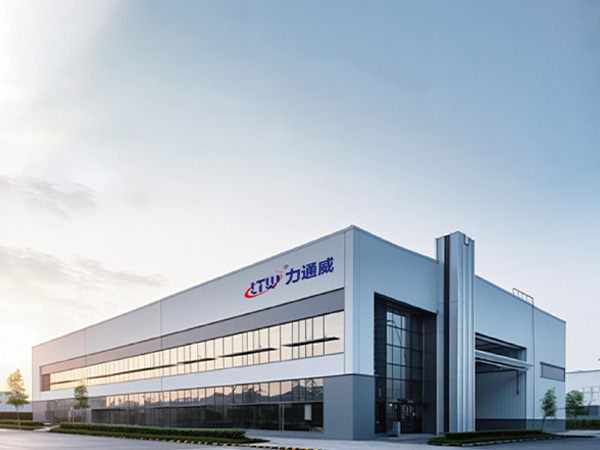
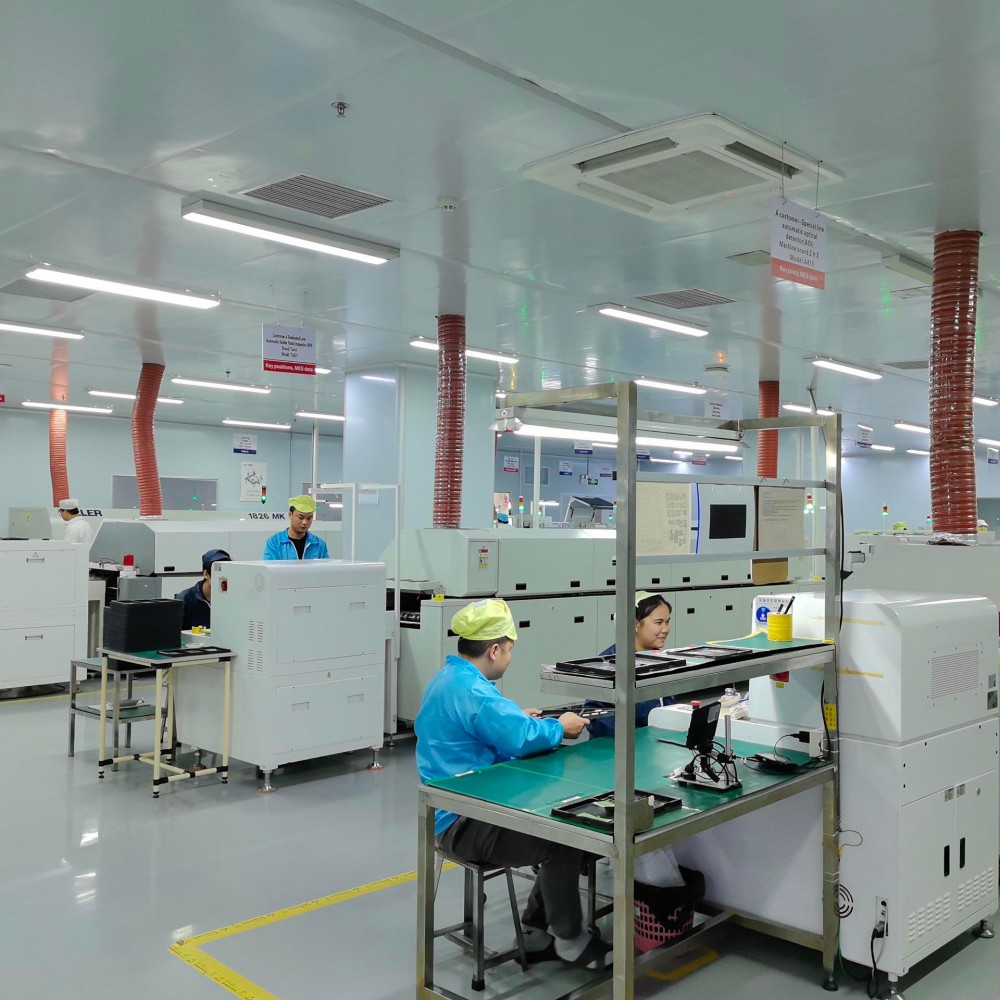
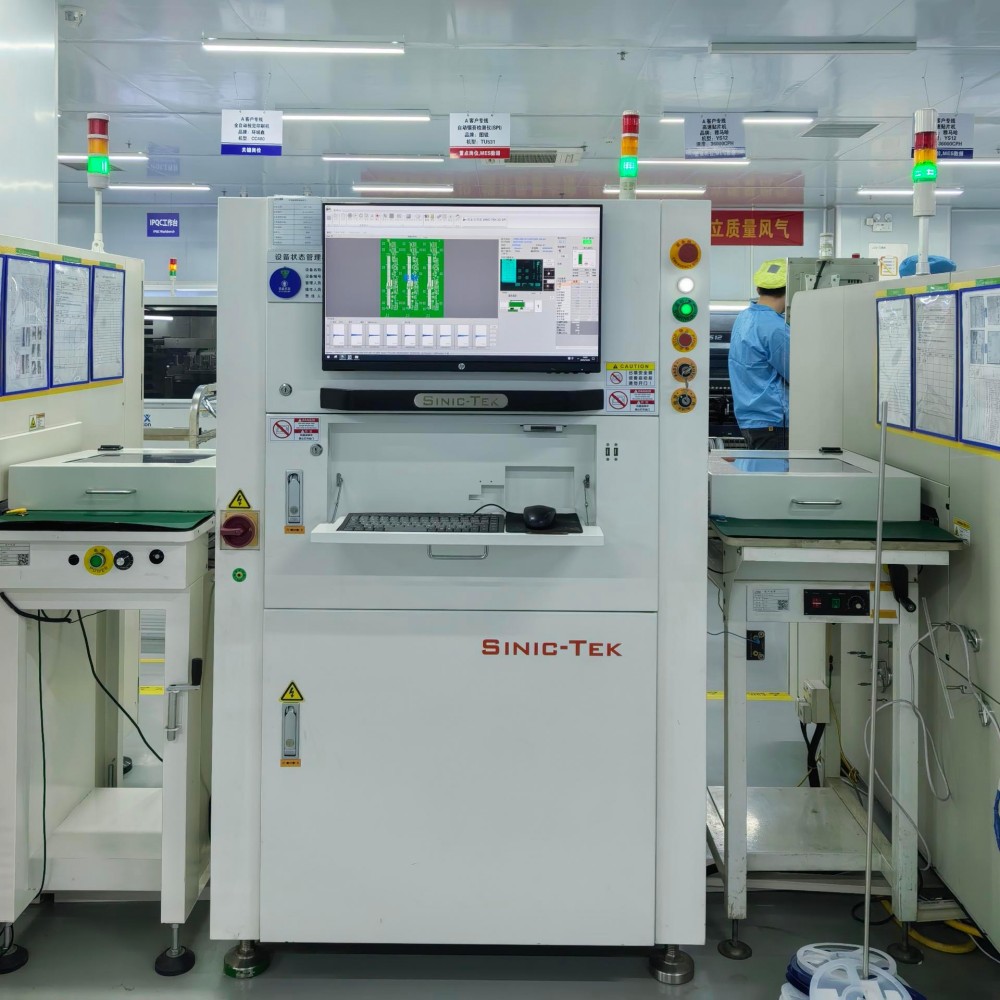
Our production capabilities ensure seamless supply chain resilience. Litongwei operates over 13,000 square meters of independent factory space in Shenzhen, and an additional 27,000 square meters in Dongguan Huangjiang. Equipped with 24 pick-and-place SMT machines for high-speed assembly and 12 dedicated PCBA lines, Litongwei's monthly output reaches over 15 million units.
Our R&D investment consistently accounts for more than 10% of sales for five consecutive years. Holding over 100 patents in the protection board industry, we provide comprehensive IP shielding to mitigate patent infringement risks for global OEM partners.

A twenty-year legacy of engineering breakthroughs, digital transformation, and smart energy optimization.
In 2005, the company commenced R&D and manufacturing of digital Battery Management Systems (BMS). By 2006, it expanded into power battery management system development. ISO9001 certification was obtained in 2007, followed by ISO14001 certification in 2009.
The company secured 8 utility model and design patents in 2011, while expanding its mobile power bank manufacturing operations. The Litongwei Technology Research Institute was established in 2012. It received the Del New Energy Quality Excellence Award in 2014 and earned the Gold Partner title from Gaogong Lithium Battery in 2015.
The company upgraded its ISO 9001 and ISO14001 certifications in 2016, achieved IATF16949 certification in 2018, and implemented an MES system for warehouse automation. It was awarded the Guangdong Battery Industry Association Innovation Award in 2019 and recognized as a leading brand in lithium battery protection board technology for two-wheeled vehicles in 2020.
Litongwei Electronics continues to innovate, deepening its technological expertise while embracing IoT and Industry 4.0. Through its Smart Manufacturing+ strategy, the company drives industrial transformation and upgrading across key international logistics and energy corridors, including active expansion in the Istanbul and wider European markets.
Litongwei's partners include Huawei, Lenovo, Desay, Guoguang, Sunwoda, Eve Energy, Guoxuan High-tech, and other leading brand clients who have collaborated for many years.














Fully compliant smart micro-inverters, multi-cell balancing protection boards, and consumer IoT accessories designed for global scale.
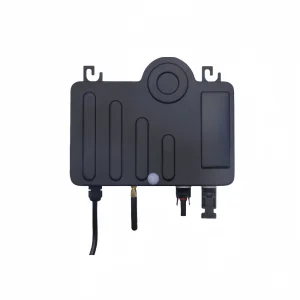
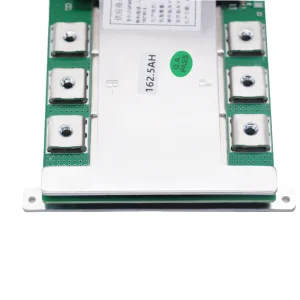
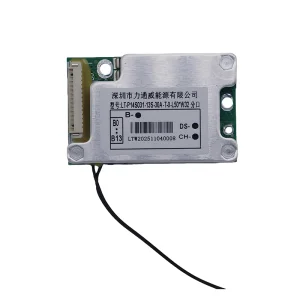

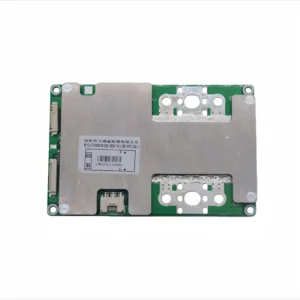
Combining the high-volume, precision manufacturing capabilities of China with localized support and strict CE/RoHS safety compliance.
In today's volatile macroeconomic climate, sourcing reliable electronic sub-assemblies requires balancing cost efficiency with operational resilience. Litongwei's business model offers a dual advantage for Turkish procurement managers and battery pack builders: high-scale China 4.0 intelligent production coupled with comprehensive technical and IP support for foreign markets like Istanbul.
By automating SMT placement via our 24 pick-and-place lines, we eliminate manual soldering defects, ensuring that micro-controllers, analog front-ends, and MOSFETs are mounted with absolute precision. This is particularly crucial for systems operating at high voltage and current levels (such as our 20S 200A and 23S 60A boards), where minor soldering imperfections can lead to thermal runaway under high loads.
Furthermore, exporting finished batteries from Turkey to the European Union requires compliance with strict safety directives. Our Software BMS solutions are pre-engineered to meet these compliance requirements:
Designed to comply with EN 61000 electromagnetic compatibility standards, ensuring that high-frequency switching noise does not disrupt nearby communication systems or sensor grids.
We source only lead-free, environmentally safe components. Our designs facilitate end-of-life battery recycling and extraction of lithium cells, which aligns with modern European and Turkish green directives.
By leveraging our portfolio of over 100 patents, we protect your customized battery designs against IP infringement disputes, providing peace of mind in competitive global markets.
Get professional insights on smart Software BMS applications, Turkey import logistics, and customizable protection features.
A Software BMS utilizes an on-board MCU that runs custom firmware. This allows real-time measurement of cell voltages, temperatures, and current levels. It enables features like dynamic safety thresholds, CAN/RS485 communication, Bluetooth telemetry, and precise SoC/SoH algorithms that are not possible with hardware-only boards.
In cold climates, charging lithium batteries below 0°C can lead to lithium plating, which permanently degrades capacity. Our intelligent heating BMS detects low temperatures and routes incoming charge current to specialized heating elements first. Once the pack reaches an optimal temperature (e.g., 5°C or 10°C), the BMS switches the current to safely charge the battery cells.
Yes. Our engineering teams can adjust our Software BMS firmware to match your inverter's specific CAN or RS485 communication protocols. This ensures that parameter handshakes (such as maximum charge limits and alarm registers) are correctly read by local power components.
We operate within an ISO9001 and IATF16949 quality framework. Our factories utilize automated optical inspection (AOI), in-circuit testing (ICT), and full functional testing on computerized load simulators. Every protection board is tracked through our MES (Manufacturing Execution System) to ensure traceability down to individual components.
A same-port configuration uses the same connection terminal for both charging and discharging. This simplifies wiring harness designs for battery pack builders, reduces connection points to decrease failure rates, and prevents incorrect connection damage during field maintenance.
Litongwei holds over 100 independent patents covering circuit designs, firmware safety logic, and mechanical layouts. We work closely with our OEM/ODM clients to review designs, ensuring that our products utilize proprietary technology and do not violate third-party intellectual property rights.
Connect with our expert engineering team to design custom Software BMS boards, explore volume discounts, and establish secure supply chain partnerships for the Istanbul and European markets.
Send Inquiry Now Litongwei Electronic