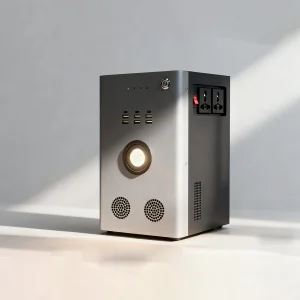
Engineered with sub-zero heating components, dynamic Bluetooth/CAN communications, and heavy-duty current protection for Nordic industrial deployments.
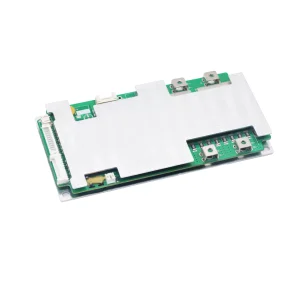
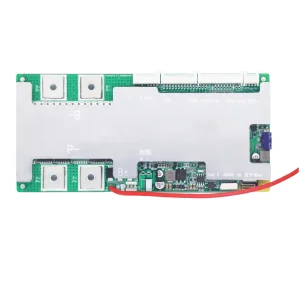
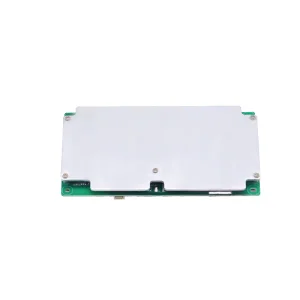
Sweden has rapidly emerged as the epicenter of Europe's transition to a decarbonized economy, fueled by initiatives like "Fossil-Free Sweden" and the rise of the Nordic Battery Belt. From gigafactories to large-scale grid energy storage systems (BESS) designed for frequency containment reserves (FCR-D / FCR-N), the requirements for high-safety, software-defined Battery Management Systems (BMS) have never been more complex.
In particular, northern industrial zones require battery systems to perform reliably under extreme cold weather conditions (reaching down to -30°C in winter). At these temperatures, lithium-ion chemistries exhibit elevated internal resistance, poor charge acceptance, and high risks of lithium plating. This demands software BMS architectures with high-fidelity State of Charge (SoC) estimation, state-of-the-art thermal pre-heating, and sub-millisecond response times to prevent cell degradation.
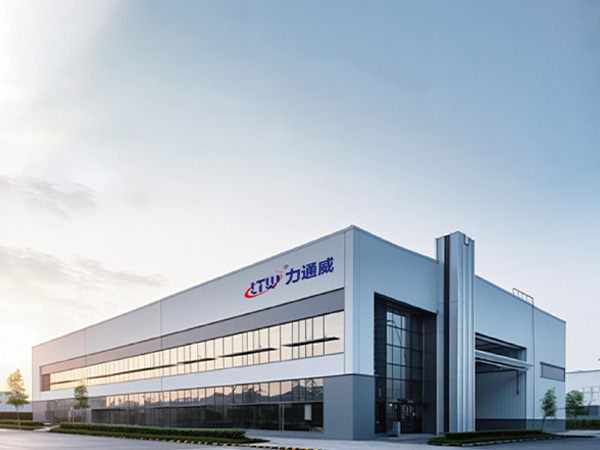
As a seasoned software BMS factory partner, Litongwei Electronics offers customized PCBA layouts, high-current protection matrices, and multi-interface communication protocols (CAN, Bluetooth, RS485, and UART) tailored precisely for Swedish EV, energy storage, and industrial equipment manufacturers.
How our proprietary algorithms and robust hardware protect battery health, maximize lifecycle efficiency, and ensure stable performance under challenging conditions.
Using Extended Kalman Filter (EKF) algorithms and real-time open-circuit voltage (OCV) curves, our software dynamically tracks the state-of-charge (SoC) and state-of-health (SoH). This prevents sudden voltage collapses under rapid Swedish winter temperature drops.
When charging sensors detect sub-zero levels, the BMS routes charging current first to dedicated heating pads, raising cell temperatures to safe levels before initiating high-current injection. This eliminates lithium-ion plating risk.
Dual-core hardware watchdogs monitor short circuits, overcurrent (up to 200A or higher customized limits), overvoltage, and cell mismatches. Integrated high-current paths with independent passive balancing ensure long battery lifespans.
As Sweden integrates more renewable energy source capacity (wind and solar), grid frequency stabilization is increasingly prioritized. Stationary BESS systems deployed in locations like Gothenburg or Sundsvall need to cycle rapidly to manage voltage adjustments. Standard BMS solutions cannot cope with this constant power fluctuation, resulting in premature sensor degradation and imbalanced cell groups.
Litongwei BMS software employs active and same-port passive balancing protocols that distribute excess energy dynamically during high-speed cycle states. Our CAN-bus communication modules interface directly with world-class industrial inverters, reporting diagnostic telemetry to the host EMS within 10ms, which guarantees the sub-millisecond dispatch needed for Swedish grid participation.
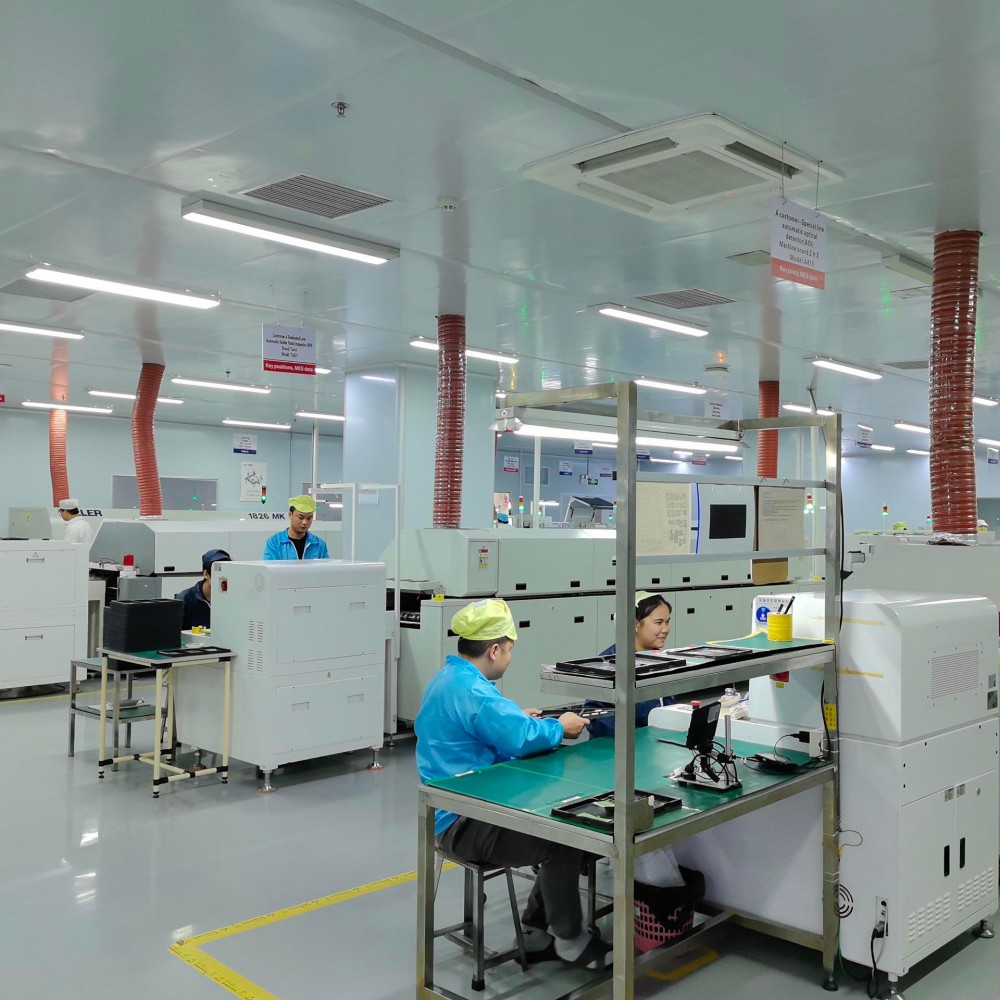
Established in 2005, Litongwei is a national high-tech enterprise dedicated to the R&D and manufacturing of advanced lithium-ion safety control systems. Over the last two decades, our products have become structural foundations in 3C digital devices, electric scooters, e-bikes, golf carts, automated guided vehicles (AGVs), agricultural drones, and large-scale power tools.
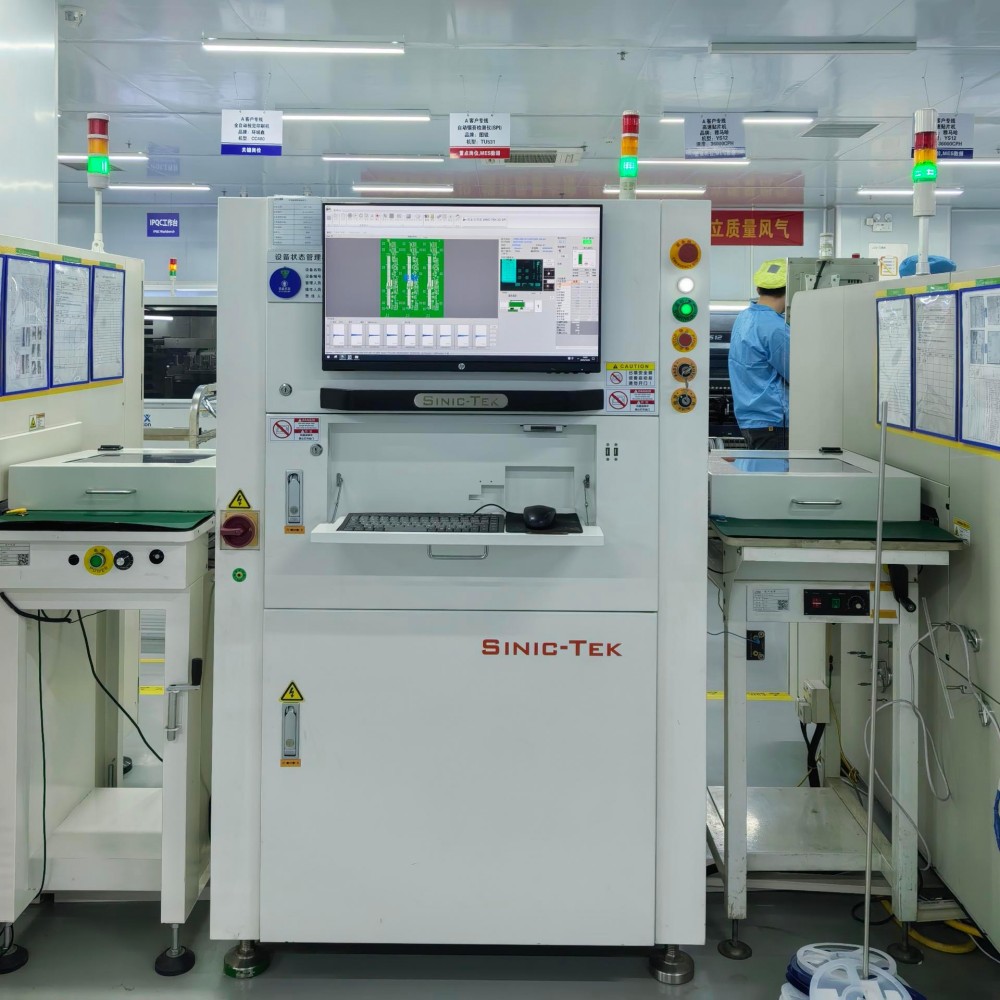
We operate an extensive manufacturing ecosystem, including a 13,000 square meter facility in Shenzhen and a 27,000 square meter factory in Dongguan Huangjiang. Our factory floor houses 24 high-speed SMT pick-and-place lines and 12 complete PCBA production lines, achieving a monthly BMS production capacity of over 15 million units.
A history of pioneering breakthroughs and smart manufacturing evolution supporting global energy transformation.
BMS R&D Inception: Founded in 2005 focusing on digital battery management system design. Expanded rapidly into heavy power battery systems by 2006. Secured ISO9001 certification in 2007 and ISO14001 in 2009 to set standard quality metrics.
Patents & Research: Acquired 8 core utility model and design patents in 2011. Established the dedicated Litongwei Technology Research Institute in 2012. Earned the Del New Energy Quality Excellence Award (2014) and named Gold Partner of Gaogong Lithium Battery (2015).
Digital Transformation: Secured automotive IATF16949 certification in 2018. Integrated automated MES systems for warehouse operations and full component tracing. Honored with the Guangdong Battery Industry Association Innovation Award in 2019.
Smart Manufacturing & IoT: Deployed Industry 4.0 IoT BMS solutions with embedded cloud diagnostic telemetry. Recognized as a market-leading brand in two-wheeler and industrial safety protection platforms, serving major European and Nordic energy players.
Swedish buyers must navigate demanding regulatory regimes, including the new EU Battery Regulation (Regulation 2023/1542). Batteries must carry carbon footprint declarations, supply chain due diligence documentation, and eventually, a digital Battery Passport. Our software-defined BMS facilitates compliance by storing operational datasets in secure, non-volatile EEPROM memory modules, prepared for seamless integration into digital passport registries.
Furthermore, we guarantee compliance across all major safety and environmental directives required for the Swedish grid and transport networks:
Litongwei collaborates with global industrial, electronic, and technology brands, delivering high-performance energy architectures.






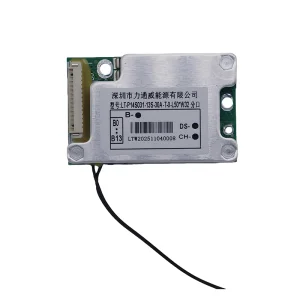
Designed for compact energy solutions, home energy solar setups, and low-power IoT monitoring devices deployed across Sweden.
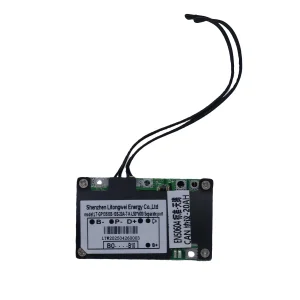
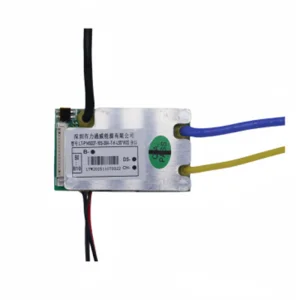
A technical projection of safety systems, showing how our research team designs BMS platforms to align with industrial trends.
By integrating neural network models directly into high-performance microcontrollers, next-generation Litongwei BMS software will analyze micro-voltage anomalies and dynamic impedance variations. This enables the BMS to predict thermal runaway risks up to 48 hours before physical heat dissipation begins. For large Swedish energy storage parks near populated urban centers, this capability provides critical safety margins and minimizes risk.
Traditional battery packs use extensive wiring harnesses to connect slave monitoring modules to the master board. In harsh industrial environments, these connections are susceptible to mechanical fatigue, corrosion, and electromagnetic interference. Our engineering roadmap includes wireless BMS units operating on low-latency RF meshes, reducing structural pack weights by up to 15% and streamlining pack assembly steps for automotive systems.
Lithium Iron Phosphate (LFP) is popular for Swedish home storage systems due to its high thermal stability. However, flat voltage discharge curves make accurate SoC measurement challenging. Our software integrates precise Coulomb-counting algorithms combined with adaptive OCV lookup libraries, reducing errors to within ±1.5% under active winter cycles.

Get answers to common technical, commercial, and regulatory inquiries regarding Sweden's integration of high-performance BMS products.
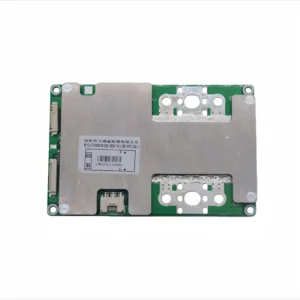
Comprehensive smart BMS systems, balcony solar inverters, and heavy-duty battery pack electronics compliant with Swedish safety standards.
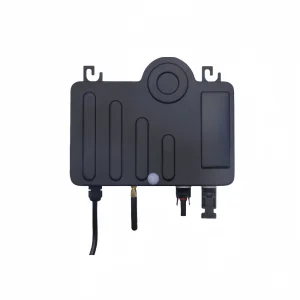
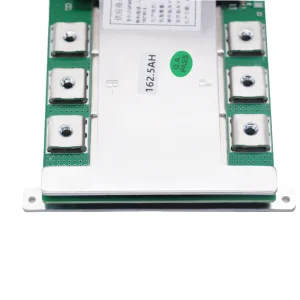
Get in touch with our engineering team for customized hardware layouts, firmware configurations, and Sweden-specific compliance certs.
Send Inquiry Now Litongwei Electronic