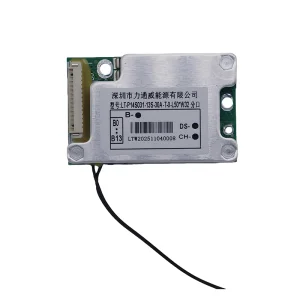
Engineered for high performance, dynamic heating capability, and comprehensive CAN/Bluetooth wireless telemetry.
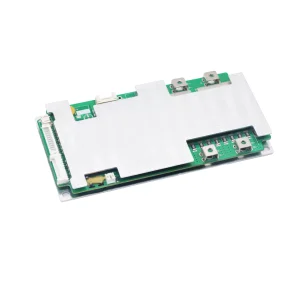
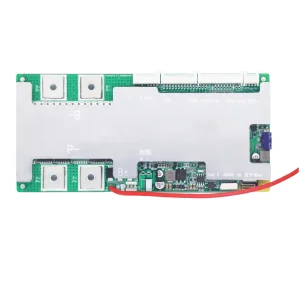
Finland is currently positioning itself as a dominant player in the European battery value chain. Powered by rich mineral reserves (nickel, cobalt, lithium), a stable carbon-free electricity grid, and a strong national commitment to carbon neutrality, the nation is undergoing rapid industrial electrification. From advanced mining machinery operating deep in Lapland to marine propulsion systems navigating the Baltic Sea, the demand for highly reliable lithium-ion batteries has escalated. However, hardware alone cannot guarantee safety and optimal cycle life in these demanding applications. The differentiator lies in the Software Battery Management System (Software BMS).
A software-defined BMS provides the cognitive layer for energy storage. Unlike standard hardware-based protection boards that simply cut off current during limit violations, a Software BMS monitors complex parameters dynamically. Using predictive algorithms, it estimates State of Charge (SoC), State of Health (SoH), and State of Power (SoP) in real-time, executing active cell balancing and localized thermal management strategies to prevent thermal runaway before it can propagate.
For Finnish industrial applications, a Software BMS must overcome distinct geographical and operational challenges:
Adaptive software control for integrated heating elements, ensuring secure charging and operational optimization in sub-zero Finnish conditions.
Advanced Kalman Filtering (EKF) algorithms calculating real-time SoC and SoH to limit energy loss and maximize cycle life up to 15%.
Multi-layered safety architecture with redundant software loops preventing overcharge, over-discharge, short circuit, and thermal events.
As the battery industry transitions towards digital twinning and smart diagnostics, our technical roadmap outlines the future of Software BMS design.
The next generation of BMS architecture relies on a hybrid framework where low-latency safety tasks are executed locally on the hardware, while memory-intensive diagnostic data is uploaded to a secure cloud server. This allows for continuous optimization of the electrochemical model of the battery, tracking micro-structural degradation of cells over years of service.
Enforced by the new EU Battery Regulation 2023/1542, all batteries over 2 kWh entering the European market must soon feature a Digital Battery Passport. Our Software BMS structures and logs parameters like manufacturing history, carbon footprint, expected cycle life, state of charge, and health history, allowing seamless API integration with regulatory platforms. This ensures complete transparency from raw material sourcing in China to operations and end-of-life recycling in Finland.
For high-risk environments such as underground mining vehicles or passenger ferries, BMS safety integrity level (SIL) and automotive safety integrity level (ASIL) are mandatory. We design our software pathways using dual-core lockstep processor topologies, guaranteeing ASIL-C or ASIL-D target compliance to eliminate common-cause software errors.
Shenzhen Litongwei Electronic Technology Co., Ltd., established in 2005, is a national high-tech enterprise specializing in the R&D and manufacturing of lithium-ion safety control systems.
Our products are widely used in 3C digital devices, electric scooters, bicycles, motorcycles, tricycles, golf carts, AGVs, drones, and power tools. We provide comprehensive solutions including intellectual property protection (patent collaboration to prevent infringement), industry-standard shared boards (cost reduction and efficiency improvement), full-process traceability (quality control), and remote maintenance (cloud platform support) to help you address technical, cost, and operational challenges.
By choosing Litongwei, you receive top-tier products backed by decades of engineering expertise. We are committed to collaborating with our global clients to build a reliable green energy future.
"LITONGWEI has always adhered to the philosophy of 'Technology as King, Efficient Service' in all aspects of production and operations. Our vision is to become a leading global provider of intelligent green energy management solutions, embracing environmental sustainability."

Our journey of innovation, capacity growth, and technical excellence over two decades.
In 2005, the company commenced R&D and manufacturing of digital Battery Management Systems (BMS). By 2006, we expanded into power battery management system development. ISO9001 certification was obtained in 2007, followed by ISO14001 certification in 2009.
The company secured 8 utility model and design patents in 2011, while expanding mobile power bank manufacturing operations. The Litongwei Technology Research Institute was established in 2012. We received the Del New Energy Quality Excellence Award in 2014 and earned the Gold Partner title from Gaogong Lithium Battery in 2015.
Upgraded ISO9001 and ISO14001 certifications in 2016, achieved IATF16949 certification in 2018, and implemented an MES system for warehouse automation. Awarded the Guangdong Battery Industry Association Innovation Award in 2019 and recognized as a leading brand in lithium battery protection board technology for two-wheeled vehicles in 2020.
Litongwei Electronics continues to innovate, deepening its technological expertise while embracing IoT and Industry 4.0. Through its Smart Manufacturing+ strategy, the company drives industrial transformation and upgrading globally.
Combining the speed, reliability, and cost advantages of high-volume electronics manufacturing with local European compliance.
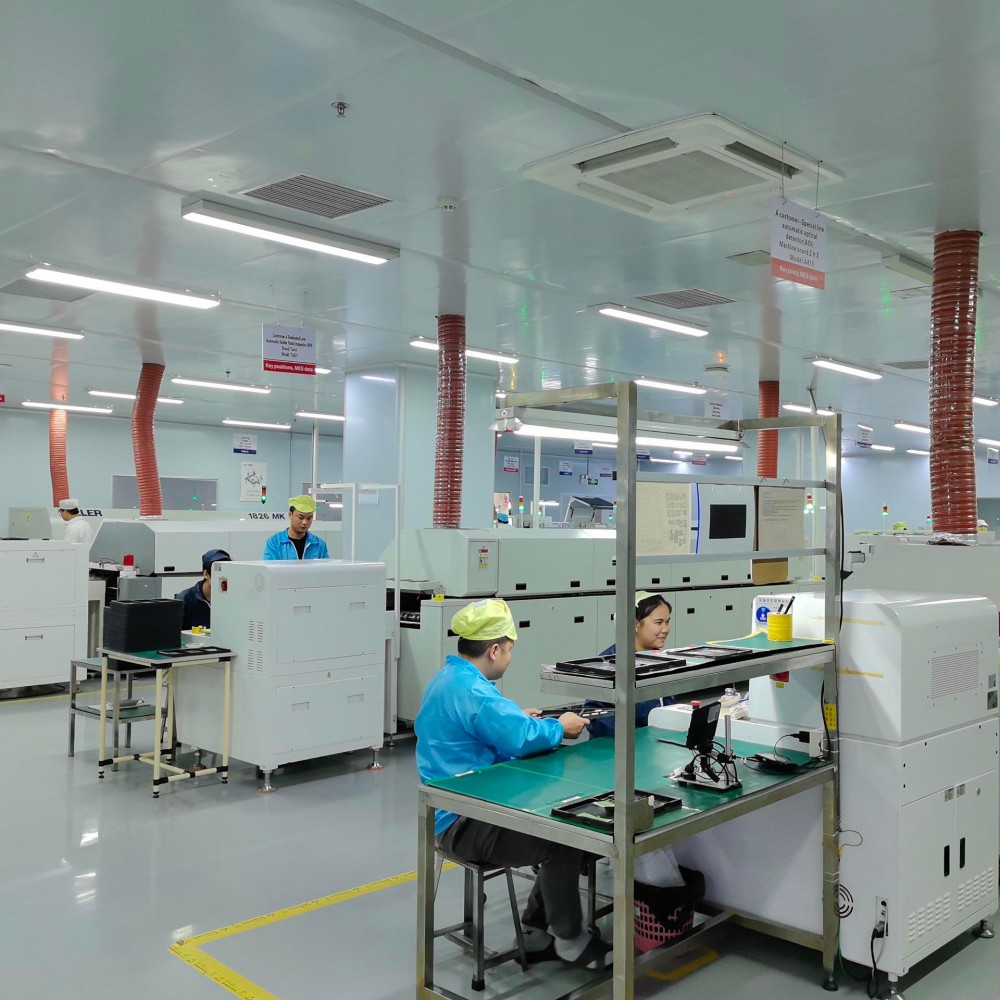
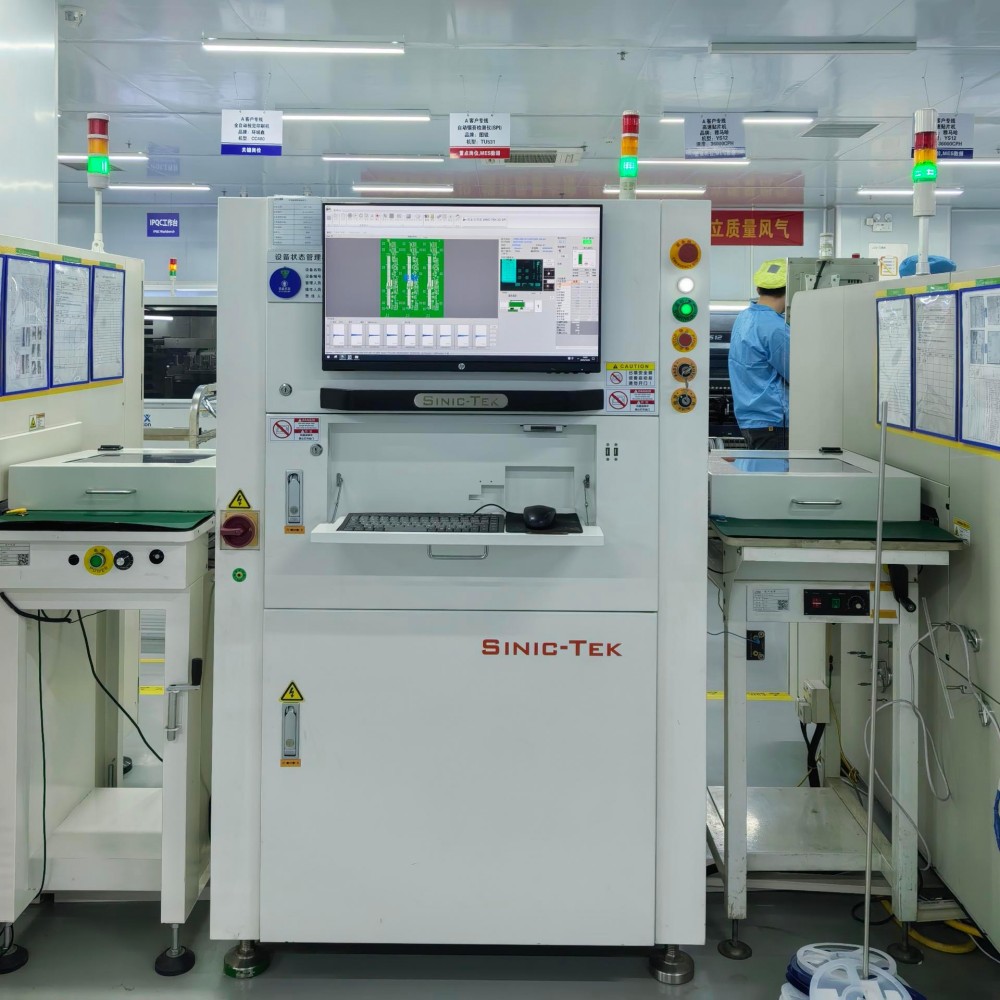
With over 100 patents in the lithium-ion battery protection board industry, Litongwei provides critical intellectual property defense, shielding European buyers from potential patent disputes. Our modern manufacturing processes are controlled by a state-of-the-art Manufacturing Execution System (MES), ensuring component-level traceability from receipt to shipping. Every serial number holds a record of solder paste profile, placement parameters, and functional circuit testing (FCT) data.
For Finnish system integrators, this combination of Shenzhen's agility and automotive-grade quality control (IATF16949) reduces engineering risk while optimizing unit costs, making it possible to deliver robust local products at a global scale.
Collaborating with some of the world's most trusted brands for long-term growth.





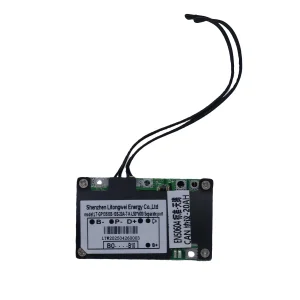
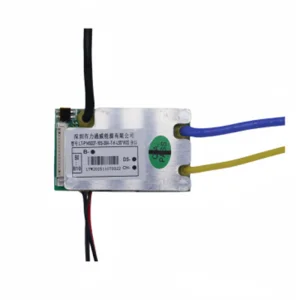
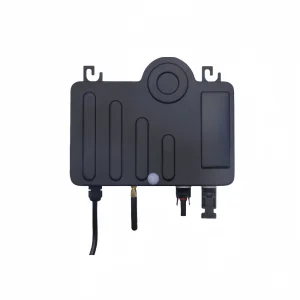
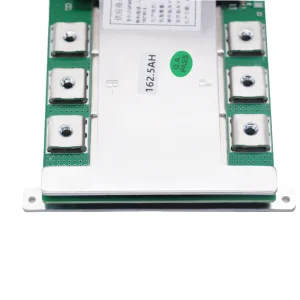
A broad array of highly customizable protection systems built to support complex configurations, integrated communications, and advanced safety standards.
Expert insights on Software BMS deployment, compliance, and engineering specifications.
Partner with a leading manufacturer of high-reliability Software BMS systems. Get in touch with our team for custom specifications, data sheets, and comprehensive quotation options.
Send Inquiry Now Litongwei Electronic