South Korea is a global hub for battery innovation, housing some of the world's most prominent lithium-ion cell manufacturers. With the government’s active push towards a zero-emission carbon-neutral society, the demand for sophisticated energy storage systems (ESS), micro-mobility devices (electric bikes, cargo e-scooters), electric vehicles (EVs), and automated industrial machinery is expanding at an exponential rate. However, battery deployment without highly accurate, software-driven protection is a significant commercial liability.
In the Korean market, battery systems face strict regulatory compliance, including the KC (Korea Certification) electrical safety guidelines, KBIA (Korea Battery Industry Association) standards, and environmental directives for sub-zero performance during winter. Standard hardware protection boards (PCMs) can no longer meet these demanding criteria. This is where Software-defined Battery Management Systems (BMS) step in. By incorporating intelligent software algorithms, communication protocols (CAN, RS485, Modbus, Bluetooth), and real-time remote telemetry, modern software BMS systems prevent catastrophic failures, estimate exact State of Charge (SOC) and State of Health (SOH), and extend the commercial lifespan of lithium packs by up to 35%.
Winter in South Korea often sees temperatures drop below -15°C. Litongwei's Software BMS integrates intelligent heating logic that activates during low-temperature charging cycles to prevent lithium plating and permanent capacity degradation.
We work closely with Korean OEMs to align with local electrical safety benchmarks, delivering high ESD protection, reliable over-current detection, and multi-layered redundancy circuits to pass strict certification processes.
Safety remains the topmost priority. Our software actively monitors multiple NTC temperature probes, triggering proactive cell-balancing and current limits before a runaway scenario can develop.
Globally, the transition to green energy systems has evolved past simply assembling battery cells. Advanced application demands call for interactive battery networks that communicate with host controllers, cloud telemetry backends, and user interfaces. Shenzhen Litongwei Electronic Technology Co., Ltd. (established in 2005) has been at the forefront of this digital transformation, pioneering safety control systems that bridge the gap between heavy hardware and smart software.
For Korean businesses utilizing battery packs in 3C digital gadgets, electric scooters, AGVs (Automated Guided Vehicles), golf carts, and drones, deploying an off-the-shelf basic protection board is a strategic risk. Our custom Software-defined BMS is engineered to offer "Information Gain" and absolute transparency. Through built-in Bluetooth modules and configuration protocols (such as one-line pass or UART), operators can check individual cell voltages, temperature gradients, and cycle count on mobile applications or desktop dashboards.
Our BMS employs advanced mathematical estimation algorithms to output reliable State of Charge (SOC) values. Traditional Coulomb-counting methods suffer from drift over time; our software-defined system solves this issue by incorporating dynamic correction factors based on cell chemistry lookup tables, operating temperature, and load profiles.
Furthermore, State of Health (SOH) calculation helps fleet operators of delivery e-bikes and warehouse AGVs in Seoul and Incheon predict battery degradation cycles. This allows them to replace cells proactively, minimizing downtime and optimizing capital expenditure.
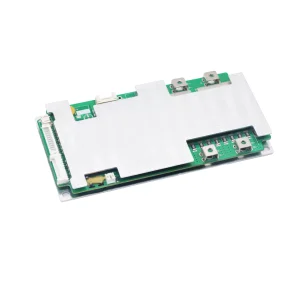
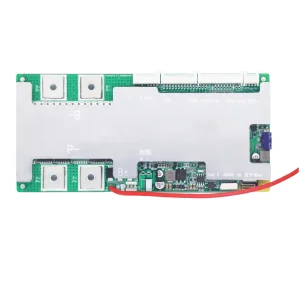
For modern smart grids and electrical drives, seamless integration with CAN 2.0A/B communication protocols is vital. Our customized Korean BMS models (such as the LTW 23S 60A and LTW 10S 20A) transmit key system registers directly to the motor controller or telemetry device. If a fault is detected (such as over-temperature or cell imbalance), the BMS communicates with the host controller to lower output power in a managed ramp-down, preventing abrupt power outages that could compromise operator safety.
Litongwei offers highly customized Software BMS boards tailored to the diverse application environments in South Korea:
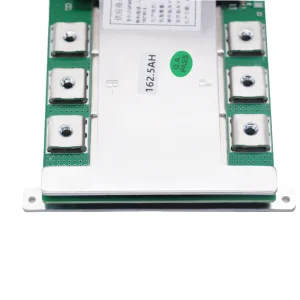
With major logistics centers throughout Gyeonggi-do adopting automated workflows, our high-discharge BMS systems (supporting 120A, 200A and above) provide stable, continuous energy throughput, active thermal oversight, and fast-charge compliance.
E-scooters and e-bikes in urban settings face continuous vibrations, rain, and rapid acceleration. Our boards incorporate anti-vibration structural designs, IP67 conformal coatings, and Bluetooth configuration for field diagnosis.
Requiring extremely fast transient discharge currents without triggering false overcurrent shutdowns. Litongwei's software filter configurations prevent nuisance tripping while guaranteeing hardware safety under high-dynamic loads.
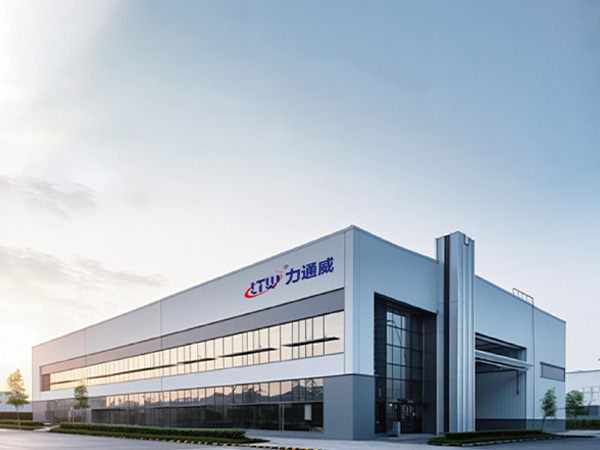
Established in 2005, Shenzhen Litongwei Electronic Technology Co., Ltd. is a national high-tech enterprise specializing in the R&D and manufacturing of lithium-ion safety control systems. Over the last two decades, we have committed ourselves to resolving critical challenges related to safety, operational cost, and intelligence in battery architecture.
Our solutions cover the entire spectrum of modern rechargeable devices: from 3C digital accessories, electric scooters, and smart bikes to high-load vehicles like golf carts, Automated Guided Vehicles (AGVs), drones, and industrial power tools. To give our global partners a definitive edge, we provide multi-level business protection:

Building safety-centric battery control ecosystems for over 18 years.
Litongwei's partners include Huawei, Lenovo, Desay, Guoguang, Sunwoda, Eve Energy, Guoxuan High-tech, and other industry-leading brands who have collaborated for many years.






Unparalleled manufacturing capacity, rigorous quality oversight, and persistent technological innovation.
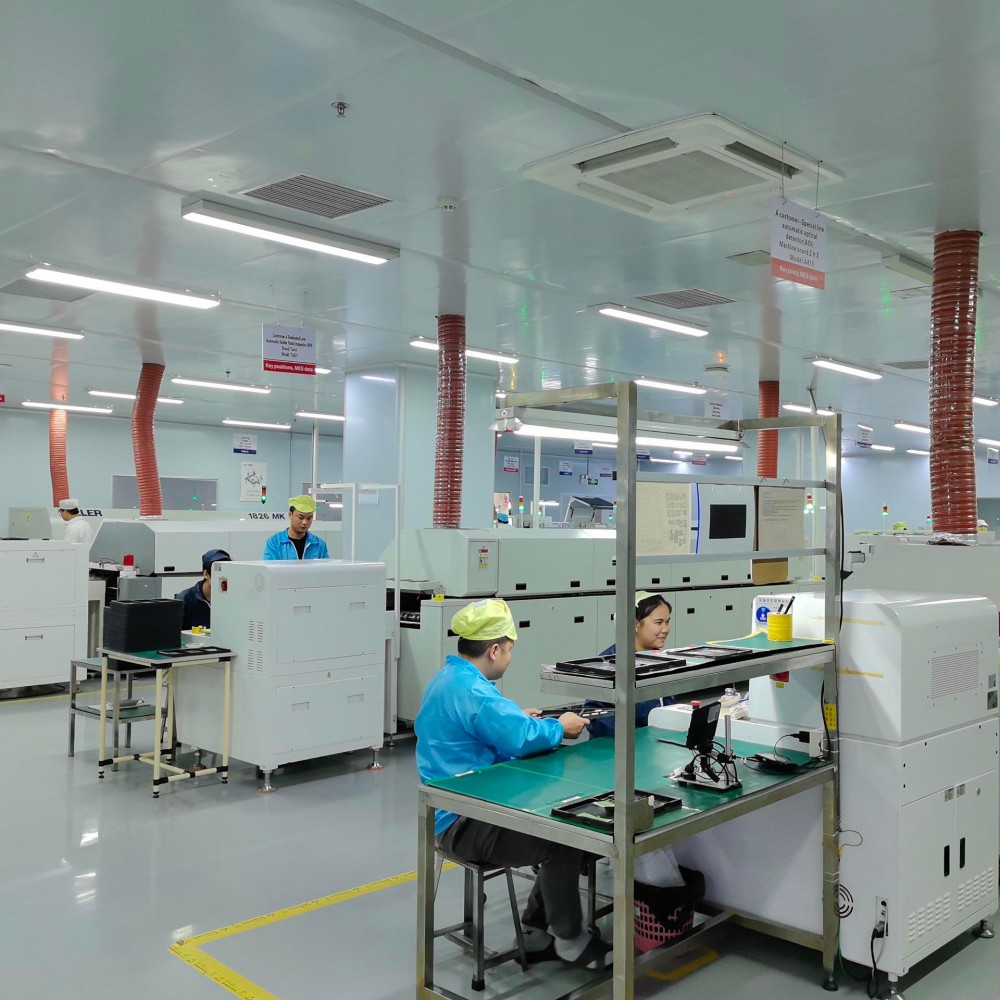
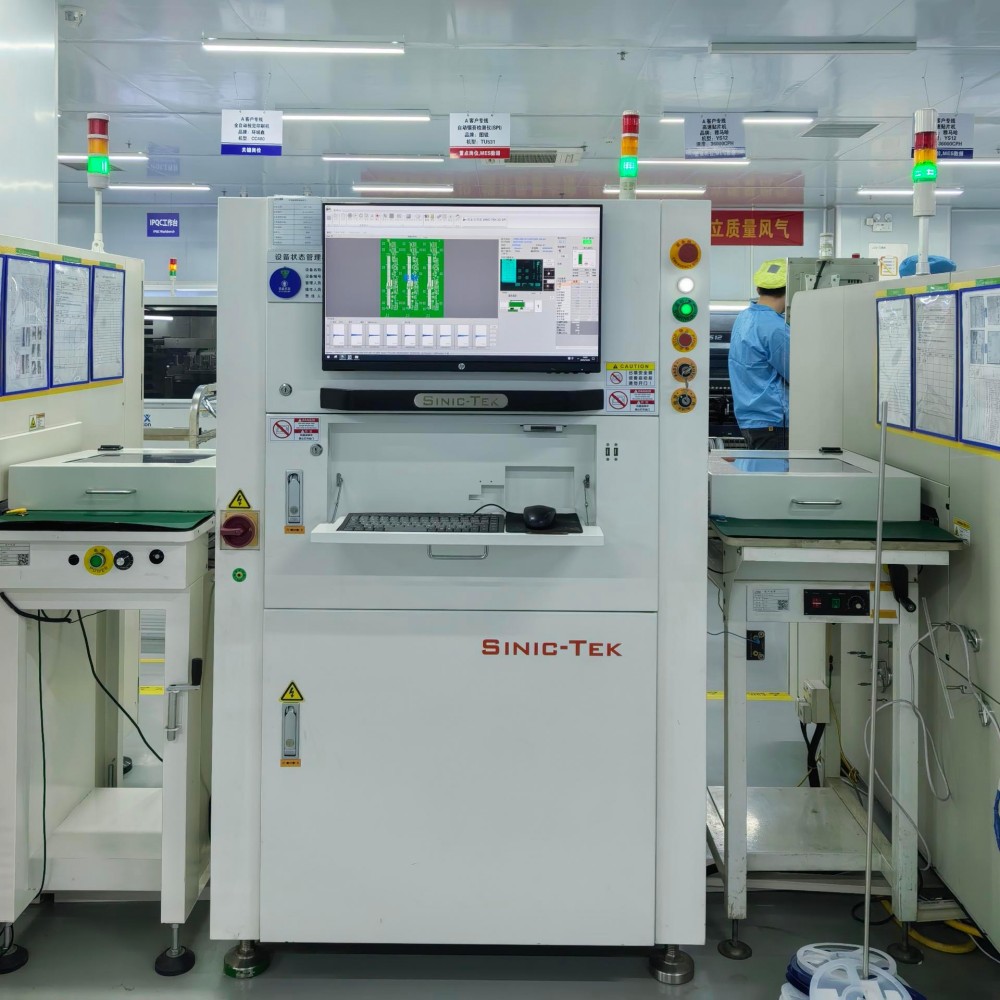
We operate independent factories across two major industrial centers. Our Shenzhen headquarters spans 13,000 square meters of high-tech space, and our Dongguan Huangjiang production base covers 27,000 square meters. Equipped with 24 high-speed pick-and-place (SMT) machines and 12 PCBA production lines, we achieve a monthly output exceeding 15 million BMS units.
Innovation is in our DNA. Litongwei's R&D funding has consistently accounted for more than 10% of our annual sales revenue for five consecutive years. This investment fuels our algorithm research, hardware optimizations, and security verification processes.
We hold over 100 patents in the battery protection board industry, covering specialized circuit designs, dynamic testing parameters, and structural innovations. We offer patent collaboration options to shield clients in the Korean and global markets from patent disputes.
As the battery industry moves towards the smart grid integration and vehicle-to-everything (V2X) ecosystem, the requirements for battery management software are growing in complexity. The future of BMS relies on **Cloud-Edge Collaboration**.
Litongwei is actively building an AI-powered Cloud BMS platform. By syncing edge battery data (individual cell temperature, charge-discharge curves, internal resistance changes) to the cloud via mobile application gateways or integrated 4G/5G hardware, we construct a real-time Digital Twin of each battery pack. Big data analytics engines can identify early indicators of internal short circuits or dendrite growth before a thermal hazard arises. For fleet operators managing delivery operations in Seoul, this technology offers predictive maintenance capabilities that lower total lifecycle expenses and maximize hardware safety.
"LITONGWEI has always adhered to the philosophy of 'Technology as King, Efficient Service' in all aspects of production and operations. Our vision is to become a provider of intelligent green energy management solutions, embracing environmental sustainability. Start with LITONGWEI!"
Get answers to the most common questions regarding Software BMS design, manufacturing, and localization in the Korean market.
A standard Hardware PCM can only trip cut-off switches at pre-configured safety thresholds (such as absolute over-voltage or under-voltage). In contrast, a Software-defined BMS processes complex parameters in real-time. It enables custom communication protocols (CAN, Bluetooth, RS485), executes high-accuracy SOC and SOH algorithms, runs multi-stage temperature control thresholds, and supports field configuration modifications without redesigning the physical circuitry.
Charging a lithium battery at sub-zero temperatures causes lithium plating on the anode, resulting in permanent capacity loss and short-circuit hazards. Our intelligent heating BMS senses external temperatures through NTC sensors. If the temperature is below freezing, the system redirects charging energy to heat the battery pack’s integrated heating elements until a safe operating temperature is achieved, and only then starts the cell charging process.
Our manufacturing facilities operate under the stringent IATF 16949 automotive quality standard. Our products are designed to conform to CE, FCC, RoHS, and local KC safety standards. We support our Korean partners with the necessary compliance documentation and system verification testing to assist in obtaining local certifications quickly.
Yes, we specialize in custom layout configurations. Our engineers can adapt the shape, dimensions, connector orientations, and heat sink structures of the BMS to fit within customized battery housings while maintaining optimal thermal dissipation and high electrical insulation.
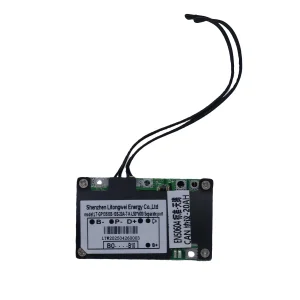
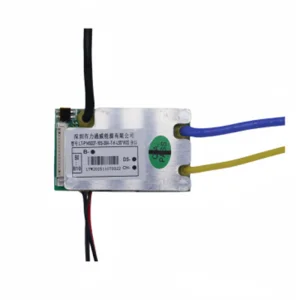
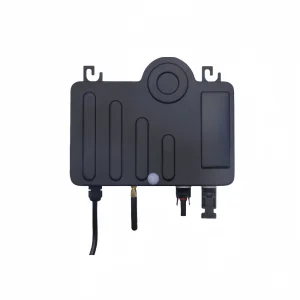
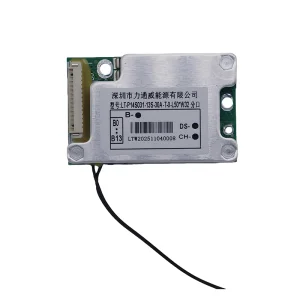
Explore our specialized smart battery management modules and energy accessories designed for safety and efficiency.
Partner with Litongwei for reliable, certified, and high-performance Software BMS technology customized for your applications.
Send Inquiry Now Litongwei Electronic