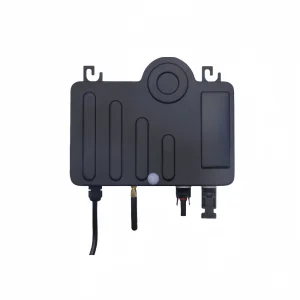
Explore our top-tier active-balancing and multi-protocol smart BMS units designed to integrate seamlessly with Kuala Lumpur's rising electric vehicle fleet and infrastructure upgrades.
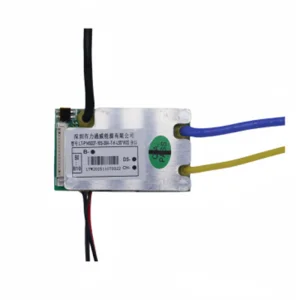
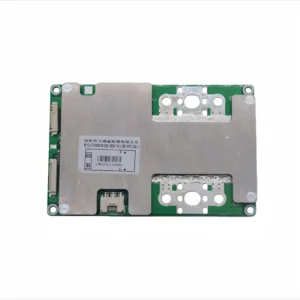
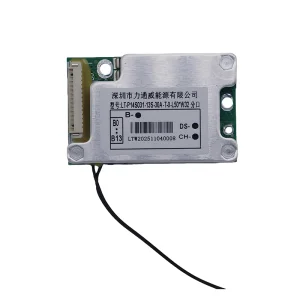
Within the rapidly advancing energy transition of Southeast Asia, selecting the correct Battery Management System (BMS) architecture is a fundamental determinant of operational reliability, battery lifespan, and safety. A traditional Hardware BMS relies on fixed analog circuits to trigger protection thresholds (over-voltage, under-voltage, and over-current) via hardwired components. While highly reliable for low-complexity, cost-sensitive applications, hardware-only boards lack the flexibility and analytical processing required for modern energy grids.
Conversely, a Software BMS (often called a Smart BMS) integrates an onboard MCU, analog front-ends (AFE), and sophisticated software stacks. This configuration enables real-time mathematical modeling to calculate critical parameters:
As the economic heart of Malaysia, the Kuala Lumpur metropolitan area (including the Klang Valley) is witnessing a major push toward decarbonization, driven by the Malaysian government's National Energy Transition Roadmap (NETR). This macro-environmental shift has triggered exponential demand for high-reliability Hardware and Software BMS platforms across key localized application scenarios:
For purchasing teams at engineering firms, system integrators, and industrial users throughout the Klang Valley, obtaining a reliable BMS is not just about pricing—it requires strict compliance with international safety and quality protocols. These standards help minimize thermal runaway risks and reduce system downtime.
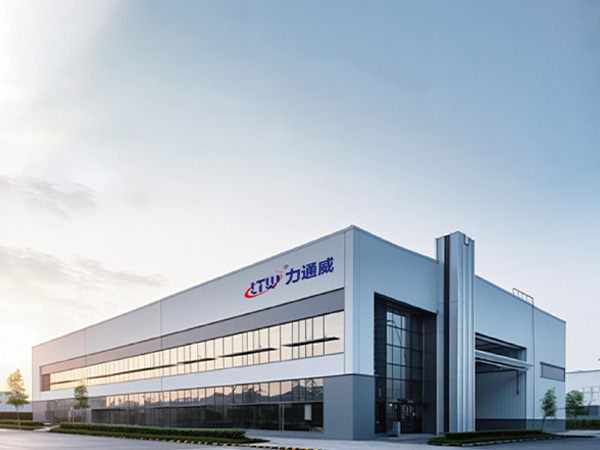
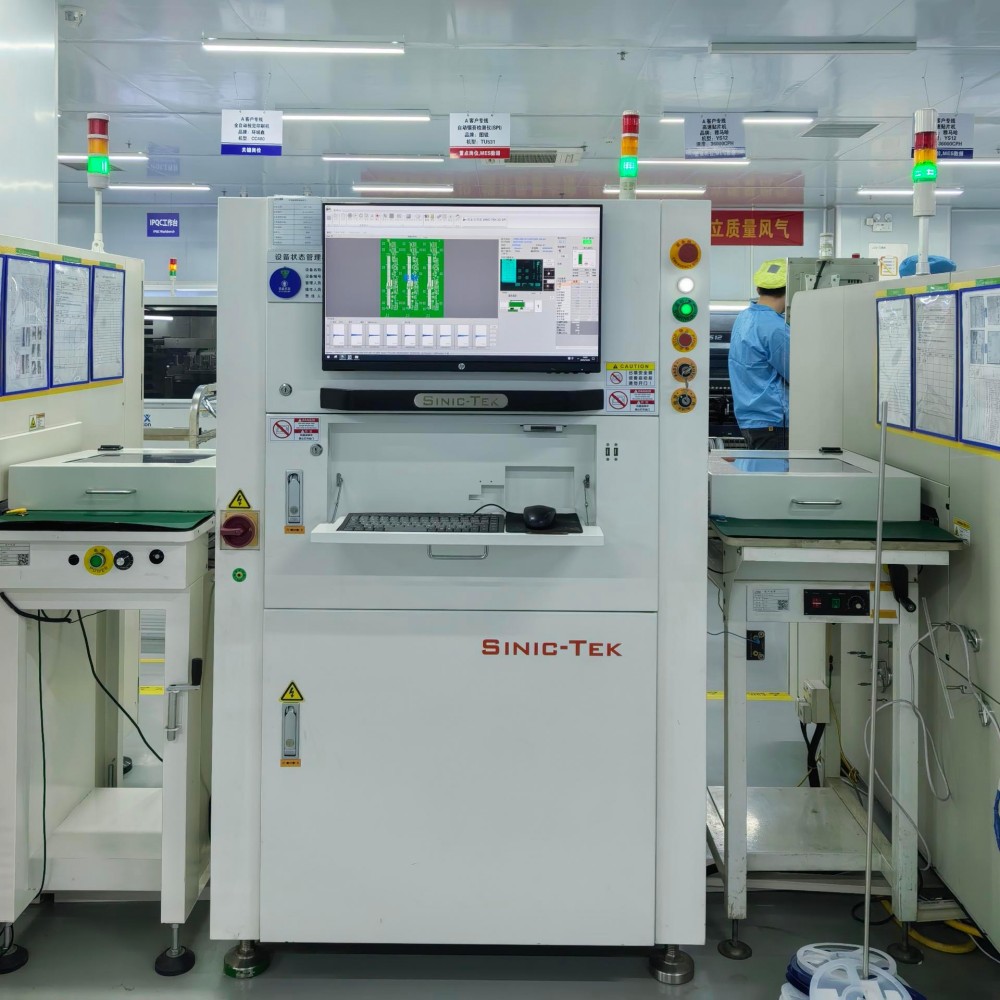
Global procurement teams face constant challenges involving cost fluctuations, component shortages, and variable manufacturing quality. Shenzhen Litongwei Electronic Technology Co., Ltd. addresses these challenges by operating two state-of-the-art production hubs that implement advanced smart manufacturing principles:
By integrating advanced Manufacturing Execution Systems (MES), we maintain complete traceability for every chip, MOSFET, and solder joint. This level of quality control is essential for global buyers requiring long-term reliability and low RMA rates in demanding environments.
From a dedicated R&D house in 2005 to an industry-leading smart energy management manufacturer, see how Litongwei has evolved over two decades.
Shenzhen Litongwei Electronic Technology Co., Ltd. commenced operations focusing on basic lithium-ion safety protection circuits. In 2006, the core team expanded into high-power battery management architectures, eventually obtaining ISO9001 (2007) and ISO14001 (2009) certifications.
Secured 8 major utility and design patents. To support rapid technical innovation, the Litongwei Technology Research Institute was founded in 2012. Our focus on quality earned us the Del New Energy Quality Excellence Award in 2014.
Upgraded all quality systems to achieve IATF16949 certification in 2018. The company implemented an advanced factory-wide MES system to automate warehouse logistics, leading to the Innovation Award from the Guangdong Battery Industry Association in 2019.
Deepening integration with IoT and cloud-based telematics, Litongwei has become a leading international supplier. We provide smart microgrid, EV, and specialized industrial BMS solutions to the Southeast Asian market, including Kuala Lumpur.
Litongwei collaborates closely with tier-one consumer electronics brands, automotive companies, and battery manufacturers to design stable, long-lasting hardware and software safety solutions.














Key technical answers regarding BMS operation, integration, and procurement for the Kuala Lumpur market.
CAN (Controller Area Network) bus provides superior noise immunity and real-time multi-master communication capabilities, making it ideal for the high electromagnetic interference (EMI) environments found in automated warehouses and automotive systems in Kuala Lumpur. In contrast, RS485 relies on a single master-slave configuration, which introduces polling latencies that can affect safety-critical systems.
Our BMS boards utilize integrated, high-precision NTC thermistors to monitor cell temperatures. For high-humidity environments, we apply conformal coating protection to the PCBAs to prevent corrosion. Additionally, our smart BMS systems feature temperature-triggered charging and discharging cutoffs to mitigate thermal runaway risks.
Yes. By utilizing our integrated Bluetooth modules or CAN-bus/RS485 ports, operators can transmit SoC, SoH, temperature, and fault alerts to external IoT gateways. This capability enables central fleet tracking and predictive maintenance for delivery, public transit, and commercial fleets.
Our manufacturing processes are certified to IATF16949, ISO9001, and ISO14001 standards. Our product designs are engineered to meet UL, CE, and FCC requirements, helping global procurement teams satisfy regional regulatory and compliance criteria.
Passive balancing dissipates excess energy from high-charge cells as heat through resistors, which is simple but inefficient. Active balancing transfers charge from higher-voltage cells to lower-voltage cells, reducing heat generation and maximizing usable capacity, making it well-suited for high-capacity energy storage systems (ESS).
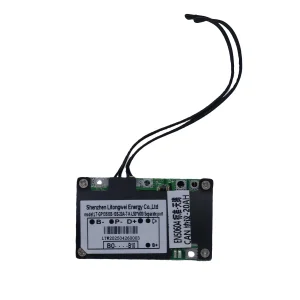
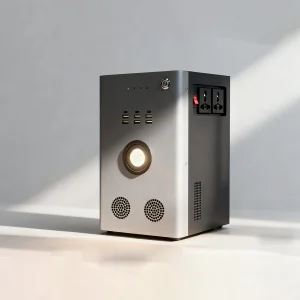
Explore our complete selection of smart battery protection boards, portable power systems, and energy storage devices suited for commercial and residential applications.
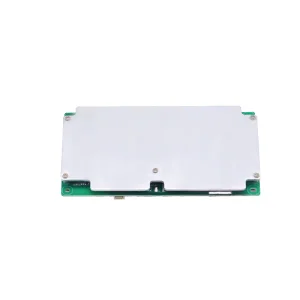
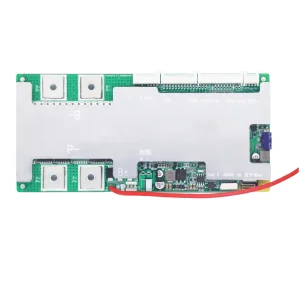
Looking for a custom software BMS architecture or bulk pricing for the Kuala Lumpur market? Get in touch with our team of engineers to receive technical details, circuit diagrams, and integration advice.
Send Inquiry Now Litongwei Electronic