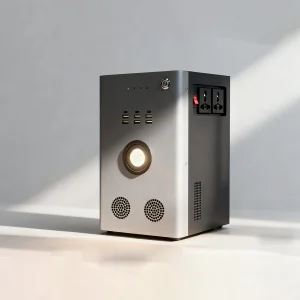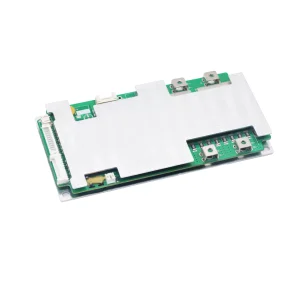
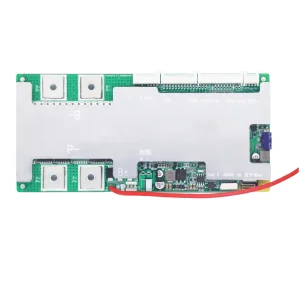
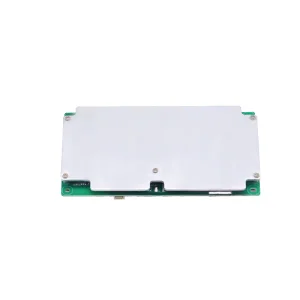
As an archipelago of over 7,600 islands, the Philippines presents a unique landscape for electrical distribution, renewable energy transition, and electric mobility. The government's Public Utility Vehicle Modernization Program (PUVMP) is actively driving the replacement of traditional combustion engine jeepneys with Electric Jeepneys (e-Jeepneys) and Electric Tricycles (e-Tricycles). Concurrently, the Department of Energy (DOE) is executing off-grid electrification policies to supply power to remote island barangays using solar-plus-storage mini-grids. In both scenarios, the efficiency, longevity, and safety of the lithium-ion batteries deployed depend fundamentally on the integration of highly reliable Software Battery Management Systems (BMS).
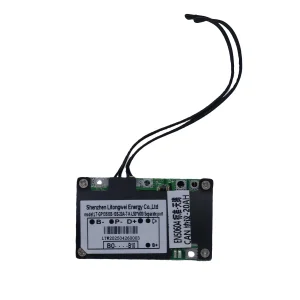
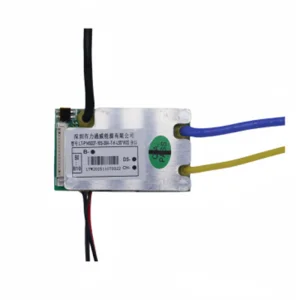
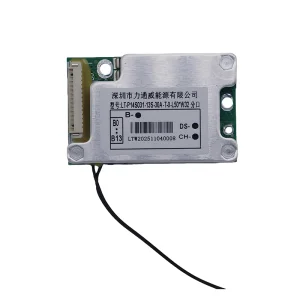
A software-defined BMS is distinct from a basic hardware protection circuit. It features programmable microcontrollers, sophisticated state-estimation algorithms (such as Kalman filtering for State of Charge and State of Health calculation), and robust digital communication buses (such as CAN, RS485, and Modbus). These technical capabilities allow engineering teams in the Philippines to configure parameters in real time, monitor battery cell voltages remotely via mobile networks or Bluetooth, and proactively mitigate thermal runaway hazards caused by the country’s high tropical temperatures and humidity.
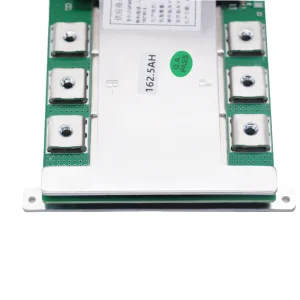
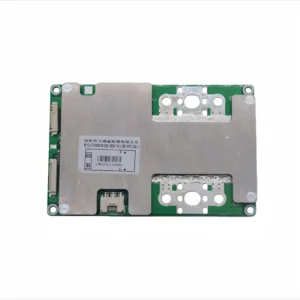
Providing high continuous discharge current BMS models (100A to 200A+) to support the heavy start-stop cycles of loaded Philippine e-Jeepneys climbing steep terrains in Baguio or cruising Manila's highways.
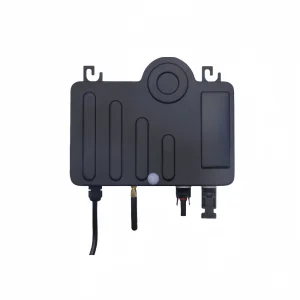
Integrating CAN and Modbus communication protocols with local microinverters to enable seamless telemetry sharing with cloud management platforms monitoring isolated island grids.
Implementing specialized NTC thermistor array mapping, conformal coatings for high humidity/saline air, and integrated cooling/heating commands directly in the firmware logic.
Standard hardware protection boards rely on basic analog comparative circuits to cut off battery currents during fault events. While cost-effective, they lack diagnostic granularity. A high-performance software BMS features a dedicated **Microcontroller Unit (MCU)** that executes advanced safety code thousands of times per second. This enables:
By shifting safety boundaries from hardwired hardware values to configurable software thresholds, operators can adapt the BMS behavior to specific chemistries, whether employing LiFePO4 (Lithium Iron Phosphate) for high thermal stability or NMC (Nickel Manganese Cobalt) for dense portable packs.
"Our R&D team works closely with battery system integrators throughout the Philippines to flash custom firmware protocols that fit local inverter manufacturers, cutting commissioning time by up to 40%."
Telecom companies in Luzon, Visayas, and Mindanao operate backup battery banks in hard-to-reach mountainous areas. LTW Smart Software BMS solutions feature RS485 and Bluetooth integration, allowing site engineers to audit battery modules remotely via mobile application. Cell balancing functions ensure uniform cell wear, preventing site-tripping and costly helicopter or boat-based maintenance missions.
Residential and commercial properties across Metro Manila are turning to net metering and balcony PV solar systems to offset high local electricity tariffs. Our microinverters with integrated software BMS communicate directly using CAN and Modbus protocols to manage peak loads. The BMS intelligently adjusts charging rates based on photovoltaic input variance, saving batteries from cycling stress.
For operators managing massive e-jeepney or e-tricycle fleets, the BMS is the brain of the vehicle. By using our Bluetooth-enabled boards with multi-line configurations, fleet managers can export battery diagnostics directly to centralized servers. It provides a real-time window into operator driving behaviors, motor controller inefficiencies, and potential cell degradation patterns.
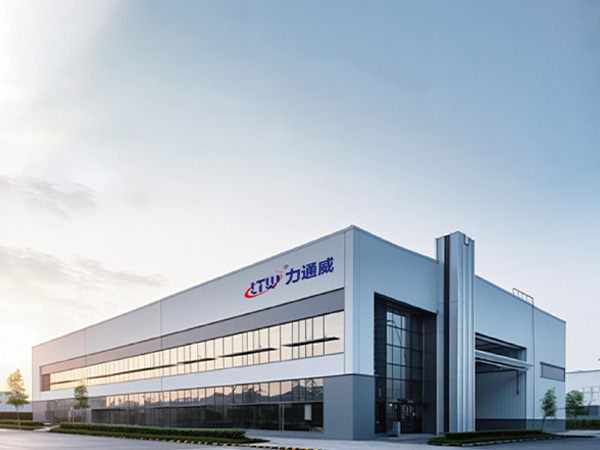
Established in 2005, Shenzhen Litongwei Electronic Technology Co., Ltd. is a national high-tech enterprise focusing on the research, development, and high-precision assembly of lithium-ion safety control systems. Over two decades, we have continuously scaled our industrial operations to meet the rigorous demands of global clients in electric vehicles, heavy energy storage, and smart electronic industries.
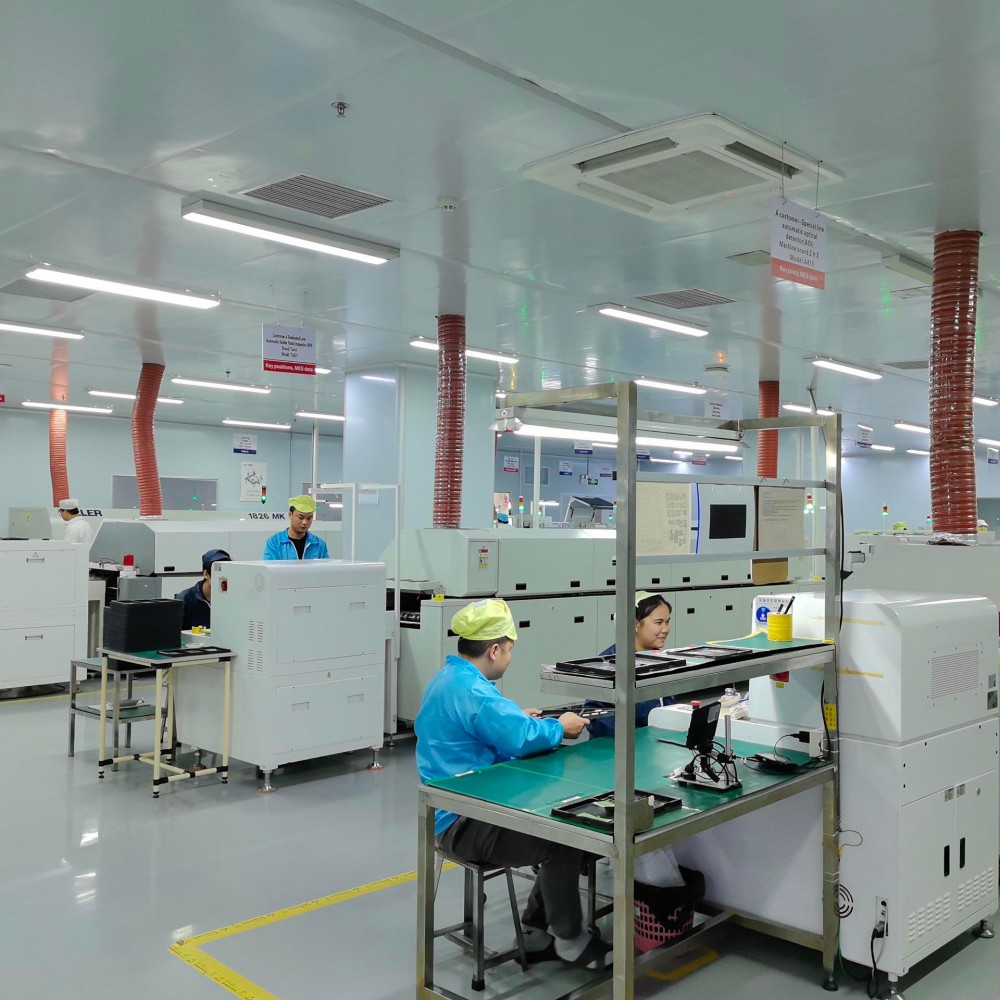
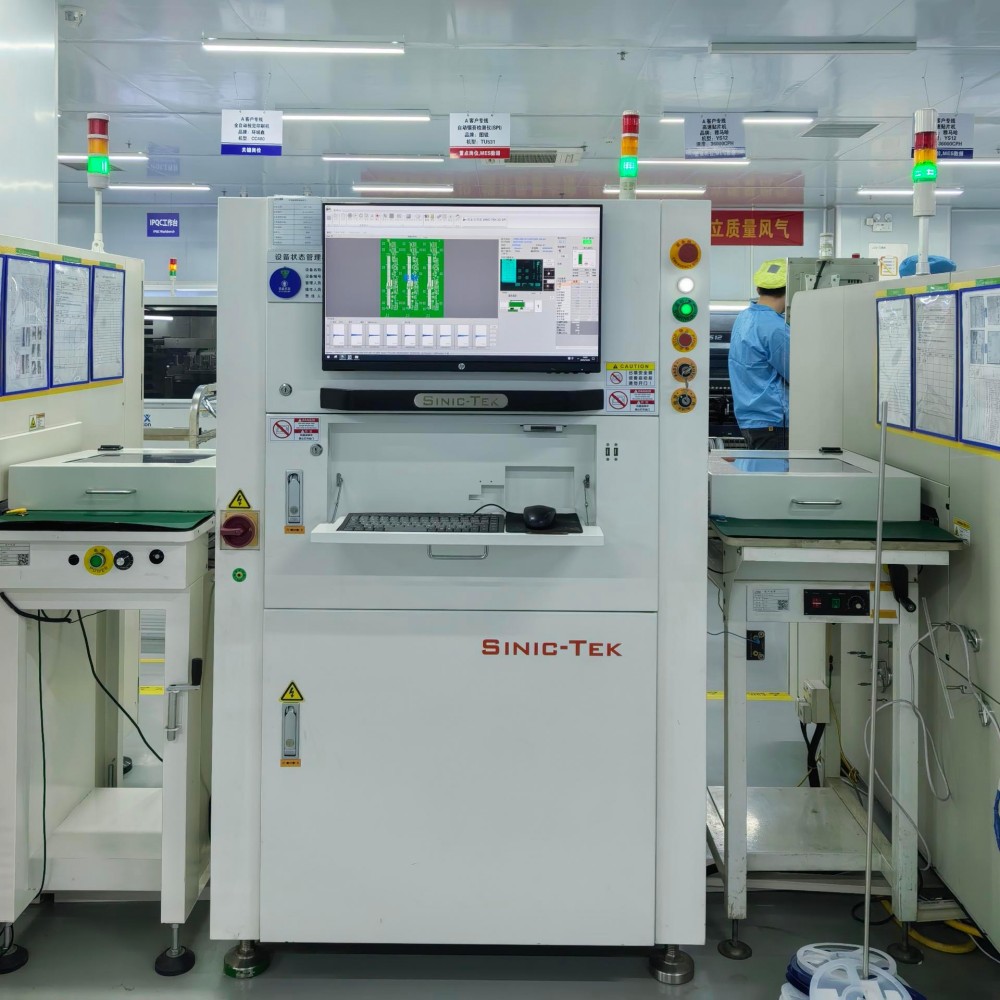
Currently, our Shenzhen campus spans over 13,000 square meters of specialized testing and prototyping cleanrooms, while our primary manufacturing base in Huangjiang, Dongguan, boasts an expansive 27,000 square meters of highly automated smart factory space. Equipped with 24 high-speed pick-and-place assembly machines and 12 high-performance PCBA production lines, our monthly production capacity reaches over 15 million units.
To support high-precision safety standards, we execute full-process traceability using custom MES cloud software, allowing every single PCB board to be tracked back to its original component batch. We invest over 10% of our annual sales directly back into R&D to secure intellectual property protections and implement safe, anti-infringement layouts for our international partners.

Commenced R&D of digital Battery Management Systems. Secured ISO9001 and ISO14001 certification to establish a standardized framework for quality and environmental control.
Secured 8 core utility model and design patents. Established the specialized Litongwei Technology Research Institute, investing heavily in smart cell balancing algorithms.
Earned IATF 16949 automotive standard quality approval. Deployed custom MES system for real-time tracking, receiving innovation awards from the Battery Industry Association.
Integrated Cloud Platform support, Bluetooth/CAN interfaces, and dynamic heating logic into mainstream product lines, enabling global B2B clients to customize their telemetry settings.









B2B procurement managers in Manila, Cebu, and Davao must navigate stringent standard compliance guidelines to pass building certifications and vehicle registry requirements. Operating with uncertified electronics risks legal penalties and physical hardware failures. Litongwei ensures full support for international standards:
Additionally, we supply custom serial protocol configurations that integrate with major international inverter brands, including Growatt, Deye, SMA, and Victron, which are widely distributed across the Philippine solar landscape.
 Litongwei Electronic