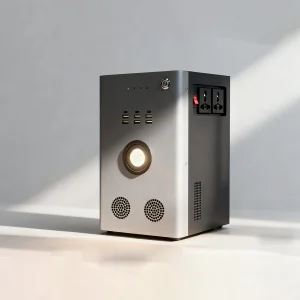
Advanced digital protection boards offering Bluetooth communication, CAN/RS485 interface integration, and smart temperature configurations for industrial and utility backup batteries in Pakistan.
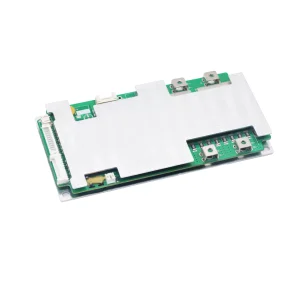
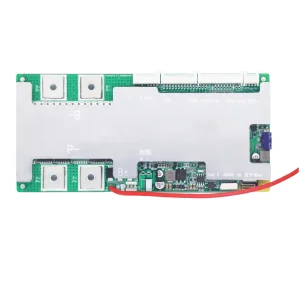
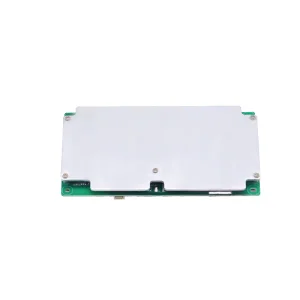
As the primary energy landscape in South Asia shifts away from highly volatile fuel resources toward localized PV-solar infrastructure and micro-mobility, the reliance on advanced lithium-based power reservoirs has reached an inflection point. In Pakistan, the historic reliance on lead-acid batteries and rudimentary hardware-based PCM (Protection Circuit Modules) is rapidly diminishing. Modern grid challenges require Software Battery Management Systems (Software BMS) to provide the granular telemetry and dynamic control necessary to manage lithium battery chemistry efficiently.
Unlike standard hardware BMS platforms that rely on fixed analog comparators and preset resistance limits to trigger cutoff events, a Software BMS incorporates an onboard Microcontroller Unit (MCU), Flash memory, and digital transceiver buses (such as CAN, RS485, and SMBus). This enables real-time estimation of State of Charge (SoC), State of Health (SoH), and State of Power (SoP) using advanced mathematical algorithms like Extended Kalman Filters (EKF). For Pakistani industrial operators, this translates to predictable uptime, accurate local runtime reports, and safety controls suited to high temperatures.
Pakistan's commercial hubs—including Karachi, Lahore, Faisalabad, and Sialkot—face persistent localized power grids issues, such as harmonic distortion, brownouts, and rolling load-shedding. Under these conditions, a battery system managed by a static hardware module degrades quickly due to partial-state-of-charge (PSOC) cycling and thermal runaway hazards. Litongwei's Software BMS architectures provide high-precision monitoring of cell voltages, current, and temperature, enabling localized commercial storage systems to maintain cell balancing, preventing single-cell degradation from compromising entire battery packs.
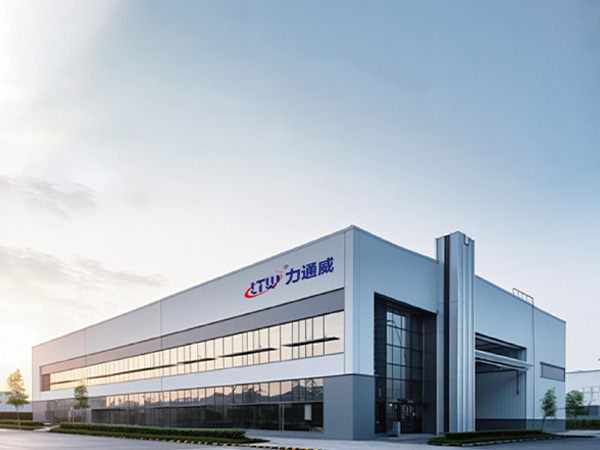
Established in 2005, Shenzhen Litongwei Electronic Technology Co., Ltd. is a national high-tech enterprise specializing in the R&D and manufacturing of lithium-ion safety control systems. Our products are widely used in 3C digital devices, electric scooters, bicycles, motorcycles, tricycles, golf carts, AGVs, drones, and power tools.
We provide intellectual property protection (patent collaboration to prevent infringement), industry-standard shared boards (cost reduction and efficiency improvement), full-process traceability (quality control), and remote maintenance (cloud platform support) to help you address technical, cost, and operational challenges. By choosing us, you'll receive top-tier products and services. Litongwei is committed to collaborating with you to build a brighter future together.

Optimizing battery performance in Pakistan requires tailoring software platforms to meet the needs of specific applications. Below are the key scenarios where Litongwei's Software BMS series provides crucial protection and optimization.
With thousands of telecom towers operated by Jazz, Zong, Telenor, and PTCL across Pakistan, maintaining 99.9% uptime is a major challenge due to grid instability. Tower operators are replacing traditional lead-acid banks with 48V (15S/16S) LiFePO4 battery banks. Under these conditions, the Litongwei 10S to 23S Software BMS enables central management platforms to monitor battery bank parameters remotely using RS485 and Modbus RTU communication interfaces. The integrated telemetry monitors and reports on single-cell voltages, board temperature, and cycles, allowing operators to preemptively swap aging blocks before a site failure occurs.
High electricity tariffs and grid instability have driven clean-energy adoption in urban areas like Karachi and Islamabad. Local home users run hybrid PV-inverter systems (often paired with 48V lithium-ion setups). A key challenge is ensuring communication compatibility with inverter brands like Inverex, Growatt, and Crown. Litongwei's Software BMS features configurable communication protocols, enabling direct handshake setups with these inverters. This prevents charge-controller desynchronization, which can cause overcharge states or unnecessary battery shutdowns.
In regions like Sindh and Punjab, where summer temperatures regularly exceed 45°C, battery degradation accelerates rapidly. Litongwei Software BMS units utilize up to 4 high-precision NTC thermistors to monitor ambient and cell-level temperatures. Conversely, in northern regions like Gilgit-Baltistan and Khyber Pakhtunkhwa, temperatures drop below zero. Our intelligent heating controls regulate custom heater elements to warm cells safely to optimal charging zones, preventing low-temperature lithium plating.
Pakistan's National Electric Vehicle Policy (NEVP) has accelerated the deployment of electric two-wheelers and E-rickshaws (three-wheelers). These vehicles demand robust vibration isolation and high discharge performance during acceleration on rough roads. Our 20S 120A and 20S 200A Software BMS models feature conformal-coated PCB designs, copper shunts, and high-performance MOSFET switches designed to withstand mechanical shock and high-current starting demands.
LITONGWEI has always adhered to the philosophy of "Technology as King, Efficient Service" in all aspects of production and operations. Our vision is to become a provider of intelligent green energy management solutions, embracing environmental sustainability. Start with LITONGWEI!
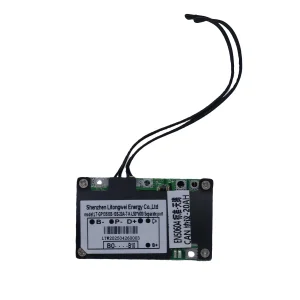
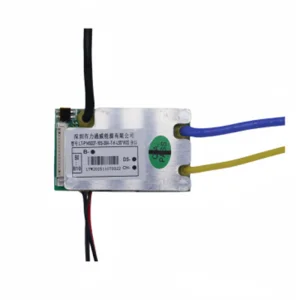
Litongwei's Software BMS units are designed around custom MCU and AFE (Analog Front-End) configurations to ensure high reliability. The architecture is engineered to provide precise monitoring and control.
Features multi-channel delta-sigma analog-to-digital converters (ADCs) that read single-cell voltages with low noise. Millivolt-level accuracy is maintained across the full voltage curve.
Parameters such as overcurrent thresholds, overvoltage delay times, recovery parameters, and cell balance thresholds can be customized and flashed via Bluetooth or UART.
Internal cell-balancing circuits dissipate micro-amp imbalances during the final charging stages, helping maintain pack health and preventing premature cell failure.
Our R&D roadmap focuses on improving algorithm precision. The transition from basic Coulomb counting to neural-network-based SoC estimation allows our systems to calculate charge states accurately under dynamic loads. This is particularly beneficial for fluctuating solar charging systems in Pakistan, preventing premature low-voltage cutoffs.
We are also integrating support for alternative chemistries, such as Sodium-ion (Na-ion), alongside our existing LiFePO4 and Lithium Nickel Manganese Cobalt (NMC) configurations. The thermal characteristics of Sodium-ion cells make them well-suited for high-temperature deployments in Pakistan. Our Software BMS firmware is ready to accommodate these charging profiles.
A history of innovation and growth, establishing a reliable supply chain for smart power electronics.
The company commenced R&D and manufacturing of digital Battery Management Systems (BMS). Expanded to power BMS in 2006. Obtained ISO9001 in 2007 and ISO14001 in 2009.
Secured 8 utility model and design patents in 2011. Established the Litongwei Technology Research Institute in 2012. Earned the Del Quality Excellence Award in 2014 and Gold Partner title in 2015.
Upgraded ISO certifications in 2016. Achieved IATF16949 certification in 2018. Implemented MES warehouse automation and recognized as a leading brand for two-wheeled vehicle BMS in 2020.
Litongwei continues to innovate, deepening its technological expertise while embracing IoT and Industry 4.0. Driving industrial transformation and upgrading.
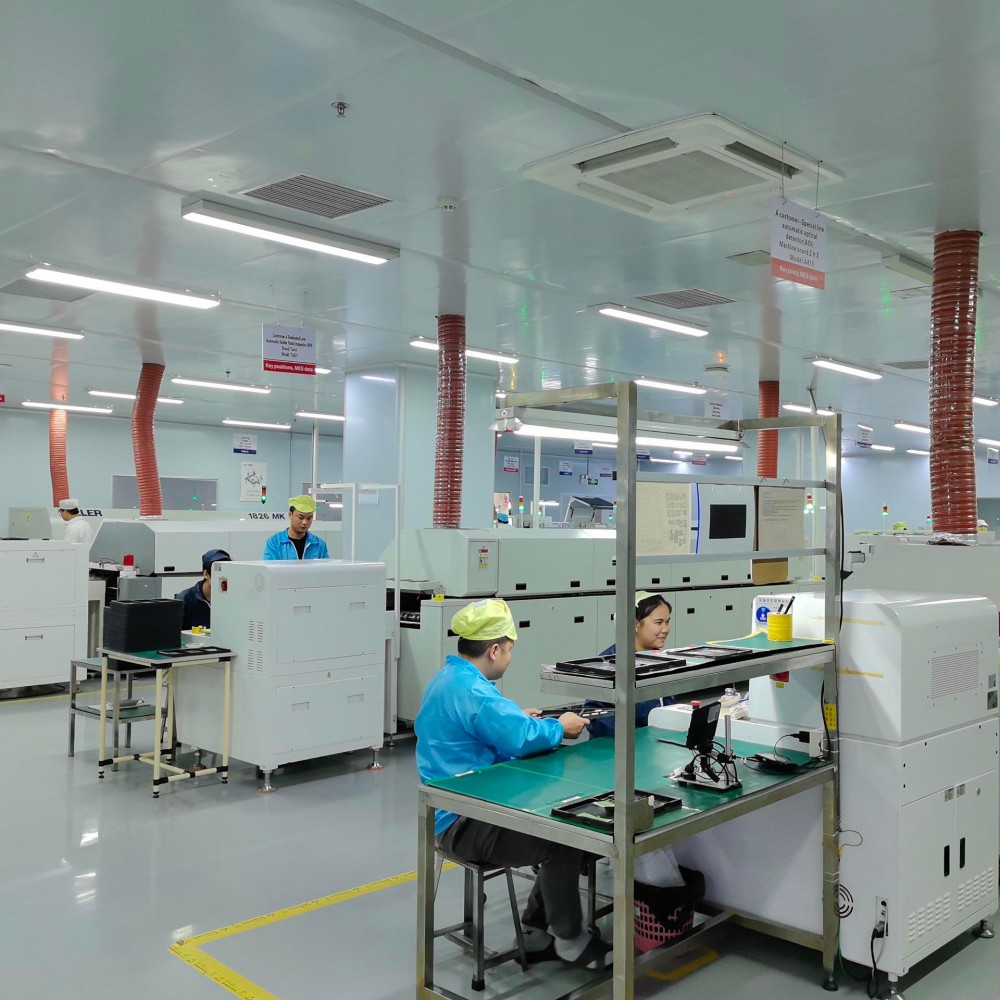
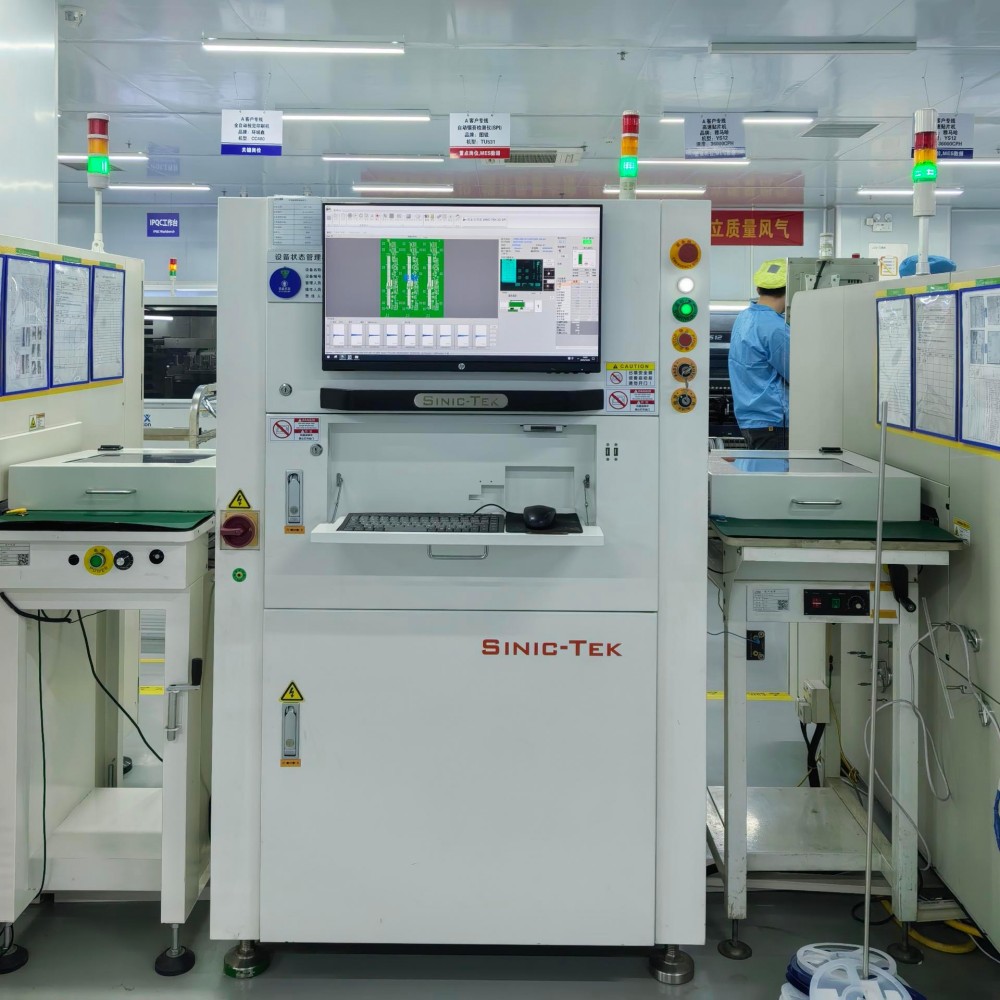
A key factor in securing high-quality Software BMS solutions for Pakistan is a reliable supply chain. Shenzhen Litongwei operates integrated SMT (Surface Mount Technology) assembly bases in Shenzhen and Dongguan, which offer manufacturing advantages that benefit our international partners.
Our Dongguan Huangjiang factory features 24 high-speed pick-and-place lines and 12 PCBA production lines, with a monthly output of over 15 million units. This capacity allows us to manage large orders efficiently, helping mitigate lead-time risks for importers in Lahore and Karachi.
This integrated supply chain approach enables us to deliver customized Software BMS solutions that meet the requirements of Pakistan's industrial and commercial sectors.
Litongwei's partners include Huawei, Lenovo, Desay, Guoguang, Sunwoda, Eve Energy, Guoxuan High-tech, and other industry brands who have collaborated for many years.






Addressing the key engineering and logistical questions regarding Software BMS deployment in Pakistan.
Explore our complete product catalog, featuring customized designs for solar energy, mobility, and industrial application sectors.
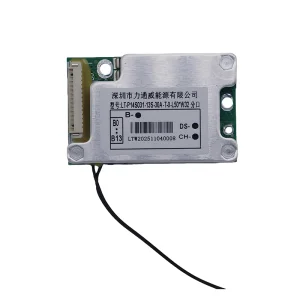

Get direct support from our engineering and manufacturing teams. Contact us to discuss your requirements for customized Software BMS systems.
Send Inquiry Now Litongwei Electronic